




Menu

Low Water Pressure Issues in Pittsburgh – Fast Diagnosis and Permanent Repairs That Restore Your Home's Flow

When weak water pressure disrupts your morning shower or slows your dishwasher to a crawl, our expert plumbers pinpoint the root cause and deliver lasting solutions tailored to Pittsburgh's aging infrastructure and hard water challenges.

Slider Image 1
Slider Image 2
Slider Image 3
Slider Image 4
Slider Image 5
Slider Image 7
Slider Image 8
Slider Image 9
Slider Image 10
Slider Image 11

Why Pittsburgh Homes Experience Weak Water Pressure More Than You Think

You turn on the faucet and get a trickle instead of a stream. Your shower barely rinses shampoo. Your washing machine takes twice as long to fill. Low water pressure is not just annoying. It signals a deeper problem in your plumbing system.

Pittsburgh's housing stock tells the story. Many homes in neighborhoods like Squirrel Hill, Highland Park, and Shadyside were built between 1900 and 1950. These homes often have galvanized steel pipes that corrode from the inside out. Over decades, mineral deposits narrow the pipe diameter. What started as a half-inch pipe becomes a quarter-inch passage. That restriction chokes your water flow.

The Allegheny and Monongahela Rivers provide Pittsburgh's water supply. While the water quality meets standards, it contains minerals that accelerate pipe buildup. Hard water leaves calcium and magnesium deposits that cling to pipe walls. Over time, these deposits harden into scale. The result is decreased water pressure throughout your home.

Poor water pressure also shows up when your pressure regulator fails. This valve controls the force of water entering your home from the municipal line. When it malfunctions, you get weak flow at every fixture. Sometimes the problem is simpler. A partially closed shutoff valve or a clogged aerator can mimic whole-house pressure loss. The key is accurate diagnosis.

Loss of water pressure can also point to hidden leaks. Water escaping through a crack in your main line or a corroded joint reduces available flow to your fixtures. That leak also wastes water and risks foundation damage. Ignoring weak water pressure means ignoring a warning sign your plumbing system is failing.

Why Pittsburgh Homes Experience Weak Water Pressure More Than You Think
How We Diagnose and Repair Low Water Flow the Right Way

How We Diagnose and Repair Low Water Flow the Right Way

Guessing costs you money. We start every low water pressure call with a systematic pressure test at multiple points in your home. We measure static pressure at the main shutoff and dynamic pressure at fixtures on different floors. This tells us whether the issue is localized or system-wide.

Next, we inspect your pressure regulator. This device sits on your main line where municipal water enters your home. We check the pressure setting and test for valve failure. A faulty regulator often reads normal on the gauge but fails to maintain consistent downstream pressure. We replace defective regulators with properly calibrated units that match Pittsburgh's typical 60 to 80 psi street pressure.

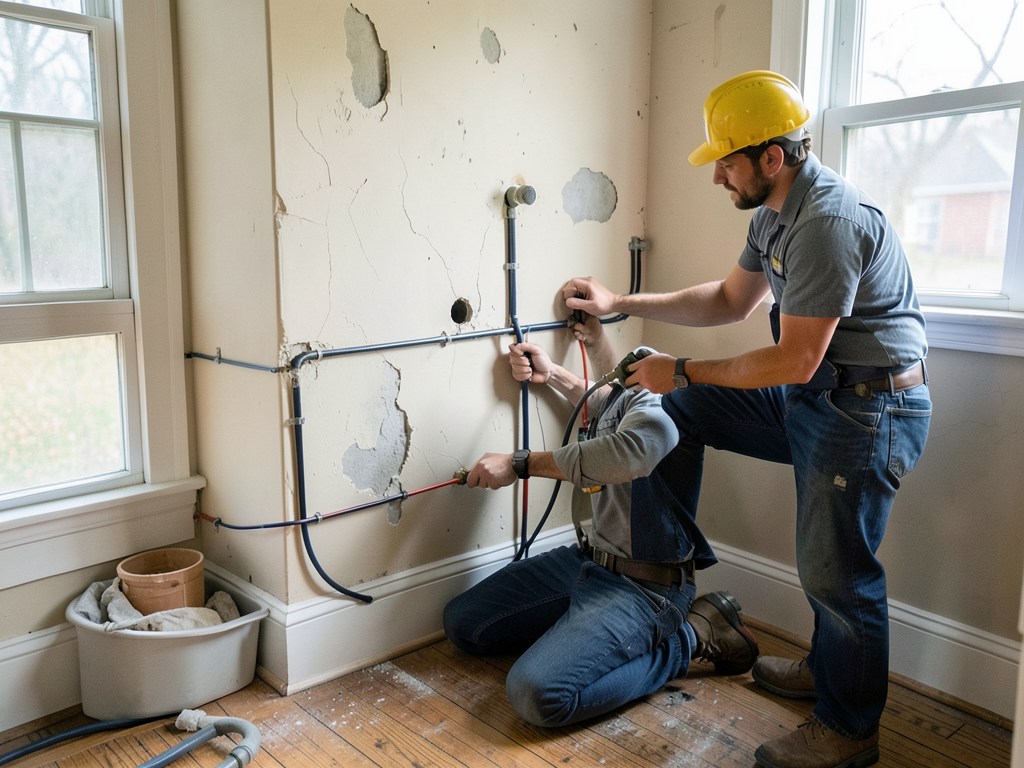
If your pressure regulator checks out, we trace your supply lines. Homes with galvanized pipes almost always show internal corrosion. We use a borescope to inspect pipe interiors without cutting walls. When we find severe buildup, we recommend repiping affected sections with PEX or copper. Partial repiping targets problem zones like the second-floor bathroom circuit or kitchen supply lines. Full repiping makes sense when corrosion is widespread.

We also check for hidden leaks using acoustic listening equipment. A leak between your meter and your home steals pressure before water reaches your fixtures. We isolate sections of your system and monitor pressure drop over time. This reveals leaks hidden in crawl spaces, basements, or underground yard lines.

Clogged aerators and showerheads are easy fixes. We disassemble fixtures and clear mineral buildup. If the aerator screen is damaged, we replace it. Sometimes a cartridge inside a faucet or shower valve clogs with sediment. We remove and clean or replace these cartridges to restore full flow. Every repair we make addresses the actual cause, not just the symptom.

What Happens When You Call About Weak Water Pressure

Low Water Pressure Issues in Pittsburgh – Fast Diagnosis and Permanent Repairs That Restore Your Home's Flow
01

Initial Pressure Assessment

We measure water pressure at your main shutoff valve and compare it to readings at multiple fixtures throughout your home. This diagnostic map shows us whether you have a whole-house problem, a branch line restriction, or a fixture-level clog. We also check your water meter for unusual activity that indicates a hidden leak stealing pressure before water reaches your taps.
02

System Component Inspection

We inspect your pressure regulator, shutoff valves, and visible supply lines for corrosion, mineral buildup, or mechanical failure. If your home has galvanized pipes, we use specialized tools to assess internal corrosion without opening walls. We also test fixture cartridges and aerators for clogs. This step identifies the exact failure point so we can recommend the most cost-effective repair.
03

Repair and Flow Restoration

Once we pinpoint the cause, we execute the repair. This might mean replacing a pressure regulator, repiping a corroded section with PEX, clearing a clogged cartridge, or fixing a hidden leak. After the repair, we retest pressure at every fixture to confirm full flow restoration. You get documentation of the work and guidance on preventing future pressure loss through water softening or periodic maintenance.

Why Pittsburgh Homeowners Trust Ace Plumbing Pittsburgh for Pressure Problems

Low water pressure is a diagnostic challenge. Many plumbers guess at the cause and sell you unnecessary work. We invest in the tools and training to find the real problem. Our technicians use calibrated pressure gauges, acoustic leak detectors, and pipe inspection cameras. This equipment costs money, but it saves you from paying for the wrong repair.

We understand Pittsburgh's plumbing history. Homes in Lawrenceville, Polish Hill, and the South Side often have a mix of original galvanized pipe and later additions in copper or PEX. These transitions create weak points where corrosion accelerates. We know where to look. We also know Pittsburgh's municipal water pressure varies by neighborhood. Areas at higher elevations, like Mount Washington, sometimes receive lower street pressure. We account for these variables when diagnosing your system.

Our repiping work respects your home. We route new PEX lines through existing chases and minimize wall penetrations. When we do open walls, we patch and paint to match. We also coordinate with your schedule. Most pressure regulator replacements take two to three hours. Repiping a single bathroom circuit can happen in a day. Whole-house repipes take longer, but we stage the work so you always have water service at night.

We also educate you on prevention. If hard water is causing buildup, we explain water softener options. If your pressure regulator is aging, we tell you the expected lifespan and warning signs of failure. Our goal is to solve your current problem and help you avoid future ones.

Pittsburgh winters are hard on plumbing. Freeze-thaw cycles stress joints and accelerate pipe fatigue. We factor this into our repair recommendations. A patch that works in a warm climate might fail here. We use materials and methods proven to handle our temperature swings and seasonal ground movement.

What You Can Expect When We Fix Your Water Pressure

Same-Day Availability for Diagnostics

We know poor water pressure disrupts your daily routine. You cannot shower properly, wash dishes efficiently, or run laundry without frustration. We offer same-day diagnostic appointments for most calls. Our technicians arrive with all testing equipment needed to measure pressure, inspect components, and identify the failure point. In many cases, we complete simple repairs like pressure regulator replacement or aerator cleaning the same day. For more involved work like repiping, we provide a detailed estimate and schedule the work at your convenience. You get answers fast, not vague promises.

Thorough Pressure Testing at Every Fixture

Our diagnostic process is methodical. We test static pressure at your main line to establish a baseline. Then we measure dynamic pressure at sinks, showers, tubs, and hose bibs on every floor. This creates a pressure map of your entire system. We compare these readings to Pittsburgh's typical street pressure and identify where the drop occurs. If one bathroom has weak flow but others are fine, we trace that branch line. If the whole house is affected, we focus on the pressure regulator or main supply. You get a clear explanation of what we found and why it matters.

Restored Flow You Can Feel Immediately

The difference between weak water pressure and proper flow is dramatic. After we replace a failing pressure regulator or clear a clogged cartridge, your shower goes from a drizzle to a strong spray. Your washing machine fills in minutes instead of twenty. Your kitchen faucet delivers the volume you need to rinse dishes quickly. We retest every fixture before we leave to confirm full restoration. If we repiped sections of your home, you also get better flow consistency. No more pressure drops when someone flushes a toilet or starts the dishwasher. You get reliable, strong water pressure throughout your home.

Guidance on Preventing Future Pressure Loss

Once we fix your current problem, we help you avoid the next one. If hard water caused mineral buildup, we discuss water softener installation and the long-term savings on pipe life and appliance efficiency. If your pressure regulator failed due to age, we explain the typical lifespan and early warning signs so you can plan for replacement before you lose pressure again. If galvanized pipes are corroding, we outline a phased repiping plan that fits your budget. We also show you how to test pressure yourself using an inexpensive gauge. Prevention is cheaper than emergency repairs.

Frequently Asked Questions

You Have Questions,
We Have Answers

What is the most common cause of low water pressure? +

The most common cause of low water pressure in Pittsburgh homes is sediment buildup inside aging galvanized pipes. Pittsburgh's water chemistry, combined with older infrastructure in neighborhoods like Squirrel Hill and Shadyside, creates mineral deposits that narrow pipe diameter over time. Corroded pipes restrict flow significantly. Other frequent culprits include partially closed shut-off valves, faulty pressure regulators, and leaks in your supply line. In winter, frozen pipes can also reduce pressure temporarily. A licensed plumber can diagnose the exact cause with a pressure test and visual inspection of your supply lines and fixtures.

How to fix low water pressure? +

Fixing low water pressure depends on the root cause. Start by checking if your main shut-off valve is fully open. Clean faucet aerators and showerheads to remove mineral buildup, which often helps in Pittsburgh's hard water areas. If the pressure regulator is faulty, a plumber can adjust or replace it to restore proper flow. Corroded galvanized pipes require repiping with copper or PEX. Leaks demand immediate repair to prevent water damage. For whole-house issues, professional pressure testing identifies hidden problems. Quick fixes work for aerators, but pipe corrosion and regulator failures need professional intervention to restore consistent pressure throughout your home.

Can a plumber fix low water pressure? +

Yes, a licensed plumber can diagnose and fix low water pressure issues efficiently. Plumbers use pressure gauges to measure flow at multiple points, identifying whether the problem is isolated to one fixture or affects your entire system. They can replace corroded pipes, adjust or install pressure regulators, repair leaks, and clear blockages in supply lines. In Pittsburgh's older homes with galvanized piping, plumbers often recommend repiping to eliminate chronic pressure problems. A qualified plumber also checks for issues with your pressure-reducing valve and ensures your system meets local code requirements, restoring strong, consistent water flow.

Who is responsible for low water pressure? +

Responsibility for low water pressure depends on where the problem occurs. Pittsburgh Water and Sewer Authority handles issues with the main supply line up to your property line, including street-side leaks or pressure drops affecting multiple homes. You are responsible for everything from your property line to your fixtures, including your service line, pipes, pressure regulator, and internal plumbing. If only your home has low pressure, the issue is likely on your side. If neighbors also experience problems, contact PWSA. A plumber can determine if the fault lies within your property boundaries or requires municipal intervention.

How much does it cost for a plumber to fix low water pressure? +

Costs vary based on the cause. Simple fixes like cleaning aerators or adjusting a pressure regulator run between minimal service call fees and moderate repair costs. Replacing a faulty pressure-reducing valve costs more. Extensive work like repiping corroded galvanized lines in Pittsburgh's older homes represents a larger investment due to material and labor requirements. Leak repairs depend on accessibility and damage extent. Most plumbers charge diagnostic fees for pressure testing, which applies toward repair costs. Get a detailed written estimate before authorizing major work. Addressing low pressure promptly prevents water damage and higher costs later.

How to unclog a p-trap? +

Unclogging a p-trap is straightforward. Place a bucket under the trap to catch water. Loosen the slip nuts on both ends of the curved pipe using pliers or by hand if possible. Remove the trap and dump contents into the bucket. Clear any hair, soap scum, or debris buildup inside. Rinse the trap thoroughly with hot water. Inspect the gaskets for wear and replace if cracked. Reinstall the trap, hand-tighten the slip nuts, then snug with pliers without overtightening. Run water to check for leaks. If the clog persists deeper in the line, you need a plumber.

Can I adjust the water pressure myself? +

You can adjust water pressure yourself if you have an accessible pressure regulator with an adjustment screw. Locate the regulator on your main supply line, usually near the water meter. Turn the screw clockwise to increase pressure, counterclockwise to decrease. Make small quarter-turn adjustments and test pressure at a faucet between changes. Ideal residential pressure is 50-60 PSI. However, if you lack a regulator, have corroded pipes, or suspect leaks, adjustment will not solve the problem. Pittsburgh's older homes often need professional assessment. Installing or replacing a regulator requires plumbing expertise to ensure proper pressure and prevent pipe damage.

How Pittsburgh's Aging Infrastructure and Hard Water Accelerate Low Water Pressure

Pittsburgh's water flows from the Allegheny Valley Water Authority and Pittsburgh Water and Sewer Authority treatment plants. While the water meets quality standards, it carries dissolved minerals from the river sources and limestone bedrock. These minerals create hard water that deposits calcium and magnesium inside pipes. Homes built before 1960 often have galvanized steel supply lines. The zinc coating inside these pipes corrodes over decades, and hard water accelerates the process. The combination of aging pipe material and mineral-rich water creates the perfect conditions for decreased water pressure. Neighborhoods with older housing stock, like East Liberty, Bloomfield, and the North Side, see this issue frequently. The longer you wait to address weak water pressure, the more extensive the corrosion becomes.

Ace Plumbing Pittsburgh has served the greater Pittsburgh metro for years. We have worked in hundreds of homes across Allegheny County and understand the specific challenges of our local plumbing systems. We know which neighborhoods have mixed piping from multiple renovation eras and where pressure regulators typically fail first. Our technicians stay current on Pittsburgh's plumbing codes and permitting requirements for repiping work. When you call a national chain, you get a technician unfamiliar with galvanized pipe corrosion patterns or hard water scaling. When you call us, you get someone who has diagnosed and repaired poor water pressure in homes just like yours. Local expertise matters when the problem is rooted in local conditions.
Plumbing Services in The Pittsburgh Area

We are proud to be the trusted plumbing partner for the entire Pittsburgh area and its surrounding communities. Our dedicated team is committed to providing prompt and efficient service wherever you are. To get a better sense of our service area and to get in touch with us for all your plumbing needs, please take a look at our location on the map below. We’re always here to help.

Address:
Ace Plumbing Pittsburgh, 1450 Fifth Ave, Pittsburgh, PA, 15219

Additional Services We Offer

Our news updates

Latest Articles & News from The Blogs

Why You Need a Plumbing Camera Inspection Before Buying That Mount Oliver Fixer Upper \n\n Buying a fixer upper in…

Why You Need a Plumbing Camera Inspection Before Buying That Mount Oliver Fixer Upper

Why You Need a Plumbing Camera Inspection Before Buying That Mount Oliver Fixer Upper \n\n Buying a fixer upper in…

Replacing Every Old Pipe in Your Swissvale Home Without the Stress

Replacing Every Old Pipe in Your Swissvale Home Without the Stress Swissvale homes built before 1970 often hide a ticking…

Reliable Ejector Pump Repair and Install for Robinson Township Basement Bathrooms

Expert Ejector Pump Repair in Robinson Township PA Basement bathrooms in Robinson Township homes often sit below the main sewer…

Contact Us

Weak water pressure will not fix itself. Call Ace Plumbing Pittsburgh at (412) 382-8366 for same-day diagnostics. We find the cause, explain your options, and restore strong flow fast. No guessing, no upselling, just expert repairs that last.