




Menu

Whole Home Repiping in Pittsburgh – Complete Pipe Replacement from Foundation to Fixtures

Ace Plumbing Pittsburgh specializes in full house repiping for homes across Allegheny County, replacing corroded galvanized pipes, polybutylene systems, and failing copper lines with modern materials built to last decades.

Slider Image 1
Slider Image 2
Slider Image 3
Slider Image 4
Slider Image 5
Slider Image 7
Slider Image 8
Slider Image 9
Slider Image 10
Slider Image 11

Why Pittsburgh Homes Need Full House Repiping Sooner Than Most

Pittsburgh's aging housing stock and unique water chemistry create a perfect storm for pipe failure. Homes built before 1980 in neighborhoods like Squirrel Hill, Shadyside, and Highland Park often contain galvanized steel pipes that corrode from the inside out. The city's slightly acidic water, combined with mineral content from Allegheny River sources, accelerates this deterioration.

You notice the symptoms daily. Water pressure drops when someone flushes a toilet. Rust-colored water appears after vacation. Pinhole leaks spring up in walls or ceilings, causing water damage to plaster and hardwood floors common in Pittsburgh's historic architecture. Multiple fixture failures within months signal systemic problems, not isolated issues.

Pittsburgh's freeze-thaw cycles make matters worse. When temperatures swing from below freezing to 50 degrees within days, older pipes expand and contract, weakening already compromised joints. Basements in homes built on hillsides experience hydrostatic pressure that stresses aging supply lines.

Whole house repiping addresses the root cause rather than chasing individual leaks. Replumbing a house means removing old pipes completely and installing new distribution systems that handle Pittsburgh's water conditions and climate extremes. Full home repiping eliminates the cycle of emergency repairs and water damage claims that plague homes with original plumbing from the 1950s through 1980s.

The question becomes not if you need house repiping, but when to schedule it before catastrophic failure forces your hand during Pittsburgh's brutal winter months.

Why Pittsburgh Homes Need Full House Repiping Sooner Than Most
How Complete House Repiping Works in Pittsburgh Homes

How Complete House Repiping Works in Pittsburgh Homes

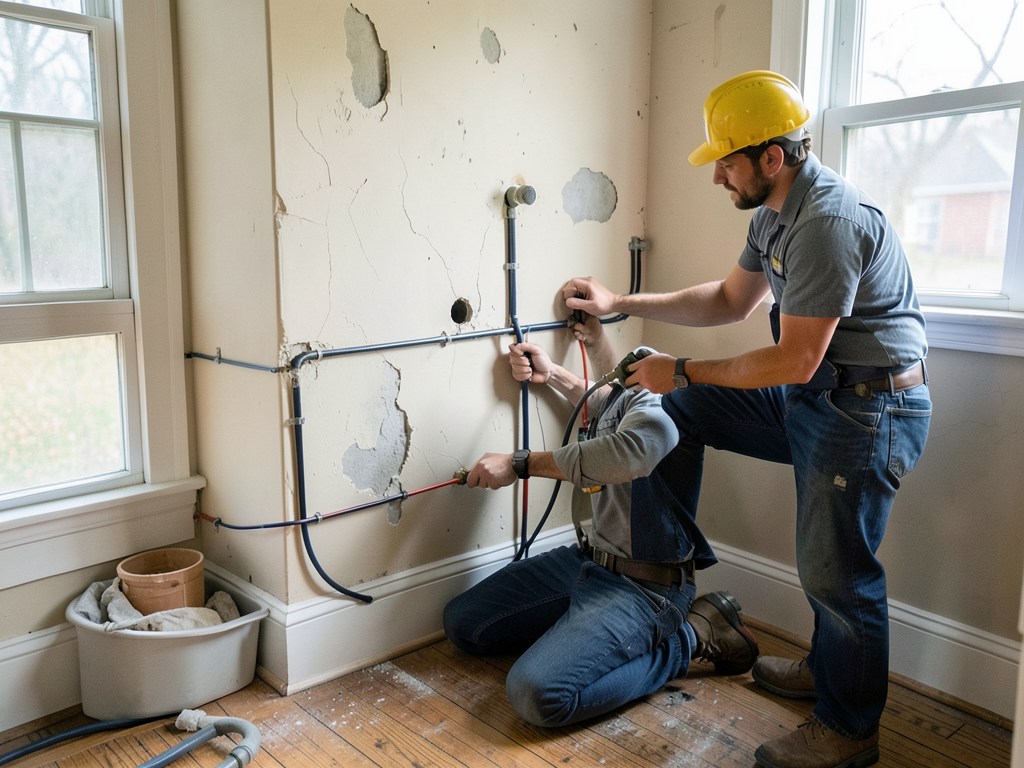
Whole house pipe replacement requires surgical precision in Pittsburgh's older homes. We access supply lines through strategic openings that minimize damage to original plaster walls, crown molding, and hardwood floors that define your home's character.

The process starts with water main isolation and complete system drainage. We map existing pipe routes through walls, floors, and ceiling cavities, identifying the most efficient paths for new distribution lines. In multi-story homes common to Mount Washington and Polish Hill, we route new pipes through existing chases and create minimal access points.

We remove galvanized pipes section by section, extracting corroded lines that often crumble during removal. For homes with polybutylene pipes installed during the 1980s, we eliminate every foot of the defective material, including the gray plastic fittings prone to sudden failure.

New pipe installation uses either Type L copper or PEX tubing, depending on your home's specific needs and local code requirements. Copper provides durability and works well with Pittsburgh's water chemistry when properly installed. PEX offers flexibility that navigates around obstacles in tight spaces and resists freeze damage better than rigid piping.

We install new shut-off valves at every fixture, giving you control that older homes lack. Each connection gets pressure-tested to 150 PSI, well above normal operating pressure, to verify integrity before we close walls. We insulate pipes in exterior walls and unheated spaces to prevent freeze damage during January cold snaps.

The work progresses room by room, maintaining water service to parts of your home while we complete sections. This approach keeps disruption manageable during the multi-day process required for thorough replumbing.

Your Home Repiping Experience from Start to Finish

Whole Home Repiping in Pittsburgh – Complete Pipe Replacement from Foundation to Fixtures
01

Comprehensive Pipe Assessment

We inspect your entire plumbing distribution system, testing water pressure at multiple fixtures, examining exposed pipes in basements and crawl spaces, and using camera inspection where needed. This evaluation identifies pipe material, corrosion extent, and failure risk. We document existing conditions and explain which pipes need immediate replacement versus which sections remain serviceable. You receive a detailed scope of work specific to your home's layout and plumbing configuration.
02

Systematic Pipe Removal and Installation

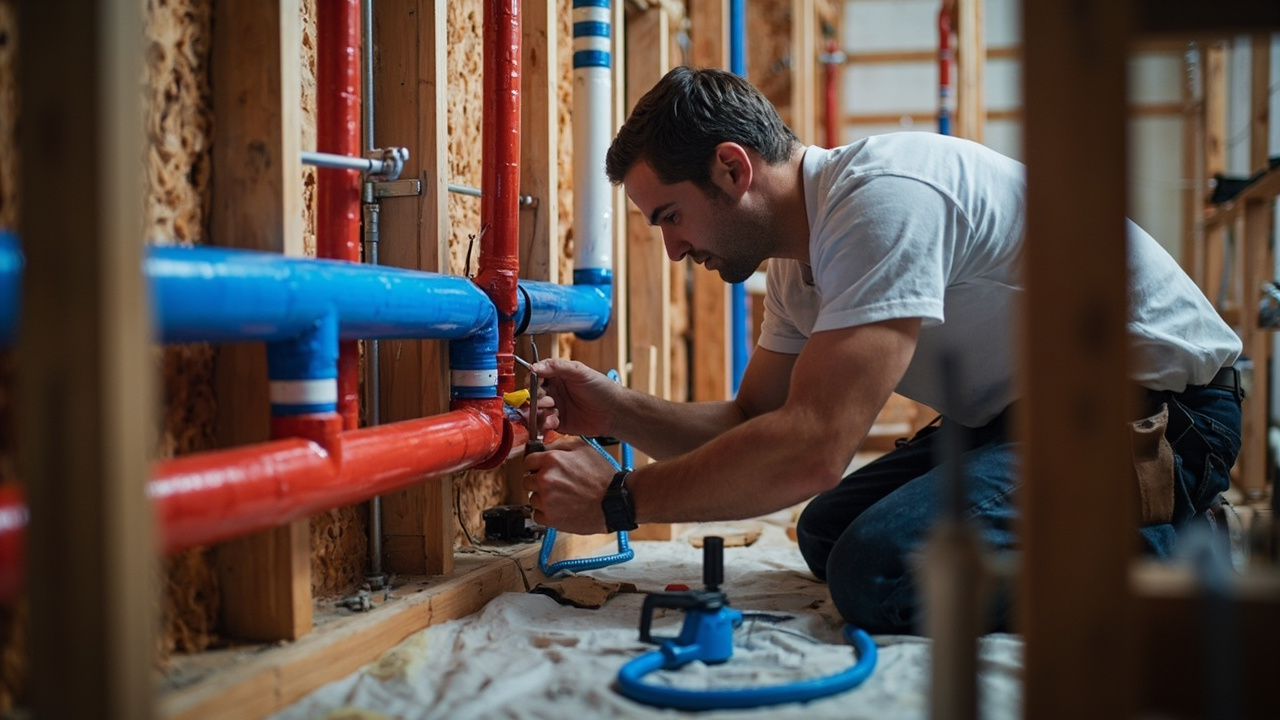
Demolition focuses on accessing pipes with minimal structural impact. We remove sections of drywall or plaster only where necessary, preserving original architectural details. Old pipes come out completely, eliminating any corroded material. New distribution lines install according to current code, with proper support spacing, correct pitch for drainage connections, and appropriate materials for each application. We maintain one bathroom operational throughout the project so your family can stay in the home during repiping.
03

Testing and Wall Restoration

Every new pipe undergoes pressure testing before we seal walls. We charge the system to 150 PSI and monitor for pressure drop that indicates leaks. Once testing confirms integrity, we restore walls using matching materials. For plaster walls, we use traditional three-coat methods. For drywall, we match existing thickness and texture. We prime patches to prevent future discoloration. You receive documentation of all work completed, including pipe materials used, shut-off valve locations, and pressure test results.

Why Pittsburgh Homeowners Choose Ace Plumbing for House Repiping

Repiping Pittsburgh homes requires understanding construction methods that span 150 years. A Victorian rowhouse in Lawrenceville demands different approaches than a post-war ranch in Brookline. We have repiped homes throughout Allegheny County, from century-old structures in the Mexican War Streets to mid-century splits in Penn Hills.

We know Pittsburgh's plumbing code requirements and how they apply to renovation work. When you modify existing plumbing systems, certain code updates become mandatory. We navigate these requirements while keeping your project compliant and avoiding complications during future home sales.

Our crews understand how to work in occupied homes. We contain dust, maintain access to bathrooms, and coordinate our schedule around your life. You do not need to move out during a whole house repipe. We complete work in sections, typically finishing most homes in three to five days depending on size and complexity.

We have established relationships with local building inspectors and schedule required inspections promptly. This keeps your project moving and ensures everything passes on the first inspection. Delays from failed inspections or missing permits extend timelines and increase costs.

Material sourcing matters in Pittsburgh. We stock supplies locally and maintain relationships with regional suppliers who understand our climate and water conditions. This means we use materials proven to perform in Pennsylvania conditions, not generic products that work elsewhere but fail here.

The investment in full home repiping protects your most valuable asset. Proper execution prevents water damage, maintains home value, and eliminates the constant worry about the next pipe failure. Ace Plumbing Pittsburgh treats your home with the respect it deserves while delivering plumbing systems built to last.

What to Expect During Your Whole House Repipe

Project Timeline and Scheduling

Most Pittsburgh homes complete repiping in three to five working days. Larger homes or properties with multiple bathrooms require additional time. We schedule work consecutively to minimize disruption, arriving each morning and working full days until completion. Weather rarely affects interior repiping work, so winter scheduling remains possible. We coordinate around your schedule for initial shut-offs and final testing. You can remain in your home throughout the process, with water service maintained to at least one bathroom and the kitchen for most of each day. We provide advance notice of planned water shutoffs and work with you to minimize inconvenience during the repiping process.

Initial Home Assessment Process

The assessment takes 60 to 90 minutes and covers your entire plumbing system. We test water pressure at fixtures, examine all accessible pipes, check water heater connections, and evaluate main line condition. For older homes, we inspect basement and crawl space piping closely, looking for corrosion patterns that indicate widespread problems. We photograph existing conditions and pipe materials. You receive a written evaluation explaining which pipes need replacement, why they are failing, and what materials we recommend for your specific situation. This assessment includes measurements and access point planning, giving you accurate project scope before work begins.

Quality and System Performance

New pipes restore water pressure and eliminate rust, sediment, and discoloration. You will notice stronger shower pressure and faster tub filling immediately. Hot water reaches fixtures quicker because new pipes have smooth interiors without corrosion buildup. We install shut-off valves at every fixture, giving you the ability to isolate problems without shutting down your entire house. All joints and connections undergo pressure testing to verify integrity. We insulate pipes in vulnerable locations to prevent freeze damage and reduce heat loss from hot water lines. The result is a distribution system that delivers consistent performance for decades while eliminating the emergency repair cycle that plagued your old plumbing.

Material Warranties and Service Support

Copper pipe carries manufacturer warranties spanning decades when properly installed. PEX tubing includes similar long-term material warranties. Our installation work includes guarantees covering labor and workmanship. We provide documentation of all materials used, including manufacturer information and product specifications. You receive a system diagram showing new pipe routes and valve locations for future reference. If you experience any issues after completion, we respond promptly to address concerns. We maintain detailed records of your repiping project, including pressure test results and inspection approvals. This documentation proves valuable during home sales, providing buyers confidence in your plumbing infrastructure and eliminating concerns about hidden pipe problems common in Pittsburgh's older homes.

Frequently Asked Questions

You Have Questions,
We Have Answers

Is it worth it to repipe a house? +

Yes, repiping a house is worth it if you have corroded galvanized pipes, frequent leaks, or low water pressure. Homes in Pittsburgh built before 1970 often have outdated galvanized or polybutylene piping that degrades over time. Freeze-thaw cycles accelerate corrosion here. Repiping eliminates constant repairs, prevents water damage, improves water quality, and increases home value. Modern copper or PEX systems last 50-plus years with minimal maintenance. If you face repeated plumbing failures or discolored water, repiping is a smart investment that protects your property and health.

How much does it cost to replumb a 1500 square foot house? +

Repiping a 1500 square foot house varies widely based on pipe material, accessibility, and number of fixtures. PEX is less expensive than copper. Costs also increase if walls or floors need opening for access. Pittsburgh's older housing stock, especially in neighborhoods like Lawrenceville or Squirrel Hill, may require extra labor due to plaster walls or confined crawl spaces. You should expect a detailed estimate after inspection. Focus on long-term value and quality materials rather than just price. Cheap shortcuts lead to future failures and water damage.

What is a whole home repipe? +

A whole home repipe replaces all water supply lines in your house from the main shutoff to every fixture. This includes hot and cold lines running to sinks, showers, toilets, and appliances. It does not typically include drain or sewer lines. The process involves installing new piping material, usually copper or PEX, throughout the entire structure. In Pittsburgh, repiping often addresses corroded galvanized pipes common in pre-1970 homes. The result is improved water pressure, better water quality, and elimination of chronic leak problems for decades.

Can you replumb a house without removing walls? +

Yes, you can replumb a house without removing walls in many cases. Skilled plumbers use PEX tubing, which is flexible and can often be snaked through existing wall cavities, attics, crawl spaces, and basements. This minimizes drywall demolition. Pittsburgh homes with unfinished basements or accessible crawl spaces are ideal candidates for minimal-access repiping. However, some wall access may still be necessary at fixture locations or where pipes run through interior walls. A professional inspection determines the best approach. Expect strategic access points rather than full wall removal.

How much does plumbing cost for a 2000 sq ft house? +

Plumbing costs for a 2000 square foot house depend on whether you need full repiping, fixture replacement, or both. A complete repipe with PEX or copper involves more labor and materials than simple fixture updates. Pittsburgh homes with two stories or multiple bathrooms increase complexity. Older properties in areas like Shadyside or Highland Park may have hidden issues like corroded galvanized lines that add scope. Get multiple estimates and prioritize licensed professionals who pull permits. Focus on quality materials and workmanship to avoid repeated repairs and water damage.

What is the 30% rule for renovations? +

The 30% rule for renovations suggests you should not spend more than 30% of your home's value on a single project. This helps prevent over-improving for your neighborhood. In Pittsburgh, where home values vary widely between neighborhoods like East Liberty and South Side, context matters. Repiping is often necessary infrastructure, not a cosmetic upgrade. If your plumbing fails, you face water damage and health risks regardless of this guideline. Prioritize essential repairs like repiping over luxury upgrades. Protect your investment first, then consider resale value.

Does homeowners insurance cover plumbing pipe replacement? +

Homeowners insurance typically does not cover gradual plumbing pipe replacement due to age or wear. Policies cover sudden, accidental damage like burst pipes, but exclude maintenance and deterioration. If a pipe bursts and causes water damage, insurance may cover the damage but not the underlying pipe replacement. Pittsburgh homes with aging galvanized pipes face this exclusion regularly. Review your policy and consider proactive repiping before a catastrophic failure occurs. Preventing damage through timely pipe replacement saves you from deductibles, claim disputes, and potential premium increases.

What is the cheapest way to repipe a house? +

The cheapest way to repipe a house is using PEX tubing with minimal wall access. PEX costs less than copper, installs faster, and resists freezing better in Pittsburgh's cold winters. Keeping walls intact by routing pipes through basements, crawl spaces, and attics reduces labor and repair costs. However, cheap does not mean best. Avoid unlicensed contractors or shortcuts that violate code. Poor installation leads to leaks and costly repairs later. Prioritize value over the lowest bid. Get multiple estimates, verify licensing, and choose quality materials.

What is the most expensive plumbing job? +

The most expensive plumbing jobs are whole home repiping, sewer line replacement, and main water line replacement. Repiping involves replacing all supply lines throughout the structure. Sewer line replacement requires excavation, permits, and potential street work. In Pittsburgh, clay sewer lines common in older neighborhoods often collapse due to tree roots and shifting soil. Main water line replacement from the street to your house involves coordination with Pittsburgh Water and Sewer Authority. These jobs require significant labor, materials, and permits, making them the costliest plumbing projects.

At what point is a house not worth fixing? +

A house is not worth fixing when repair costs exceed 50% to 70% of its market value, or when foundational issues make it structurally unsound. In Pittsburgh, homes with severe foundation failure, extensive mold, or collapsed sewer systems may fall into this category. However, plumbing issues alone rarely justify abandoning a property. Repiping restores function and protects value. Evaluate total repair scope, neighborhood trends, and your financial situation. Consult a structural engineer and real estate professional before deciding. Often, targeted repairs like repiping make economic sense.

How Pittsburgh's Aging Housing Stock and Water Chemistry Accelerate Pipe Failure

Pittsburgh's median home age exceeds 70 years, with thousands of properties in Shadyside, Point Breeze, and the North Side containing original galvanized pipes from the 1940s and 1950s. The city's water, treated at the Aspinwall Water Treatment Plant, contains minerals that interact with old pipe materials, creating internal corrosion that reduces flow and causes pinhole leaks. Pittsburgh's hilly terrain creates pressure variations that stress aging pipes differently than in flat cities. Homes on Mount Washington or Troy Hill experience higher static pressure that accelerates wear on compromised pipes. The combination of old infrastructure, mineral content, and topography makes whole house repiping more critical here than in newer cities with modern plumbing systems.

Allegheny County requires permits for whole house pipe replacement, and inspections verify code compliance for new distribution systems. We maintain current knowledge of Pittsburgh's plumbing code amendments and work with local inspectors regularly. Our familiarity with permit processes in the city and surrounding municipalities like Wilkinsburg, Edgewood, and Swissvale ensures smooth approvals without project delays. Choosing a local plumbing company means working with professionals who understand Pittsburgh's specific requirements, not generic contractors applying codes from other regions. We source materials from regional suppliers who stock products appropriate for Pennsylvania climate conditions and water chemistry, ensuring your new pipes perform reliably in the conditions they will actually face.
Plumbing Services in The Pittsburgh Area

We are proud to be the trusted plumbing partner for the entire Pittsburgh area and its surrounding communities. Our dedicated team is committed to providing prompt and efficient service wherever you are. To get a better sense of our service area and to get in touch with us for all your plumbing needs, please take a look at our location on the map below. We’re always here to help.

Address:
Ace Plumbing Pittsburgh, 1450 Fifth Ave, Pittsburgh, PA, 15219

Additional Services We Offer

Our news updates

Latest Articles & News from The Blogs

Why You Need a Plumbing Camera Inspection Before Buying That Mount Oliver Fixer Upper \n\n Buying a fixer upper in…

Why You Need a Plumbing Camera Inspection Before Buying That Mount Oliver Fixer Upper

Why You Need a Plumbing Camera Inspection Before Buying That Mount Oliver Fixer Upper \n\n Buying a fixer upper in…

Replacing Every Old Pipe in Your Swissvale Home Without the Stress

Replacing Every Old Pipe in Your Swissvale Home Without the Stress Swissvale homes built before 1970 often hide a ticking…

Reliable Ejector Pump Repair and Install for Robinson Township Basement Bathrooms

Expert Ejector Pump Repair in Robinson Township PA Basement bathrooms in Robinson Township homes often sit below the main sewer…

Contact Us

Stop managing constant leaks and low water pressure. Call Ace Plumbing Pittsburgh at (412) 382-8366 to schedule your comprehensive plumbing assessment. We will evaluate your entire system and provide a clear plan for whole home repiping that fits your schedule and budget.