




Menu

Water Heater Maintenance Tips in Pittsburgh | Protect Your System From Hard Water and Seasonal Extremes

Learn practical water heater maintenance tips designed specifically for Pittsburgh's challenging water conditions and temperature swings, helping you extend equipment life and avoid costly emergency repairs.

Slider Image 1
Slider Image 2
Slider Image 3
Slider Image 4
Slider Image 5
Slider Image 7
Slider Image 8
Slider Image 9
Slider Image 10
Slider Image 11

Why Pittsburgh Water Heaters Need Year-Round Attention

Pittsburgh homeowners face a unique challenge when it comes to hot water heater upkeep. The city's hard water, combined with freeze-thaw cycles that stress plumbing systems from November through March, creates sediment buildup faster than in other regions. Add in the older housing stock throughout neighborhoods like Squirrel Hill and Shadyside, many with original galvanized supply lines, and you have conditions that accelerate tank corrosion and component failure.

Most water heaters in the Pittsburgh metro area show significant sediment accumulation within 18 months of installation. The calcium and magnesium deposits from our municipal water supply settle at the tank bottom, creating an insulating barrier that forces your heating element to work harder. This reduces efficiency and shortens component life. When winter temperatures drop below freezing, pressure variations in the system compound these problems.

A proper water heater care checklist addresses these regional factors head-on. Without preventative water heater maintenance tailored to local conditions, you risk complete system failure during the worst possible time, when replacement units are backordered and technicians are slammed with emergency calls. The average Pittsburgh water heater lasts 8 to 10 years with proper care, but only 6 to 7 years without it.

Understanding your hot water tank maintenance schedule means accounting for Pittsburgh's specific stressors. The question is not whether you need maintenance, but whether you want to control when and how your system gets attention, or wait for a 3 a.m. cold shower to make that decision for you.

Why Pittsburgh Water Heaters Need Year-Round Attention
The Right Maintenance Approach for Pittsburgh Systems

The Right Maintenance Approach for Pittsburgh Systems

Effective water heater maintenance schedule planning starts with understanding what actually degrades your system. In Pittsburgh, hard water sediment is enemy number one. Annual tank flushing removes accumulated calcium and magnesium before it hardens into scale that cannot be removed without replacement. This single task, performed correctly, extends tank life by 30 to 40 percent.

Anode rod inspection is equally critical but often ignored. This sacrificial component attracts corrosive elements that would otherwise attack your steel tank. Pittsburgh's water chemistry depletes anode rods faster than the national average. When the rod deteriorates completely, tank corrosion begins immediately. Most manufacturers recommend anode replacement every 3 to 5 years, but local conditions often require inspection every 2 to 3 years.

Temperature and pressure relief valve testing confirms your primary safety mechanism functions correctly. This valve prevents catastrophic tank rupture by releasing excess pressure. Mineral deposits from hard water can cause the valve to stick or leak. Annual testing catches these problems before they become dangerous.

Burner assembly cleaning on gas units, or heating element inspection on electric models, maintains efficiency and prevents premature failure. Sediment buildup around these components reduces heat transfer and forces them to run longer cycles. For gas units common in older Pittsburgh homes, checking the flue and ensuring proper venting prevents carbon monoxide issues.

Professional hot water heater upkeep addresses what you cannot see. Hairline cracks in tank lining, early-stage anode depletion, and venting problems require trained assessment. The difference between maintenance and emergency replacement often comes down to catching small problems during scheduled service rather than discovering catastrophic failure at the worst moment.

What Complete Water Heater Service Includes

Water Heater Maintenance Tips in Pittsburgh | Protect Your System From Hard Water and Seasonal Extremes
01

System Assessment and Testing

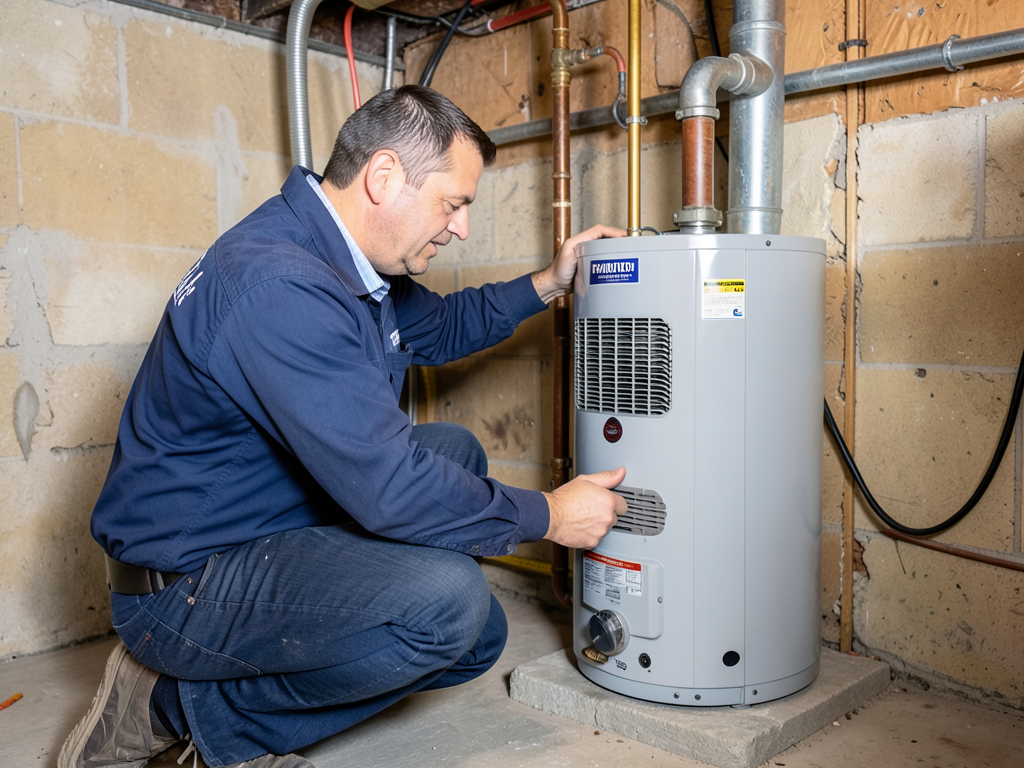
Your technician inspects all visible components, tests temperature and pressure relief valve operation, and checks for signs of leakage or corrosion. Gas units receive combustion analysis and flue inspection to ensure safe operation. Electric units undergo heating element testing and thermostat calibration. This baseline assessment identifies immediate concerns and establishes your maintenance priorities based on equipment age and condition.
02

Tank Flushing and Component Service

The technician drains the tank completely, removing sediment that accumulates from Pittsburgh's hard water. Anode rod condition is evaluated and replaced if depleted beyond 50 percent. For gas models, the burner assembly is cleaned and adjusted for optimal combustion. Electric models receive heating element descaling if buildup is present. Temperature settings are verified and adjusted if needed to balance efficiency with household demand and scald prevention.
03

Documentation and Planning

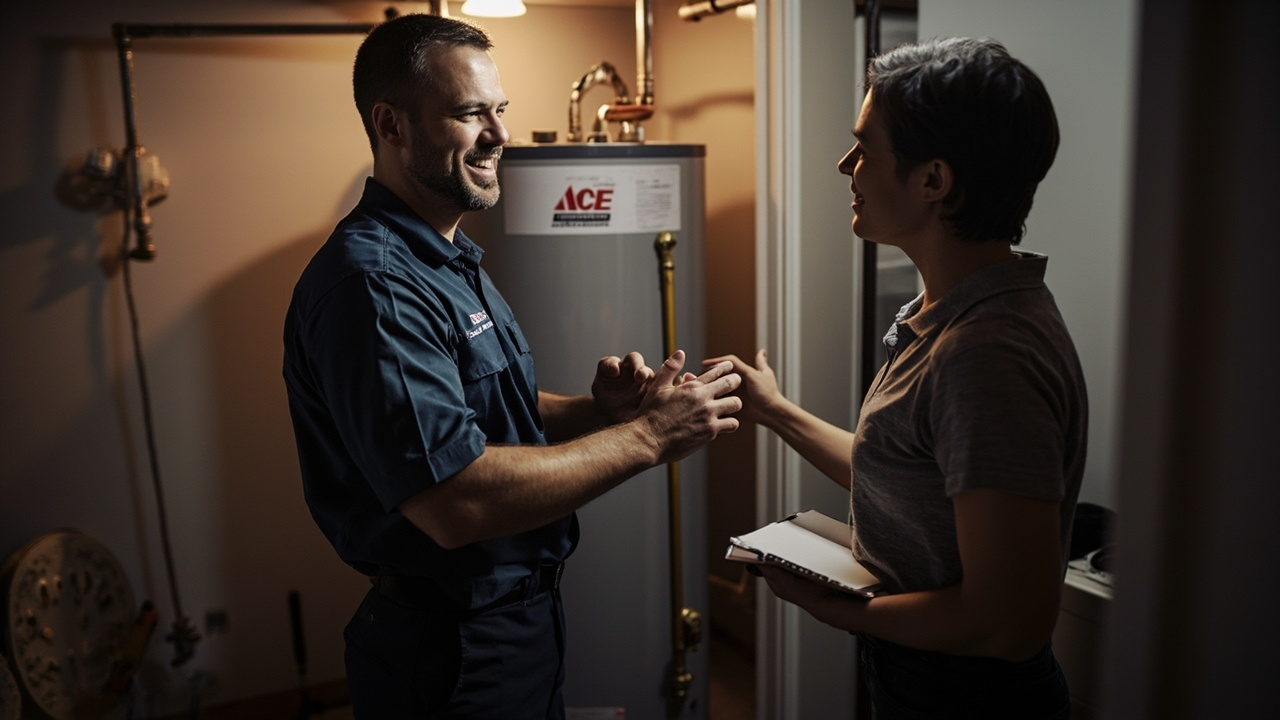
You receive a detailed service report documenting all work performed, component conditions, and recommended timeline for future maintenance or replacement. Your technician explains findings in plain language and answers questions about extending system life or improving performance. This documentation becomes part of your home maintenance record and helps you plan for eventual replacement before emergency failure forces rushed decisions during peak demand seasons.

Why Pittsburgh Homeowners Trust Local Expertise

Water heater maintenance requires understanding local conditions, not just following generic checklists. Ace Plumbing Pittsburgh has serviced thousands of systems throughout Allegheny County, from century-old homes in Polish Hill to newer construction in Cranberry Township. This experience matters when your technician encounters the quirks common to Pittsburgh installations, like undersized expansion tanks on closed systems or makeshift venting on converted coal boiler rooms.

Pittsburgh's housing stock presents unique challenges. Many homes built before 1960 have galvanized supply lines that introduce additional sediment and corrosion factors. Row houses in neighborhoods like Lawrenceville often share party walls with limited access to water heater installations. Split-level designs common to South Hills suburbs create venting complications for replacement units. A technician familiar with these regional construction patterns saves time and prevents errors that generic service providers might miss.

Local building code knowledge matters for compliance and safety. Allegheny County has specific requirements for earthquake strapping, expansion tank installation, and combustion air supply that differ from surrounding counties. When maintenance reveals the need for upgrades or replacement, local expertise ensures work meets current code without unnecessary expense or failed inspections.

Water chemistry varies even within the Pittsburgh metro area. Moon Township water differs from Penn Hills water, which differs from systems supplied by the Pittsburgh Water and Sewer Authority. A local provider understands these variations and adjusts maintenance recommendations accordingly. Your anode rod replacement interval depends partly on your specific water supply, not a generic national average.

Choosing local means your service provider has a reputation to protect in the community. You can verify their work through neighbors and local references, not anonymous internet reviews. When problems arise, local accountability matters more than a national franchise headquarters three states away.

What to Expect From Professional Service

Service Timing and Scheduling

Annual maintenance appointments typically require 60 to 90 minutes for thorough service. Schedule during moderate weather when a brief service interruption causes minimal inconvenience. Spring and fall are ideal because you avoid both peak heating season and summer vacation schedules when you need maximum hot water capacity. Same-day appointments are available for urgent concerns like temperature fluctuations or unusual noises. Emergency diagnostic visits can identify whether you need immediate repair or can wait for scheduled maintenance. Flexible scheduling accommodates work schedules, with early morning and weekend slots available.

Initial Evaluation Process

Your technician begins with questions about hot water performance, recent changes in efficiency, and any unusual sounds or smells. This conversation often reveals intermittent problems that diagnostic testing can confirm. Visual inspection covers all accessible components, connections, and surrounding area for signs of past or present leakage. Water draw-down testing evaluates recovery time and temperature consistency. For gas units, combustion analysis measures efficiency and identifies venting problems. Tankless systems receive different evaluation focused on heat exchanger condition and flow sensor accuracy. This comprehensive assessment takes 20 to 30 minutes and provides the information needed for informed maintenance decisions.

Service Quality and Results

Proper maintenance delivers immediate improvements in recovery time and temperature consistency. Sediment removal often reduces the rumbling or popping sounds caused by steam bubbles forcing through accumulated deposits. Energy efficiency improves when heating elements or burners no longer fight through an insulating layer of scale. Most customers notice these improvements within the first day after service. Long-term benefits include extended equipment life and reduced emergency repair probability. A well-maintained tank-style water heater serving a Pittsburgh home should reach or exceed its expected 10-year service life. Deferred maintenance often results in failure at 6 to 8 years, forcing replacement costs years earlier than necessary.

Ongoing Care and Recommendations

Your service report includes specific recommendations for your system and household usage patterns. High-use households may benefit from six-month mini-flushes between annual service appointments. Homes with particularly hard water might need more frequent anode inspection. You receive a reminder notice before your next recommended service date, eliminating the need to track maintenance schedules yourself. Between service appointments, simple monthly checks of the temperature and pressure relief valve discharge pipe alert you to developing problems before they become urgent. Your technician explains these checks during service and answers questions about normal versus concerning observations.

Frequently Asked Questions

You Have Questions,
We Have Answers

What maintenance needs to be done on a water heater? +

Water heaters need three main tasks: flush the tank yearly to remove sediment buildup, test the pressure relief valve to prevent dangerous pressure spikes, and inspect the anode rod every three years. Pittsburgh's hard water accelerates sediment accumulation, making annual flushing critical. Check for leaks around connections and look for rust on the tank exterior. Gas models need burner inspection and venting checks. Electric models benefit from heating element testing. Set your thermostat to 120 degrees to prevent scalding and reduce energy costs. These simple tasks extend your unit's lifespan and maintain efficiency.

What happens if you don't flush your water heater? +

Skipping flushes allows mineral sediment to harden at the tank bottom, creating an insulating barrier that forces your heater to work harder. This wastes energy and spikes your utility bills. Pittsburgh's mineral-heavy water compounds this problem faster than in soft water areas. The sediment layer causes uneven heating, leading to hot spots that crack tank glass linings. You'll hear popping or rumbling sounds as water bubbles through the sediment crust. Corrosion accelerates once the protective lining fails. The result is premature tank failure, leaks, and potential water damage to your basement or utility room.

How often should I flush a water heater? +

Flush your water heater once per year as a baseline. Pittsburgh homes with hard water may need flushing every six to eight months. If you notice rumbling sounds, reduced hot water volume, or rusty water, flush immediately regardless of schedule. Homes with well water or older galvanized pipes need more frequent service due to higher sediment loads. Check your manufacturer's recommendations, but local water conditions matter more than generic guidelines. A quick drain valve test every few months helps you monitor sediment levels. Clear water means you're on track. Cloudy or gritty discharge signals overdue maintenance.

Can I do water heater maintenance myself? +

You can handle basic tasks like adjusting the thermostat, testing the pressure relief valve, and visual inspections for leaks or rust. Annual flushing is doable if you're comfortable with basic tools and follow safety steps. Turn off power or gas, shut the water supply, attach a garden hose to the drain valve, and flush until the water runs clear. That said, Pittsburgh's older housing stock often has corroded valves or hard-to-reach units. A stuck drain valve or damaged pressure relief valve turns a simple job into an emergency. Professional service catches early warning signs you might miss.

Can I flush my water heater myself? +

Yes, if your drain valve works properly and you follow safety protocols. Turn off the power or gas supply first. Shut off the cold water inlet valve. Attach a garden hose to the drain valve and run it to a floor drain or outside. Open the valve and let the tank empty. Open a hot water faucet upstairs to break the vacuum. Flush until sediment clears. Pittsburgh's aging infrastructure means drain valves often corrode shut or snap off when turned. If your unit is over five years old and never flushed, call a plumber. A broken valve floods your basement fast.

Should I flush a 7 year old water heater? +

Yes. A seven year old water heater holds years of accumulated sediment, especially in Pittsburgh where mineral content runs high. Flushing now can add years to its remaining lifespan. Older tanks have more fragile drain valves, so proceed carefully. If the valve hasn't been opened in years, it may break when turned. Run a test drain first by opening the valve slightly. If water flows freely, continue. If it's stuck or leaks around the stem, stop and call a professional. At seven years, you're past the halfway point of typical tank life. Proper maintenance now prevents premature replacement costs.

Do most people flush their water heaters? +

No. Most homeowners skip this task entirely until problems force action. National surveys show fewer than 20 percent of homeowners flush their water heaters regularly. This explains why tanks fail prematurely and efficiency drops over time. Pittsburgh's hard water makes this neglect costlier than in soft water regions. The sediment layer builds faster here, reducing capacity and efficiency within three to four years without maintenance. Rental properties and newer homeowners are least likely to flush tanks. The lack of immediate consequences creates a false sense that the task is optional. It's not.

Is flushing the same as draining? +

Flushing and draining serve different purposes. Draining empties the tank completely, which you do before repairs, replacement, or winterizing a vacant property. Flushing removes sediment while keeping some water in the tank, allowing you to rinse out minerals and debris through the drain valve. Flushing is routine maintenance. Draining is situational. For annual service, you flush by opening the drain valve, letting water and sediment flow out, then refilling to rinse. The goal is clear water at the drain, not an empty tank. Pittsburgh homes with sediment issues may need multiple flush cycles.

How much does it cost to flush a water heater? +

Prices vary based on tank size, accessibility, and condition. Expect costs between $100 and $200 for standard service in the Pittsburgh area. Factors include travel time, sediment severity, and whether the drain valve needs replacement. Older units with corroded valves cost more due to extra labor. Some plumbers include flushing as part of broader maintenance packages. DIY flushing costs only your time plus potential hose attachment fees. Professional service adds value through anode rod inspection, pressure relief valve testing, and leak detection. Catching a failing component early prevents thousand dollar emergency replacements and water damage.

How much does a plumber charge to flush it? +

Plumbers in Pittsburgh charge $100 to $200 for water heater flushing, depending on tank accessibility and condition. Basement units with clear access cost less than crawl space installations. If the drain valve is corroded or fails during service, replacement adds $50 to $100. Some companies offer annual maintenance contracts that include flushing, pressure testing, and inspections at reduced rates. Emergency or after-hours service costs more. Get quotes from licensed plumbers familiar with Pittsburgh's older housing stock and hard water challenges. Proper service includes anode rod inspection and safety checks, not just draining sediment. Quality work prevents future breakdowns.

How Pittsburgh Water Quality Affects Your Maintenance Schedule

Pittsburgh's water supply averages 120 to 180 parts per million of dissolved minerals, classifying it as moderately hard to hard depending on your specific location. The Allegheny, Monongahela, and Ohio rivers that supply our treatment plants carry calcium and magnesium that survives the treatment process. This mineral content accelerates sediment accumulation in water heaters compared to soft water regions. Homes in areas served by well water rather than municipal supply often face even harder water conditions. Your preventative water heater maintenance schedule must account for this reality. What works in a soft water region fails in Pittsburgh, where mineral deposits form constantly and aggressively attack tank components and heating elements.

Ace Plumbing Pittsburgh has maintained water heaters throughout the metro area since the company's founding, building expertise in local water chemistry and its effects on residential systems. This institutional knowledge informs every maintenance recommendation we make. We understand that a water heater in Fox Chapel faces different challenges than one in Mount Lebanon, even though they are only miles apart. Our technicians recognize the signs of premature anode depletion common to Pittsburgh systems and know when component replacement makes sense versus continued monitoring. Local expertise means your hot water tank maintenance reflects real-world conditions in your neighborhood, not generic advice from a national call center reading from a script.
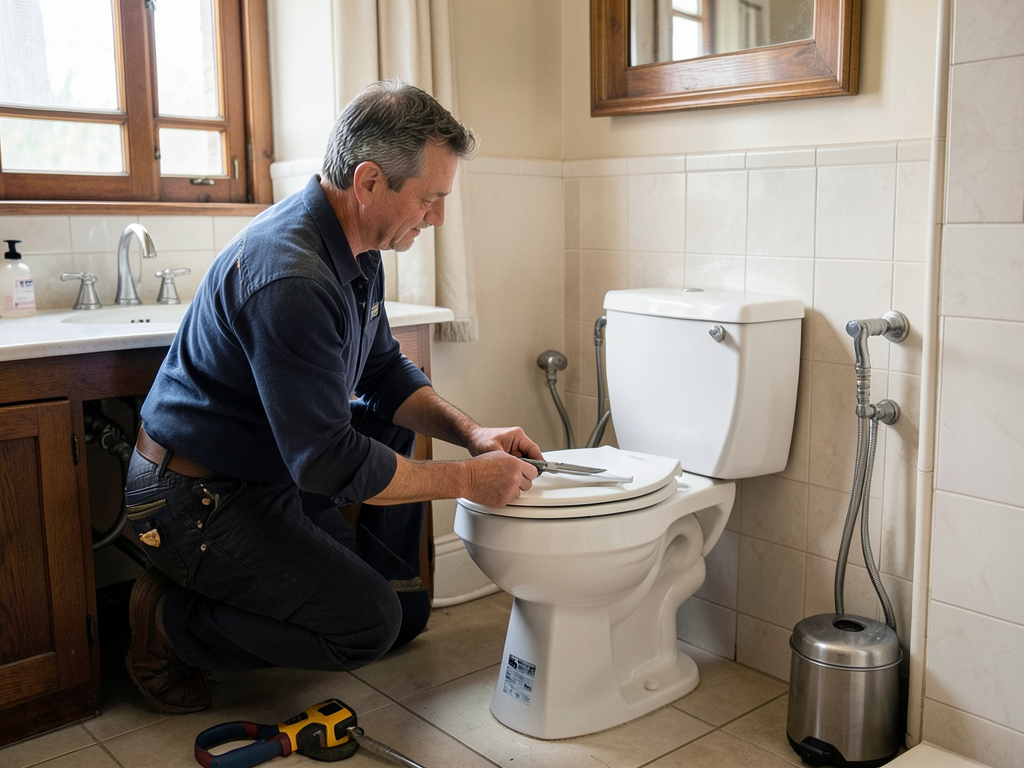
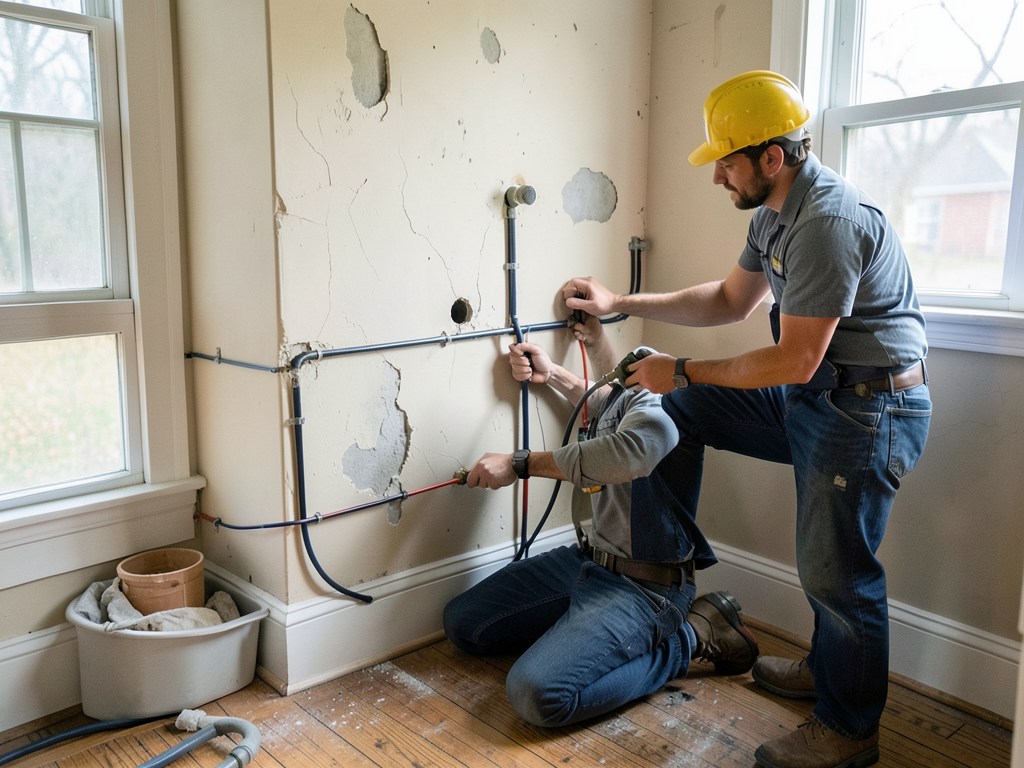
Plumbing Services in The Pittsburgh Area

We are proud to be the trusted plumbing partner for the entire Pittsburgh area and its surrounding communities. Our dedicated team is committed to providing prompt and efficient service wherever you are. To get a better sense of our service area and to get in touch with us for all your plumbing needs, please take a look at our location on the map below. We’re always here to help.

Address:
Ace Plumbing Pittsburgh, 1450 Fifth Ave, Pittsburgh, PA, 15219

Additional Services We Offer

Our news updates

Latest Articles & News from The Blogs

Why You Need a Plumbing Camera Inspection Before Buying That Mount Oliver Fixer Upper \n\n Buying a fixer upper in…

Why You Need a Plumbing Camera Inspection Before Buying That Mount Oliver Fixer Upper

Why You Need a Plumbing Camera Inspection Before Buying That Mount Oliver Fixer Upper \n\n Buying a fixer upper in…

Replacing Every Old Pipe in Your Swissvale Home Without the Stress

Replacing Every Old Pipe in Your Swissvale Home Without the Stress Swissvale homes built before 1970 often hide a ticking…

Reliable Ejector Pump Repair and Install for Robinson Township Basement Bathrooms

Expert Ejector Pump Repair in Robinson Township PA Basement bathrooms in Robinson Township homes often sit below the main sewer…

Contact Us

Do not wait for cold showers or flooded basements to force action. Call (412) 382-8366 now to schedule professional water heater service designed for Pittsburgh conditions, or contact us online to arrange your maintenance appointment at your convenience.