






Pittsburgh's dramatic elevation changes create distinct water pressure zones throughout the city. Facilities in low-lying areas near the rivers experience higher baseline pressure, while properties on Mount Washington and other elevated neighborhoods rely on booster stations. When these pressure zones fluctuate during main breaks or high-demand periods, the pressure differential across your backflow assembly changes. A device that tested satisfactorily under normal conditions may fail to protect during these pressure swings, allowing contaminated water to reverse through compromised check valves.
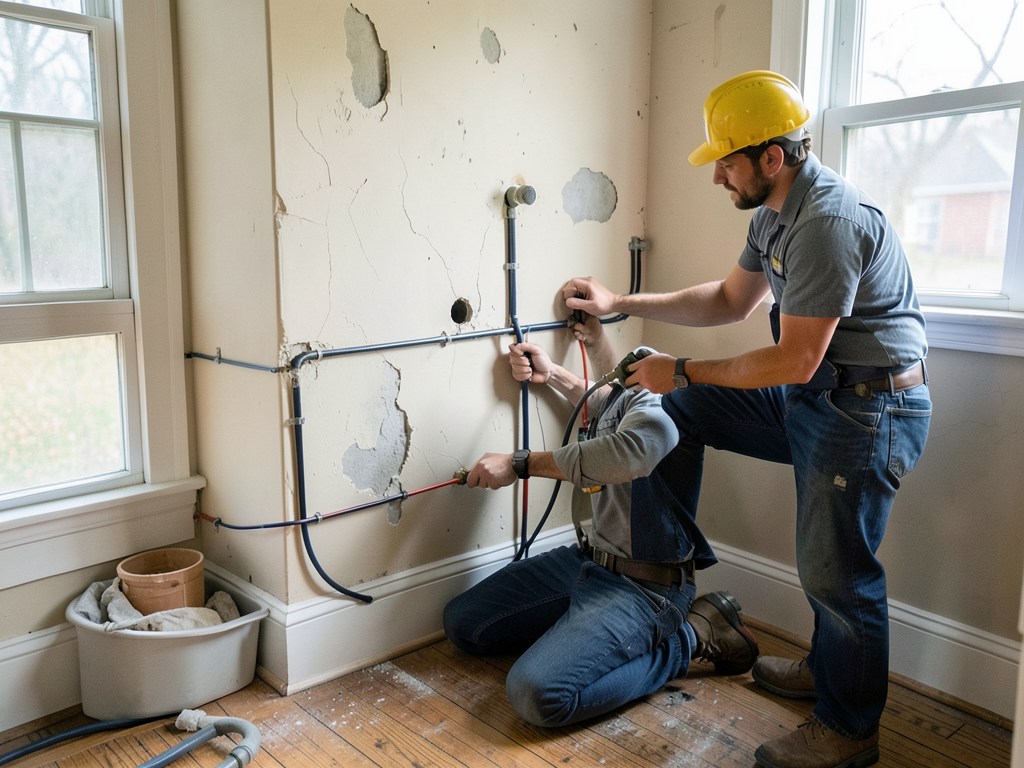
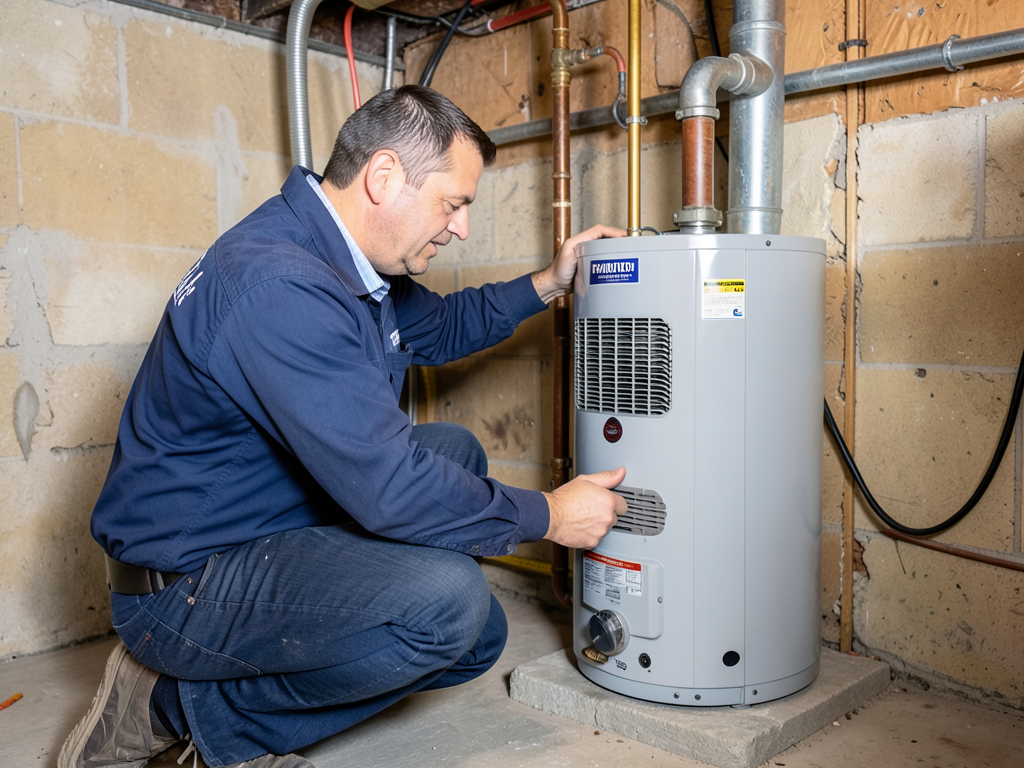
Pittsburgh's industrial history means many commercial buildings contain complex plumbing systems with undocumented cross-connections installed decades ago. The city's increased enforcement of cross-connection control requirements reflects growing awareness of contamination risks in older infrastructure. Working with local backflow testing professionals who understand Pittsburgh's building stock and water system characteristics ensures you identify all potential hazards. Our familiarity with common installation practices in different neighborhoods helps us spot problem areas that generic testing protocols might miss.