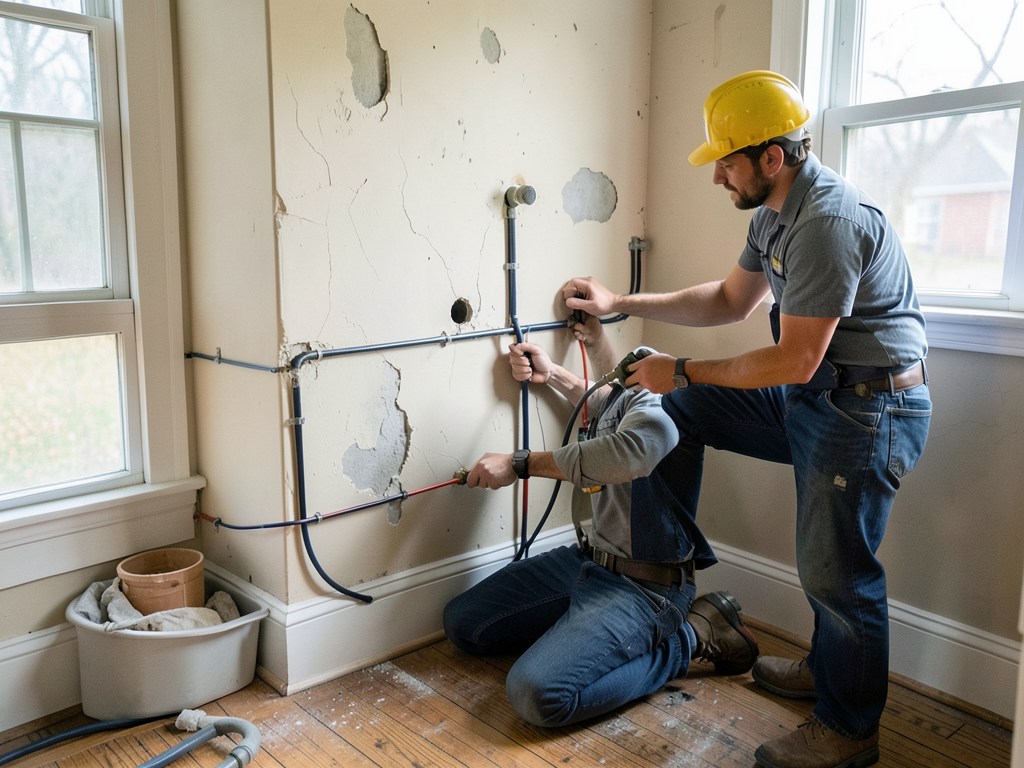





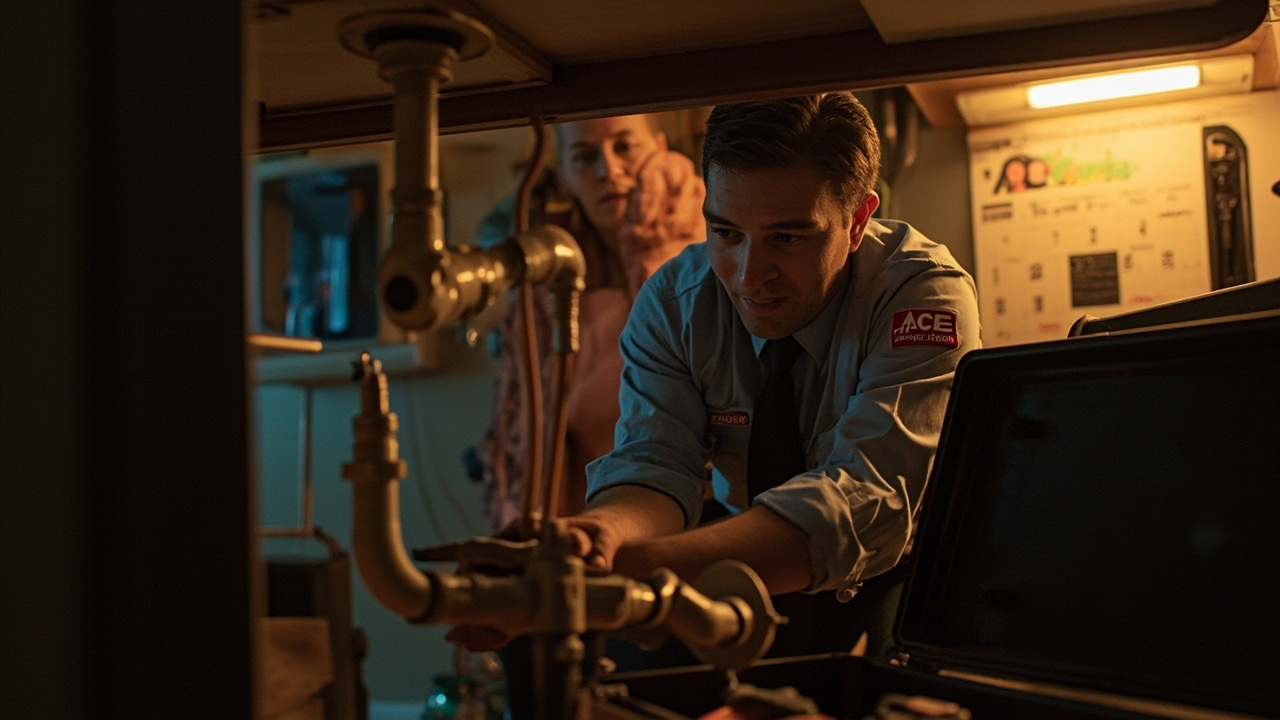


Pittsburgh's housing stock dates back more than a century in many neighborhoods, which means plumbing systems that were state-of-the-art in 1920 are now failing under modern usage demands. Cast iron drain lines corrode from hydrogen sulfide gas produced by bacteria in your drains. Galvanized supply pipes develop rust buildup that restricts flow and eventually leaks. Clay sewer laterals crack as tree roots invade joints looking for water. These failures happen without warning, often during weekends and holidays when increased water usage stresses already-compromised systems. The city's freeze-thaw cycles add stress, with temperatures that swing from below freezing to above 40 degrees in a single day, expanding and contracting pipes until fittings fail.
Pittsburgh's hilly terrain and three-river geography create unique plumbing challenges that require local expertise. Properties built on slopes deal with gravity drainage issues that flat-terrain plumbers might miss. Homes near the rivers face high water tables that cause sump pump failures, especially during spring flooding. The Pittsburgh Water and Sewer Authority maintains specific requirements for backflow prevention and sewer lateral repairs that out-of-area plumbers might not know. When you need emergency after hours plumbing, you need someone who understands how Pittsburgh's infrastructure, geography, and building practices affect your home's plumbing system.