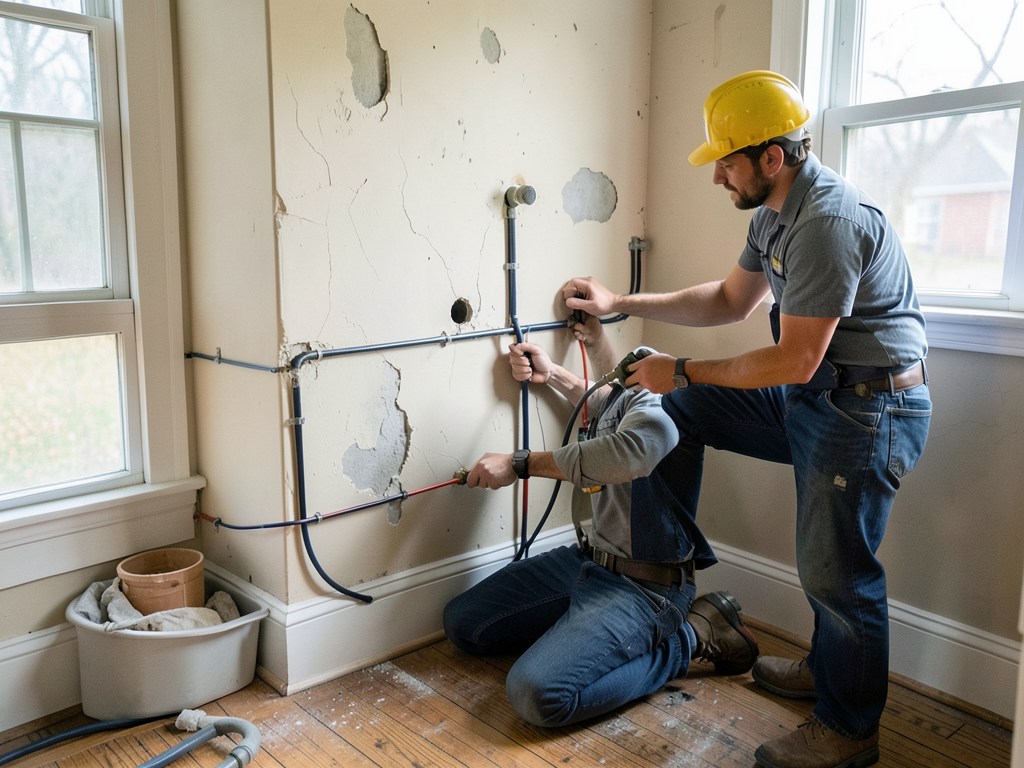







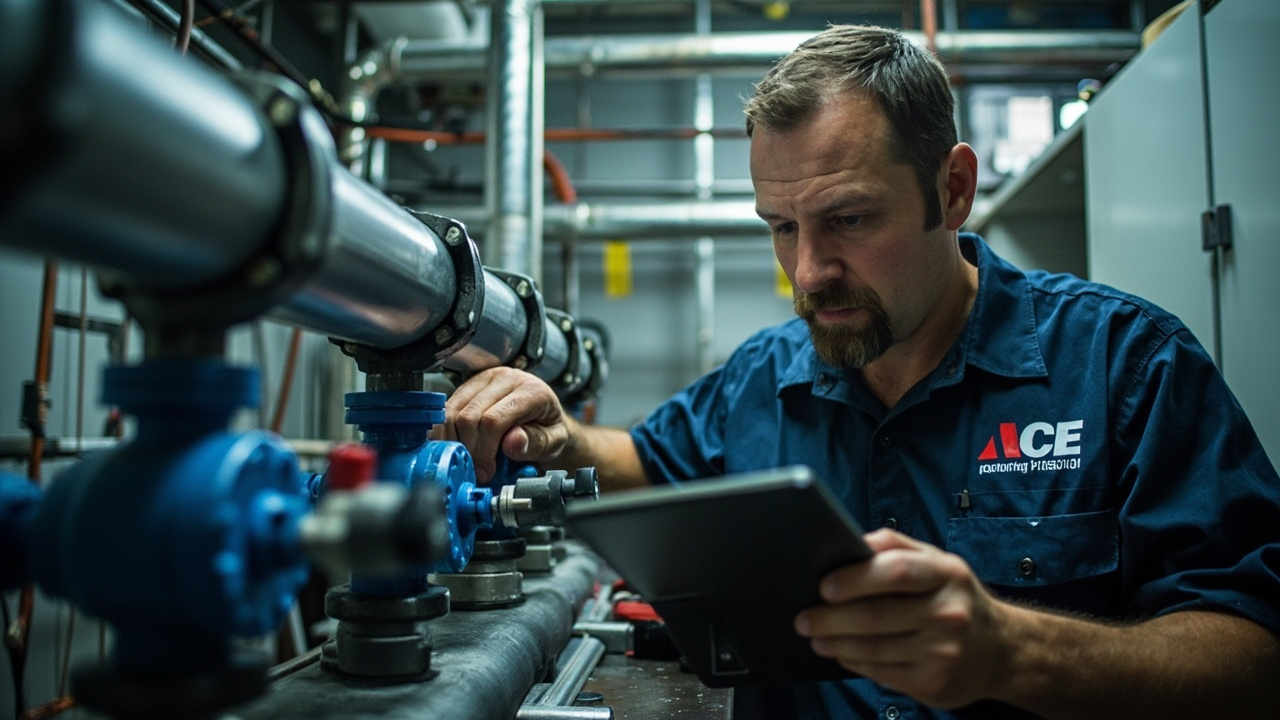
Pittsburgh's water supply contains high levels of calcium and magnesium that create scale buildup inside pipes, water heaters, and fixtures. This mineral accumulation reduces water flow, increases energy costs, and causes premature equipment failure. Commercial buildings with older copper or galvanized pipes experience pinhole leaks as scale combines with chlorine in the water supply. The city's freeze-thaw cycles worsen this degradation. Pipes that run through exterior walls or unheated spaces expand and contract throughout winter, stressing joints and weakening solder connections. Routine commercial plumbing inspections catch these issues before pipes burst during cold snaps, causing thousands in water damage and business interruption.
Pittsburgh commercial property owners also face strict compliance requirements from the Pittsburgh Water and Sewer Authority and Allegheny County Health Department. Backflow preventers must be tested annually by certified technicians. Grease traps in food service facilities require regular cleaning and documentation. Medical facilities must maintain specific water temperature controls and cross-connection prevention. Ace Plumbing Pittsburgh stays current on all local codes and PWSA regulations. We provide the testing, certification, and documentation you need to pass inspections and avoid violations. Our familiarity with Pittsburgh's aging commercial infrastructure also means we anticipate problems specific to older buildings in neighborhoods like the Strip District, Lawrenceville, and Downtown.