




Pittsburgh sits at the confluence of three rivers, which means high humidity and groundwater pressure that attacks underground pipes year-round. The freeze-thaw cycles between November and March cause water inside pipes to expand and contract, creating cracks and ruptures in older copper and galvanized systems. Many homes in Squirrel Hill, Shadyside, and Highland Park were built between 1890 and 1940 with outdated plumbing that needs constant attention.
The clay soil common throughout Allegheny County shifts and settles, putting pressure on sewer lines and causing backups. Pittsburgh's hills and elevation changes create water pressure problems that strain fixtures and connections. Homes in Mount Washington and Polish Hill deal with pressure issues that accelerate wear on pipes and valves.
The city's combined sewer system means heavy rain can overwhelm drains and cause basement flooding. Properties near the Monongahela, Allegheny, and Ohio rivers face additional risks during spring thaw. These local conditions demand plumbers who understand Pittsburgh's infrastructure, not just generic repair techniques.
Ace Plumbing Pittsburgh has responded to thousands of calls across Allegheny County, from midnight burst pipe emergencies in Lawrenceville to scheduled water heater replacements in Bethel Park. We answer our phones 24 hours a day because plumbing disasters do not wait for business hours. Our technicians live and work in Pittsburgh, so response times average under 45 minutes for most neighborhoods.
Every truck carries diagnostic equipment, replacement parts, and materials needed for common Pittsburgh plumbing problems. We stock pipe sections, fittings, water heaters, sump pumps, and backup systems because we know what fails in this climate. Our technicians do not make multiple trips or leave you waiting for parts orders.
We train specifically on Pittsburgh's older housing stock and understand the quirks of pre-war plumbing systems. Many homes still have original cast iron drain lines or galvanized supply pipes that require specialized knowledge to repair or replace. We work with the city's building codes and inspection requirements, handling permit applications and compliance documentation so you do not have to navigate bureaucracy during a crisis.
Our pricing is transparent before work begins. We provide written estimates, explain exactly what needs repair versus replacement, and never pressure you into unnecessary upgrades. Pittsburgh homeowners appreciate straight talk and fair pricing, which is why we get repeat calls and referrals throughout the region.

Real technicians answer calls at three in the morning, not answering services that take messages. We dispatch immediately and arrive equipped to stop water damage and restore service. Pittsburgh homeowners know they can reach us during holidays, weekends, and overnight emergencies without waiting until Monday morning.

Our vehicles carry replacement parts for most Pittsburgh plumbing repairs, from water heater elements to sewer line sections. We complete most jobs in a single visit because we anticipate what older homes need. No waiting days for parts delivery while your bathroom stays out of commission or water pools in your basement.
Pittsburgh's historic neighborhoods contain plumbing systems installed before modern codes existed. We work regularly with cast iron drains, galvanized pipes, and outdated fixtures that require specialized repair techniques. Our technicians understand how these older systems function and know when to repair versus replace based on remaining service life.
We know which neighborhoods have combined sewers, where water pressure runs high, and which areas face chronic basement flooding. This local knowledge helps us diagnose problems faster and recommend solutions that work for your specific location. We understand Pittsburgh's infrastructure because we work in it every single day.
Ace Plumbing Pittsburgh handles every aspect of residential and commercial plumbing, from stopping midnight leaks to planning whole-house repiping projects. Our service range covers emergency repairs that cannot wait, maintenance work that prevents future failures, and installation projects that upgrade your property's plumbing infrastructure.
We organize our services into three main categories based on urgency and scope. Emergency repairs address active problems causing damage or loss of essential service. Maintenance and repair services fix issues before they become emergencies and keep existing systems running properly. Installation and replacement projects upgrade outdated components or add new plumbing capacity to your property.
Pittsburgh's mix of old and new construction means we work on everything from Victorian-era homes with original plumbing to new commercial buildings requiring modern fixture installation. Our technicians carry certifications for residential service, commercial systems, and specialized equipment like backflow preventers and pressure regulation systems required by city code.
When water pours into your home or your only toilet stops working at midnight, you need immediate help. We dispatch technicians around the clock for burst pipe repairs, sewer backups, water heater failures, and fixture emergencies. Our trucks carry equipment to stop leaks, extract water, and restore basic service quickly. We understand that every minute counts when water is damaging your property, so we prioritize speed without sacrificing quality repairs that will last.
Regular maintenance prevents expensive emergency calls and extends the life of your plumbing system. We handle drain cleaning, water heater flushing, fixture repairs, leak detection, and pressure adjustments during scheduled appointments. Our technicians inspect your system during service calls and alert you to developing problems before they cause failures. Pittsburgh's hard water and seasonal temperature swings accelerate wear on plumbing components, making preventive maintenance essential for older homes.
Major plumbing projects require planning, permits, and skilled installation. We handle complete repiping, water heater replacement, fixture upgrades, sump pump installation, and bathroom remodels. Our team works with Pittsburgh's building inspection department to ensure all work meets current codes. We provide detailed estimates, explain your options for materials and equipment, and complete installations on schedule. Whether you are renovating a Lawrenceville row house or building out a commercial space in the Strip District, we have the experience to handle complex projects.
Pittsburgh's climate and aging infrastructure create predictable plumbing problems across the region. The combination of cold winters, humid summers, and old pipes means certain issues appear repeatedly in homes and businesses throughout Allegheny County.
Understanding these common problems helps property owners recognize warning signs before minor issues become expensive emergencies. Many Pittsburgh residents wait too long to call for service, turning a simple repair into extensive water damage or complete system replacement. The freeze-thaw cycles between December and March cause the majority of burst pipe calls we receive, while summer humidity accelerates corrosion in older metal pipes.
Properties built before 1960 face additional challenges from outdated materials and designs that no longer meet modern demands. Galvanized pipes corrode from the inside out, reducing water pressure and contaminating supply lines. Cast iron drain lines crack and collapse after decades of use. These age-related failures happen gradually, but they eventually require professional intervention.
Water expands when it freezes, creating pressure that splits copper and PVC pipes. Pittsburgh winters regularly drop below freezing, especially at night, causing pipes in exterior walls, crawl spaces, and unheated areas to rupture. One burst pipe can dump hundreds of gallons into your home within hours, destroying floors, walls, and belongings while you sleep or work.
Tree roots penetrate underground sewer lines through tiny cracks, growing into thick masses that trap waste and toilet paper. Pittsburgh's mature trees and clay soil create perfect conditions for root intrusion. Backed-up sewers send waste water into basement drains and toilets, creating health hazards and requiring immediate professional cleaning or line replacement.
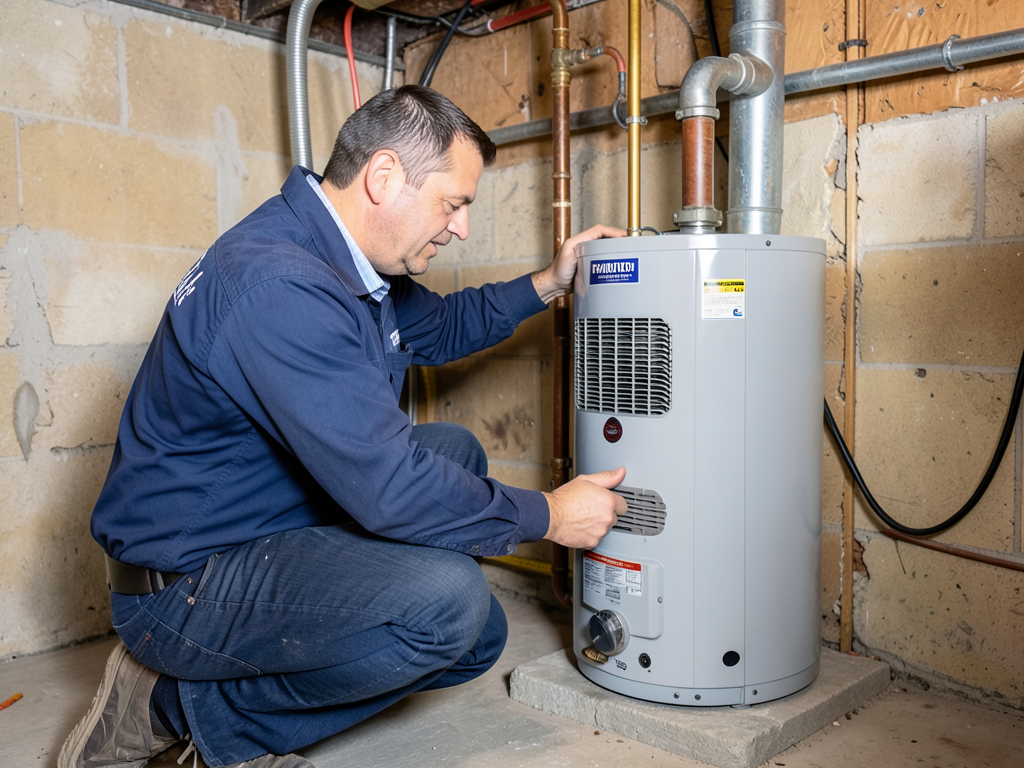
Tank water heaters last 8 to 12 years before sediment buildup and corrosion cause leaks or complete failure. Pittsburgh's hard water accelerates deterioration, shortening equipment life. Most failures happen without warning, leaving you without hot water for showers, laundry, and dishes. Leaking tanks can dump 40 to 80 gallons onto basement floors before you notice the problem.
Homes built before 1960 often contain galvanized steel supply pipes that corrode from the inside over decades. Rust buildup restricts water flow, causing low pressure at fixtures. Corroded pipes also contaminate drinking water with metal particles and eventually develop pinhole leaks. Complete repiping is the only permanent solution once corrosion becomes extensive throughout the system.
Professional plumbing service starts with clear communication and realistic expectations. When you call Ace Plumbing Pittsburgh, you talk directly to someone who understands plumbing problems and can dispatch help immediately. We ask specific questions about your situation to send the right technician with the right equipment.
Our goal is to solve your problem completely during the first visit whenever possible. Emergency calls receive priority dispatch, with technicians arriving within 45 minutes on average across most Pittsburgh neighborhoods. Scheduled appointments get confirmed windows, and we call ahead when the technician is on the way.
You will receive straightforward information about what is wrong, why it happened, and what it takes to fix it properly. We explain your options, provide written estimates before starting work, and never pressure you into services you do not need. Pittsburgh homeowners deserve honest answers and fair pricing, which is why we have built our reputation on transparency and quality work.
Real people answer our phones 24 hours a day, every day of the year. You will not reach an answering service or voicemail during emergencies. We gather information about your problem, provide an estimated arrival time, and dispatch immediately. Our technicians call when they are 15 minutes away so you know exactly when to expect them. We respect your time and your property, treating your home with the same care we would give our own.
Our technicians inspect the problem completely before recommending solutions. We explain what caused the issue, what needs repair or replacement, and provide written estimates for all options. You will understand exactly what you are paying for and why the work is necessary. We never start repairs without your approval, and we never add surprise charges after the fact. The price we quote is the price you pay unless you request additional work.
We fix problems correctly the first time using quality materials and proven techniques. Our work meets Pittsburgh building codes and passes inspection when permits are required. After completing repairs, we test everything to confirm proper function and clean up completely before leaving. You receive documentation of all work performed, including warranty information for parts and labor. We stand behind our repairs and return promptly if any issues arise after service.
Plumbing repairs do not need to be complicated or stressful. We have streamlined our process to get you from problem to solution as quickly and smoothly as possible.
Call (412) 382-8366 anytime, day or night. Explain what is happening with your plumbing, and we will ask a few questions to understand the situation. We dispatch a qualified technician immediately for emergencies or schedule a convenient appointment time for non-urgent issues. You will receive an estimated arrival time and a call when the technician is on the way to your property.
The technician inspects your plumbing problem thoroughly, identifies the root cause, and explains what needs to happen. You receive a written estimate for recommended repairs or replacements. We answer all your questions and discuss options if multiple solutions exist. Work begins only after you approve the estimate and pricing. You remain in control of all decisions about your property.
Our technician completes the repair using quality parts and proper techniques. After finishing, we test the system to verify everything works correctly. We clean up the work area completely and dispose of old parts. You receive documentation of all work performed, warranty information, and maintenance recommendations to prevent future problems. We do not consider the job done until you are completely satisfied.
Pittsburgh follows the International Plumbing Code with local amendments adopted by the city's Department of Permits, Licenses and Inspections. All plumbing work beyond basic fixture replacement requires permits and must pass inspection before being covered or put into service. These regulations protect property owners by ensuring installations meet safety and performance standards.
Water supply lines must withstand minimum working pressures of 80 PSI, though many Pittsburgh neighborhoods experience pressures exceeding 100 PSI due to elevation differences. High pressure accelerates wear on fixtures, valves, and appliances, making pressure regulation systems necessary in elevated areas like Mount Washington and Greenfield. We install pressure reducing valves rated for the specific conditions at your property.
Drain, waste, and vent systems must be sized according to fixture unit calculations based on the International Plumbing Code tables. Undersized drains cause slow drainage and frequent backups, while inadequate venting creates siphoning that pulls water from trap seals and allows sewer gas into living spaces. Pittsburgh's older homes often have drain systems designed for fewer fixtures than modern families use, requiring upgrades during renovation projects.
Backflow prevention is mandatory for properties with irrigation systems, commercial dishwashers, or any cross-connection where contaminated water could enter the public supply. The Pittsburgh Water and Sewer Authority requires annual testing of backflow devices by certified testers. We install approved devices and provide testing services to keep your property in compliance.
Material selection matters for longevity in Pittsburgh's climate and water conditions. We recommend PEX tubing for supply line replacements because it resists freeze damage better than rigid copper and costs less to install. For drain lines, we use Schedule 40 PVC for most applications, with ABS permitted in specific situations. Cast iron remains the best choice for vertical stacks in multi-story buildings where noise reduction is important.
Water heater replacement, repiping projects, bathroom additions, and sewer line work all require permits from the city's PLI department. We handle permit applications, coordinate inspections, and ensure all work meets code requirements. Unpermitted plumbing work can cause problems when selling your property or filing insurance claims after water damage.
Material costs, labor time, accessibility, and permit fees all factor into plumbing project pricing. Emergency calls cost more than scheduled work because of immediate dispatch and after-hours labor. Extensive water damage increases costs due to additional extraction and drying work. Older homes with outdated plumbing often require more time and specialized techniques than new construction.
Simple repairs like fixture replacement or drain cleaning take one to three hours. Water heater installation requires three to five hours including removal, installation, and cleanup. Complete repiping projects take multiple days depending on home size and accessibility. Sewer line replacement involves excavation and typically requires three to seven days from start to final inspection.
Quality plumbing contractors warranty their labor for at least one year and pass through manufacturer warranties on equipment and materials. Water heaters typically carry 6 to 12 year tank warranties depending on the model. We guarantee our workmanship and return promptly to address any issues that arise after installation. Written documentation protects both parties.
This video explains common plumbing problems in Pittsburgh and professional solutions. Topics include burst pipe repairs, sewer line issues, water heater replacement, and repiping projects. The video covers Pittsburgh-specific challenges from freeze-thaw damage, aging infrastructure, and local building codes. Viewers learn what to expect from professional plumbing service, how to identify serious problems, and when to call for emergency versus scheduled repairs.
Ace Plumbing Pittsburgh provides fast service throughout Allegheny County and surrounding areas. Our central location allows quick response times to neighborhoods across the city, from the North Side and North Hills to the South Hills and eastern suburbs.
We work regularly in Squirrel Hill, where older homes built between 1900 and 1940 contain original plumbing that requires specialized knowledge to repair and replace. The neighborhood's tree-lined streets and mature landscaping mean we frequently handle root intrusion problems in sewer lines. Shadyside and Point Breeze properties face similar challenges with aging infrastructure and require careful attention during renovation projects to preserve historic character while upgrading essential systems.
Lawrenceville has seen extensive renovation in recent years as young professionals restore row houses and convert commercial buildings to residential use. We handle the complex plumbing requirements these conversions demand, from adding bathrooms to multi-unit properties to upgrading water service for increased capacity. The neighborhood's mix of old and new construction keeps our technicians familiar with both historic plumbing systems and modern fixture installations.
Mount Washington's steep hillsides create unique water pressure challenges that require pressure regulation systems to protect fixtures and appliances. Properties at the top of the slopes experience higher pressure from the elevation difference, while homes at the bottom sometimes struggle with adequate flow. We install and maintain pressure reducing valves calibrated for each property's specific elevation and supply conditions.
The South Hills communities including Bethel Park, Mount Lebanon, and Dormont contain thousands of homes built in the post-war era with original plumbing now reaching end of service life. We complete numerous water heater replacements, sewer line repairs, and repiping projects throughout these neighborhoods. The area's stable residential character means we often work for the same families over many years, maintaining their plumbing systems through multiple generations.
Downtown Pittsburgh and the Strip District present different challenges with commercial properties, multi-story buildings, and specialized equipment. We service restaurants, office buildings, and retail spaces that require commercial-grade fixtures, grease traps, and backflow prevention devices. Our commercial experience extends throughout the central business district and into Oakland's institutional and medical facilities.
We also serve communities north of the city including Ross Township, Shaler, and McCandless, where newer construction mixes with established neighborhoods. These areas typically have more modern plumbing systems but still require emergency service for water heater failures, frozen pipes, and drain cleaning. Route 28 and the Pennsylvania Turnpike provide quick access for our service vehicles.
Pittsburgh's freeze-thaw cycles cause pipes to contract and expand repeatedly. This movement creates tiny cracks in older pipes and loosens pipe connections. Water pressure drops when leaks develop or when mineral deposits break free and clog aerators and fixtures. Check your faucet screens for debris first. Inspect exposed pipes in your basement for visible leaks or frost buildup. The temperature swings also affect water main pressure citywide. If neighbors experience similar issues, contact Pittsburgh Water and Sewer Authority. Otherwise, call a plumber to inspect your home's supply lines for damage.
Replacing galvanized pipes in Pittsburgh homes varies based on home size and pipe accessibility. A typical three-bedroom house requires replacing 100 to 200 feet of pipe. The work takes two to five days depending on your home's layout. Homes with finished basements or multiple stories take longer. You need permits from Pittsburgh's Department of Permits, Licenses and Inspections. The investment protects your home from leaks and improves water quality. Galvanized pipes corrode from the inside out, reducing water pressure and adding rust to your water. Most Pittsburgh homes built before 1960 have these pipes.
Yes, you need a permit from Pittsburgh's Department of Permits, Licenses and Inspections for water heater installation. The permit ensures your installation meets Pennsylvania plumbing code requirements. This includes proper venting, gas connections, temperature and pressure relief valves, and earthquake straps where required. Your plumber typically handles the permit application and inspection scheduling. The inspection protects you from safety hazards like carbon monoxide leaks or scalding water. Installation without a permit risks fines and complications when selling your home. Some home insurance policies require permitted work for coverage.
Pittsburgh's freeze-thaw cycles cause pipes to contract and expand repeatedly. This movement creates tiny cracks in older pipes and loosens pipe connections. Water pressure drops when leaks develop or when mineral deposits break free and clog aerators and fixtures. Check your faucet screens for debris first. Inspect exposed pipes in your basement for visible leaks or frost buildup. The temperature swings also affect water main pressure citywide. If neighbors experience similar issues, contact Pittsburgh Water and Sewer Authority. Otherwise, call a plumber to inspect your home's supply lines for damage.
Replacing galvanized pipes in Pittsburgh homes varies based on home size and pipe accessibility. A typical three-bedroom house requires replacing 100 to 200 feet of pipe. The work takes two to five days depending on your home's layout. Homes with finished basements or multiple stories take longer. You need permits from Pittsburgh's Department of Permits, Licenses and Inspections. The investment protects your home from leaks and improves water quality. Galvanized pipes corrode from the inside out, reducing water pressure and adding rust to your water. Most Pittsburgh homes built before 1960 have these pipes.
Yes, you need a permit from Pittsburgh's Department of Permits, Licenses and Inspections for water heater installation. The permit ensures your installation meets Pennsylvania plumbing code requirements. This includes proper venting, gas connections, temperature and pressure relief valves, and earthquake straps where required. Your plumber typically handles the permit application and inspection scheduling. The inspection protects you from safety hazards like carbon monoxide leaks or scalding water. Installation without a permit risks fines and complications when selling your home. Some home insurance policies require permitted work for coverage.
Pittsburgh's combined sewer system carries both stormwater and sewage in the same pipes. During heavy rain or rapid snowmelt, the system overflows. This sends raw sewage into streets and basements. Older neighborhoods in the North Side, South Side, and Strip District face the highest risk. Tree roots infiltrate aging clay pipes and trap debris. Collapsed pipes reduce flow capacity. Grease buildup narrows pipes over time. Keep your lateral clear by avoiding flushing wipes and grease. Install a backwater valve to prevent sewage from entering your home during overflow events.
Insulate exposed pipes with foam sleeves or heat tape in unheated basement areas. Focus on pipes along exterior walls and near foundation cracks. Keep your basement temperature above 55 degrees during winter. Open cabinet doors under sinks to let warm air circulate around pipes. Seal foundation cracks and window gaps where cold air enters. Let faucets drip slightly during extreme cold spells to keep water moving. Disconnect and drain outdoor hoses before first frost. Shut off interior valves to outdoor spigots and drain the lines. These steps prevent expensive burst pipe repairs.
Sulfur smell comes from hydrogen sulfide gas in your water supply or drains. Some Pittsburgh neighborhoods draw water from sources with sulfur-reducing bacteria. The smell intensifies when water sits in your hot water heater. Run cold water first to identify if the smell comes from your heater or the supply line. Bacteria in rarely used drains produce the same smell. Pour water down basement floor drains monthly to keep traps full. Replace your water heater anode rod with an aluminum-zinc rod to reduce bacteria growth. Contact Pittsburgh Water and Sewer Authority if neighbors report similar issues.
Water line replacement in Pittsburgh takes one to three days for most residential properties. Your plumber must excavate from the main to your home's foundation. Depth and distance affect timeline. Lines running under driveways or mature trees take longer. Weather delays excavation during winter or heavy rain. The plumber coordinates a water shut-off with Pittsburgh Water and Sewer Authority. You'll have water off for four to eight hours during connection work. Trenchless methods reduce excavation and complete faster. Restoration includes filling trenches and reseeding grass. Schedule inspections before backfilling trenches.
Plumbers handle installation, repair, and replacement of water supply lines, fixtures, water heaters, and gas lines. They hold state licenses requiring extensive training and testing. Drain cleaning services focus on clearing clogs using snakes and hydro-jetting equipment. Some operate without plumbing licenses. When you need diagnosis of plumbing problems or permanent repairs, hire a licensed plumber. For simple clogs in sinks or toilets, drain cleaning services work well. Sewer lateral issues require camera inspection and repair expertise that licensed plumbers provide. Choose professionals who explain the problem and solution before starting work.
Many Pittsburgh plumbing companies offer emergency service around the clock. Emergency calls include burst pipes, sewer backups, gas leaks, and water heater failures. Evening, weekend, and holiday service typically comes with higher rates than regular business hours. Not all plumbers work nights. Call ahead to confirm availability and response times. Keep contact information for your preferred plumber handy for emergencies. Some situations need immediate attention while others wait until morning. Gas leaks require immediate evacuation and calling emergency services. Ask about response time guarantees when choosing a plumber for your regular service needs.
Replace your sewer lateral when you experience frequent backups, slow drains throughout your home, or sewage odors in your yard. Camera inspection reveals cracks, root intrusion, or collapsed sections. Soggy spots or extra green grass patches in your yard indicate leaking sewage. Age matters for Pittsburgh homes. Clay pipe laterals installed before 1970 often need replacement. Multiple repairs over time cost more than full replacement. Bellied pipes where sections sag and collect waste require replacement. Minor cracks and root intrusion qualify for spot repairs. Get camera inspection before deciding between repair and replacement.
Pittsburgh's combined sewer system carries both stormwater and sewage in the same pipes. During heavy rain or rapid snowmelt, the system overflows. This sends raw sewage into streets and basements. Older neighborhoods in the North Side, South Side, and Strip District face the highest risk. Tree roots infiltrate aging clay pipes and trap debris. Collapsed pipes reduce flow capacity. Grease buildup narrows pipes over time. Keep your lateral clear by avoiding flushing wipes and grease. Install a backwater valve to prevent sewage from entering your home during overflow events.
Insulate exposed pipes with foam sleeves or heat tape in unheated basement areas. Focus on pipes along exterior walls and near foundation cracks. Keep your basement temperature above 55 degrees during winter. Open cabinet doors under sinks to let warm air circulate around pipes. Seal foundation cracks and window gaps where cold air enters. Let faucets drip slightly during extreme cold spells to keep water moving. Disconnect and drain outdoor hoses before first frost. Shut off interior valves to outdoor spigots and drain the lines. These steps prevent expensive burst pipe repairs.
Sulfur smell comes from hydrogen sulfide gas in your water supply or drains. Some Pittsburgh neighborhoods draw water from sources with sulfur-reducing bacteria. The smell intensifies when water sits in your hot water heater. Run cold water first to identify if the smell comes from your heater or the supply line. Bacteria in rarely used drains produce the same smell. Pour water down basement floor drains monthly to keep traps full. Replace your water heater anode rod with an aluminum-zinc rod to reduce bacteria growth. Contact Pittsburgh Water and Sewer Authority if neighbors report similar issues.
Water line replacement in Pittsburgh takes one to three days for most residential properties. Your plumber must excavate from the main to your home's foundation. Depth and distance affect timeline. Lines running under driveways or mature trees take longer. Weather delays excavation during winter or heavy rain. The plumber coordinates a water shut-off with Pittsburgh Water and Sewer Authority. You'll have water off for four to eight hours during connection work. Trenchless methods reduce excavation and complete faster. Restoration includes filling trenches and reseeding grass. Schedule inspections before backfilling trenches.
Plumbers handle installation, repair, and replacement of water supply lines, fixtures, water heaters, and gas lines. They hold state licenses requiring extensive training and testing. Drain cleaning services focus on clearing clogs using snakes and hydro-jetting equipment. Some operate without plumbing licenses. When you need diagnosis of plumbing problems or permanent repairs, hire a licensed plumber. For simple clogs in sinks or toilets, drain cleaning services work well. Sewer lateral issues require camera inspection and repair expertise that licensed plumbers provide. Choose professionals who explain the problem and solution before starting work.
Many Pittsburgh plumbing companies offer emergency service around the clock. Emergency calls include burst pipes, sewer backups, gas leaks, and water heater failures. Evening, weekend, and holiday service typically comes with higher rates than regular business hours. Not all plumbers work nights. Call ahead to confirm availability and response times. Keep contact information for your preferred plumber handy for emergencies. Some situations need immediate attention while others wait until morning. Gas leaks require immediate evacuation and calling emergency services. Ask about response time guarantees when choosing a plumber for your regular service needs.
Replace your sewer lateral when you experience frequent backups, slow drains throughout your home, or sewage odors in your yard. Camera inspection reveals cracks, root intrusion, or collapsed sections. Soggy spots or extra green grass patches in your yard indicate leaking sewage. Age matters for Pittsburgh homes. Clay pipe laterals installed before 1970 often need replacement. Multiple repairs over time cost more than full replacement. Bellied pipes where sections sag and collect waste require replacement. Minor cracks and root intrusion qualify for spot repairs. Get camera inspection before deciding between repair and replacement.
We are proud to be the trusted plumbing partner for the entire Pittsburgh area and its surrounding communities. Our dedicated team is committed to providing prompt and efficient service wherever you are. To get a better sense of our service area and to get in touch with us for all your plumbing needs, please take a look at our location on the map below. We’re always here to help.
Address:
Pittsburgh, PA, 15211
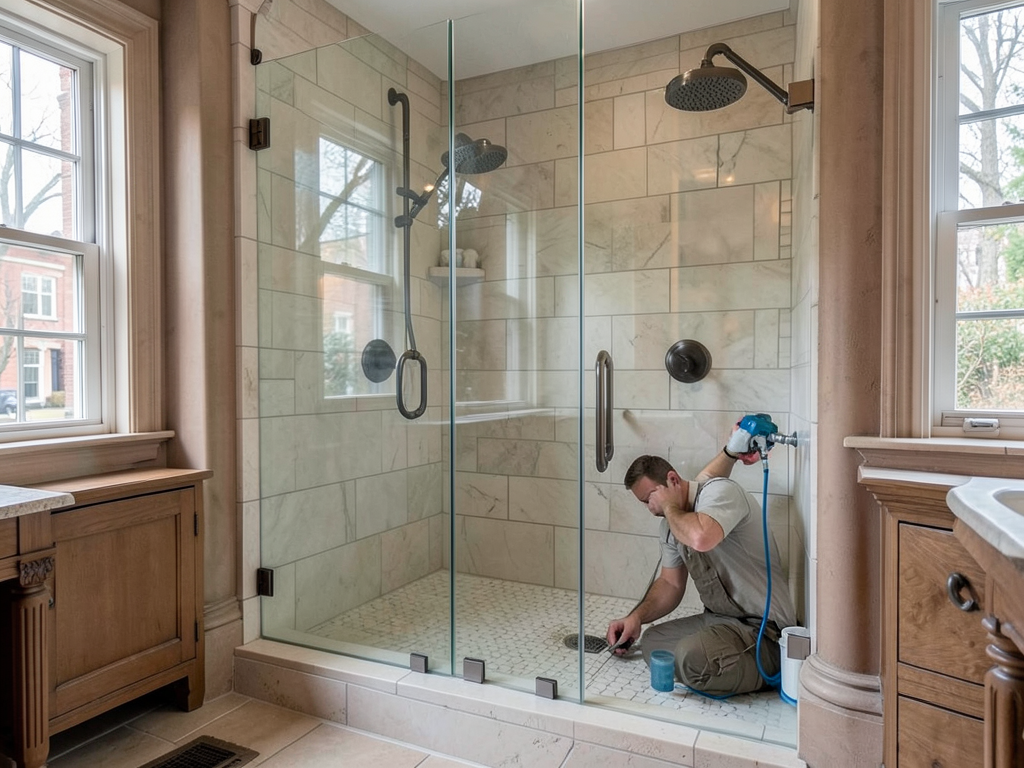
Walk-In Shower vs. Bathtub: The Shadyside Master Suite Decision Choosing between a walk-in shower and a traditional bathtub for your Shadyside master suite is more than just a style decision. It affects your daily comfort,…
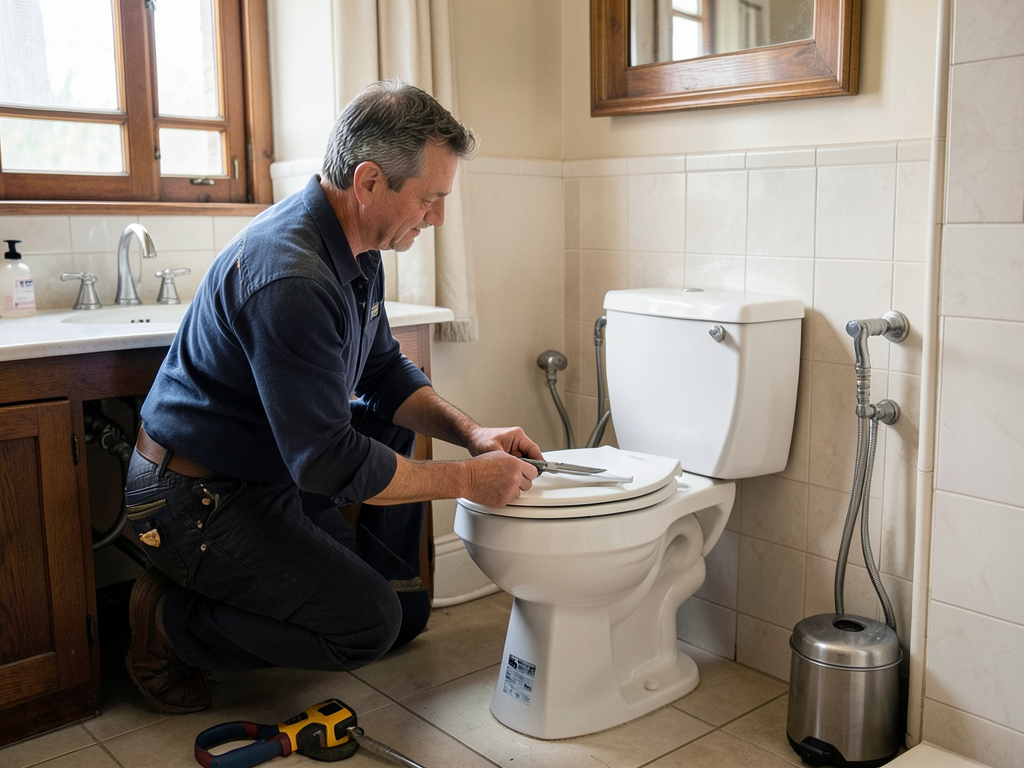
Comparing High Efficiency Toilets that Actually Flush Well for Your Point Breeze Home Living in…
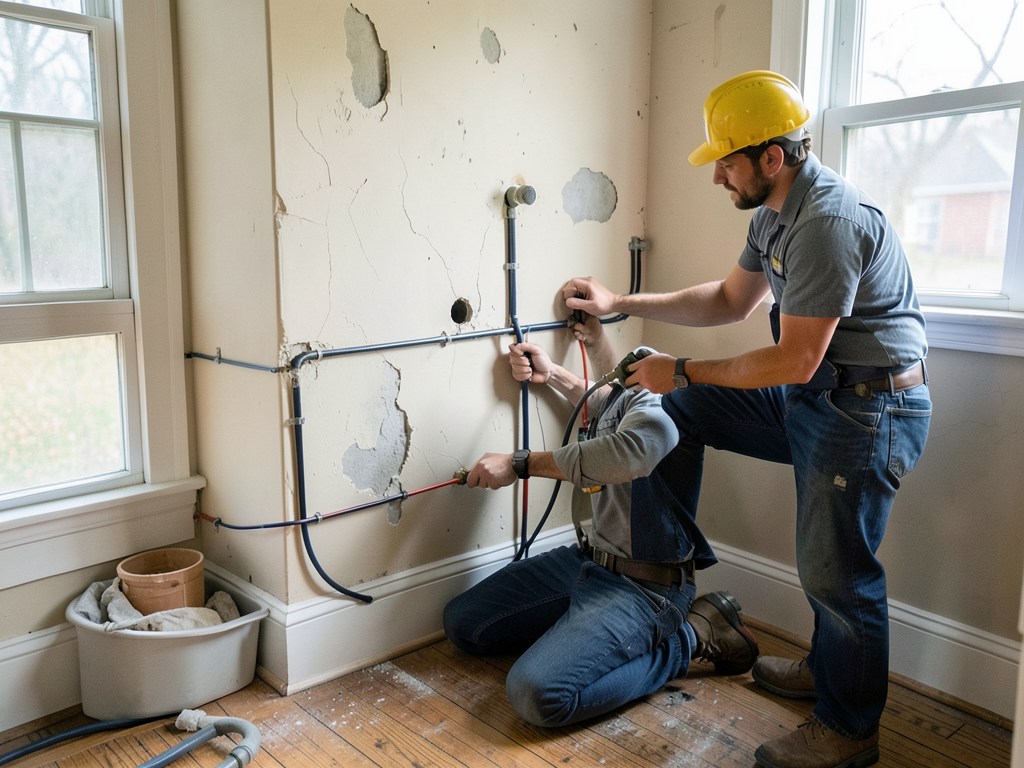
What it Actually Costs to Move Your Laundry Room from the Basement to the Second…
Why a Heat Pump Water Heater Might Be the Smartest Upgrade for Your Fox Chapel…
Do not let plumbing problems damage your property or disrupt your life. Ace Plumbing Pittsburgh responds 24/7 with experienced technicians ready to solve your problem. Call (412) 382-8366 now for immediate dispatch or to schedule convenient service.