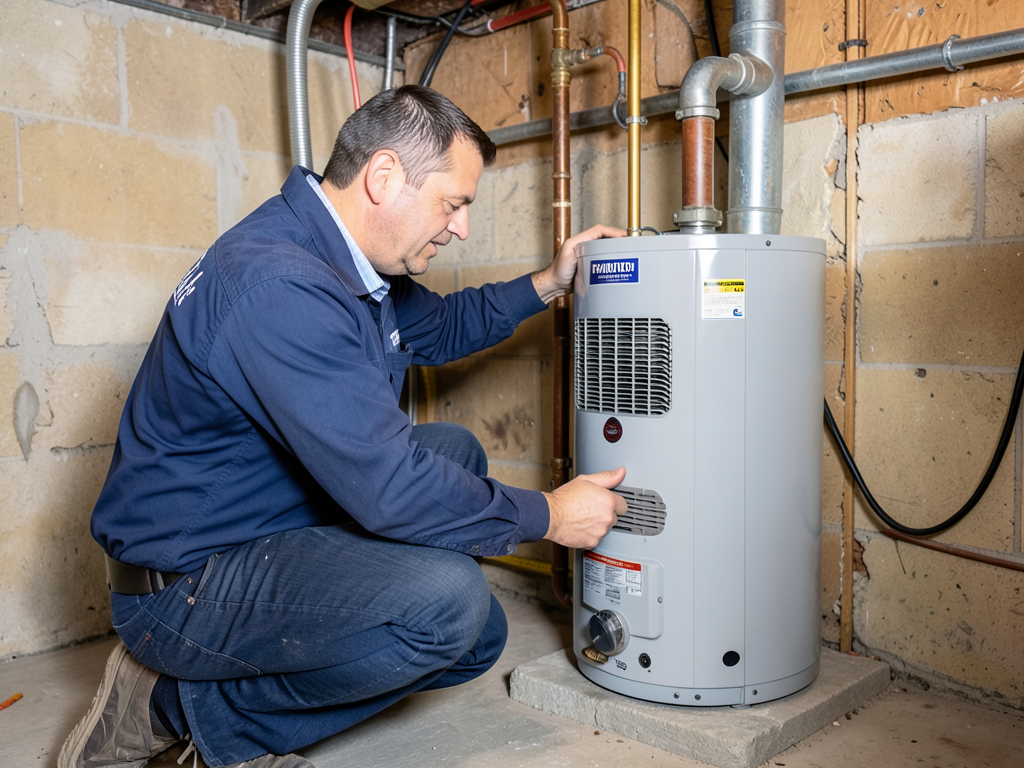







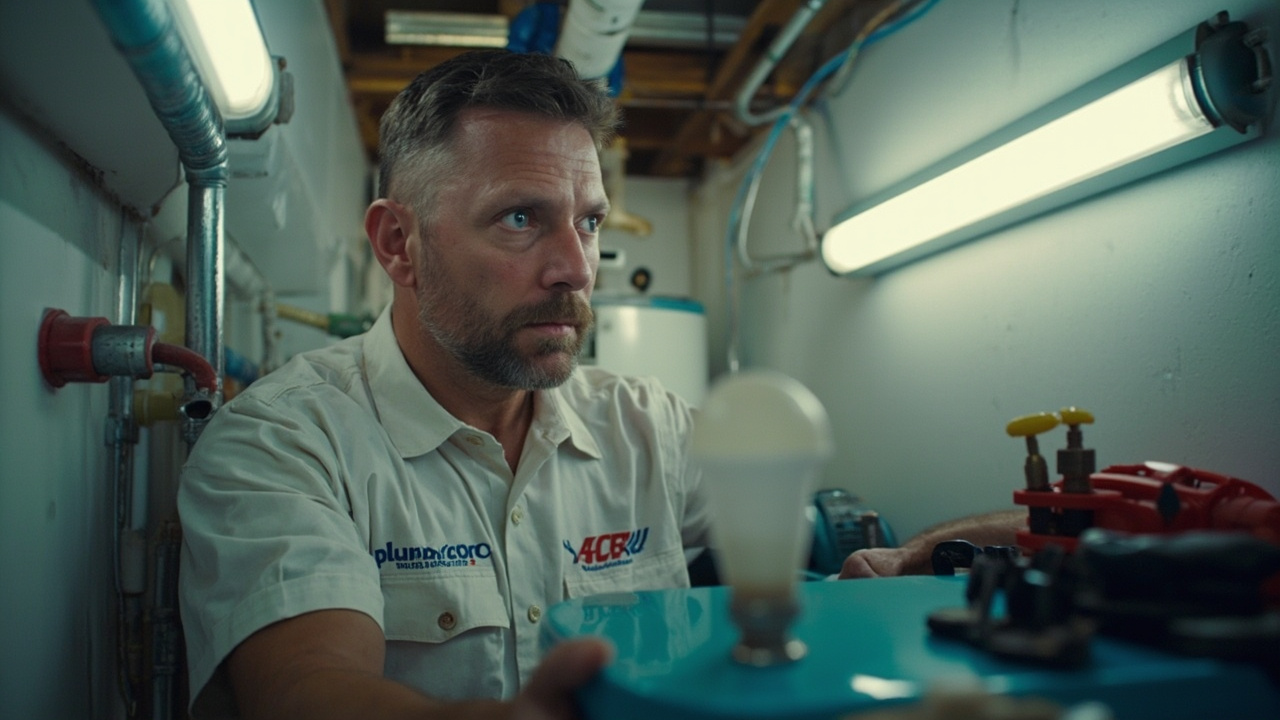
Pittsburgh's municipal water supply comes primarily from the Allegheny River, and while the treatment process removes contaminants, it does not eliminate dissolved minerals. Homes in the East End and North Side experience particularly high calcium and magnesium levels, which precipitate out as sediment inside water heater tanks. This sediment layer reduces heating efficiency, increases energy costs, and accelerates tank corrosion. A standard anode rod, which sacrifices itself to prevent rust, depletes faster in hard water environments. Most manufacturers assume a 12-year lifespan, but Pittsburgh water heaters often fail between 8 and 10 years without proactive maintenance like annual flushing and anode rod replacement.
We work with homeowners throughout Allegheny County, from older neighborhoods in Mount Washington to newer developments in Cranberry Township. Pittsburgh building inspectors enforce strict venting and combustion air requirements, especially in homes where the water heater shares a mechanical room with a furnace. A water heater installed without proper clearance or a code-compliant flue can fail inspection and create safety hazards. We stay current on local amendments to the IRC and work directly with city and county inspectors to ensure every installation passes the first time. When you choose a local plumber who understands Pittsburgh's specific codes and conditions, you avoid costly callbacks and ensure your home stays safe and compliant.