




Menu

Water Stains on Ceiling or Walls in Pittsburgh | Expert Diagnosis Stops Hidden Damage Before It Spreads

Brown spots on your ceiling or walls signal active plumbing problems that worsen daily. Our diagnostic approach identifies the exact source, maps concealed damage in Pittsburgh's older housing stock, and repairs it right the first time.

Slider Image 1
Slider Image 2
Slider Image 3
Slider Image 4
Slider Image 5
Slider Image 7
Slider Image 8
Slider Image 9
Slider Image 10
Slider Image 11

Why Water Stains Appear in Pittsburgh Homes and What They Really Mean

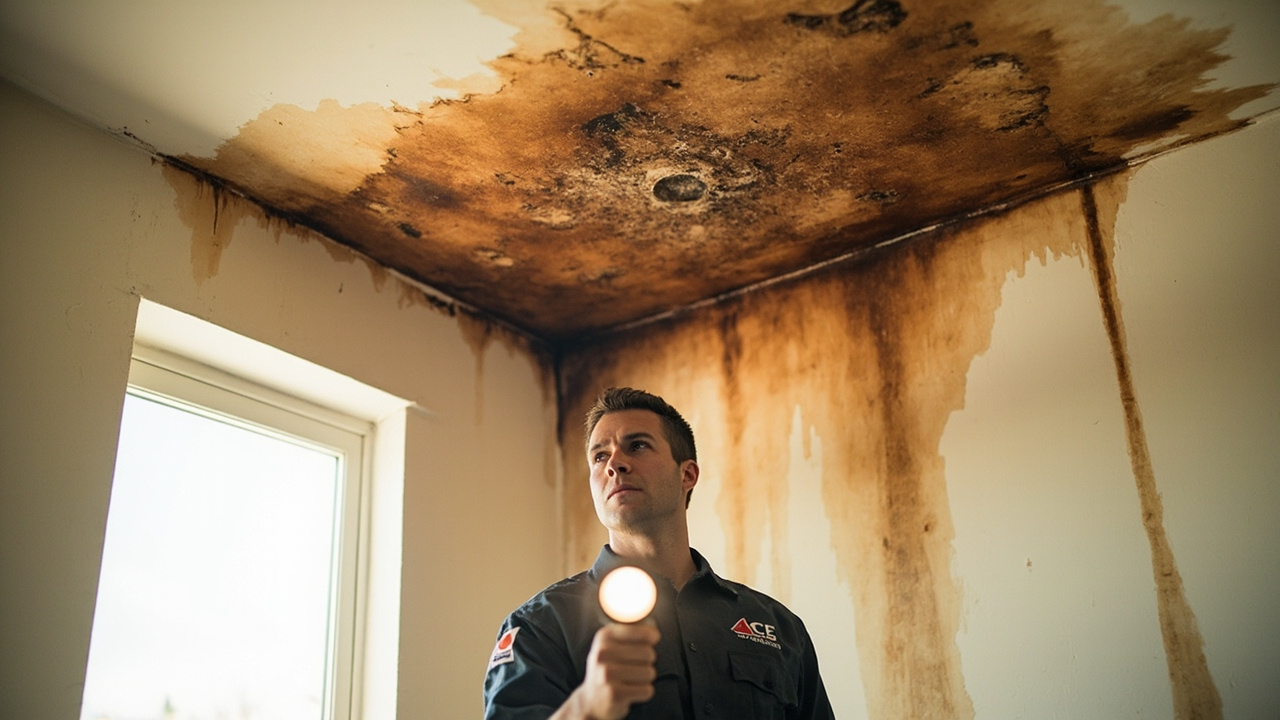
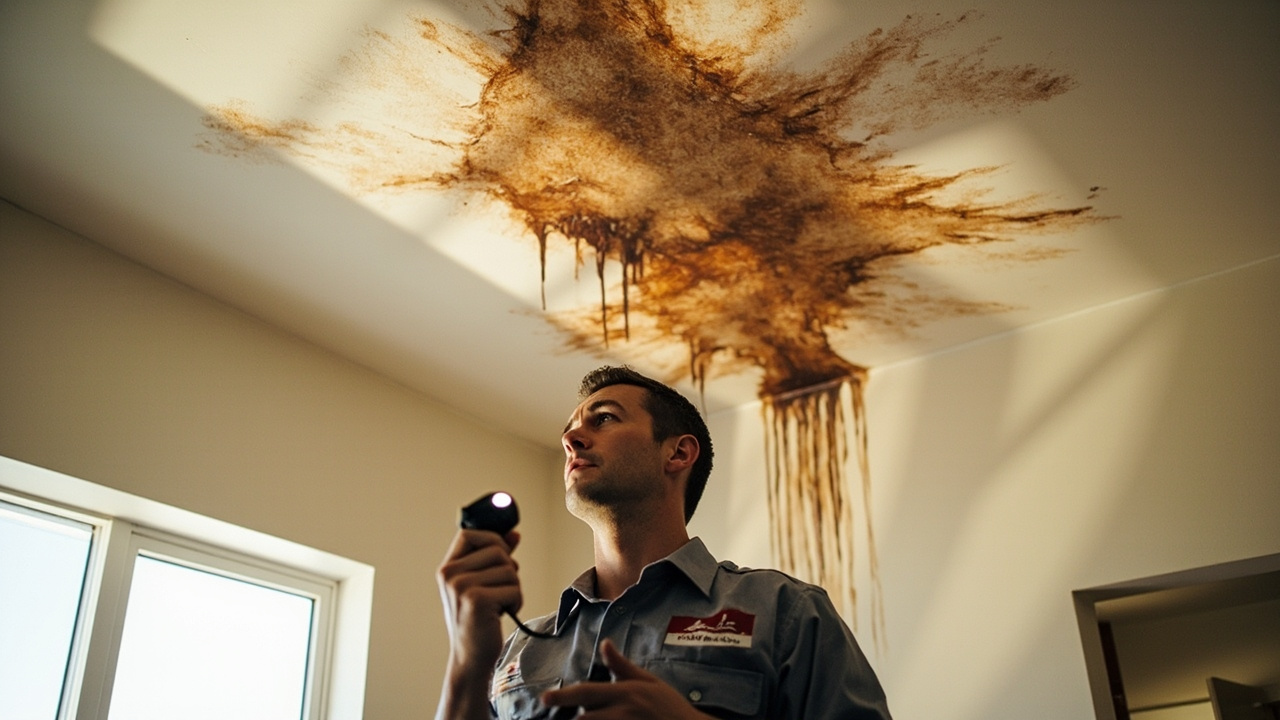
That yellow water mark spreading across your ceiling is not cosmetic. It is a symptom. Behind the drywall, water is migrating from a failed supply line, corroded waste pipe, or compromised fixture connection. In Pittsburgh's housing stock, much of it built before 1960, original galvanized steel piping corrodes from the inside out. You see the brown spots on ceiling surfaces only after saturation reaches the visible layer.

Pittsburgh's freeze-thaw cycles accelerate this process. When temperatures drop below freezing, water inside aging pipes expands. Micro-cracks form. When it thaws, those cracks weep. Over months, this creates damp patches on walls that grow in radius. The ceiling discoloration from leak you notice today likely started weeks ago as a pinhole failure in a hidden section of pipe.

Moisture stains on drywall also appear from secondary sources. A poorly sealed shower pan on the second floor drips into the first-floor ceiling. A clogged condensate line from an HVAC unit overflows into wall cavities. A toilet wax ring hardens and fails. Each scenario produces the same visual result but requires a different repair strategy.

The biggest mistake homeowners make is repainting over yellow water marks without addressing the source. Paint does not stop water. It traps moisture behind a cosmetic fix, accelerating mold colonization and structural wood rot. You need to identify the origin point, stop the water intrusion, dry the affected area, and verify no secondary damage exists before any cosmetic repair happens.

Pittsburgh's older neighborhoods, from Squirrel Hill to Lawrenceville, share common plumbing vulnerabilities. Cast iron stacks crack at joints. Copper pinhole leaks develop in soft water areas. PVC connections installed in the 1980s become brittle. Recognizing these patterns speeds diagnosis and prevents repeat failures.

Why Water Stains Appear in Pittsburgh Homes and What They Really Mean
How We Locate the Source and Map the Damage Path

How We Locate the Source and Map the Damage Path

Surface stains give clues, but they do not show the full story. Water follows gravity and structural pathways. A ceiling stain in your living room might originate from a bathroom two rooms away. We use a systematic elimination process combined with diagnostic tools to trace the path backward.

First, we correlate stain location with plumbing fixture positions on upper floors. We check directly above the stain for supply lines, drain stacks, and fixture connections. We test water pressure at nearby fixtures to identify pressure spikes that stress joints. We inspect accessible piping for corrosion patterns, mineral buildup, or flex in the pipe that suggests movement and joint stress.

Infrared thermal imaging detects temperature differentials caused by active leaks or residual moisture inside wall cavities. Wet drywall reads colder than dry drywall. This non-invasive scan maps moisture extent without opening walls unnecessarily. Moisture meters confirm saturation depth and help us determine if the leak is active or historical.

We open access points strategically. If a drain line is suspect, we remove the cleanout plug and run a camera scope to inspect the interior condition. Cracks, root intrusion, and bellied sections become visible. If a supply line is the culprit, we shut off sections systematically and monitor pressure gauges to isolate the compromised segment.

Once the source is confirmed, we assess collateral damage. Is the subfloor softened? Are ceiling joists showing surface mold? Is insulation saturated? This evaluation determines the scope of repair beyond just fixing the pipe. Skipping this step results in callbacks when hidden rot becomes a structural issue months later.

For Pittsburgh's multi-story homes, drain stack issues often present as stains on multiple floors. A crack at a horizontal drain connection on the second floor will leak down through the first-floor ceiling and potentially into the basement. Mapping this vertical path prevents misdiagnosis and wasted effort.

What Happens During a Water Stain Inspection and Repair

Water Stains on Ceiling or Walls in Pittsburgh | Expert Diagnosis Stops Hidden Damage Before It Spreads
01

Initial Assessment and Documentation

We photograph the visible staining, measure stain dimensions, and note texture changes in the affected drywall. You walk us through when you first noticed the discoloration and whether it has grown. We check for odors, softness in the ceiling material, and paint bubbling. This baseline documentation helps us monitor whether the leak is active or dormant during our investigation.
02

Diagnostic Testing and Source Isolation

We use thermal imaging to scan walls and ceilings for temperature anomalies that indicate moisture. Moisture meters confirm saturation levels inside drywall and framing. We pressurize supply lines and inspect drain lines with cameras where accessible. If the source is not immediately obvious, we may isolate sections of the plumbing system and monitor over a short period to pinpoint the failure point.
03

Repair and Drying Protocol

Once the leak source is identified, we repair or replace the failed component. This may involve cutting out a section of corroded pipe and installing new material or re-sealing a fixture connection. After the plumbing repair is complete, we verify the area is dry using moisture meters before closing walls. We document final moisture readings to confirm the space is safe for drywall repair and repainting by your contractor.

Why Pittsburgh Homeowners Call Us for Hidden Leak Diagnosis

Generic plumbers guess. They open a wall, replace a visible section of pipe, and hope the stain stops growing. Two months later, the stain reappears because the real problem was six feet away in an inaccessible chase. Diagnostic precision matters in Pittsburgh's layered housing construction, where plumbing routes are not always logical and original blueprints no longer exist.

We have repaired plumbing in Pittsburgh's brick rowhouses, post-war bungalows, and century-old Victorians. We know where builders cut corners in the 1950s. We know which neighborhoods have aggressive water chemistry that corrodes copper. We know the difference between a galvanized steel failure and a PEX connection pulled loose by house settling. This pattern recognition saves time and reduces demolition.

Our approach minimizes unnecessary wall opening. Thermal imaging and moisture mapping let us target the exact failure point. When we do open a wall, we inspect adjacent sections of piping for early-stage corrosion so you do not face a second leak three months later. This proactive inspection reduces repeat service calls and long-term costs.

We also coordinate with your insurance adjuster when necessary. Water damage claims require documentation of the loss cause, the extent of damage, and the scope of repair. We provide detailed reports with photos, moisture readings, and technical explanations that help adjusters process claims efficiently. Many Pittsburgh homeowners do not realize their policy covers sudden plumbing failures but not gradual seepage. Our documentation clarifies the timeline.

Pittsburgh's housing density means a leak in your home can affect your neighbor if you share a wall or live in a duplex. We assess whether water has migrated beyond your property line and communicate findings clearly so you can address liability concerns before they become disputes.

You want the problem fixed once. That requires diagnostic accuracy, not trial and error. We trace the water to its origin, repair the failure, and verify the structure is dry before cosmetic work begins.

What You Can Expect When You Call About Ceiling or Wall Stains

Response Time and Scheduling

We prioritize active leaks. If your ceiling is dripping or the stain is expanding rapidly, we treat it as an emergency and dispatch the same day when possible. For older stains that appear stable, we typically schedule within 24 to 48 hours. During the scheduling call, we ask questions about stain size, location, and when you first noticed it. This helps us bring the right diagnostic tools and allocate enough time for a thorough inspection. Most diagnostic visits take 60 to 90 minutes depending on access and building layout.

The Inspection and Diagnostic Process

Our technician starts with a visual inspection and correlates stain location with plumbing fixture positions above. We use thermal imaging and moisture meters to map hidden water. If access panels or cleanouts exist, we inspect pipe interiors with cameras. We test water pressure and may isolate sections of your plumbing to confirm the source. You receive a verbal explanation of findings on-site, including what failed, why it failed, and what repair options exist. We provide a written estimate before any repair work begins so you understand scope and cost.

Repair Quality and Material Standards

We replace failed sections with materials that meet or exceed current Pittsburgh building codes. Galvanized steel is replaced with copper or PEX. Corroded copper is replaced with new copper or upgraded to PEX if your water chemistry is aggressive. We use dielectric unions where dissimilar metals meet to prevent galvanic corrosion. All joints are pressure-tested before walls are closed. We do not patch over problems. If a pipe section shows deterioration, we replace the entire run between fittings to prevent near-term failures. This approach adds upfront cost but eliminates repeat leaks.

Post-Repair Monitoring and Documentation

After repair, we take final moisture readings to confirm affected areas are drying properly. We provide a written report summarizing the failure cause, the repair performed, and moisture readings before and after. This documentation supports insurance claims and gives your drywall contractor confidence that the area is safe to close. We recommend rechecking moisture levels after 48 hours if significant saturation existed. If staining reappears after our repair, we return to investigate at no additional diagnostic charge because our goal is permanent resolution, not temporary patches.

Frequently Asked Questions

You Have Questions,
We Have Answers

Why is there a water stain on my ceiling but no leak? +

Water stains can appear without active leaks if moisture condensed from high humidity or a previous leak dried up. In Pittsburgh's humid summers, condensation forms in poorly ventilated attics or around cold pipes. Old leaks from past roof damage or pipe bursts also leave stains after repairs. The stain marks where water traveled through drywall or plaster. Check your attic for ventilation issues, inspect roof flashing after freeze-thaw cycles, and feel the stain. If it's dry and hasn't grown, the leak likely stopped. If unsure, call a plumber to inspect hidden pipes or check your roof's condition.

How to tell if water is leaking behind a wall? +

Look for soft or bulging drywall that feels spongy when pressed. You may notice paint bubbling, peeling wallpaper, or discoloration spreading across the wall. Musty odors signal trapped moisture behind surfaces. In Pittsburgh's older homes with galvanized or copper piping, listen for dripping sounds inside walls or check for water pooling near baseboards. Warped flooring near walls or visible mold growth also indicates hidden leaks. Use a moisture meter to detect elevated readings. If you suspect a leak, shut off water to isolated areas and contact a plumber immediately to prevent structural damage or mold growth.

Why am I getting wet spots on my ceiling? +

Wet spots mean active water intrusion from a leaking roof, plumbing failure, or HVAC condensation. In Pittsburgh, ice dams during winter freeze-thaw cycles force melted snow under shingles and into attics. Upstairs bathrooms with failed wax rings or leaking supply lines commonly drip through ceilings below. Check your attic after heavy rain or snowmelt for roof penetrations around chimneys or vents. Feel the wet spot. If cold, suspect a roof leak. If warm, check plumbing above. Do not ignore wet spots. They lead to mold, ceiling collapse, and electrical hazards. Get a plumber out fast.

Do water stains on the ceiling mean mold? +

Water stains create conditions for mold, but they do not guarantee it. Mold grows within 24 to 48 hours if moisture stays trapped in porous materials like drywall or insulation. Pittsburgh's humidity accelerates mold growth, especially in poorly ventilated spaces. If the stain is old and dry, mold may not be present. If the area stays damp or smells musty, mold likely exists. Look for black, green, or brown patches around the stain. Never assume a dry stain is safe. Hidden mold can grow behind walls. A plumber or mold inspector can test for spores and moisture levels.

How to tell if water is leaking into a ceiling? +

Check for visible staining, sagging drywall, or bulging plaster. Run your hand across the ceiling. If it feels damp, soft, or cool, water is leaking. Look for peeling paint, bubbling texture, or discoloration spreading outward. In Pittsburgh homes with finished attics, inspect the floor above for plumbing fixtures like toilets, sinks, or water heaters. After storms, check your attic for wet insulation or roof deck staining. Use a flashlight to trace water trails along rafters or pipes. If you see dripping or pooling, shut off water to the area and call a plumber immediately.

Can I just paint over a water stained ceiling? +

No. Painting over a water stain without fixing the source traps moisture and invites mold. The stain will bleed through latex paint within days. You must identify and repair the leak first. Once dry, treat the stain with a stain-blocking primer like oil-based or shellac-based products to seal tannins and prevent bleed-through. In Pittsburgh's older homes, check for hidden structural damage or compromised plaster before repainting. If the drywall is soft or sagging, replace the damaged section. Skipping repairs wastes money and risks ceiling collapse. Fix the cause, dry it out, prime, then paint.

How do plumbers determine behind the wall leaks? +

Plumbers use thermal imaging cameras to detect temperature changes caused by water behind walls. They perform pressure tests by isolating sections of your plumbing and measuring pressure drops that indicate leaks. Acoustic leak detectors amplify the sound of water escaping pipes. In Pittsburgh's older homes with multiple pipe materials, plumbers may use moisture meters to scan drywall for elevated readings. For slab leaks or underground lines, they inject tracer gas or dye and track its escape. Experienced plumbers also inspect visible pipes, fixtures, and connections first to rule out obvious sources before opening walls.

Does home insurance cover leak detection? +

Most homeowners insurance policies cover sudden and accidental leaks, like burst pipes or appliance failures. However, they rarely cover leak detection services unless the leak caused significant damage. Gradual leaks from poor maintenance or aging pipes are typically excluded. In Pittsburgh, frozen pipe bursts during winter are often covered if you maintained heat. Review your policy for water damage exclusions and deductibles. Some insurers reimburse detection costs if a covered leak is found. Document all damage with photos. If uncertain, call your agent before hiring a plumber to avoid out-of-pocket expenses for uncovered claims.

How long does it take for a water leak to cause mold? +

Mold begins growing within 24 to 48 hours once water saturates porous materials like drywall, insulation, or wood. Pittsburgh's high humidity speeds mold colonization, especially in enclosed spaces like attics or wall cavities. Visible mold may take longer to appear, but spores spread quickly behind surfaces. Slow leaks are more dangerous than sudden bursts because they go unnoticed for weeks or months. If you discover a leak, dry affected areas within 24 hours using fans and dehumidifiers. Remove wet materials if necessary. Do not wait. Mold remediation costs far exceed emergency plumbing repairs.

What are signs of a serious ceiling issue? +

Sagging or bowing ceilings signal structural failure from prolonged water exposure. Large, spreading stains indicate active leaks damaging joists or roof decking. Cracking plaster or drywall suggests the ceiling may collapse. Musty odors, visible mold, or black patches mean hidden water damage and health risks. In Pittsburgh's older homes with plaster ceilings, water-saturated lath and horsehair can detach suddenly. If you see bulging, hear dripping inside the ceiling, or notice electrical fixtures getting wet, evacuate the area and shut off power. Call a plumber and structural inspector immediately. Ceiling collapses cause injuries and catastrophic damage.

How Pittsburgh's Aging Water Infrastructure Accelerates Pipe Corrosion and Ceiling Stains

Pittsburgh's water is treated to reduce acidity, but older distribution lines still leach minerals that affect home plumbing. Homes built before 1980 often have galvanized steel supply lines that corrode from the inside as zinc coating degrades. This creates rust buildup that restricts flow and weakens pipe walls, leading to pinhole leaks that manifest as brown spots on ceilings and walls. The city's infrastructure improvements have reduced some issues, but your home's internal plumbing remains vulnerable if it has not been updated. Freeze-thaw cycles in winter add stress to already weakened joints, causing failures that show up as moisture stains on drywall when heating systems are running and masking active drips.

Pittsburgh's housing stock includes significant pre-1950 construction, much of it in neighborhoods like Highland Park, Bloomfield, and Polish Hill. These homes were plumbed with materials and methods that do not meet current standards. Local building codes have evolved, but existing homes are grandfathered until remodeling triggers updates. When you hire a plumber familiar with Pittsburgh's construction history, you get faster diagnosis because we recognize era-specific failure patterns. We know which pipe materials were common in which decades and where builders typically routed supply lines and drain stacks. This local knowledge reduces guesswork and prevents unnecessary demolition during leak investigations.
Plumbing Services in The Pittsburgh Area

We are proud to be the trusted plumbing partner for the entire Pittsburgh area and its surrounding communities. Our dedicated team is committed to providing prompt and efficient service wherever you are. To get a better sense of our service area and to get in touch with us for all your plumbing needs, please take a look at our location on the map below. We’re always here to help.

Address:
Ace Plumbing Pittsburgh, 1450 Fifth Ave, Pittsburgh, PA, 15219

Additional Services We Offer

Our news updates

Latest Articles & News from The Blogs

Why You Need a Plumbing Camera Inspection Before Buying That Mount Oliver Fixer Upper \n\n Buying a fixer upper in…

Why You Need a Plumbing Camera Inspection Before Buying That Mount Oliver Fixer Upper

Why You Need a Plumbing Camera Inspection Before Buying That Mount Oliver Fixer Upper \n\n Buying a fixer upper in…

Replacing Every Old Pipe in Your Swissvale Home Without the Stress

Replacing Every Old Pipe in Your Swissvale Home Without the Stress Swissvale homes built before 1970 often hide a ticking…

Reliable Ejector Pump Repair and Install for Robinson Township Basement Bathrooms

Expert Ejector Pump Repair in Robinson Township PA Basement bathrooms in Robinson Township homes often sit below the main sewer…

Contact Us

Water stains grow every day the source goes unrepaired. Call Ace Plumbing Pittsburgh at (412) 382-8366 for accurate diagnosis and permanent repair. We find the leak, fix it right, and document the results so you can move forward with confidence.