




Menu

No Hot Water Diagnosis in Pittsburgh – Expert Troubleshooting That Pinpoints the Problem Fast

Ace Plumbing Pittsburgh uses systematic diagnostic testing to identify water heater issues quickly, so you know exactly what's wrong and what it will take to restore your hot water supply.

Slider Image 1
Slider Image 2
Slider Image 3
Slider Image 4
Slider Image 5
Slider Image 7
Slider Image 8
Slider Image 9
Slider Image 10
Slider Image 11

Why Your Water Heater Stopped Working

You turned the tap expecting hot water, and nothing came out but cold. That morning shower just became impossible, and you need to know what went wrong.

Water heaters fail for dozens of reasons. The heating element might have burned out. The thermostat could be malfunctioning. Sediment from Pittsburgh's mineral-heavy water supply may have built up inside the tank and created a barrier between the burner and the water. If you have a gas unit, the pilot light might be out or the gas valve could be faulty. For electric models, a tripped breaker or blown fuse might be the culprit.

Pittsburgh's aging housing stock means many homes still run original water heaters installed 15 or 20 years ago. These older units develop problems from simple wear and tear. The freeze-thaw cycles we experience during winter months stress tank integrity and valve seals. Homes in neighborhoods like Squirrel Hill, Shadyside, and Mount Washington often have hard water conditions that accelerate mineral buildup and corrosion.

You cannot troubleshoot water heater problems effectively without proper testing equipment. Guessing wastes time and money. You need someone who can diagnose lack of hot water by checking electrical continuity, gas pressure, thermocouple voltage, and tank pressure systematically. The causes of no hot water range from simple fixes like a tripped breaker to complete system failures requiring replacement. Proper diagnosis separates a $200 repair from a $2,000 mistake.

Why Your Water Heater Stopped Working
How Professional Diagnosis Works

How Professional Diagnosis Works

We identify water heater issues using a methodical testing protocol, not guesswork.

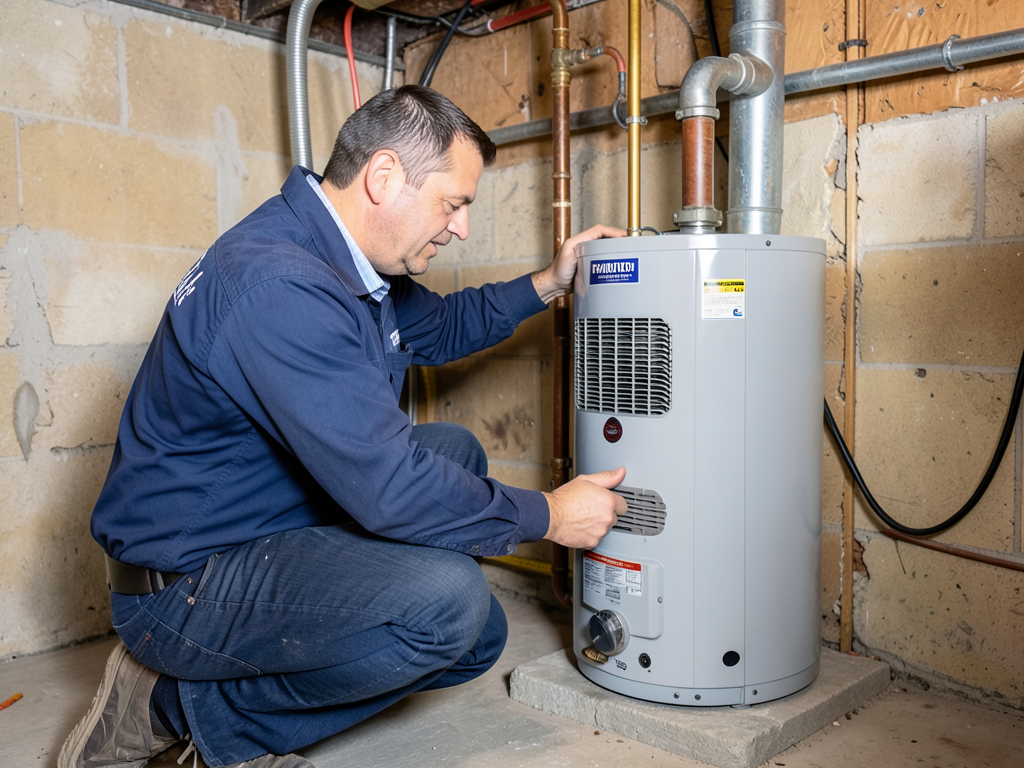
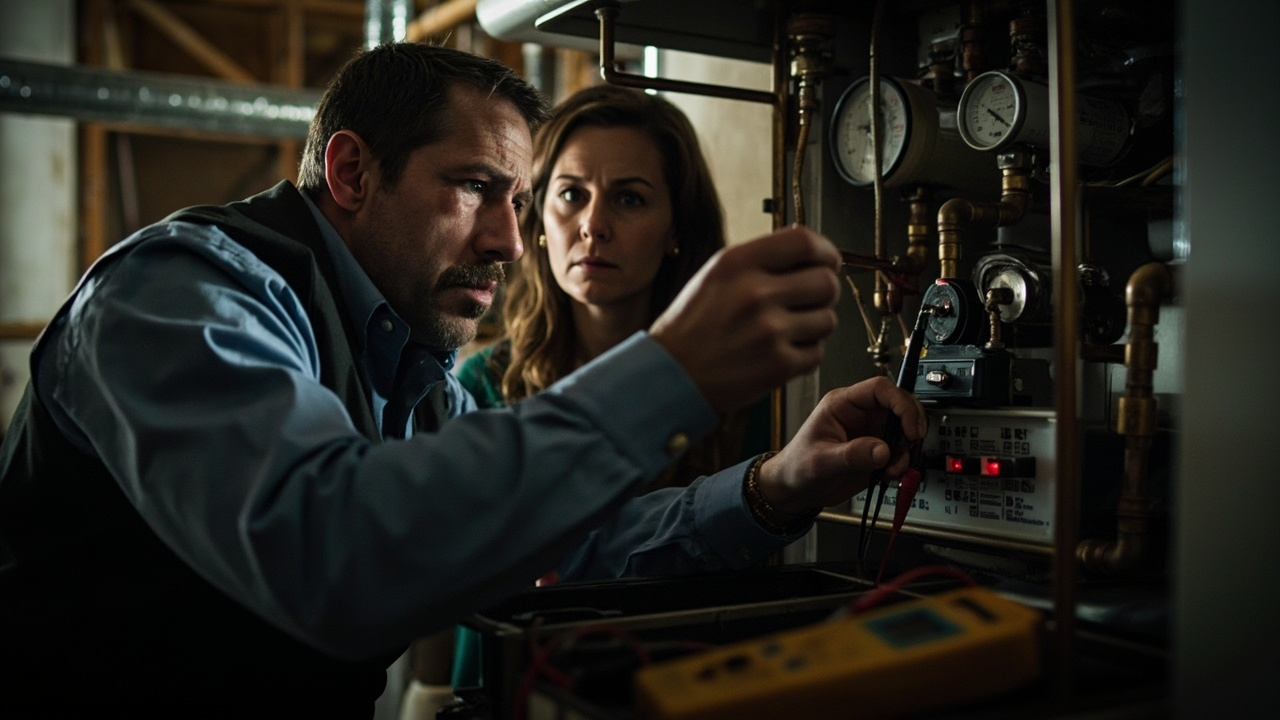
First, we verify power supply. For electric units, we test voltage at the breaker, the disconnect, and the heating elements themselves using a multimeter. Many homeowners assume their water heater died when the real problem is a tripped GFCI outlet or a blown fuse in the electrical panel. For gas units, we confirm gas flow to the unit and test the thermocouple with a millivolt meter to ensure it generates enough current to keep the gas valve open.

Next, we check temperature and pressure relief valve function. A faulty TPR valve creates dangerous pressure buildup or allows water to leak constantly, draining the tank faster than it can heat. We test the thermostat calibration using infrared thermography to see if the actual water temperature matches the thermostat setting. A thermostat that reads 120 degrees but delivers 90-degree water points to element failure or severe sediment accumulation.

We inspect the anode rod condition through the access port. This sacrificial rod protects the tank from corrosion, but once it deteriorates completely, the tank itself begins to rust. We also check for water heater malfunction symptoms like unusual noises, which indicate sediment hardening on the tank floor, or discolored water, which signals internal corrosion.

For tankless systems, we test flow rates, check for mineral scaling in the heat exchanger, and verify that error codes match actual component failures. Pittsburgh's water chemistry causes scaling problems that reduce efficiency by 30 percent or more in untreated tankless units.

What Happens During Your Diagnostic Visit

No Hot Water Diagnosis in Pittsburgh – Expert Troubleshooting That Pinpoints the Problem Fast
01

Initial System Assessment

Our technician arrives and asks specific questions about when you lost hot water, what sounds you heard, and whether you noticed any leaks or error codes. We check the age and model of your unit, then perform visual inspection for obvious issues like water pooling, rust stains, or disconnected wiring. This preliminary check catches simple problems immediately and guides the testing process.
02

Systematic Component Testing

We test each component that affects heating function. For electric models, this means checking both upper and lower heating elements, both thermostats, the high-limit switch, and all electrical connections. For gas units, we test the thermocouple, gas valve, burner assembly, and venting system. We measure incoming water temperature and compare it to outgoing temperature to quantify heating efficiency loss.
03

Diagnosis and Recommendations

After testing, we explain exactly what failed and why. You receive a written diagnosis that identifies the problem component, explains how it affects your hot water supply, and outlines repair options. If multiple components failed or the tank shows signs of imminent failure, we discuss whether repair or replacement makes better financial sense based on the unit's age and condition.

Why Pittsburgh Homeowners Choose Ace Plumbing

Water heater diagnosis requires specialized knowledge of both old and new systems. Pittsburgh's housing mix includes everything from century-old homes in Polish Hill with ancient gas heaters to new construction in Lawrenceville with high-efficiency tankless systems. We work on all of them.

Our technicians carry diagnostic equipment that most companies skip. We use combustion analyzers to test gas burner efficiency, infrared cameras to identify hot spots and thermal losses, and electrical testing tools calibrated to detect voltage drops and resistance issues that indicate failing components. This equipment costs thousands of dollars, but it delivers accurate diagnosis instead of educated guesses.

We understand Pittsburgh's water chemistry. The Allegheny and Monongahela rivers supply water with moderate hardness and varying pH levels depending on your neighborhood. Highland Park residents deal with different mineral content than homeowners in Brookline. These variations affect how quickly sediment accumulates and which components fail first. We factor local water conditions into every diagnosis.

Ace Plumbing Pittsburgh has diagnosed water heater problems in homes throughout Allegheny County for years. We know which brands hold up in local conditions and which ones fail prematurely. We recognize the symptoms of problems specific to Pittsburgh's climate, like expansion tank failures caused by pressure fluctuations during cold snaps.

You get honest answers. If your 18-year-old water heater needs a $400 repair but will likely fail completely within 12 months, we tell you. If a $150 thermostat replacement will give you three more years of service, we recommend that instead of pushing unnecessary replacement. Our diagnosis gives you the information you need to make the right decision for your situation and budget.

What You Can Expect From Our Diagnostic Service

Fast Response Times

We schedule diagnostic appointments within 24 hours for most service requests. Same-day diagnosis is available for urgent situations where you have no hot water and need answers quickly. Our technicians arrive during your scheduled window with all necessary testing equipment loaded and ready. The average diagnostic visit takes 45 to 90 minutes depending on system complexity and the number of potential failure points we need to test. You get preliminary findings on-site before we leave your home.

Comprehensive Testing Protocol

Our technicians follow a standardized testing checklist that examines every component affecting water heating performance. We document voltage readings, temperature measurements, pressure tests, and visual inspection findings. You receive a detailed diagnostic report explaining which components passed testing, which ones failed, and which ones show signs of deterioration that will cause future problems. This documentation helps you understand exactly what happened and why, using clear language instead of technical jargon that obscures the real issue.

Accurate Problem Identification

You learn the specific cause of your hot water failure, not a vague description. If the lower heating element burned out, we show you the failed component and explain why it happened. If sediment accumulation reduced tank capacity by 40 percent, we explain how mineral buildup affects heating efficiency. If the gas valve failed due to thermocouple voltage drop, we show you the meter readings that confirm the diagnosis. This precision prevents unnecessary repairs and ensures the fix addresses the actual problem.

Clear Next Steps

After diagnosis, you receive straightforward recommendations. We explain repair options with estimated costs, projected lifespan after repair, and potential for related failures. If replacement makes more sense than repair, we explain why and discuss system options appropriate for your home size, water usage patterns, and budget. You decide what happens next based on complete information, not sales pressure. The diagnostic fee applies toward same-day repairs if you choose to proceed immediately.

Frequently Asked Questions

You Have Questions,
We Have Answers

What is the most common cause of no hot water? +

The most common cause is a failed heating element in electric water heaters or a faulty pilot light and thermocouple in gas units. Pittsburgh homes with older water heaters often experience sediment buildup from hard water, which reduces heating efficiency and damages elements. Tripped circuit breakers affect electric models, while gas supply interruptions or blocked vents impact gas heaters. In winter, frozen pipes can restrict water flow to the tank. A complete power loss to the unit or a malfunctioning thermostat also prevents hot water production. Age matters too. Most tanks last 8-12 years before components fail.

How to diagnose no hot water? +

Start by checking your circuit breaker or pilot light depending on your fuel source. For electric heaters, confirm the breaker is on and the reset button on the tank has not tripped. Gas heaters require a lit pilot light and functioning thermocouple. Check your thermostat setting, it should be between 120-140 degrees. Feel the tank sides. Cold means no heating is occurring. Listen for unusual sounds like popping or hissing. Test multiple faucets throughout your Pittsburgh home. If kitchen and bathroom taps both lack hot water, the problem is at the tank. Partial hot water suggests sediment buildup or a failing element.

Is it an emergency if you don't have hot water? +

It depends on the situation and time of year. Pittsburgh winters make no hot water more urgent, especially if you have young children or elderly residents. While not a burst pipe emergency, you should address it within 24 hours. Extended periods without hot water create sanitation concerns and can indicate bigger problems like gas leaks or electrical hazards. If you smell gas near your water heater, evacuate immediately and call your utility company. For electric systems with no obvious danger, you can wait until morning. However, fast action prevents water damage from potential tank leaks and restores household comfort quickly.

Why is my hot water not working but my cold is? +

Your water heater controls hot water only. Cold water bypasses the tank entirely through separate supply lines. This confirms your main water supply works fine and the problem is isolated to the heating system. Check if your gas pilot light went out or the electric heating elements failed. Tripped breakers or blown fuses affect electric models. Gas systems may have thermocouple failures or gas supply issues. In Pittsburgh homes with older plumbing, a closed valve on the cold water inlet to the tank can cause this symptom. Sediment buildup or a broken dip tube also prevents proper heating while cold water flows normally.

What is wrong if you have no hot water? +

You likely have a failed heating element, dead pilot light, or thermostat malfunction. Electric water heaters use two heating elements that burn out over time. Gas units depend on a pilot light, thermocouple, and gas valve working together. A tripped circuit breaker, blown fuse, or power interruption stops electric heaters. Pittsburgh's hard water accelerates sediment accumulation, which insulates the tank bottom from heat and damages elements. Older tanks may have corroded anodes or deteriorating interior linings. A completely dead tank often means the unit reached the end of its 10-12 year lifespan and needs replacement rather than repair.

Why am I getting hot water in my kitchen but not my bathroom? +

You have a localized supply line issue, not a water heater problem. Check if someone closed a valve under the bathroom sink or at the fixture. Pittsburgh homes with multi-story layouts sometimes have separate hot water runs that develop blockages. A clogged faucet aerator restricts flow. Corroded galvanized pipes in older homes create buildup that blocks hot water lines while cold water flows. The bathroom may sit at the end of your hot water distribution system, causing longer wait times for hot water arrival. A failed or kinked supply line under the sink affects only that fixture. Compare multiple bathroom fixtures to isolate the problem location.

Why would hot water suddenly stop working? +

Sudden hot water loss indicates a component failure or power interruption. Electric heaters lose function when circuit breakers trip from power surges, which happen during Pittsburgh storms. The high-limit reset button on the tank trips when water overheats. Gas pilot lights blow out from drafts, dirty thermocouples, or gas supply problems. A burst heating element stops production immediately. Thermostat failures prevent the system from triggering heating cycles. Sediment accumulation finally blocks heat transfer after months of buildup. Rarely, a major leak drains the tank faster than it refills, preventing proper heating. Age-related failures happen without warning in tanks over 10 years old.

When should I call a plumber for no hot water? +

Call immediately if you smell gas, see water pooling around the tank, or notice electrical burning odors. These signal dangerous conditions requiring emergency service. For standard no hot water situations, call within 24 hours if basic troubleshooting fails. If your pilot light will not stay lit after multiple attempts, you need professional diagnosis. Tripped breakers that trip again when reset indicate electrical faults. Pittsburgh winters make quick service important for household comfort and pipe freeze prevention. Call a plumber if your water heater is over 10 years old, as age-related failures often require replacement rather than simple repairs. Do not delay if multiple fixtures lack hot water.

How to reset a hot water system? +

Electric water heaters have a red reset button on the upper thermostat, usually behind an access panel. Turn off the circuit breaker first, then remove the panel and insulation. Press the reset button firmly until it clicks. Replace the insulation and panel, then restore power. For gas heaters, turn the gas control knob to off and wait five minutes. Turn to pilot, press and hold while lighting the pilot with a long lighter. Hold for 60 seconds, then release and turn to on. If Pittsburgh area homes have power outages, wait 30 minutes after power returns before resetting. If the unit trips again immediately, call a professional.

How long can they leave you with no hot water? +

For rentals in Pennsylvania, landlords must restore essential services including hot water within a reasonable timeframe, typically 24-72 hours depending on the severity. No specific state law sets exact timelines, but Pittsburgh tenants can contact the city's Department of Permits, Licenses and Inspections if landlords delay unreasonably. Homeowners control their own timeline, but waiting longer than 48 hours risks pipe damage in winter and creates sanitation issues. Emergency plumbing services in Pittsburgh can restore hot water within hours. Insurance claims for related damage require documenting when the problem started. Extended outages suggest replacement needs rather than simple repairs.

How Pittsburgh's Water Quality Affects Diagnosis Accuracy

Pittsburgh's municipal water contains dissolved minerals that accumulate inside water heater tanks over time. The calcium and magnesium content varies by neighborhood based on which treatment plant serves your area. Homes receiving water from the Aspinwall filtration plant experience different sediment patterns than those supplied by the Highland 2 reservoir system. This mineral buildup creates a layer of insulation between the heat source and the water, forcing heating elements or burners to work harder and fail sooner. Accurate diagnosis requires understanding whether performance loss stems from component failure or sediment interference, because the fixes are completely different.

Local plumbing expertise matters when diagnosing water heater problems in Pittsburgh's diverse housing stock. A technician familiar with the galvanized plumbing common in pre-1960 homes recognizes how sediment from deteriorating pipes compounds tank buildup problems. Someone who understands local building codes knows which venting configurations meet current standards and which ones create combustion problems in gas units. Ace Plumbing Pittsburgh has worked in every neighborhood from the North Hills to the South Hills, giving us pattern recognition that helps identify problems faster and more accurately than technicians unfamiliar with regional conditions.
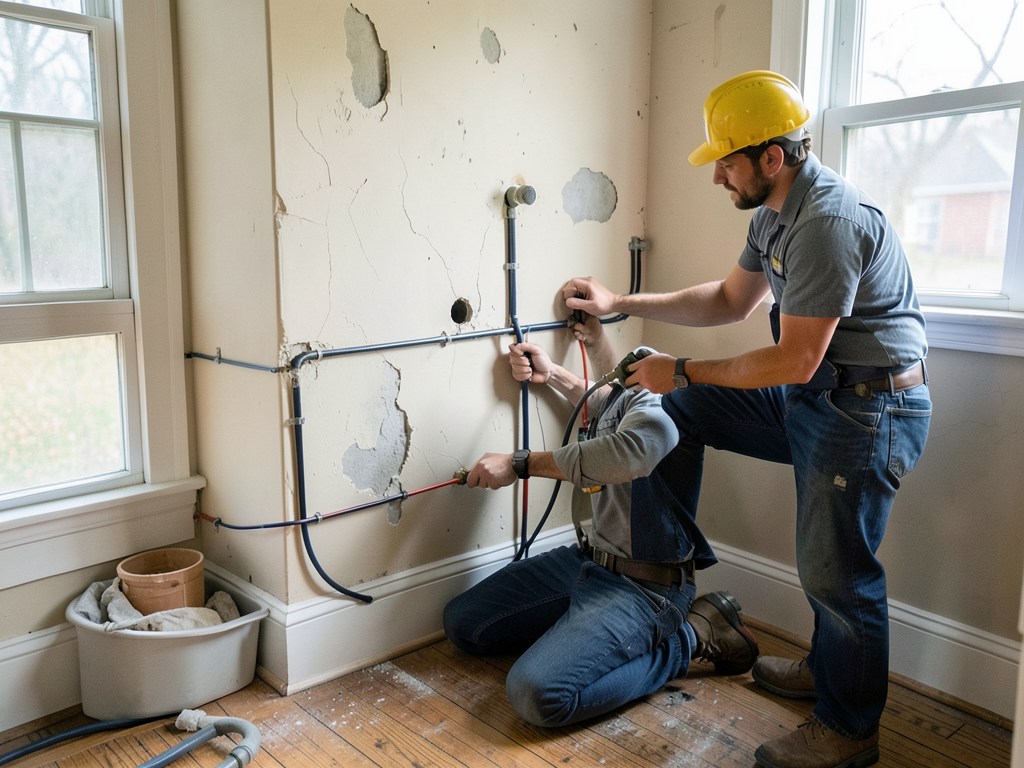
Plumbing Services in The Pittsburgh Area

We are proud to be the trusted plumbing partner for the entire Pittsburgh area and its surrounding communities. Our dedicated team is committed to providing prompt and efficient service wherever you are. To get a better sense of our service area and to get in touch with us for all your plumbing needs, please take a look at our location on the map below. We’re always here to help.

Address:
Ace Plumbing Pittsburgh, 1450 Fifth Ave, Pittsburgh, PA, 15219

Additional Services We Offer

Our news updates

Latest Articles & News from The Blogs

Why You Need a Plumbing Camera Inspection Before Buying That Mount Oliver Fixer Upper \n\n Buying a fixer upper in…

Why You Need a Plumbing Camera Inspection Before Buying That Mount Oliver Fixer Upper

Why You Need a Plumbing Camera Inspection Before Buying That Mount Oliver Fixer Upper \n\n Buying a fixer upper in…

Replacing Every Old Pipe in Your Swissvale Home Without the Stress

Replacing Every Old Pipe in Your Swissvale Home Without the Stress Swissvale homes built before 1970 often hide a ticking…

Reliable Ejector Pump Repair and Install for Robinson Township Basement Bathrooms

Expert Ejector Pump Repair in Robinson Township PA Basement bathrooms in Robinson Township homes often sit below the main sewer…

Contact Us

Stop guessing what went wrong with your hot water. Call Ace Plumbing Pittsburgh at (412) 382-8366 for professional diagnosis that identifies the exact problem. We test every component, explain what failed, and give you honest recommendations. Schedule your diagnostic appointment now.