



Menu

Plumbing Inspection Checklist Pittsburgh | Prevent Freeze Damage and Basement Floods Before They Start

Get a complete plumbing inspection checklist tailored to Pittsburgh's freeze-thaw cycles, aging pipe infrastructure, and seasonal water pressure shifts that cause hidden leaks and costly emergency repairs.

Slider Image 1
Slider Image 2
Slider Image 3
Slider Image 4
Slider Image 5
Slider Image 7
Slider Image 8
Slider Image 9
Slider Image 10
Slider Image 11

Why Pittsburgh Homes Need a Preventative Plumbing Maintenance Checklist

Pittsburgh's dramatic temperature swings create perfect conditions for plumbing failures. Winter temperatures that drop below 20 degrees force water in exposed pipes to freeze and expand. When the thaw arrives, those pipes crack and flood basements across Squirrel Hill, Shadyside, and Lawrenceville. The city's aging housing stock makes this worse. Homes built before 1960 often contain galvanized steel pipes that corrode from the inside out, reducing water pressure and creating pinhole leaks you cannot see until water stains appear on your ceiling.

The Allegheny and Monongahela rivers create high humidity levels that accelerate corrosion in water heaters and sump pumps. Your basement stays damp even in summer, which means mold growth around leaking shut-off valves and deteriorating wax rings under toilets. Most homeowners do not realize their plumbing system needs seasonal attention until a pipe bursts on Christmas morning or their water heater floods the finished basement.

A residential plumbing checkup list catches these problems early. You need to inspect supply lines, drain systems, water heaters, and fixtures twice per year. Spring inspections identify freeze damage from winter. Fall inspections prepare your system for the next cold season. This home plumbing inspection list focuses on the specific vulnerabilities Pittsburgh properties face, from clay soil shifts that crack sewer laterals to the mineral buildup in tank water heaters caused by the region's moderately hard water supply.

Why Pittsburgh Homes Need a Preventative Plumbing Maintenance Checklist
What a Complete Plumbing System Inspection Guide Covers

What a Complete Plumbing System Inspection Guide Covers

A thorough plumbing maintenance checklist examines every component that moves or holds water. Start with visible supply lines under sinks and behind toilets. Look for corrosion at compression fittings, calcium deposits around valve stems, and moisture on braided stainless steel hoses. These signs indicate slow leaks that will eventually fail completely.

Check all drain lines for slow drainage. Hair and soap scum create biofilm buildup in P-traps and branch drains. Pittsburgh's older cast iron drain stacks corrode from the inside, creating rough surfaces that catch debris and cause recurring clogs. A preventative plumbing maintenance checklist includes testing every drain with running water to identify restricted flow before you face a complete backup.

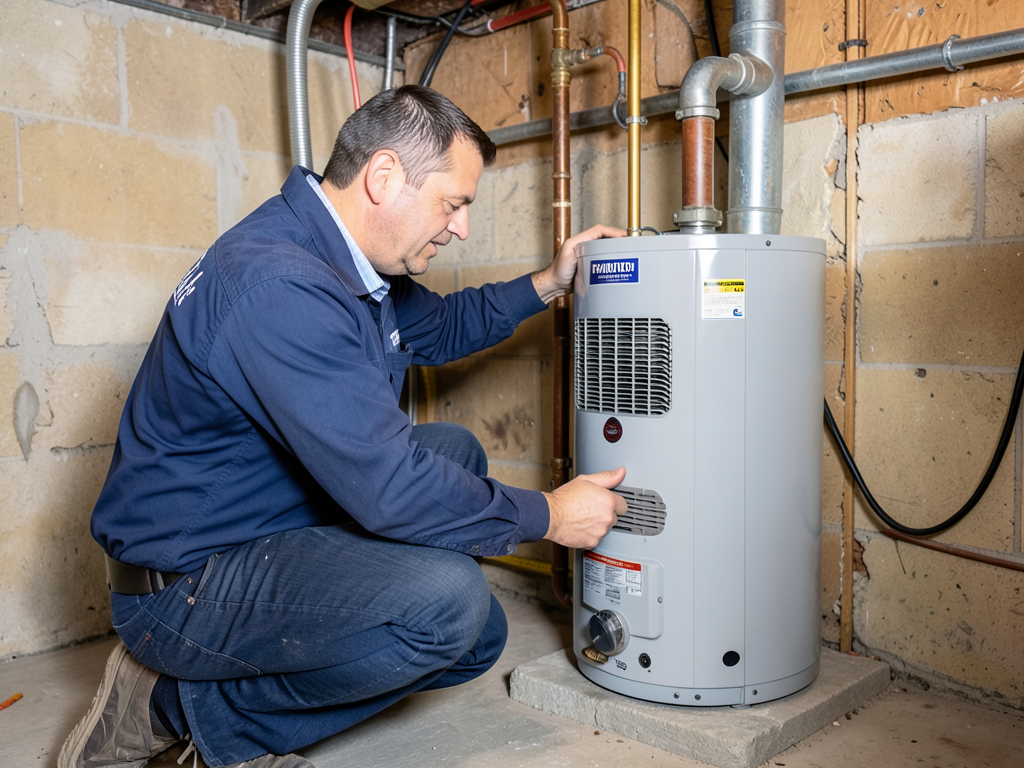
Water heater inspection requires checking the temperature and pressure relief valve, testing the anode rod for depletion, and draining sediment from the tank bottom. Pittsburgh's moderately hard water contains dissolved minerals that settle in the tank and reduce heating efficiency. You lose capacity every year you skip this maintenance. The anode rod sacrifices itself to prevent tank corrosion, but once it depletes completely, the tank itself begins to rust through.

Exterior hose bibs need inspection for freeze damage. Even frost-free sillcocks fail when water remains trapped in the valve body. Check the main water shut-off valve to confirm it operates smoothly. A seized gate valve becomes useless during an emergency. Test your sump pump by pouring water into the basin and verifying the float switch activates the pump motor.

How to Use Your Residential Plumbing Checkup List

Plumbing Inspection Checklist Pittsburgh | Prevent Freeze Damage and Basement Floods Before They Start
01

Visual Supply Line Assessment

Begin at the water meter and trace every visible supply line through your home. Look for active drips, corrosion stains, and calcium deposits at connection points. Check the main shut-off valve for smooth operation. Inspect flexible supply lines under sinks for bulging, kinking, or moisture. Test water pressure at multiple fixtures to identify pressure drops that indicate hidden leaks or partial blockages.
02

Drain and Fixture Testing

Run water in every sink, tub, and shower while watching drain speed. Slow drainage indicates partial clogs or venting problems. Flush each toilet and listen for continuous running water that signals flapper valve failure. Check under fixtures for moisture on drain connections and P-trap joints. Test all faucets for smooth operation, unusual noises, or temperature control issues that point to cartridge wear or mixing valve problems.
03

System Component Verification

Examine your water heater for rust stains, active leaks, and proper temperature settings. Test the pressure relief valve and check the area around the tank for moisture. Inspect your sump pump by adding water to the basin and confirming activation. Check washing machine hoses for cracks or bulges. Verify outdoor faucets drain completely when shut off to prevent freeze damage during winter months.

Why Pittsburgh Homeowners Trust Local Plumbing Expertise

Pittsburgh's unique plumbing challenges require local knowledge. The city's hillside neighborhoods create water pressure variations that stress pipe joints and valve seats. Homes in Highland Park experience different pressure than properties in Mount Washington because of elevation changes. Generic plumbing advice from national websites does not account for these geographic factors.

Local plumbers understand how Pittsburgh's building codes evolved. Pre-1950 homes often contain lead service lines that connect to the municipal water supply. Properties built during the post-war boom used galvanized steel that corrodes after 50 years. Ranch homes from the 1960s have different venting configurations than Victorian-era houses in Deutschtown. Each era presents distinct failure points that show up on a home plumbing inspection list.

Ace Plumbing Pittsburgh works with the local water authority, PWSA, and understands current initiatives to replace aging infrastructure. We know which neighborhoods still have combined sewer systems that back up during heavy rain. We recognize the warning signs of clay sewer lateral collapse common in older properties throughout Bloomfield and Polish Hill.

Our technicians inspect hundreds of Pittsburgh homes each year. We see patterns in fixture failures, pipe deterioration, and seasonal problems that repeat across specific neighborhoods. This experience allows us to spot early warning signs that homeowners miss. We know that basement floor drains in Northside homes frequently dry out and allow sewer gas into living spaces. We recognize the sound of water hammer in old supply lines and understand which pipe materials withstand Pittsburgh's freeze-thaw cycles.

What Happens During a Professional Plumbing Inspection

Inspection Timing and Scheduling

Schedule inspections twice yearly for complete coverage. Spring inspections identify freeze damage and prepare your system for increased water usage during summer. Fall inspections catch problems before winter freeze conditions create emergency situations. Most residential inspections take 90 minutes to two hours, depending on home size and system complexity. You receive a written report that documents current conditions and prioritizes recommended repairs. Schedule morning appointments to ensure full access to all plumbing fixtures and adequate lighting in basement areas.

Comprehensive System Evaluation

Professional inspections go beyond what homeowners can see. Technicians use inspection cameras to examine drain lines and sewer laterals for cracks, root intrusion, and bellied sections that trap waste. They test water pressure at multiple points to identify restrictions or pressure regulator failures. Thermal imaging detects hidden leaks behind walls and under concrete slabs. The evaluation includes water heater efficiency testing, expansion tank inspection, and backflow preventer verification. You get documentation of shut-off valve locations and recommendations for emergency preparedness improvements.

Detailed Reporting and Priorities

Your inspection report separates immediate safety concerns from routine maintenance items. Critical issues include active leaks, gas line concerns, or water heater conditions that pose flood risk. Priority repairs address problems that will worsen quickly, such as corroded shut-off valves or failing pressure regulators. Maintenance recommendations cover items you can address on your schedule, including fixture upgrades and efficiency improvements. The report includes photos of problem areas and explains why each repair matters. You receive cost estimates that help you budget for both immediate and future work.

Ongoing Maintenance Support

After your initial inspection, you receive a customized maintenance schedule based on your specific system components and home age. We track your water heater service intervals, fixture replacement dates, and recommended reinspection timelines. Seasonal reminder calls help you prepare your plumbing for winter freezes and spring thaws. You get access to priority scheduling for routine maintenance and emergency repairs. Our service history documentation proves valuable when you sell your home, showing potential buyers that you maintained critical systems properly throughout your ownership.

Frequently Asked Questions

You Have Questions,
We Have Answers

What does a plumbing inspection consist of? +

A plumbing inspection examines all water supply lines, drain lines, fixtures, and water heating systems in your home. The inspector checks for leaks, corrosion, water pressure issues, and proper venting. In Pittsburgh, inspectors pay close attention to older galvanized pipes common in pre-1970s homes and clay sewer laterals vulnerable to tree root intrusion. The inspection covers visible pipes, shut-off valves, water heaters, sump pumps, and drainage systems. Pittsburgh's freeze-thaw cycles make outdoor hose bibs and basement plumbing especially important to evaluate. A thorough inspection identifies current problems and potential failures before they cause water damage.

What are the 5 main items you should inspect for at a drain detail? +

At a drain detail, inspect the drain opening for proper sizing and debris buildup. Check the p-trap for leaks, corrosion, and proper water seal. Examine the drain line slope to ensure gravity flow without standing water. Look for signs of slow drainage or gurgling that indicate venting issues or partial blockages. Inspect visible drain pipe material for cracks, joint separation, or deterioration. Pittsburgh's older homes often have cast iron drains that rust from the inside out. Tree roots infiltrating clay sewer lines are common in established Pittsburgh neighborhoods. Test drainage flow with running water to confirm performance under load.

What are 5 very important things that are inspected in a home inspection? +

Home inspections prioritize the roof for leaks and remaining lifespan, especially important given Pittsburgh's heavy snow loads and ice damming potential. The foundation gets examined for cracks, water intrusion, and settlement issues common in homes built on Pittsburgh's hilly terrain. Electrical systems must meet code, with particular attention to outdated knob-and-tube wiring in older homes. HVAC systems are tested for operation and efficiency. Plumbing receives thorough evaluation including water pressure, drain function, and pipe condition. Pittsburgh's aging housing stock means these five areas often reveal deferred maintenance that impacts home value and safety.

What should be included in the inspection checklist? +

Your plumbing inspection checklist should include water supply line condition and pressure testing. List all fixtures including toilets, sinks, tubs, and showers for leak checks and proper operation. Document water heater age, capacity, and safety features like temperature-pressure relief valves. Include drain line performance, sump pump function, and sewage ejector operation if present. Check shut-off valves for accessibility and function. Pittsburgh homes need special attention to basement plumbing, backwater valves for flood prevention, and outdoor faucets for freeze damage. Document pipe materials, especially older galvanized or polybutylene systems. Note any signs of water damage or past repairs.

What are the 7 steps of the inspection process? +

The inspection process starts with reviewing property history and previous reports. Next comes the visual walkthrough to identify all plumbing components and access points. Testing follows, including running all fixtures, checking water pressure, and evaluating drainage. The inspector examines water heating equipment for safety and function. They assess visible pipe condition and connections. In Pittsburgh homes, inspectors check basement moisture and sump pump operation given our groundwater conditions. Camera inspection of sewer lines may follow if warranted. The inspector documents findings with photos and measurements. Finally, they compile a detailed report with prioritized recommendations for repairs or further evaluation.

How much should a plumbing inspection cost? +

Plumbing inspection costs vary by scope and property size. A basic inspection during a home purchase typically runs as part of the overall home inspection fee. Standalone plumbing inspections for specific concerns cost less than comprehensive whole-house evaluations. In Pittsburgh, expect pricing to reflect the home's age and complexity, with older homes requiring more time. Sewer line camera inspections add to the base cost but provide valuable information about clay lateral condition. Commercial properties cost more than residential due to system complexity. Pre-purchase inspections differ in price from annual maintenance inspections. Get quotes from licensed plumbers familiar with Pittsburgh's housing stock.

What is the biggest red flag in a home inspection? +

Active water damage represents the biggest red flag in home inspections. Staining on ceilings, walls, or floors indicates ongoing leaks that cause structural rot and mold growth. In Pittsburgh, basement water intrusion signals foundation issues, poor grading, or failed drain tiles common in older homes. Sewage backups or signs of past backups reveal serious drain line or municipal connection problems. Compromised water heaters near failure pose flood and safety risks. Evidence of amateur repairs or code violations suggests hidden problems. Multiple plumbing issues point to systemic neglect. Pittsburgh's freeze-thaw cycles accelerate damage, making active leaks especially destructive to wooden structures.

What is a 7 point inspection? +

A seven-point inspection is not a standard plumbing term but may refer to commercial vehicle inspections. In plumbing contexts, comprehensive inspections examine more than seven components. A thorough plumbing inspection covers water supply systems, drain-waste-vent systems, water heating, fixtures, shut-off valves, visible pipe condition, and water pressure. Pittsburgh inspectors often add sewer lateral evaluation as an eighth critical component due to aging clay pipes. If you encounter a seven-point plumbing inspection offer, ask the provider exactly which systems they examine. Comprehensive inspections protect your investment better than limited-scope evaluations, especially in older Pittsburgh homes with multiple potential failure points.

How much does a drain inspection cost? +

Drain inspection costs depend on the method and extent. Basic visual inspection of accessible drains costs less than camera inspection. Sewer line camera inspection typically costs more but reveals the exact condition inside underground pipes. In Pittsburgh, where clay sewer laterals often date to the 1950s or earlier, camera inspection provides critical information about root intrusion, cracks, and bellied sections. Main line inspection from cleanout to street connection costs more than branch line inspection. Emergency inspections cost more than scheduled service. Properties with difficult access or multiple cleanouts require more time and equipment. Get specific quotes based on your property's age and configuration.

What items will fail a home inspection? +

Multiple issues can fail home inspections. Major sewer line defects including collapses, severe root intrusion, or bellied sections that cause backups fail inspections. Water heaters with damaged temperature-pressure relief valves or improper venting create safety hazards. Cross-connections between potable water and wastewater systems violate code. Active leaks causing structural damage require immediate repair. In Pittsburgh, homes without proper backwater valves in flood-prone areas may fail. Galvanized supply pipes with severely restricted flow fail inspections. Missing or inaccessible main shut-off valves, improper drain venting, and substantial polybutylene piping all trigger repair requirements before closing. Inspectors prioritize safety hazards and code violations.

How Pittsburgh's Freeze-Thaw Cycles Affect Your Plumbing Inspection Needs

Pittsburgh experiences an average of 28 freeze-thaw cycles each winter. Temperatures drop below freezing at night, then climb above 32 degrees during the day. This constant expansion and contraction stresses pipe joints, cracks solder connections, and splits hose bibs faster than steady cold temperatures. Homes in exposed locations along Mount Washington and throughout the hilltop neighborhoods face the worst conditions. Your plumbing maintenance checklist must address these seasonal stresses by checking exterior faucets, inspecting basement rim joist areas where supply lines enter the home, and verifying proper insulation around pipes in unheated spaces.

Local plumbers understand Pittsburgh's specific building code requirements and common renovation patterns. The city requires backflow preventers on irrigation systems because of the combined sewer overflow concerns along the rivers. Properties in historic districts face restrictions on exterior modifications that affect where you can add freeze-proof faucets. Experienced Pittsburgh plumbers recognize the galvanized supply lines common in pre-1960 construction and know which brass ball valves withstand our water chemistry better than chrome-plated alternatives. This local knowledge ensures your plumbing system inspection guide addresses real problems specific to southwestern Pennsylvania properties.
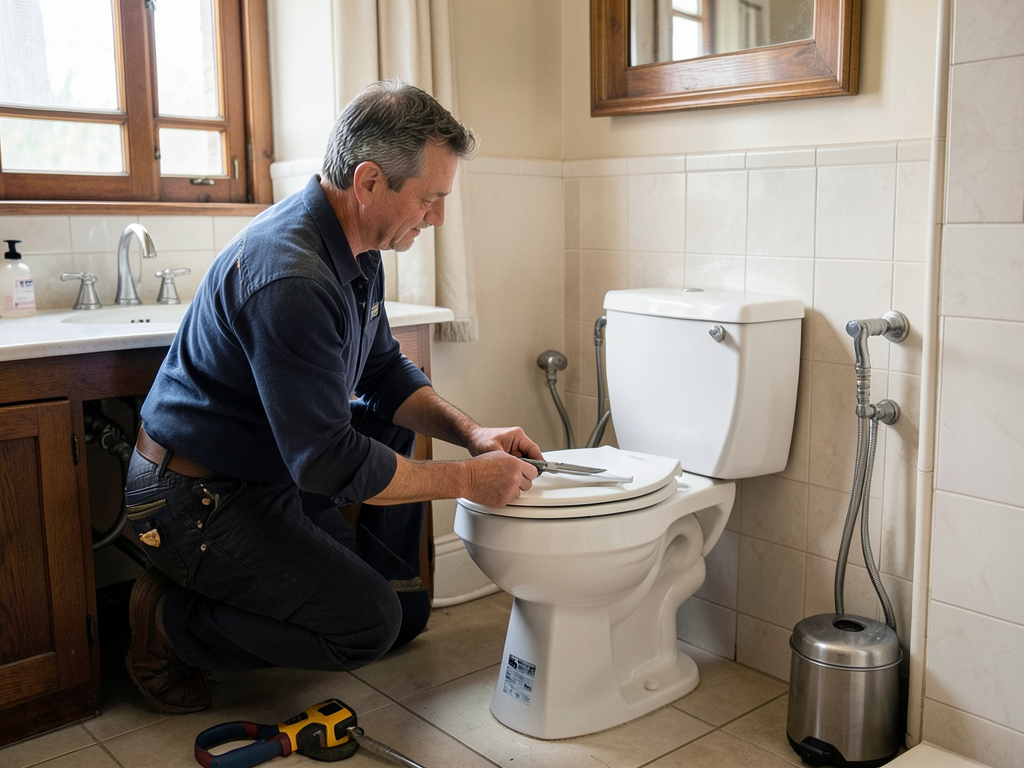
Plumbing Services in The Pittsburgh Area

We are proud to be the trusted plumbing partner for the entire Pittsburgh area and its surrounding communities. Our dedicated team is committed to providing prompt and efficient service wherever you are. To get a better sense of our service area and to get in touch with us for all your plumbing needs, please take a look at our location on the map below. We’re always here to help.

Address:
Ace Plumbing Pittsburgh, 1450 Fifth Ave, Pittsburgh, PA, 15219

Additional Services We Offer

Our news updates

Latest Articles & News from The Blogs

Why You Need a Plumbing Camera Inspection Before Buying That Mount Oliver Fixer Upper \n\n Buying a fixer upper in…

Why You Need a Plumbing Camera Inspection Before Buying That Mount Oliver Fixer Upper

Why You Need a Plumbing Camera Inspection Before Buying That Mount Oliver Fixer Upper \n\n Buying a fixer upper in…

Replacing Every Old Pipe in Your Swissvale Home Without the Stress

Replacing Every Old Pipe in Your Swissvale Home Without the Stress Swissvale homes built before 1970 often hide a ticking…

Reliable Ejector Pump Repair and Install for Robinson Township Basement Bathrooms

Expert Ejector Pump Repair in Robinson Township PA Basement bathrooms in Robinson Township homes often sit below the main sewer…

Contact Us

Call (412) 382-8366 now to schedule your seasonal plumbing inspection. Our technicians identify problems before they become emergencies. You receive a detailed report, priority recommendations, and a maintenance schedule tailored to your home.