





Menu

Gas Leak Detection & Repair in Pittsburgh – Fast Emergency Response When Every Second Counts

24/7 emergency gas line repair and gas pipe leak detection throughout Pittsburgh and the surrounding metro. We dispatch immediately to stop the danger and restore your safety.

Slider Image 1
Slider Image 2
Slider Image 3
Slider Image 4
Slider Image 5
Slider Image 7
Slider Image 8
Slider Image 9
Slider Image 10
Slider Image 11

Why Gas Leaks Are a Critical Emergency in Pittsburgh Homes and Buildings

A gas leak is not a wait-and-see situation. Natural gas is odorless in its pure form, which is why utility companies add mercaptan to give it that distinctive sulfur smell. If you smell rotten eggs, hear a hissing sound near gas lines, or notice dead vegetation near your meter, you need emergency gas line repair immediately.

Pittsburgh's housing stock includes thousands of pre-1950s homes with aging cast iron and steel gas pipes that corrode from the inside out. The city's freeze-thaw cycles accelerate this degradation. When temperatures drop below freezing and then spike back up, the ground shifts. This movement stresses old gas lines at joints and elbows, creating micro-fractures that worsen over time.

The South Hills and North Side neighborhoods have documented cases of galvanic corrosion where dissimilar metals in old plumbing systems accelerate pipe failure. This is compounded by Pittsburgh's acidic soil conditions, a byproduct of decades of industrial activity that left trace minerals in the ground.

Gas leaks pose three immediate threats. First, natural gas is highly flammable. Concentrations between 5% and 15% in air can ignite from a spark, pilot light, or even static electricity. Second, gas displaces oxygen in enclosed spaces, creating asphyxiation risk. Third, even small leaks spike your utility bills while poisoning indoor air quality.

If you suspect a leak, evacuate immediately. Do not flip light switches, use your phone indoors, or try to locate the source. Call 911 from outside, then call Ace Plumbing Pittsburgh at (412) 382-8366 for emergency gas pipe leak detection and repair. We respond 24/7 because gas leaks do not wait for business hours.

Why Gas Leaks Are a Critical Emergency in Pittsburgh Homes and Buildings
How Professional Gas Leak Detection Pinpoints the Exact Problem

How Professional Gas Leak Detection Pinpoints the Exact Problem

Amateur leak detection wastes time and increases risk. Our gas leak plumber technicians use a multi-stage diagnostic protocol designed to locate leaks fast, even in complex residential and light commercial systems.

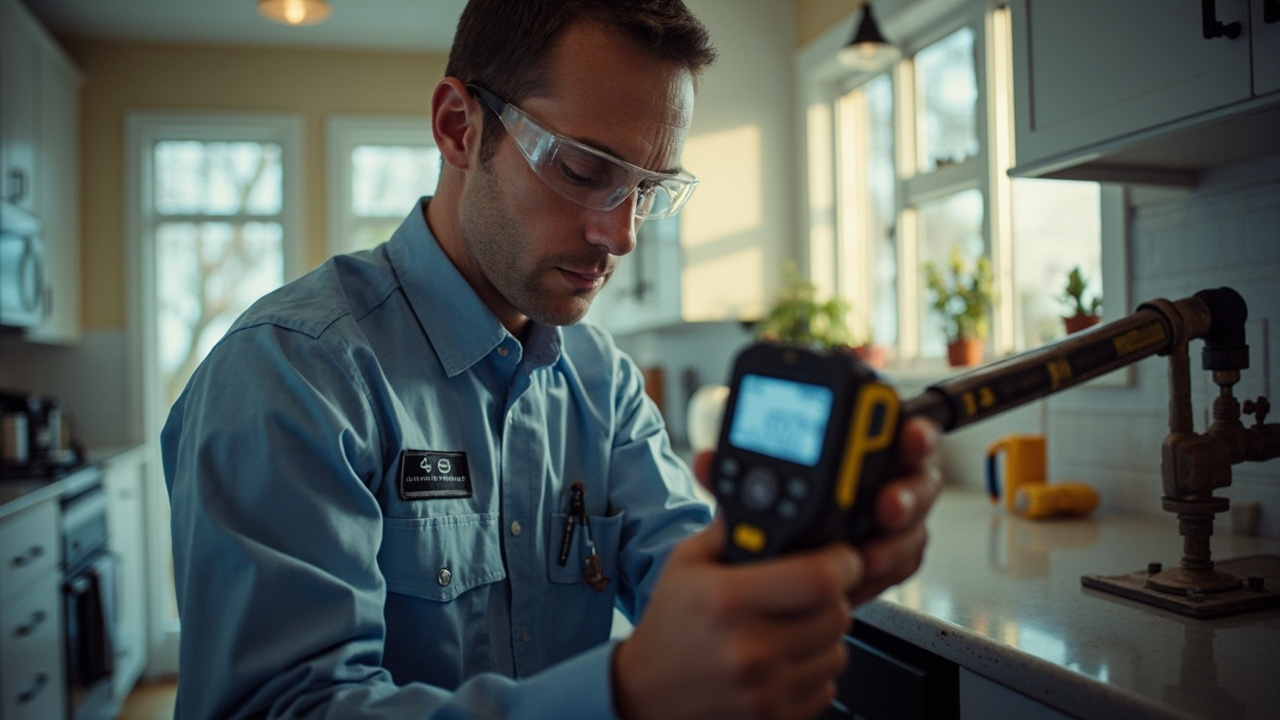
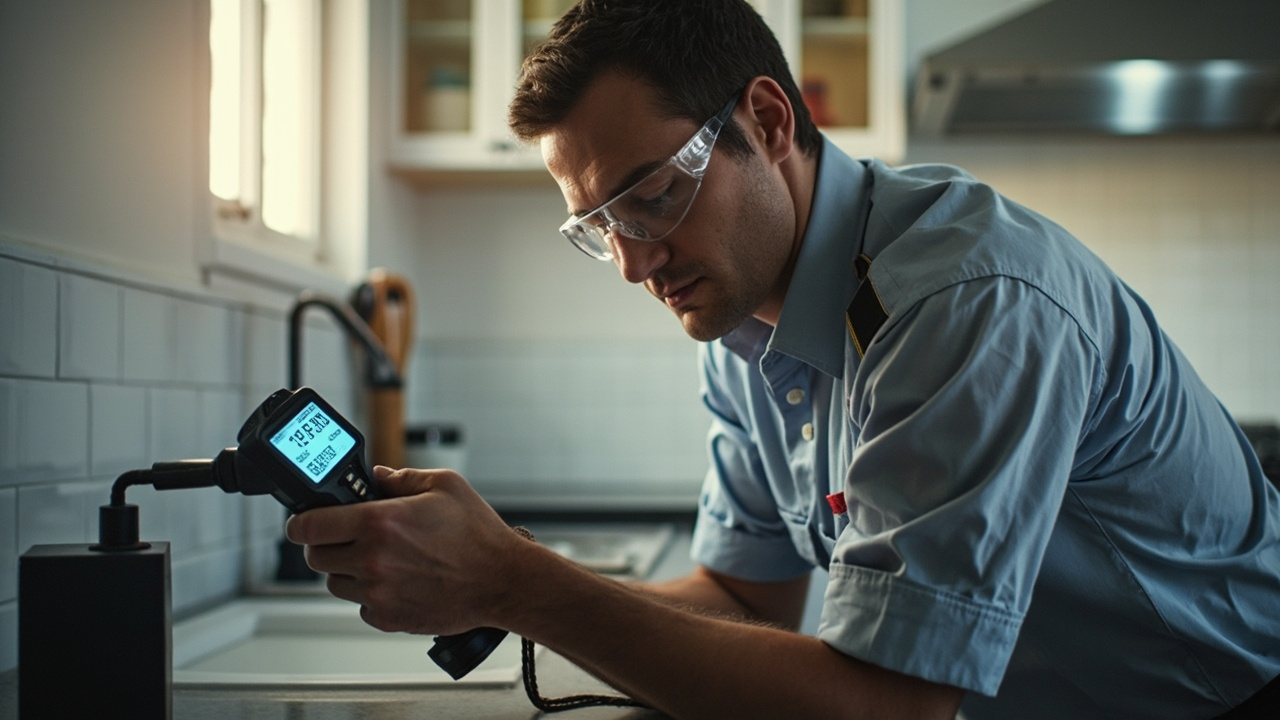
We start with combustible gas detectors calibrated to measure gas concentrations in parts per million. These handheld units identify general leak zones within seconds. Next, we apply a soap solution to suspected areas. Leaking gas creates visible bubbles at the failure point, confirming the exact location on fittings, valves, or pipe seams.

For hidden leaks inside walls or underground, we deploy ultrasonic leak detectors. Gas escaping under pressure creates high-frequency sound waves that these devices pick up even through concrete or soil. This eliminates destructive guesswork and limits demolition to the precise repair area.

Once we locate the leak, we assess the surrounding pipe integrity. A single visible leak often signals systemic corrosion. We inspect adjacent joints, check for rust scale inside pipes using a borescope camera, and test system pressure to identify weak points before they fail.

Pittsburgh's municipal code requires licensed plumbers to pull permits for gas line repair services that involve more than minor fitting replacement. We handle all permitting and coordinate inspections with the city to keep your repair compliant and documented.

Our gas line repair services include temporary system isolation using the main shutoff valve, purging remaining gas from the affected line, cutting out the damaged section, and installing new black iron pipe or CSST flexible gas line depending on the application. We pressure-test the entire system at 15 psi for 15 minutes to verify zero leakage before restoring gas service. Finally, we test every appliance and pilot light to confirm safe operation.

What Happens When You Call for Emergency Gas Leak Repair

Gas Leak Detection & Repair in Pittsburgh – Fast Emergency Response When Every Second Counts
01

Immediate Dispatch and Site Securing

When you call (412) 382-8366, we dispatch a fully equipped emergency gas leak plumber to your location immediately. Our truck carries combustible gas detectors, repair materials, and ventilation equipment. We arrive ready to work, not to schedule a follow-up. Upon arrival, we confirm the building is evacuated, shut off the gas supply at the meter if safe to do so, and establish ventilation to clear accumulated gas from the structure before beginning diagnostic work.
02

Precision Leak Detection

We methodically scan the entire gas system using electronic detectors and ultrasonic tools to locate every leak point, not just the obvious one. Gas pipe leak detection often reveals multiple failure points in older systems. We document each finding, explain the scope of required repairs, and outline code compliance requirements before starting work. You will know exactly what needs fixing and why, with no surprises once we open walls or dig up lines.
03

Repair, Testing, and Restoration

We replace damaged pipe sections using code-approved materials and fittings, pressure-test the entire system to verify integrity, and then restore gas service appliance by appliance. Each gas appliance gets a combustion safety test to confirm proper operation. We provide documentation of all repairs and pressure tests for your records and future home sales. Your system is not just fixed, it is verified safe and compliant with current Pittsburgh codes.

Why Pittsburgh Residents Trust Ace Plumbing Pittsburgh for Gas Leak Emergencies

Gas line work is not a DIY project, and it is not a job for a handyman. Pennsylvania law requires licensed plumbers to perform gas line repair services. Ace Plumbing Pittsburgh holds the necessary state certifications and city permits to work on residential and commercial gas systems throughout Allegheny County.

We know Pittsburgh's building inventory. Homes in Shadyside, Squirrel Hill, and Highland Park often have original gas lines dating back 70 to 100 years. These systems used materials and methods that do not meet modern safety standards. We have repaired gas systems in Victorian row houses, post-war bungalows, and mid-century split-levels across the metro. This experience means we anticipate problems before they escalate.

Our trucks stock the specific parts needed for Pittsburgh's housing stock. We carry black iron pipe in common residential sizes, CSST connectors, flare fittings for appliance hookups, and shutoff valves that match older installations. This eliminates parts-run delays during emergency repairs.

We also understand local utility procedures. Peoples Gas requires specific documentation and inspection protocols when gas service is restored after a shutoff. We coordinate directly with the utility to expedite reconnection once repairs pass city inspection. This saves you hours of phone tag and potential multi-day waits for service restoration.

Our emergency gas line repair service includes post-repair support. We provide written documentation of all work, pressure test results, and appliance safety checks. If you are selling your home, this documentation satisfies disclosure requirements and gives buyers confidence in your gas system's integrity.

Pittsburgh winters are not forgiving. A gas leak that forces a furnace shutdown in January is a life-safety issue, not just an inconvenience. We treat every call with the urgency it deserves.

What to Expect During Emergency Gas Leak Detection and Repair

Same-Day Emergency Response

We answer calls 24 hours a day, 7 days a week, 365 days a year. Gas leaks do not wait for convenient times. When you call (412) 382-8366, you speak directly to our dispatch team, not an answering service. We provide an immediate ETA and keep you updated if traffic or weather affects arrival time. Our goal is to have a certified gas leak plumber on-site within 60 minutes for true emergencies in the Pittsburgh metro area. We carry full diagnostic and repair equipment on every truck, so we can move from detection to repair without delays.

Thorough Safety Assessment

Before we start any repair, we conduct a complete safety evaluation of your gas system. This includes testing gas concentration levels in the building, inspecting all accessible gas lines and fittings, checking appliance connections, and verifying proper venting on furnaces and water heaters. We use calibrated electronic detectors and pressure testing equipment to find leaks that are not yet producing a noticeable odor. This comprehensive approach often identifies secondary issues before they become dangerous, giving you a complete picture of your system's condition and any recommended upgrades.

Code-Compliant Repairs That Last

All gas line repairs meet current Pittsburgh building codes and Pennsylvania state plumbing regulations. We use approved materials, pull necessary permits, and coordinate required inspections with the city. Repairs include pressure testing at 1.5 times operating pressure to verify zero leakage, a standard that exceeds the minimum code requirement. We document all work with photos, test results, and material specifications. This documentation protects you during home sales, insurance claims, and future service calls. Our repairs are permanent solutions, not temporary patches. We do not cut corners on gas work.

Post-Repair Verification and Support

After completing repairs, we perform a full system check before leaving your property. This includes relighting pilot lights, testing each gas appliance for proper combustion, checking for carbon monoxide spillage, and verifying that safety shutoffs function correctly. We provide a detailed written report of all work completed, including materials used, test results, and any additional recommendations for system upgrades or maintenance. If you experience any issues after our repair, we respond immediately to address concerns. Gas safety is not a one-and-done service. We stand behind our work and remain available for questions or follow-up needs.

Frequently Asked Questions

You Have Questions,
We Have Answers

Whose responsibility is it to fix a gas leak? +

If the leak is on the street side of the meter, People's Natural Gas or your local utility is responsible. They will respond fast and repair it at no charge. If the leak is inside your home or past the meter on your property, you are responsible for hiring a licensed plumber. In Pittsburgh, aging infrastructure and freeze-thaw cycles can cause pipe corrosion, making this a critical safety issue. Never wait. Evacuate immediately, call 911, then contact your utility and a qualified plumber to handle repairs after the scene is safe.

Can I check for a gas leak myself? +

Yes, but only as a preliminary step. Use the soapy water test by applying dish soap mixed with water to pipe connections and joints. If bubbles form, gas is escaping. You can also listen for hissing sounds or smell for the sulfur additive. Do not use open flames or lighters to check. In Pittsburgh homes with older cast iron or galvanized piping, corrosion is common. If you suspect a leak, evacuate, call 911, and let professionals with calibrated detection tools confirm and locate the source. Your nose is not enough.

Does the fire department charge you to check for gas leaks? +

No. The Pittsburgh Fire Bureau and fire departments in surrounding Allegheny County municipalities do not charge for gas leak investigations. Their role is emergency response and scene safety. They will ventilate the area, confirm the presence of gas using meters, and secure the scene. Firefighters cannot repair the leak. Once the area is safe, they will direct you to contact your utility or a licensed plumber for repairs. Always call 911 first if you smell gas. Fire response is free and prioritizes life safety over everything else.

Is it free to check a gas leak? +

Utility companies like People's Natural Gas provide free leak checks on their equipment and lines up to the meter. Pittsburgh fire departments also respond at no cost to confirm a leak. Checking is free. Repairs are not. If the leak is inside your home or on your side of the meter, you pay for the plumber. Some homeowners insurance policies cover sudden gas line failures, so review your coverage. Emergency plumbing services in Pittsburgh are available 24/7, and the cost of ignoring a leak far exceeds the cost of fixing it.

How much does it usually cost to fix a gas leak? +

Repair costs in Pittsburgh range from $150 to $800, depending on leak location, pipe accessibility, and material type. A simple fitting replacement may cost less, while replacing corroded sections of black iron or copper pipe behind walls increases labor and materials. Emergency callouts after hours add premium fees. Pittsburgh's older housing stock often requires more invasive work due to outdated piping. Always get a written estimate. Never attempt DIY gas repairs. Only licensed plumbers with gas certifications can legally and safely perform this work in Pennsylvania.

Are gas leaks fixed for free? +

No. Utility companies repair leaks on their infrastructure for free, but homeowners pay for leaks on private property past the meter. Some manufacturers offer warranties on appliances, and homeowners insurance may cover sudden pipe failures, but most repairs are out of pocket. Pittsburgh residents with aging gas systems should budget for maintenance. Ignoring leaks to avoid cost is dangerous and illegal. Natural gas is explosive and displaces oxygen. The financial risk of an explosion, fire, or carbon monoxide poisoning dwarfs the cost of professional repair. Get it fixed immediately.

What smells like a gas leak but isn't? +

Sewer gases, rotten eggs from sulfur bacteria in drains, skunk spray, and certain chemical cleaners mimic the sulfur odor added to natural gas. In Pittsburgh, older homes with clay sewer lines can emit methane from cracked pipes, which smells similar but comes from waste decomposition, not your gas system. If unsure, evacuate and call 911. Firefighters can test air quality with calibrated meters. Do not assume the smell is harmless. Natural gas is odorless naturally. Utilities add mercaptan for detection. Take every sulfur smell seriously until professionals rule out gas.

What are the first signs of a gas leak? +

The rotten egg smell from mercaptan is the most obvious sign. Other early warnings include a hissing or whistling sound near pipes or appliances, dead or discolored vegetation over underground gas lines, and visible dust or white clouds near a pipeline. Inside Pittsburgh homes, you may notice physical symptoms like dizziness, nausea, fatigue, or headaches, especially in poorly ventilated basements. Pilot lights that frequently blow out or yellow or orange burner flames instead of blue also signal incomplete combustion and potential leaks. Never investigate. Evacuate and call 911 immediately.

How long can a gas leak go undetected? +

A gas leak can go undetected for days, weeks, or even months if the leak is slow and outdoors or in an unoccupied space like a crawlspace. Pittsburgh's humid climate can mask odors, and small leaks may not trigger immediate symptoms. Carbon monoxide from incomplete combustion is odorless and deadly, complicating detection. This is why annual inspections and carbon monoxide detectors are critical. Install detectors near gas appliances and sleeping areas. If you spend time away from your Pittsburgh home during winter, have a neighbor check periodically or install remote monitoring systems.

What does leaking gas smell like? +

Leaking natural gas smells like rotten eggs or sulfur because utilities add mercaptan, a chemical odorant, for safety. The smell is sharp, pungent, and unmistakable once you know it. Some describe it as resembling skunk spray. Natural gas is naturally odorless, colorless, and tasteless, making the additive critical for detection. In Pittsburgh, older residents or those with diminished sense of smell may not detect leaks as quickly. If anyone in your household smells gas, evacuate immediately. Do not dismiss faint odors. Even small leaks can ignite or cause asphyxiation in confined spaces.

How Pittsburgh's Aging Infrastructure Increases Gas Leak Risks

Pittsburgh's gas distribution network includes miles of cast iron and bare steel mains installed between 1920 and 1970. While Peoples Gas is actively replacing these aging lines, thousands of properties still connect to older infrastructure. When utility mains corrode, they create pressure fluctuations that stress downstream pipes inside your home or building. This is particularly problematic in neighborhoods like Bloomfield, Lawrenceville, and the South Side, where original gas service lines were never upgraded during renovations. Combine this with the region's freeze-thaw ground movement and acidic soil, and you have conditions that accelerate gas pipe corrosion and joint failure.

Pennsylvania takes gas line work seriously, and for good reason. State licensing requirements ensure that only trained, tested professionals handle natural gas systems. Ace Plumbing Pittsburgh maintains active state plumbing licenses and stays current on code changes through continuing education. We work regularly with Pittsburgh's building inspection department and know exactly what inspectors look for during gas line inspections. This local expertise means your repair gets approved the first time without delays or costly rework. When you hire a plumber who knows Pittsburgh's codes, utility procedures, and housing stock, you get faster, safer, more reliable repairs.
Plumbing Services in The Pittsburgh Area

We are proud to be the trusted plumbing partner for the entire Pittsburgh area and its surrounding communities. Our dedicated team is committed to providing prompt and efficient service wherever you are. To get a better sense of our service area and to get in touch with us for all your plumbing needs, please take a look at our location on the map below. We’re always here to help.

Address:
Ace Plumbing Pittsburgh, 1450 Fifth Ave, Pittsburgh, PA, 15219

Additional Services We Offer

Our news updates

Latest Articles & News from The Blogs

Is that crack in your Overbrook basement floor a sign of a plumbing problem? Finding a crack in your basement…

Is that crack in your Overbrook basement floor a sign of a plumbing problem?

Is that crack in your Overbrook basement floor a sign of a plumbing problem? Finding a crack in your basement…

Why your Presto dishwasher won't drain and keeps the bottom of the tub full of water

Finding standing water in the bottom of your Presto dishwasher after a cycle ends is a frustrating kitchen problem. That…

Everything you need to know about installing a rain barrel for your Highland Park garden

Professional Rain Barrel Installation in Pittsburgh, PA Installing a rain barrel in Highland Park is more than just a garden…

Contact Us

Do not wait if you smell gas or suspect a leak. Evacuate your building and call Ace Plumbing Pittsburgh immediately at (412) 382-8366. We respond 24/7 with certified gas leak plumbers ready to locate the problem, make emergency repairs, and restore your safety. Every minute counts in a gas emergency.