




Menu

Water Conservation Tips in Pittsburgh – Cut Your Water Bill While Protecting Local Rivers

Proven water saving techniques and water efficiency strategies that reduce water consumption in Pittsburgh homes, helping you save money while preserving the Allegheny, Monongahela, and Ohio Rivers for future generations.

Slider Image 1
Slider Image 2
Slider Image 3
Slider Image 4
Slider Image 5
Slider Image 7
Slider Image 8
Slider Image 9
Slider Image 10
Slider Image 11

Why Pittsburgh Homeowners Need to Focus on Water Conservation Now

Pittsburgh sits at the confluence of three major rivers, but that does not mean water is free or that waste has no consequences. The Pittsburgh Water and Sewer Authority has raised rates consistently over the past decade as aging infrastructure requires billions in upgrades. Every gallon you waste costs you money and puts pressure on century-old pipes that leak millions of gallons before reaching your tap.

The region's wet climate fools many residents into thinking water conservation does not matter here. It does. Stormwater runoff from excessive outdoor water use overwhelms combined sewer systems, sending untreated sewage directly into the Allegheny and Monongahela Rivers during heavy rain events. Your water habits directly impact water quality for communities downstream.

Pittsburgh's older housing stock presents unique challenges. Homes built before 1980 often have outdated fixtures that use three to five times more water than modern alternatives. Leaking toilets, dripping faucets, and inefficient water heaters silently drain your wallet. A single leaking flapper valve can waste 200 gallons per day, which adds up to over $300 annually at current rates.

Ways to save water start with understanding your baseline consumption. The average Pittsburgh household uses about 50 gallons per person daily. If your bill shows higher usage, you have opportunities to reduce water consumption through simple fixes and behavior changes. Water saving techniques pay for themselves quickly in this market, especially as rates continue climbing.

Why Pittsburgh Homeowners Need to Focus on Water Conservation Now
How to Reduce Water Consumption in Your Pittsburgh Home

How to Reduce Water Consumption in Your Pittsburgh Home

Water efficiency strategies begin with identifying the biggest consumption points in your home. Toilets account for nearly 30 percent of indoor water use, showers and baths another 20 percent, and washing machines about 15 percent. Targeting these areas delivers the fastest return on investment.

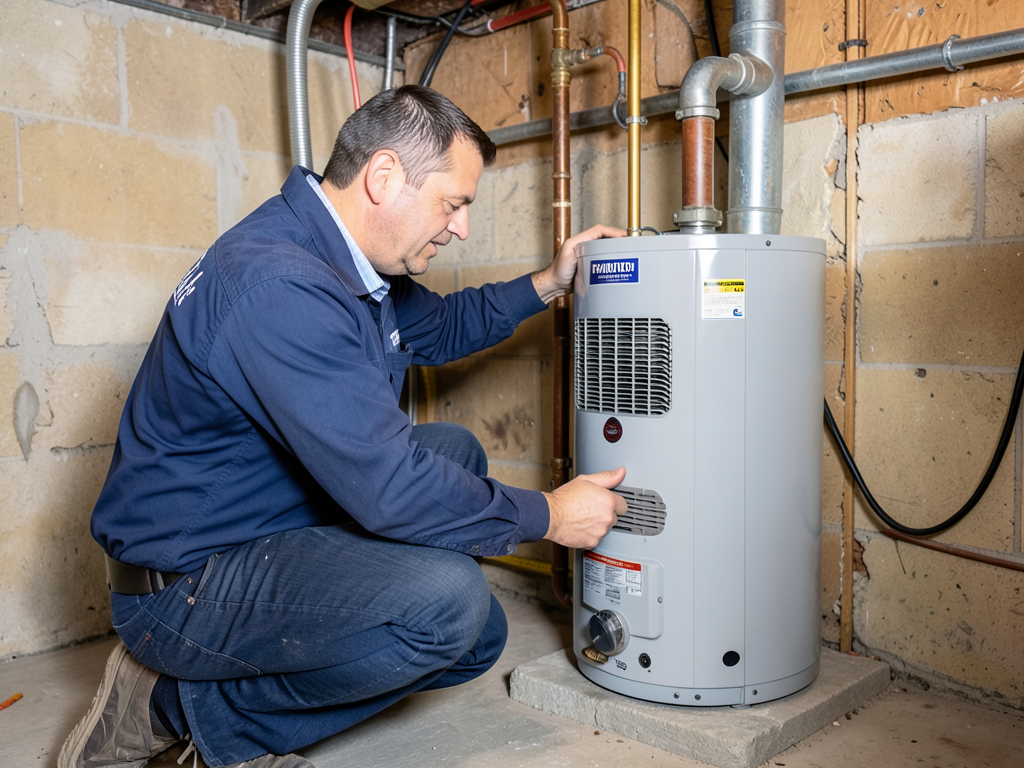
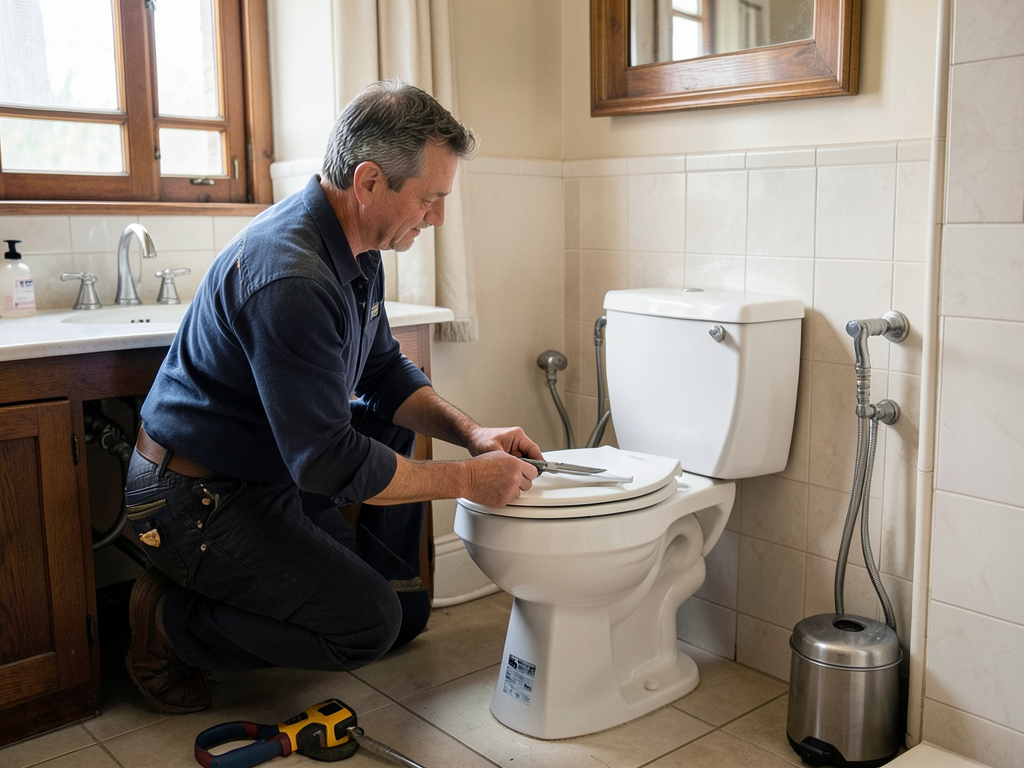
Start by checking for leaks. Add food coloring to your toilet tank and wait 15 minutes without flushing. If color appears in the bowl, you have a leaking flapper that needs replacement. Check under sinks for moisture or mineral deposits that indicate dripping supply lines. Inspect the pressure relief valve on your water heater for continuous dripping, which signals temperature or pressure problems.

Upgrade high-consumption fixtures systematically. Replace pre-1994 toilets that use 3.5 gallons per flush with WaterSense certified models using 1.28 gallons. Install low-flow aerators on faucets to reduce flow from 2.2 gallons per minute to 1.5 or less. Switch showerheads to models delivering 2.0 gallons per minute instead of the standard 2.5. These changes require no behavior modification and save water automatically.

Adjust your water heater temperature to 120 degrees Fahrenheit. Higher settings waste energy and promote mineral buildup in Pittsburgh's moderately hard water, which averages 120-180 parts per million. Insulate exposed hot water pipes in basements and crawl spaces to reduce heat loss and minimize the wait time for hot water at fixtures.

Fix dripping outdoor spigots before spring. A hose bib dripping once per second wastes over 3,000 gallons annually. Install shut-off valves on each outdoor line to isolate leaks and prevent freeze damage during Pittsburgh's cold winters.

Your Water Conservation Assessment Process

Water Conservation Tips in Pittsburgh – Cut Your Water Bill While Protecting Local Rivers
01

Home Water Audit

We conduct a comprehensive evaluation of your plumbing system, checking every fixture, valve, and appliance connection for leaks or inefficiency. This includes pressure testing, flow rate measurements at each fixture, and thermal imaging of hot water lines to identify heat loss. You receive a prioritized list of opportunities ranked by potential savings and implementation cost.
02

Custom Conservation Plan

Based on audit findings, we develop a tailored plan matching your budget and goals. This includes specific product recommendations for fixture upgrades, repair priorities for existing leaks, and behavioral suggestions for reducing consumption. We calculate projected savings for each recommendation so you can make informed decisions about which water efficiency strategies deliver the best return for your household.
03

Implementation and Verification

We install approved upgrades and complete necessary repairs in a single visit when possible. After work completion, we verify flow rates and check for proper operation. You receive documentation of all changes, including model numbers and installation dates. We also provide guidance on monitoring your water bill to confirm the expected savings materialize over the following billing cycles.

Why Pittsburgh Residents Trust Ace Plumbing Pittsburgh for Water Conservation

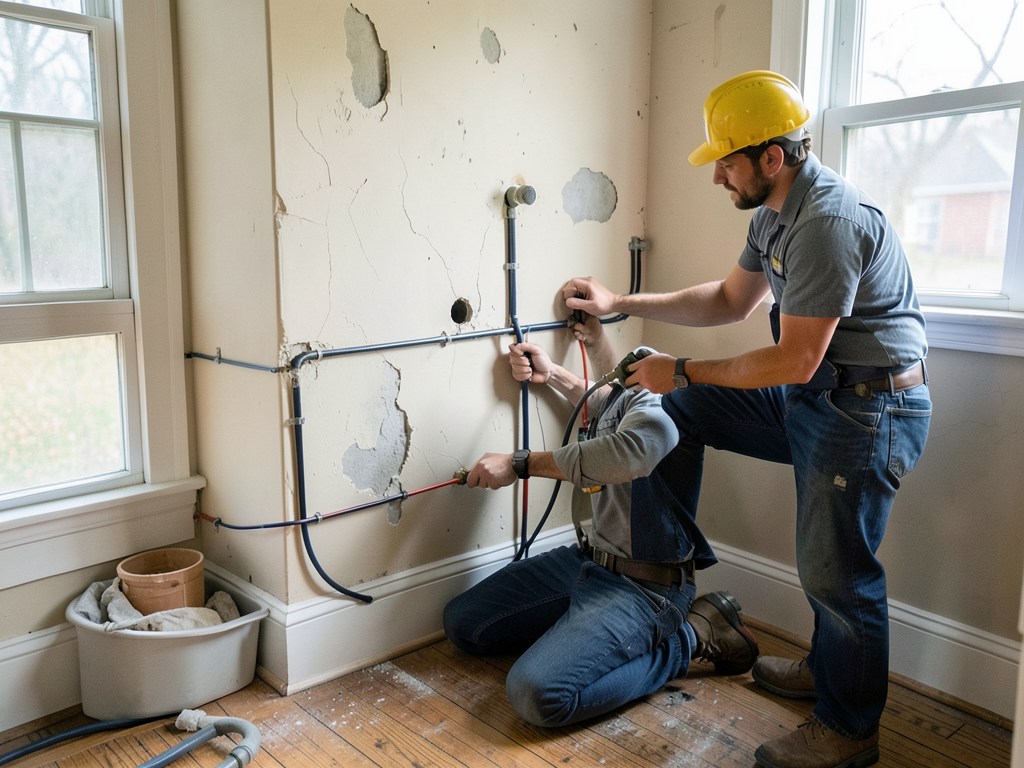
We understand Pittsburgh's unique plumbing challenges because we work exclusively in this region. Our technicians know which neighborhoods have low water pressure requiring specific fixture selections. We recognize that homes in Squirrel Hill, Shadyside, and Highland Park often have galvanized steel supply lines that restrict flow and require different approaches than newer PEX systems in developments.

Pittsburgh's variable water pressure, ranging from 40 to 80 psi depending on elevation and proximity to pumping stations, affects which low-flow fixtures perform well. We recommend products we have installed hundreds of times in local homes, not catalog items that may work elsewhere but fail here. A showerhead that performs acceptably at 60 psi delivers a disappointing experience at 45 psi in hilltop neighborhoods like Mount Washington.

We also navigate Pittsburgh's specific plumbing code requirements. The city requires backflow preventers on certain installations and has specific regulations about fixture spacing and venting that affect replacement options. Attempting DIY upgrades without understanding these requirements often creates code violations that complicate future home sales.

Our familiarity with the Pittsburgh Water and Sewer Authority's rebate programs helps you maximize savings. The PWSA offers rebates for rain barrels, toilet replacements, and other conservation measures. We handle the documentation and ensure installations meet program requirements so you receive available incentives.

How to save water at home depends on your specific situation. Cookie-cutter advice from national websites does not account for Pittsburgh's aging housing stock, local water quality, or regional climate patterns. We provide recommendations based on thousands of local installations and direct knowledge of what works in this market.

What to Expect from Our Water Conservation Services

Same-Week Assessment Availability

We schedule water audits within three to five business days of your call. The assessment takes 60 to 90 minutes depending on home size and plumbing complexity. You receive a written report within 24 hours detailing findings and recommendations. For urgent leak repairs identified during the audit, we carry common parts on our trucks and can often complete fixes immediately, preventing further water waste while you consider larger upgrade projects.

Thorough System Evaluation

Our audit covers every water-using fixture and appliance. We test toilet fill valves and flappers, check aerators for flow restriction from mineral buildup, inspect washing machine hoses for bulging or cracks, examine water heater anode rods and sediment levels, and evaluate outdoor irrigation components. We measure static water pressure and check for pressure fluctuations that indicate supply line problems. This comprehensive approach identifies hidden issues that typical homeowners miss during casual inspections.

Measurable Water Savings

Our recommendations target 20 to 40 percent reductions in total water consumption for most Pittsburgh homes. A family of four typically saves 15,000 to 25,000 gallons annually through fixture upgrades and leak repairs. At current Pittsburgh water rates of approximately six dollars per 1,000 gallons, this translates to $90 to $150 in annual savings. Homes with older fixtures or significant leaks often achieve even greater reductions, sometimes cutting consumption by half.

Ongoing Conservation Support

After implementing water saving techniques, we provide guidance on monitoring results and maintaining efficiency. You receive seasonal reminders about checking for new leaks, adjusting water heater settings, and preparing outdoor plumbing for winter. We offer annual follow-up audits at reduced rates to verify continued performance and identify new opportunities as fixture technology improves. Our goal extends beyond one-time savings to establishing lasting water efficiency strategies that reduce consumption year after year.

Frequently Asked Questions

You Have Questions,
We Have Answers

What are the 10 ways to conserve water? +

Fix leaky faucets and running toilets immediately. Install low-flow showerheads and faucet aerators. Run dishwashers and washing machines only with full loads. Take shorter showers, aiming for five minutes or less. Turn off the tap while brushing teeth or washing dishes. Water your lawn early morning or late evening to reduce evaporation. Collect rainwater in barrels for outdoor use. Scrape dishes instead of pre-rinsing before loading the dishwasher. Use a broom instead of a hose to clean driveways and sidewalks. Insulate hot water pipes to reduce waiting time for warm water in Pittsburgh's cold winters.

What are 7 ways to conserve water? +

Install low-flow toilets and showerheads to reduce water usage per flush and shower. Fix all leaks promptly, as a dripping faucet wastes gallons daily. Run full loads in dishwashers and washing machines. Turn off water while soaping hands, brushing teeth, or scrubbing dishes. Water plants and lawns during cooler hours to minimize evaporation. Use mulch around plants to retain soil moisture longer. Shorten shower times to five minutes or less. These steps work well in Pittsburgh, where municipal water costs continue rising and older homes often have outdated fixtures that waste water unnecessarily.

What are 20 ways to conserve water? +

Start indoors by fixing leaks, installing low-flow fixtures, running full appliance loads, taking shorter showers, and turning off taps while brushing teeth. Use dishwashers instead of handwashing. Insulate pipes to reduce heat loss. Outdoors, water early morning, use rain barrels, apply mulch, choose native plants, sweep driveways instead of hosing, wash cars with buckets, and install drip irrigation. Check sprinkler systems for efficiency. Thaw pipes with towels instead of running water. Use garbage disposals sparingly. Compost food scraps. Reuse pasta water for plants. Pittsburgh's freeze-thaw cycles make pipe insulation and leak prevention especially important for year-round conservation and avoiding costly water damage.

What are the 5 R's of water conservation? +

The 5 R's of water conservation are Reduce, Reuse, Recycle, Repair, and Rethink. Reduce consumption by shortening showers and running full appliance loads. Reuse greywater from sinks or showers for outdoor watering. Recycle water through rain barrels or efficient irrigation systems. Repair leaks immediately, as Pittsburgh's older housing stock often has hidden pipe issues. Rethink your water habits by choosing drought-tolerant landscaping and replacing outdated fixtures. These principles help Pittsburgh residents lower utility bills while protecting local watersheds like the Allegheny, Monongahela, and Ohio Rivers from excessive demand and runoff pollution during heavy rainstorms.

What are 100 ways to save water? +

While listing 100 individual methods would be exhaustive, water conservation falls into key categories. Indoors, upgrade fixtures, fix leaks, optimize appliance use, and change daily habits like shorter showers and turning off taps. Outdoors, improve irrigation efficiency, use rain barrels, apply mulch, choose native plants, and reduce lawn watering. For Pittsburgh homeowners, prioritize winterizing outdoor spigots, insulating pipes in unheated basements, and addressing sump pump efficiency. Focus on high-impact changes first like replacing old toilets that use 3.5 gallons per flush with modern 1.28-gallon models. Small habit changes add up to significant savings over time without requiring major investments.

What are 8 ways to conserve water? +

Fix leaking toilets and faucets, which waste thousands of gallons yearly. Install WaterSense-labeled fixtures like low-flow showerheads and dual-flush toilets. Take five-minute showers instead of baths. Turn off water while lathering hands or scrubbing dishes. Run dishwashers and washing machines with full loads only. Water outdoor plants during early morning hours to reduce evaporation losses. For Pittsburgh residents, addressing basement moisture issues properly prevents unnecessary sump pump cycling. Older neighborhoods in Pittsburgh often have galvanized pipes prone to pinhole leaks, so regular plumbing inspections catch problems before they waste water and cause property damage.

How to save water 30 ways? +

Combine indoor and outdoor strategies for maximum impact. Inside, install efficient fixtures, fix all leaks, take shorter showers, turn off taps when not actively rinsing, run full appliance loads, and use cold water for laundry. Outside, water plants early morning, use rain barrels, apply mulch, choose native species, sweep instead of hosing, wash cars with buckets, and adjust sprinklers to avoid pavement. Pittsburgh-specific tips include insulating pipes in older homes, checking basement humidity to prevent excessive dehumidifier drainage, and maintaining gutters to direct roof runoff properly. Address foundation drainage to reduce sump pump frequency during spring thaws and heavy rains.

How can we save water 50 ways? +

Focus on high-impact changes before minor tweaks. Replace old toilets, showerheads, and faucet aerators with WaterSense models. Fix leaks immediately. Optimize outdoor watering through rain barrels, drip irrigation, and smart timers. Change habits like shorter showers, full appliance loads, and turning off taps. Maintain appliances properly. Insulate hot water pipes. Use mulch and native plants. In Pittsburgh, winterize outdoor plumbing before freezing weather. Check sump pumps for efficiency. Maintain water heaters to reduce standby losses. Address drainage issues that cause excess foundation water infiltration. These strategies protect both your water bill and Pittsburgh's aging water infrastructure from unnecessary strain.

What are 5 ways to reduce water usage? +

Install low-flow showerheads and faucet aerators to cut water use without sacrificing pressure. Fix leaking toilets and faucets immediately, as small drips waste gallons daily. Run dishwashers and washing machines only when full to maximize efficiency per cycle. Reduce shower time to five minutes or less. Turn off water while brushing teeth, washing hands, or scrubbing dishes. Pittsburgh homeowners should also insulate hot water pipes to reduce the wait time for warm water, especially important in older homes with long pipe runs to second-floor bathrooms. These changes lower utility bills while reducing strain on municipal water systems.

What are 5 methods of water conservation? +

Rainwater harvesting captures roof runoff in barrels for outdoor watering. Greywater reuse redirects sink or shower water to irrigate landscaping. Drip irrigation delivers water directly to plant roots, reducing evaporation losses. Soil moisture retention through mulching keeps ground hydrated longer between waterings. Fixture upgrades to low-flow toilets, showerheads, and aerators reduce consumption at the source. Pittsburgh residents benefit most from rainwater harvesting during summer dry spells and fixture upgrades in older homes with original plumbing. These methods work together to reduce demand on municipal systems while lowering water bills and protecting local rivers from excessive withdrawal during drought conditions.

How Pittsburgh's Combined Sewer System Makes Home Water Conservation Critical

Pittsburgh operates one of the largest combined sewer systems in the country, where stormwater and sanitary sewage flow through the same pipes. When heavy rain overwhelms capacity, the system discharges untreated sewage directly into local rivers through permitted overflow points. Reducing indoor water consumption decreases the baseline flow in these pipes, creating more capacity to handle stormwater without triggering overflows. Your water efficiency strategies directly impact river water quality and reduce combined sewer overflow events that contaminate the Allegheny, Monongahela, and Ohio Rivers.

The Pittsburgh Water and Sewer Authority faces a $2 billion infrastructure upgrade mandate, costs that get passed to customers through rate increases. Homes built before 1980 represent over 60 percent of the city's housing stock, and many still have original fixtures designed when water conservation was not a priority. Local plumbers who understand these older systems and Pittsburgh's specific code requirements deliver better results than national chains unfamiliar with the region's unique challenges. We know which products perform well with Pittsburgh's moderately hard water and variable pressure conditions.
Plumbing Services in The Pittsburgh Area

We are proud to be the trusted plumbing partner for the entire Pittsburgh area and its surrounding communities. Our dedicated team is committed to providing prompt and efficient service wherever you are. To get a better sense of our service area and to get in touch with us for all your plumbing needs, please take a look at our location on the map below. We’re always here to help.

Address:
Ace Plumbing Pittsburgh, 1450 Fifth Ave, Pittsburgh, PA, 15219

Additional Services We Offer

Our news updates

Latest Articles & News from The Blogs

Why You Need a Plumbing Camera Inspection Before Buying That Mount Oliver Fixer Upper \n\n Buying a fixer upper in…

Why You Need a Plumbing Camera Inspection Before Buying That Mount Oliver Fixer Upper

Why You Need a Plumbing Camera Inspection Before Buying That Mount Oliver Fixer Upper \n\n Buying a fixer upper in…

Replacing Every Old Pipe in Your Swissvale Home Without the Stress

Replacing Every Old Pipe in Your Swissvale Home Without the Stress Swissvale homes built before 1970 often hide a ticking…

Reliable Ejector Pump Repair and Install for Robinson Township Basement Bathrooms

Expert Ejector Pump Repair in Robinson Township PA Basement bathrooms in Robinson Township homes often sit below the main sewer…

Contact Us

Call Ace Plumbing Pittsburgh at (412) 382-8366 to schedule your water conservation audit. We will identify your biggest opportunities for reducing water consumption and provide a clear plan for cutting your water bill while protecting local rivers.