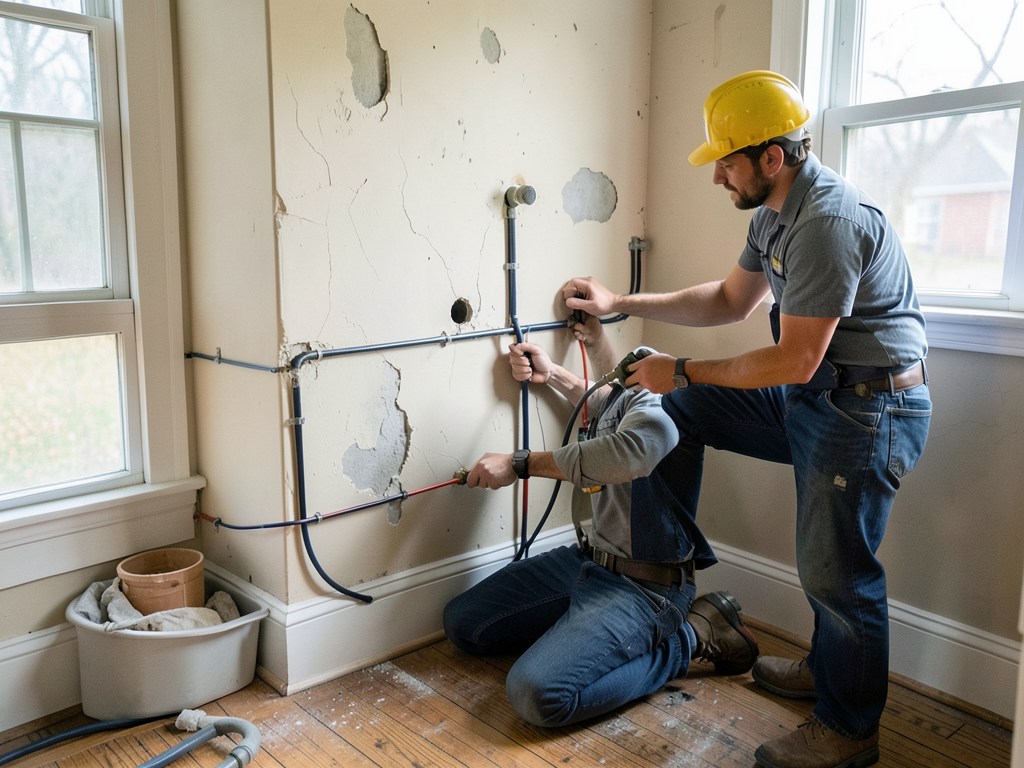






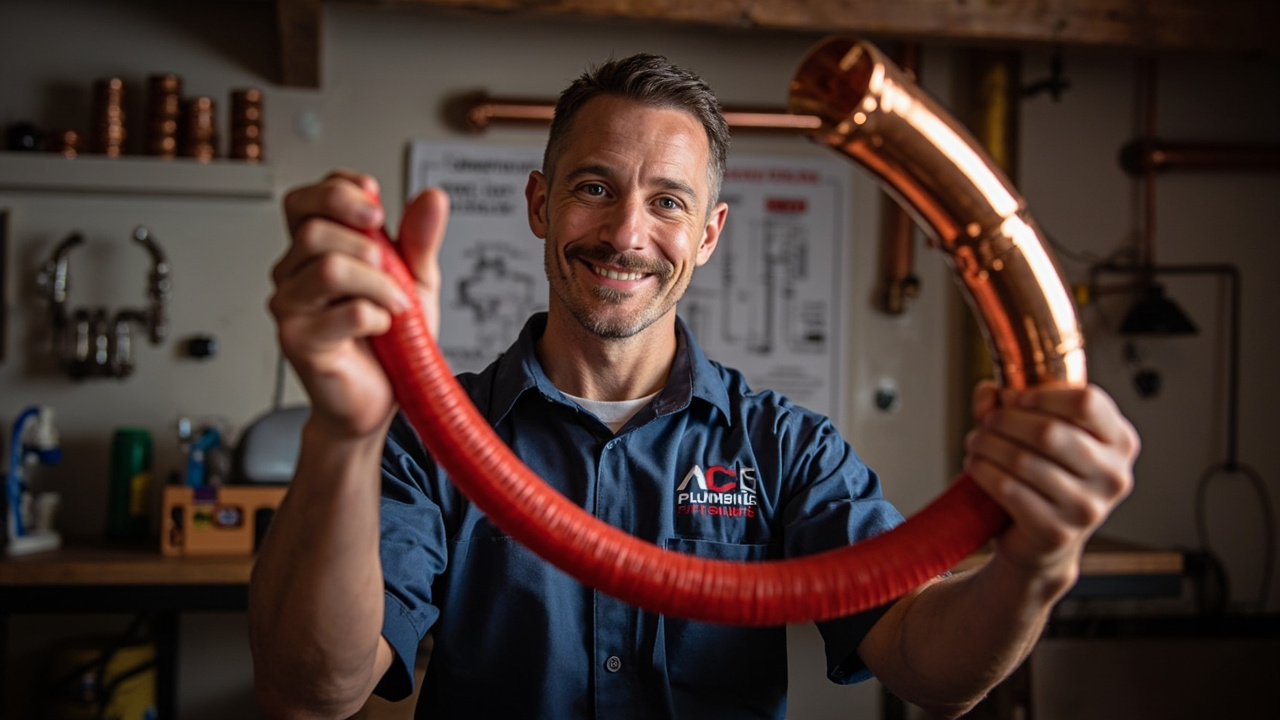
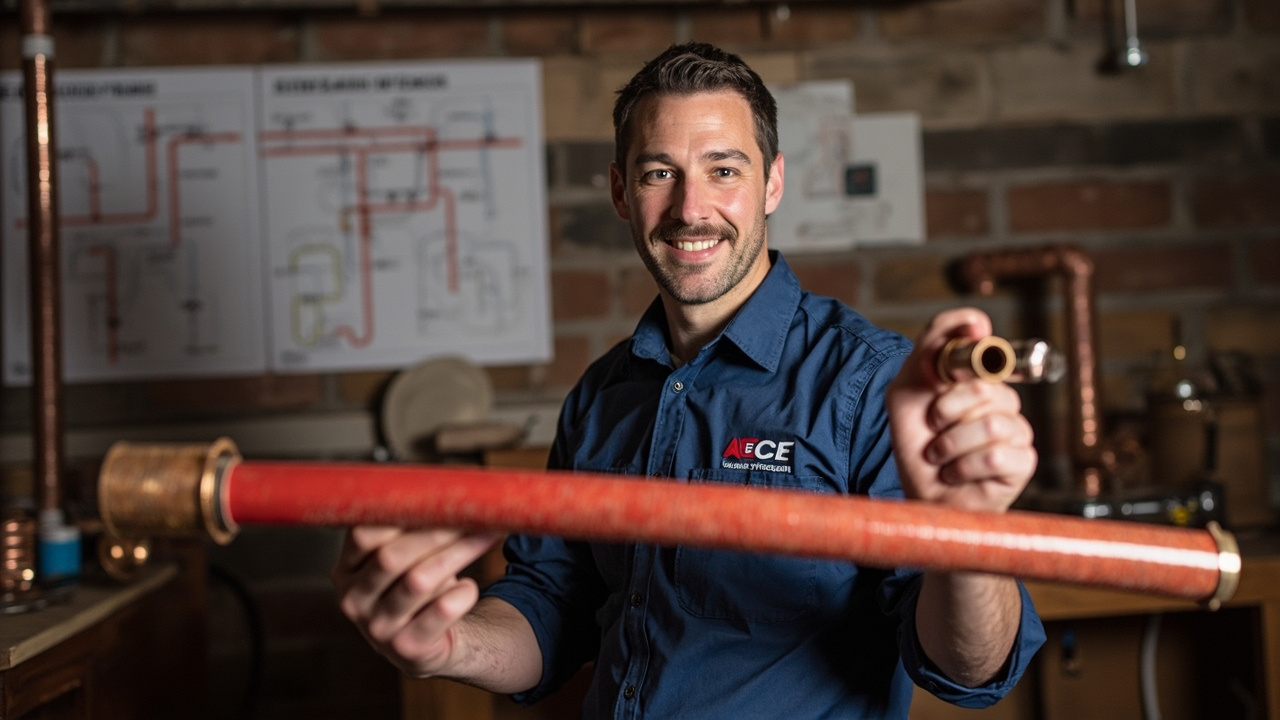
Pittsburgh receives water from the Allegheny River through treatment plants that add chloramine for disinfection. This chemical combination proves harsher on copper than traditional chlorine treatment, accelerating pinhole leak development in homes with aggressive water chemistry. The region's freeze-thaw cycles create another challenge. Temperatures regularly swing from below freezing to above 40 degrees throughout winter, causing expansion and contraction that stresses rigid copper joints. PEX handles these temperature changes better due to material flexibility, making it advantageous in poorly insulated older homes common throughout the city.
Allegheny County building codes permit both copper and PEX for residential plumbing with specific installation requirements for each material. Inspectors verify proper support spacing, correct fitting types, and adequate insulation in unconditioned spaces. Working with local plumbing professionals who understand these requirements prevents installation failures and code violations. Our experience with Pittsburgh's housing stock, from century-old brick homes in Polish Hill to new construction in Cranberry Township, means we know which piping solution fits your specific property type and budget constraints.