





Pittsburgh's combined sewer system, which handles both stormwater and wastewater in the same pipes, creates backpressure during heavy rains. When the system reaches capacity, pressure pushes back into residential drain lines, causing toilets to gurgle, flush weakly, or overflow. This is especially common in low-lying areas near the three rivers. Toilet replacement services often include upgrading to pressure-assisted models that overcome this backpressure better than gravity-fed units. Understanding this infrastructure reality prevents misdiagnosis of what seems like a simple toilet problem but is actually a systemic drainage issue.
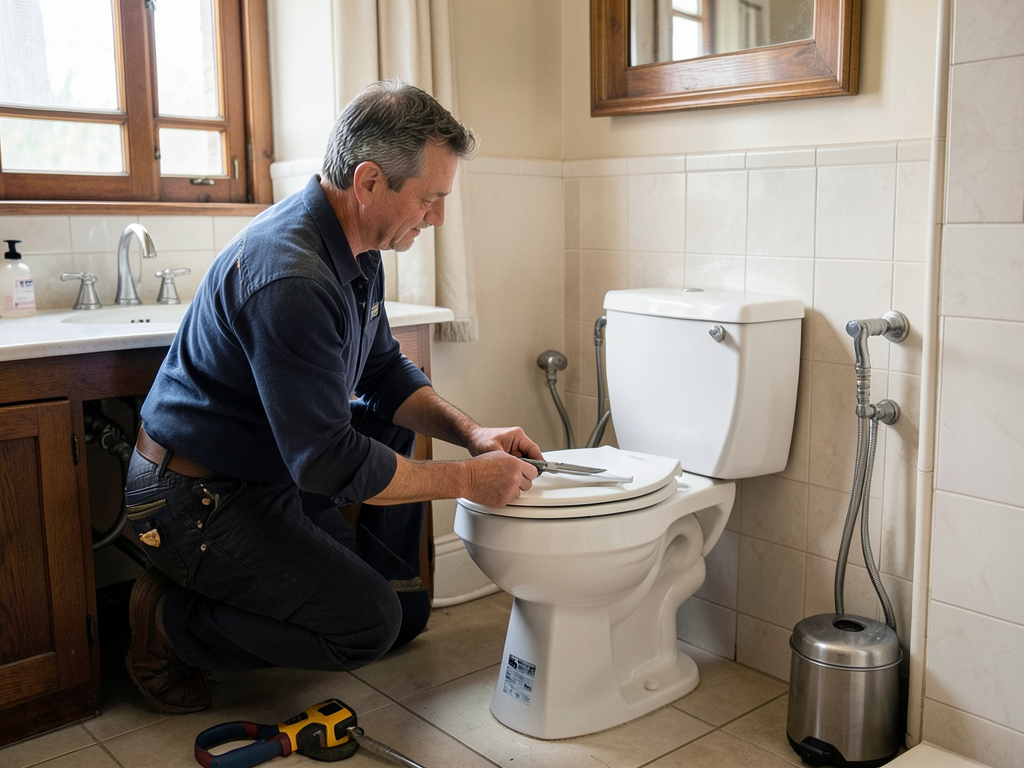
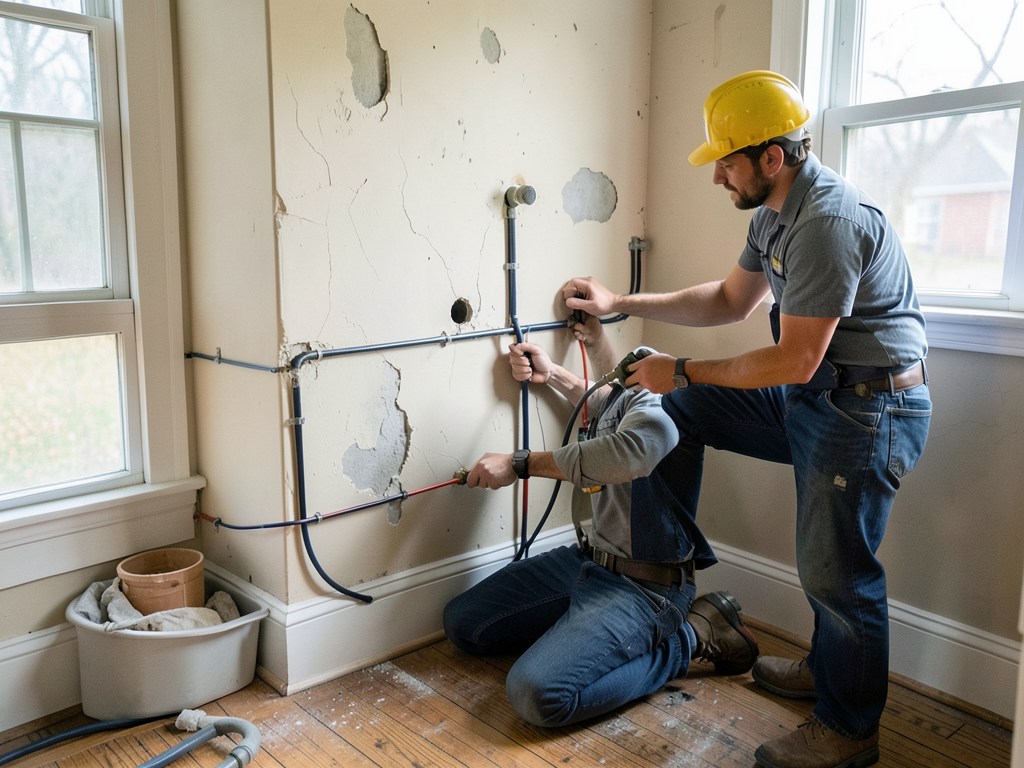
Allegheny County enforces strict plumbing codes for toilet installations, requiring proper venting, specific trap configurations, and compliant wax ring installations. Many older Pittsburgh homes were plumbed before modern codes existed, so new toilet installation sometimes requires upgrading the drain flange or adding vent lines to meet current standards. Working with a plumber who pulls permits and understands local inspection requirements protects your investment and ensures your home remains code-compliant for future sales or refinancing. We navigate these regulations daily across every Pittsburgh neighborhood.