




Menu

Sediment Buildup in Pipes in Pittsburgh – Expert Diagnosis and Permanent Repairs

We identify the root cause of sediment buildup in your water lines, then use proven descaling and pipe restoration methods to eliminate mineral deposits and restore full flow in Pittsburgh homes and businesses.

Slider Image 1
Slider Image 2
Slider Image 3
Slider Image 4
Slider Image 5
Slider Image 7
Slider Image 8
Slider Image 9
Slider Image 10
Slider Image 11

Why Pittsburgh Water Creates Sediment Problems in Your Pipes

You turn on the faucet, and the water pressure barely reaches a trickle. Or you notice rust-colored water sputtering out first thing in the morning. These are textbook signs of sediment buildup inside your pipes.

Pittsburgh sits at the convergence of three rivers, and the water supply here carries significant mineral content. The Allegheny, Monongahela, and Ohio rivers contribute dissolved calcium, magnesium, and iron to the municipal water supply. Over time, these minerals bond to the interior walls of your pipes, creating hard water pipe scaling that narrows the diameter and restricts flow.

The problem accelerates in older neighborhoods like Shadyside, Squirrel Hill, and the North Side, where original galvanized steel pipes still serve many properties. These older materials corrode from the inside out, creating rough surfaces where limescale accumulation in plumbing takes hold faster. The combination of mineral-rich water and aging infrastructure makes pipe calcification problems a daily reality for thousands of Pittsburgh residents.

You also deal with fluctuating water temperature during freeze-thaw cycles. When pipes contract and expand seasonally, existing calcium buildup in water lines can crack loose and block fixtures downstream. This creates sudden pressure drops, inconsistent hot water delivery, and premature failure of water heaters and appliances.

Sediment buildup is not just a flow issue. It harbors bacteria, accelerates corrosion, and can lead to pinhole leaks in copper lines or catastrophic failures in galvanized steel. Ignoring mineral deposits in water pipes turns a fixable maintenance issue into a full repiping project.

Why Pittsburgh Water Creates Sediment Problems in Your Pipes
How We Eliminate Sediment and Restore Your Water System

How We Eliminate Sediment and Restore Your Water System

We do not guess. We start with a video camera inspection of your drain and supply lines to pinpoint where sediment has accumulated and how severe the restriction has become. The camera feed shows us the texture and thickness of the buildup, whether it is soft mineral sludge or hardened calcium carbonate scale.

For moderate sediment buildup, we use hydro jetting equipment that fires pressurized water at 3,000 to 4,000 PSI through the pipe interior. This method scours away limescale accumulation, rust particles, and biofilm without damaging the pipe walls. We control the nozzle angle and pressure based on pipe material, whether copper, PEX, or galvanized steel, to avoid creating new problems while solving the old one.

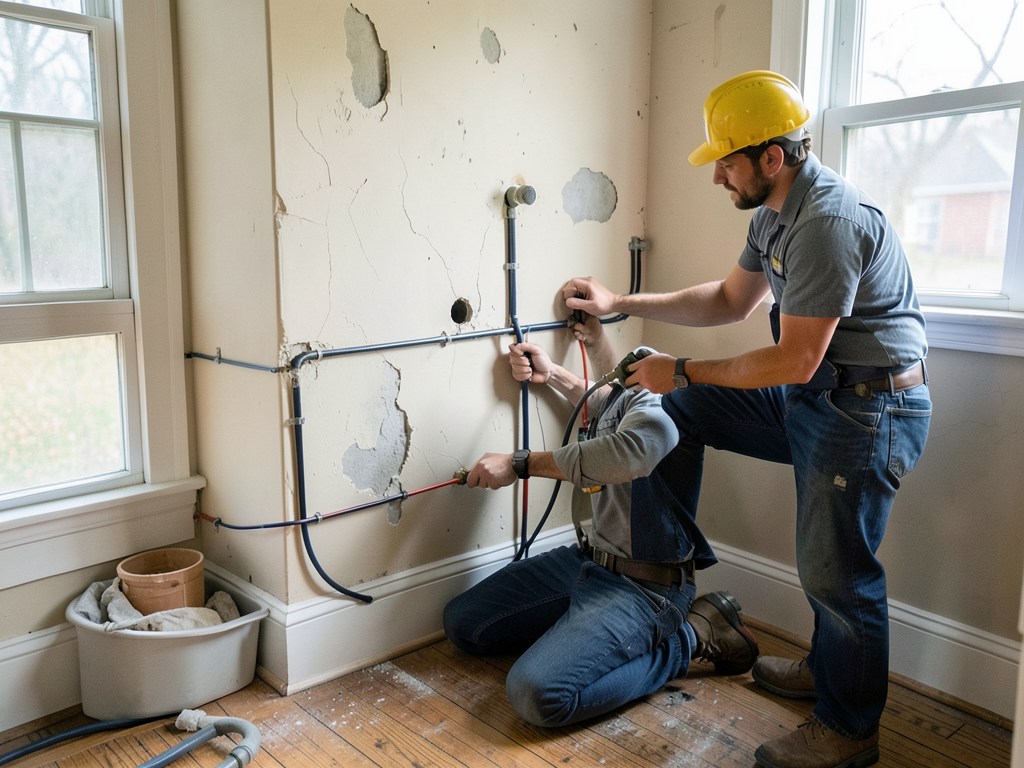
When hard water pipe scaling has progressed to the point where hydro jetting is not sufficient, we perform targeted pipe replacement on the most compromised sections. We cut out the calcified segment and install new copper or PEX tubing, then test pressure and flow to verify the repair.

If your entire system shows chronic pipe calcification problems, we assess whether a whole-home water softener or filtration system makes sense. Softeners use ion exchange to remove calcium and magnesium before they enter your pipes, which stops future buildup at the source. We size the system based on your household water usage and the hardness level of your specific supply.

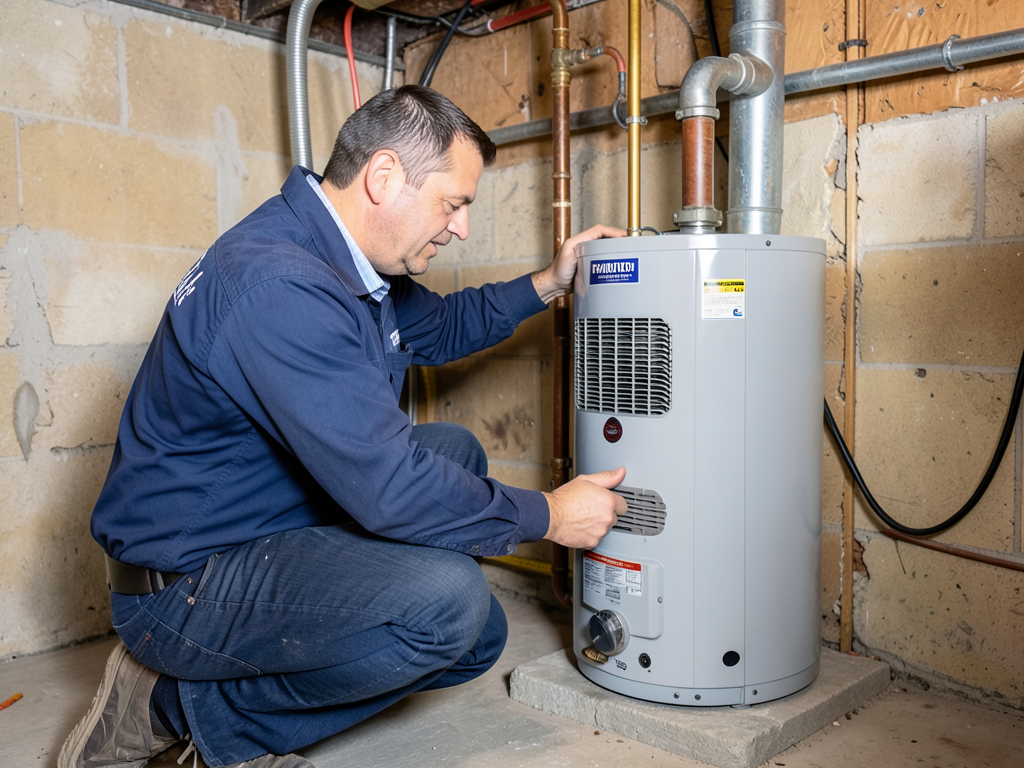
We also flush your water heater tank during the same visit. Sediment settles at the bottom of the tank and reduces heating efficiency, increases energy bills, and shortens the lifespan of the unit. Draining and flushing the tank removes this debris and prevents it from recirculating into your hot water lines.

What Happens During a Sediment Removal Service

Sediment Buildup in Pipes in Pittsburgh – Expert Diagnosis and Permanent Repairs
01

System Inspection and Mapping

We begin by mapping your plumbing layout and identifying problem areas through visual inspection and pressure testing. Using a fiber-optic camera, we inspect the interior condition of accessible pipes to measure buildup thickness and locate blockages. This diagnostic step tells us whether you need cleaning, descaling, or replacement, and prevents unnecessary work.
02

Hydro Jetting and Descaling

We insert a high-pressure jetting nozzle into your water lines and use calibrated water force to strip away mineral deposits, rust scale, and organic buildup. The rotating jet head covers the full pipe circumference, restoring the original diameter. We adjust pressure based on pipe material to avoid damage. Debris is flushed out through the drain system or captured at the access point.
03

Flow Testing and Prevention

After cleaning, we test water pressure and flow rate at multiple fixtures to confirm the restoration worked. We check for leaks at joints and connections that may have been stressed by the buildup. Then we discuss preventive measures like water softener installation, tankless water heater upgrades, or routine flushing schedules to keep sediment from returning and extend the life of your plumbing system.

Why Pittsburgh Property Owners Trust Ace Plumbing for Pipe Sediment Issues

Pittsburgh has unique water chemistry. The rivers feeding the municipal supply carry higher dissolved mineral levels than many other regions, and the city's aging housing stock means you are more likely to have galvanized steel or older copper pipes vulnerable to scaling. You need a plumber who understands this combination.

Ace Plumbing Pittsburgh has worked in every neighborhood from Mount Washington to Lawrenceville. We know that homes built before 1960 in areas like Highland Park and Brookline often still have original galvanized supply lines. We know that properties near the Allegheny have different hardness levels than those closer to the Mon. We use this knowledge to tailor our approach instead of applying a one-size-fits-all solution.

We also understand local building codes and permit requirements for major plumbing work. If your sediment problem requires repiping sections of your home, we pull the necessary permits and schedule inspections to keep everything compliant. This protects your property value and prevents issues when you sell.

Our technicians carry high-resolution inspection cameras, variable-pressure jetting equipment, and pipe-cutting tools on every truck. We do not need to leave mid-job to get the right tool. We diagnose the problem, explain your options, and complete the work in one visit whenever possible.

You also get transparent communication. We show you the camera footage of your pipes before and after cleaning. We explain what caused the buildup, how we fixed it, and what you can do to prevent recurrence. No jargon without explanation. No surprise charges for work you did not authorize.

We have cleared sediment from century-old homes in Shadyside and modern condos in the South Side. The process is the same, but the details matter. That is why property managers and homeowners call us first when water pressure drops or discolored water appears.

What You Can Expect When You Call Ace Plumbing

Response Time and Scheduling

We answer the phone during business hours and offer same-day or next-day appointments for sediment issues causing significant flow restriction. If your water pressure has dropped to the point where showers and appliances are not working properly, we prioritize your call. Emergency service is available for situations where buildup has caused a pipe failure or leak. We arrive with the diagnostic tools and cleaning equipment needed to address the issue immediately, not just assess it.

Initial Assessment and Camera Inspection

We start by asking about your symptoms, when you first noticed them, and whether the problem is isolated to one fixture or affects the whole house. Then we test water pressure at multiple points and use a camera to inspect the interior of your pipes. You see the same footage we do, in real time, so you understand the severity of the buildup. We explain what we found, what options you have, and provide upfront pricing before we start any cleaning or repair work.

Cleaning Results and Flow Restoration

After we complete hydro jetting or descaling, we run water through the system and measure pressure and flow rate again. You should notice an immediate difference in water delivery at fixtures. We verify that hot water reaches taps quickly and that appliances fill at normal speed. If we replaced pipe sections, we pressure-test the new connections to confirm there are no leaks. You get clean pipes, restored flow, and documentation of the work completed for your property records.

Preventive Recommendations and Follow-Up

We do not just fix the immediate problem and disappear. We discuss what caused the sediment buildup and whether a water softener, whole-home filter, or routine maintenance plan makes sense for your property. If your water heater is accumulating sediment quickly, we recommend an annual flushing service to prevent tank failure. We also provide guidance on recognizing early warning signs so you can address future issues before they become emergencies. Our goal is to keep your plumbing system functional for years, not just until the next breakdown.

Frequently Asked Questions

You Have Questions,
We Have Answers

How do you flush sediment out of pipes? +

Flushing sediment from pipes requires shutting off the main water supply, opening all faucets and drain valves, and running water through the system until it clears. For water heaters, attach a hose to the drain valve and flush until water runs clear. Pittsburgh's older infrastructure and hard water create heavy mineral deposits that standard flushing may not fully remove. Stubborn sediment often needs professional hydro-jetting, which uses high-pressure water to scour pipe interiors. You can attempt basic flushing yourself, but persistent sediment buildup requires specialized equipment to prevent recurrence and restore proper flow.

What causes sediment buildup in pipes? +

Sediment buildup comes from mineral deposits in hard water, rust from aging pipes, sand and grit from the municipal supply, and biofilm accumulation. Pittsburgh's water contains calcium and magnesium that precipitate as scale inside pipes. The city's century-old infrastructure often introduces rust particles and sediment into home plumbing. Temperature changes accelerate mineral crystallization, especially in water heaters. Clay soil common throughout the Pittsburgh area can infiltrate cracked pipes. Galvanized pipes corrode from the inside, creating iron oxide flakes. Biofilm forms when bacteria colonize pipe walls, trapping additional particles and narrowing flow passages over time.

How much to flush pipes in a house? +

Basic pipe flushing typically ranges from affordable to moderate, depending on system complexity. Simple water heater flushing costs less than whole-house hydro-jetting. Pittsburgh homes with older galvanized pipes or extensive sediment accumulation require more labor and equipment time. Prices increase if sediment has caused partial blockages or damaged fixtures. Many plumbers charge hourly rates, so the extent of buildup directly affects cost. Get a camera inspection first to assess sediment severity before committing to flushing. Preventive annual flushing costs far less than emergency repairs from sediment-related pipe damage or complete replacements.

How to get rid of debris in pipes? +

Remove pipe debris through mechanical methods like snaking, hydro-jetting, or pipe replacement. For minor debris, a drain auger can break up and extract material. Hydro-jetting uses pressurized water to blast debris from pipe walls and flush it through the system. Pittsburgh's freeze-thaw cycles often crack pipes, allowing soil and debris inside. Camera inspections identify debris location and severity before choosing a removal method. Chemical cleaners rarely work on solid debris and may damage pipes. Persistent debris often signals deteriorating pipe conditions requiring professional assessment to prevent recurring problems and potential water damage.

How do plumbers descale pipes? +

Plumbers descale pipes using hydro-jetting equipment that delivers water at pressures up to 4,000 PSI through specialized nozzles. The high-pressure stream scours mineral scale, rust, and buildup from pipe interiors without damaging the pipe material. For severe scaling in Pittsburgh homes with hard water, plumbers may use mechanical descaling tools or chemical treatments designed for specific pipe materials. Camera inspections guide the process by showing scale thickness and location. Descaling restores pipe diameter, improves water pressure, and extends pipe life. Older galvanized pipes may need replacement instead if scaling has caused significant corrosion damage.

Why should you never use baking soda and vinegar to unclog a drain? +

Baking soda and vinegar create a brief fizzing reaction that lacks the chemical strength or pressure to clear actual clogs. The reaction is mostly carbon dioxide gas that dissipates quickly, providing minimal cleaning power. This method wastes time when real clogs require mechanical removal or professional intervention. Pittsburgh's aging pipes often have grease, hair, and mineral buildup that simple home remedies cannot address. The false sense of progress delays proper treatment, allowing clogs to worsen. Standing water from failed DIY attempts can damage fixtures and encourage mold growth. Professional tools clear clogs effectively the first time.

How much does it cost for a plumber to unblock a pipe? +

Costs for unblocking pipes vary based on clog location, severity, and access difficulty. Simple drain clogs cost less than main line blockages requiring excavation. Pittsburgh homes with basement access typically have lower labor costs than properties needing exterior digging. Emergency calls during nights or weekends carry premium rates. Camera inspections add to total costs but prevent unnecessary work by pinpointing exact problems. Tree root intrusion common in Pittsburgh's mature neighborhoods increases complexity and expense. Hydro-jetting costs more than basic snaking but provides more thorough cleaning. Request detailed estimates before authorizing work to avoid surprise charges.

Why do plumbers say not to use drain cleaner? +

Plumbers warn against chemical drain cleaners because they corrode pipes, create toxic fumes, and rarely solve underlying problems. The harsh acids and bases damage PVC joints, eat through older metal pipes, and contaminate septic systems. Pittsburgh's aging infrastructure already suffers from corrosion without adding aggressive chemicals. Cleaners often push clogs deeper rather than clearing them, making professional removal harder. The caustic splashback can burn skin and eyes during application. Repeated use weakens pipe integrity, leading to leaks and expensive repairs. Chemical residue complicates subsequent professional work and poses health risks to plumbers working on treated systems.

How much does it cost to have your main sewer line cleaned? +

Main sewer line cleaning costs depend on line length, blockage type, and access points. Standard cleaning with cable augers costs less than hydro-jetting or excavation. Pittsburgh properties with deep burial depths or challenging terrain face higher labor costs. Tree root infiltration requires specialized cutting equipment and increases expense. Camera inspections help determine the most cost-effective approach. Lines with multiple cleanouts are easier and cheaper to service than those requiring excavation. Older homes in Pittsburgh's historic neighborhoods may have clay pipes needing gentler handling. Pricing varies between companies, so compare detailed estimates including equipment, labor, and disposal fees.

Does homeowners insurance cover sewer line repair? +

Homeowners insurance rarely covers sewer line repairs because they classify it as maintenance rather than sudden damage. Most policies exclude wear and tear, deterioration, and root damage to underground pipes. Pittsburgh's aging clay sewer laterals often fail from age-related issues that insurance considers preventable. Some insurers offer optional sewer backup endorsements covering interior damage from backups but not exterior pipe repairs. Damage from covered perils like vehicle impact or vandalism may qualify. Review your specific policy language and consider supplemental sewer line insurance for older properties. Preventive maintenance protects you better than relying on insurance coverage.

How Pittsburgh's River-Fed Water Supply Accelerates Pipe Scaling

Pittsburgh's municipal water comes from the Allegheny River, which flows through limestone-rich terrain before reaching the city. This geological path loads the water with dissolved calcium and magnesium, creating what residents experience as hard water. When that water sits in your pipes, the minerals precipitate out and bond to pipe walls, forming limescale. Homes in older neighborhoods with galvanized steel pipes see faster accumulation because the rough, corroded interior provides more surface area for calcium buildup. The freeze-thaw cycle common to western Pennsylvania also stresses pipes, causing microscopic cracks where mineral deposits take hold even faster.

Ace Plumbing Pittsburgh works exclusively in Allegheny County and understands how local water conditions affect your plumbing. We have worked with the Pittsburgh Water and Sewer Authority standards and know the specific challenges posed by the regional supply. When we inspect your pipes, we account for the hardness levels typical to your neighborhood and recommend solutions based on what actually works in Pittsburgh homes, not generic advice from a national chain. Choosing a local plumber means you get someone who has seen your exact problem hundreds of times and knows how to fix it permanently.
Plumbing Services in The Pittsburgh Area

We are proud to be the trusted plumbing partner for the entire Pittsburgh area and its surrounding communities. Our dedicated team is committed to providing prompt and efficient service wherever you are. To get a better sense of our service area and to get in touch with us for all your plumbing needs, please take a look at our location on the map below. We’re always here to help.

Address:
Ace Plumbing Pittsburgh, 1450 Fifth Ave, Pittsburgh, PA, 15219

Additional Services We Offer

Our news updates

Latest Articles & News from The Blogs

Why You Need a Plumbing Camera Inspection Before Buying That Mount Oliver Fixer Upper \n\n Buying a fixer upper in…

Why You Need a Plumbing Camera Inspection Before Buying That Mount Oliver Fixer Upper

Why You Need a Plumbing Camera Inspection Before Buying That Mount Oliver Fixer Upper \n\n Buying a fixer upper in…

Replacing Every Old Pipe in Your Swissvale Home Without the Stress

Replacing Every Old Pipe in Your Swissvale Home Without the Stress Swissvale homes built before 1970 often hide a ticking…

Reliable Ejector Pump Repair and Install for Robinson Township Basement Bathrooms

Expert Ejector Pump Repair in Robinson Township PA Basement bathrooms in Robinson Township homes often sit below the main sewer…

Contact Us

Do not wait until sediment buildup causes a pipe failure or destroys your water heater. Call Ace Plumbing Pittsburgh at (412) 382-8366 to schedule a camera inspection and pressure test. We will show you what is happening inside your pipes and restore full flow fast.