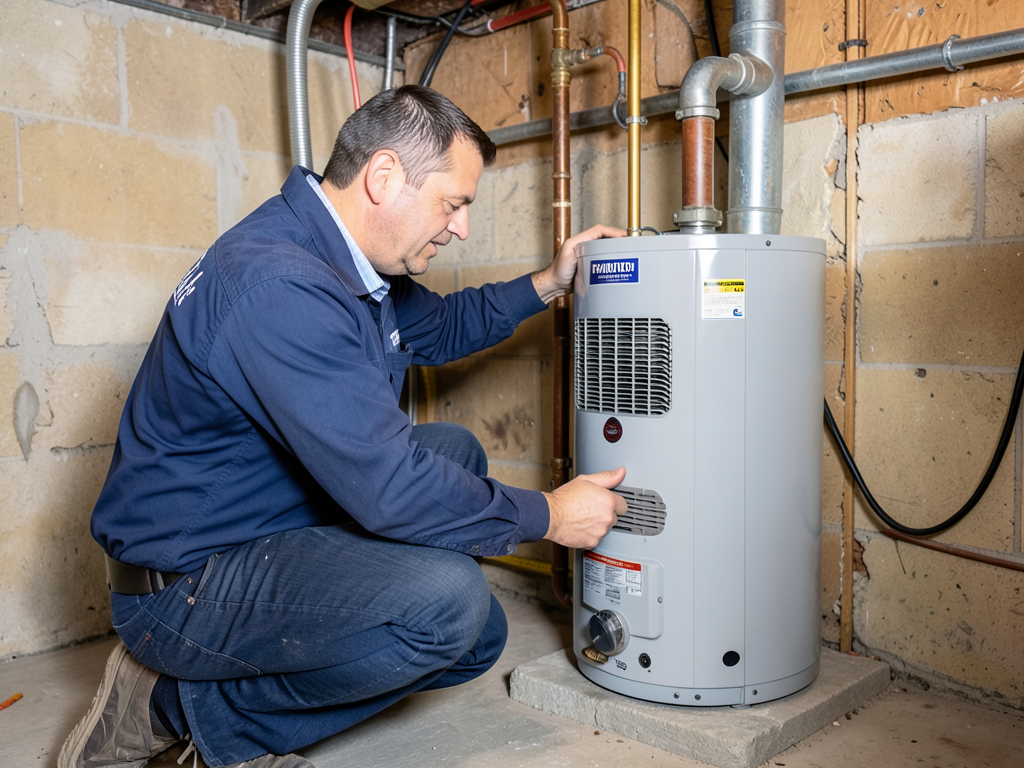







Pittsburgh's municipal water supply contains significant mineral content that accelerates scale formation inside tankless heat exchangers. The Allegheny River watershed carries dissolved calcium and magnesium that precipitate when heated above 140 degrees. This creates a crusty buildup on the copper fins inside your tankless unit. As the deposits thicken, they restrict flow and create hot spots that trigger the temperature sensors to cycle the burner on and off erratically. What starts as a minor cold water sandwich becomes a severe tankless temperature fluctuation problem within 18 to 24 months of installation if you skip descaling service.
Ace Plumbing Pittsburgh has worked on tankless water heaters in every Pittsburgh neighborhood from the North Hills to the South Hills. We understand local water chemistry and how it affects different tankless brands. We know which units handle mineral buildup better and which ones fail prematurely without proper maintenance. Our technicians train specifically on diagnosing intermittent cold water tankless issues that other plumbers misidentify as normal operation. When you work with a local team that understands Pittsburgh's water and Pittsburgh's homes, you get faster diagnosis and better results.