




Menu

Mold in Bathroom Cabinets in Pittsburgh | Expert Detection and Permanent Moisture Control

Professional Plumbing Diagnostics for Bathroom Vanity Mold and Hidden Leaks Causing Mildew Growth in Pittsburgh Bathrooms

Slider Image 1
Slider Image 2
Slider Image 3
Slider Image 4
Slider Image 5
Slider Image 7
Slider Image 8
Slider Image 9
Slider Image 10
Slider Image 11

Why Pittsburgh Bathrooms Are Breeding Grounds for Hidden Mold Growth

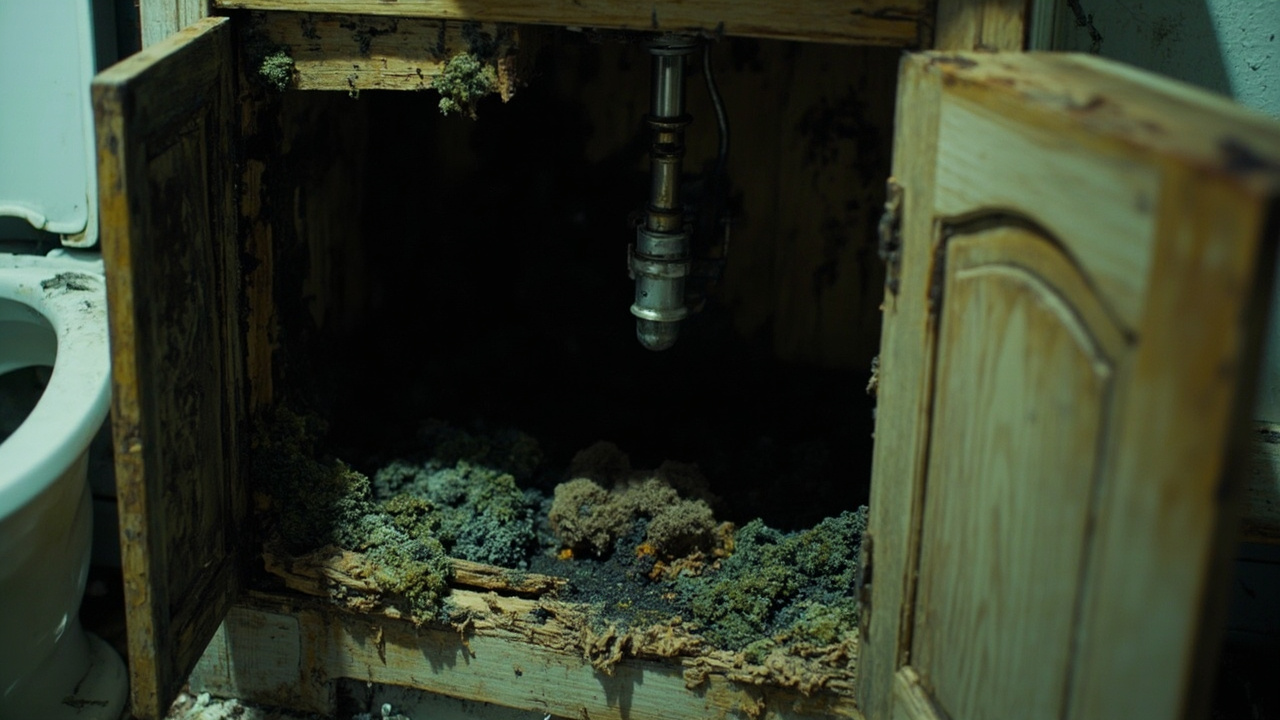
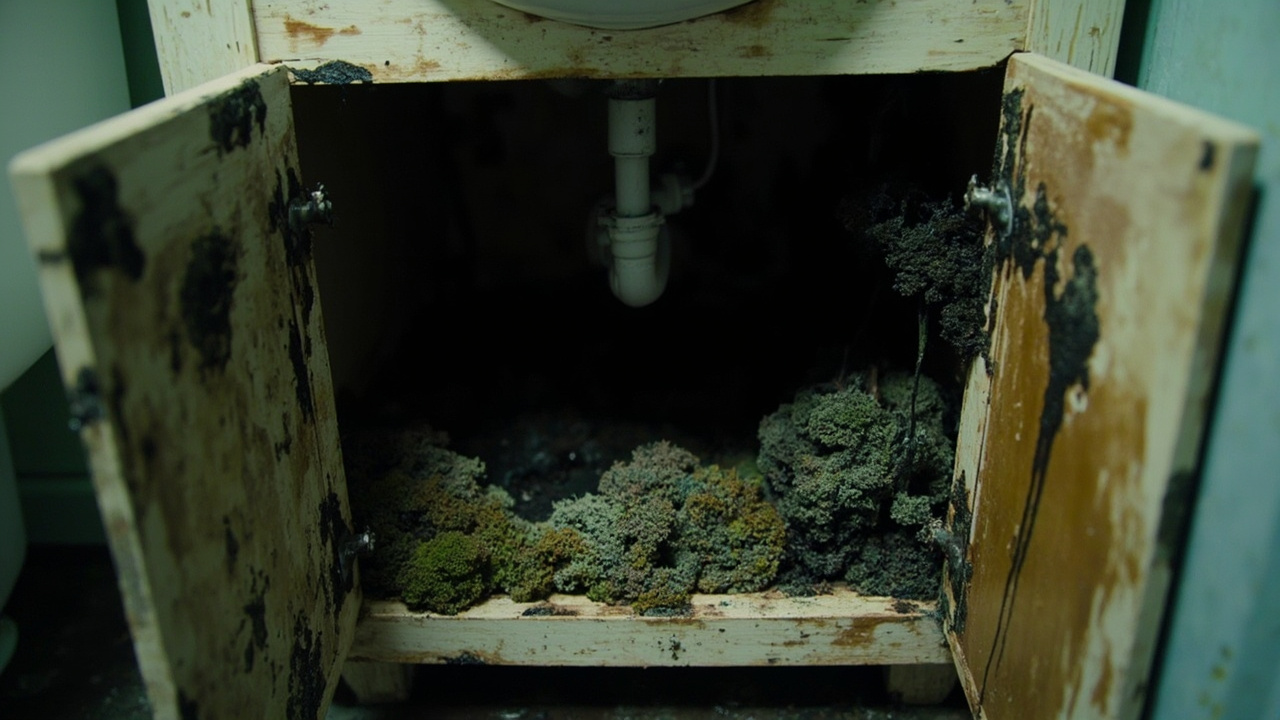
You open the cabinet under your bathroom sink and smell it before you see it. That earthy, musty odor that makes you recoil. When you finally look inside, you find dark spots spreading across the back panel or creeping up the vanity sides. Bathroom vanity mold is not just unsightly. It signals a plumbing failure you cannot afford to ignore.

Pittsburgh's humidity levels, which spike during summer months and persist through our foggy winters, create perfect conditions for mold growth inside vanity cabinets. The Three Rivers region sees high moisture levels year-round, and when you combine that with poor ventilation in older bathrooms common to Shadyside, Squirrel Hill, and Highland Park homes, you get persistent dampness.

Mold under bathroom sinks rarely appears without a water source. The culprits include slow pipe leaks from corroded supply lines, failed wax rings on toilets that share vanity walls, or compromised drain assemblies that weep water into cabinet interiors. Pittsburgh's aging housing stock, much of it built before modern plumbing codes, often features galvanized pipes that corrode from the inside out. This hidden deterioration feeds bathroom cupboard mold that homeowners discover only after damage spreads.

Mildew in bathroom cabinets also thrives when condensation forms on cold water supply lines during humid months. Without proper pipe insulation or adequate cabinet ventilation, moisture accumulates on surfaces and never fully dries. The result is black, green, or white fungal colonies that compromise both your cabinet structure and your indoor air quality. Ignoring mold growth inside vanity cabinets leads to wood rot, particle board disintegration, and potential respiratory issues for your household.

Why Pittsburgh Bathrooms Are Breeding Grounds for Hidden Mold Growth
How Professional Plumbers Eliminate the Moisture Source Behind Cabinet Mold

How Professional Plumbers Eliminate the Moisture Source Behind Cabinet Mold

Treating visible mold without addressing the underlying plumbing failure guarantees recurrence. You need to stop the water intrusion permanently, and that requires diagnostic tools and expertise most homeowners lack.

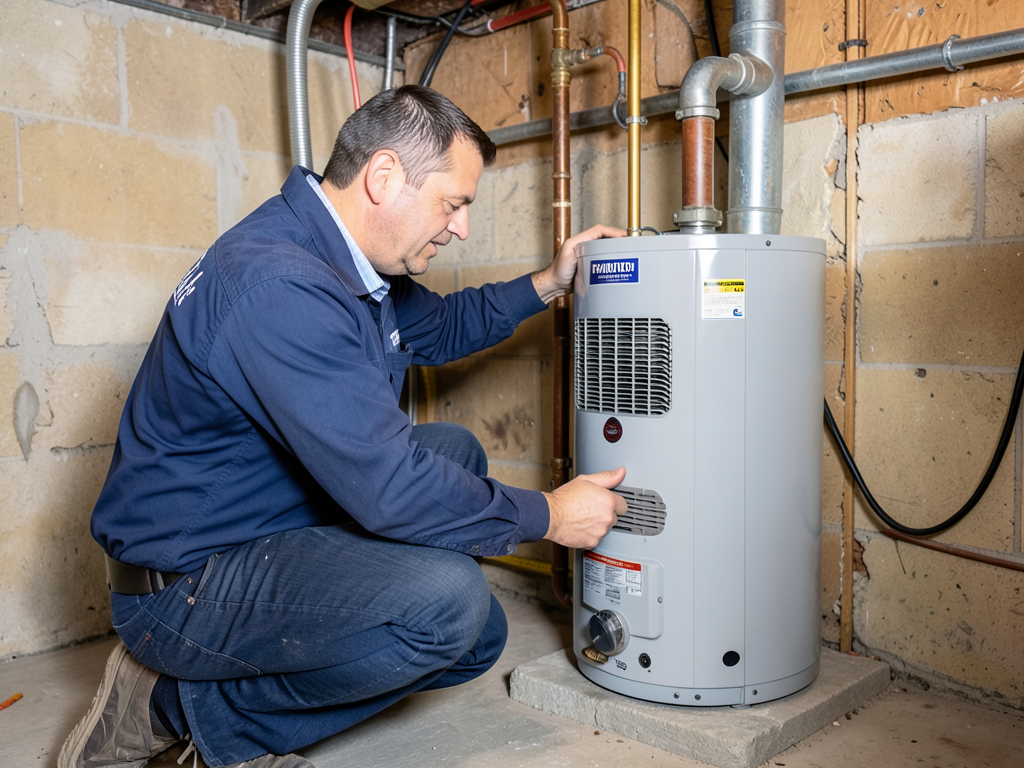
When you contact Ace Plumbing Pittsburgh about bathroom vanity mold, we begin with moisture mapping. We use infrared cameras to detect hidden water behind walls and under flooring near affected cabinets. This non-invasive technology reveals leak patterns invisible to the naked eye. We also inspect all supply line connections, P-trap assemblies, drain tailpieces, and shut-off valves for signs of weeping or active dripping.

Next, we test for pressure abnormalities in your supply lines. Fluctuating water pressure can stress compression fittings and braided supply hoses, causing microscopic leaks that feed mold under bathroom sinks. We measure static pressure and identify any surges that could compromise connections over time.

For older homes in neighborhoods like Point Breeze or East Liberty, we inspect the condition of galvanized or cast iron drain lines. These materials corrode internally, and small pinhole leaks often develop at horizontal pipe runs or elbow joints hidden inside vanity cabinets. We use fiber optic inspection cameras to examine pipe interiors without destructive demolition.

Once we identify the moisture source, we replace failed components with modern, code-compliant materials. This means PEX or copper supply lines with proper shut-off valves, PVC drain assemblies with watertight connections, and properly vented drain systems that prevent negative pressure issues. We also recommend cabinet modifications like adding ventilation holes or installing moisture barriers to prevent future condensation problems. The goal is permanent elimination of the conditions that allowed mildew in bathroom cabinets to establish in the first place.

What Happens When We Investigate Your Bathroom Mold Issue

Mold in Bathroom Cabinets in Pittsburgh | Expert Detection and Permanent Moisture Control
01

Initial Moisture Assessment

We start by examining the full extent of moisture damage using thermal imaging and moisture meters. You get a complete picture of where water is traveling, not just where mold appears on the surface. We check adjacent walls, subfloors, and concealed pipe runs to map the entire affected area. This diagnostic phase prevents surprises during repair and ensures we address every leak point contributing to bathroom cupboard mold.
02

Leak Source Identification

After mapping moisture patterns, we isolate the exact failure point. This involves pressure testing supply lines, inspecting drain connections under load, and evaluating vent system performance. We differentiate between supply line leaks, drain weeping, and condensation issues because each requires a different repair approach. You receive a detailed explanation of what failed, why it failed, and what replacement components will resolve the issue permanently for mold growth inside vanity spaces.
03

Permanent Plumbing Repair

We replace compromised plumbing components with modern materials designed to prevent future moisture problems. This includes installing new shut-off valves, supply lines, drain assemblies, or pipe sections as needed. We ensure all connections meet current code standards and test the entire system under pressure before closing walls or reinstalling cabinets. You get a dry, stable plumbing system that stops feeding mold under your bathroom sink for good.

Why Pittsburgh Homeowners Trust Local Plumbers for Mold-Related Leak Repairs

Bathroom mold problems in Pittsburgh homes require knowledge of local construction methods and plumbing materials common to different eras. A plumber familiar with the region understands that pre-1960s homes in neighborhoods like Lawrenceville and Bloomfield often have galvanized supply lines prone to internal corrosion. We know that post-war construction in areas like Mount Lebanon frequently used drum traps that fail and cause slow drainage, leading to standing water and mold conditions.

Local expertise also means understanding how Pittsburgh's water chemistry affects plumbing longevity. The municipal water supply from the Allegheny River has mineral content that can accelerate corrosion in certain pipe materials. We recommend replacement products based on local water conditions, not generic national standards.

Ace Plumbing Pittsburgh also understands the building code requirements specific to Allegheny County. When we repair plumbing that contributed to mildew in bathroom cabinets, we ensure all work meets current code even if your original installation predates those requirements. This protects you during home sales or insurance claims and ensures your plumbing system performs safely.

You also benefit from our familiarity with common remodeling shortcuts that plague Pittsburgh bathrooms. We regularly encounter improperly vented drains, undersized supply lines, or jury-rigged connections installed by unqualified handymen. These problems often hide behind finished surfaces until mold forces discovery. When we open a vanity cabinet and find bathroom vanity mold, we know exactly what plumbing mistakes to look for based on thousands of local service calls.

Choosing a local plumber means faster response times and accountability to your community. We service the same neighborhoods where we live, and our reputation depends on quality work that lasts. You get technicians who understand your home's plumbing history and the environmental factors that make Pittsburgh bathrooms vulnerable to moisture problems.

What You Can Expect When Addressing Plumbing Problems Behind Cabinet Mold

Response Time and Scheduling

Mold indicates ongoing water intrusion that worsens daily. We prioritize these calls and typically schedule inspections within 24 to 48 hours. For active leaks causing visible water damage, we offer same-day emergency service to prevent further cabinet deterioration and mold spread. You receive a confirmed appointment window and a courtesy call when the technician is en route. Most diagnostic visits last 60 to 90 minutes, depending on the complexity of your plumbing layout and the extent of moisture damage behind walls or under flooring.

Diagnostic Process and Transparency

Before any repair begins, you see exactly what failed. We show you thermal images, moisture readings, and the physical condition of pipes and connections. You understand whether you are dealing with a simple supply line replacement or a more involved drain system repair. We explain your options, including any code upgrade requirements, and provide written estimates before proceeding. You make informed decisions based on facts, not pressure. If cabinet removal is necessary to access plumbing, we coordinate that work or recommend trusted contractors who can handle demolition and reinstallation after we complete plumbing repairs.

Quality of Completed Work

Every plumbing repair we complete includes pressure testing and leak verification before we consider the job finished. You see us test the system and confirm water flows correctly without any seepage. We use professional-grade materials designed for long service life, not cheap retail parts that fail prematurely. All work meets Pennsylvania plumbing code and Allegheny County requirements. You receive documentation of what was replaced and why, which proves valuable for future home sales or insurance purposes. The result is a dry cabinet interior and confidence that the plumbing failure feeding your mold problem has been permanently corrected.

Preventing Future Moisture Issues

After repairing the immediate leak, we provide recommendations to prevent recurrence. This might include installing water leak detectors under sinks, upgrading to braided stainless supply lines with longer service life, or adding cabinet ventilation to reduce condensation. For older homes with multiple potential failure points, we offer whole-home plumbing assessments that identify other at-risk components before they cause damage. You also receive guidance on maintenance practices like periodic inspection of shut-off valves and supply line connections. Our goal is keeping your bathroom dry long-term, not just fixing today's leak.

Frequently Asked Questions

You Have Questions,
We Have Answers

Why is there mold in my bathroom cabinet? +

Mold grows in your bathroom cabinet because moisture gets trapped inside. In Pittsburgh, high humidity from summer storms and winter condensation creates perfect conditions. Steam from showers seeps into cabinets through gaps and settles on cool surfaces. Poor ventilation makes it worse. Leaky pipes under the sink add water directly to the space. Cabinet materials like particleboard and drywall absorb moisture and hold it. The dark, enclosed environment provides ideal breeding grounds. You need to identify the moisture source first. Check for pipe leaks, missing caulk around the tub, or exhaust fans that do not work properly.

Will mold go away if it dries out? +

No. Mold does not disappear when it dries. It goes dormant but stays alive. Dry mold releases spores into the air when disturbed. Those spores remain viable for years, waiting for moisture to return. Pittsburgh's fluctuating humidity means dried mold will reactivate during summer months or after winter pipe sweating. The staining and surface damage remain permanent. Dead mold still triggers allergic reactions and respiratory issues. You must physically remove mold colonies and treat the surface with proper antimicrobial solutions. Drying the area stops active growth but does not solve your problem. Professional remediation addresses both the visible growth and hidden spores.

What does toxic mold look like in a bathroom? +

Toxic mold, often black mold (Stachybotrys), appears dark greenish-black with a slimy texture when wet. It grows in thick patches on water-damaged materials like drywall and wood. The surface looks darker than common mildew and feels slippery. You might notice a strong, musty odor. Black mold prefers cellulose materials that stay wet for extended periods. In Pittsburgh bathrooms, check behind cabinets and under sinks where leaks go unnoticed. Not all black-colored mold is Stachybotrys, but treat any substantial growth seriously. Professional testing identifies the exact species if you have health concerns or extensive contamination.

What to do if you find mold in cabinets? +

Stop using the cabinet immediately to avoid spreading spores. Assess the size. Small spots under 10 square feet may be cleanable with proper precautions. Wear an N95 mask and gloves. Bag contaminated items before removal. For large infestations, call a professional remediation service. Check for water leaks and fix them first. Remove damaged materials like warped particleboard, which cannot be saved. Clean hard surfaces with antimicrobial cleaner, not bleach. Bleach whitens but does not kill mold roots. Dry the area completely with fans. In Pittsburgh's humid climate, consider adding ventilation improvements to prevent recurrence.

What are the first signs of mold sickness? +

Early mold exposure symptoms mimic allergies or colds. You develop persistent congestion, sneezing, and watery eyes. A scratchy throat and dry cough appear, especially at night or morning. Headaches become frequent and unexplained. Skin irritation or rashes emerge without clear cause. Fatigue sets in despite adequate sleep. Symptoms worsen inside your home and improve when you leave. Pittsburgh residents often mistake mold sickness for seasonal allergies due to similar timing. If multiple family members experience simultaneous respiratory issues, suspect mold. Children, elderly individuals, and those with asthma show more severe reactions. Document your symptoms and consult a doctor if they persist.

What kills mold permanently? +

No single product kills mold permanently. Successful remediation requires removing the mold physically, treating the surface, and eliminating moisture. Antimicrobial solutions like quaternary ammonium compounds work better than bleach, which only whitens surfaces without penetrating porous materials. Remove affected porous materials completely, including drywall, insulation, and particleboard. Hard surfaces can be cleaned and treated if the material remains structurally sound. Fix all water sources. Improve ventilation. In Pittsburgh homes, address humidity issues year-round. Without moisture control, mold returns. Professional remediation combines proper cleaning protocols with environmental controls. Prevention matters more than killing existing growth.

Does wiping mold release spores? +

Yes. Wiping disturbs mold colonies and releases thousands of spores into the air. Those spores spread to other areas and settle on new surfaces. Dry brushing or vacuuming without HEPA filtration makes contamination worse. This explains why DIY cleaning often leads to bigger problems. Proper technique requires misting the surface first to reduce airborne particles. Use disposable cloths and bag them immediately after use. Wear an N95 mask rated for mold spores. HEPA air scrubbers capture floating particles during cleaning. Pittsburgh's older homes with forced air systems can distribute spores throughout the house if you clean improperly. Containment prevents cross-contamination.

Will a dehumidifier get rid of mold? +

A dehumidifier prevents mold growth but does not eliminate existing colonies. It controls humidity levels below 60 percent, which stops new spores from germinating. In Pittsburgh, dehumidifiers help during humid summers and damp basements year-round. The device addresses the environmental condition but not the contamination itself. You must remove existing mold first through proper cleaning or remediation. Once treated, a dehumidifier becomes part of your prevention strategy. Place it near problem areas like bathroom cabinets. Empty the reservoir regularly or use a drain hose. Pair it with improved ventilation for better results. Think of it as maintenance, not treatment.

Is dry mold still toxic? +

Yes. Dry mold remains hazardous. The mycotoxins produced during active growth persist on dead spores and fragments. Those particles become airborne easily when disturbed. People still experience allergic reactions, respiratory irritation, and immune responses. The health risk decreases compared to active growth but does not disappear. In Pittsburgh homes, dry mold in cabinets gets stirred up every time you open the door. The spores remain viable and will reactivate when humidity returns. Dead mold also stains surfaces and indicates past water damage. You cannot determine if mold is dead or dormant by looking at it. Remove it regardless of apparent dryness.

Can you get sick from a moldy bathroom? +

Yes. Bathroom mold exposure causes respiratory issues, allergic reactions, and infections in vulnerable individuals. Inhaling spores triggers asthma attacks, chronic coughing, and sinus problems. Prolonged exposure weakens your immune system. People with existing conditions, children, and elderly individuals face higher risks. Certain mold species produce mycotoxins that cause serious neurological and immune problems. Pittsburgh's older housing stock often has hidden mold behind walls and under cabinets. Symptoms develop gradually, making the connection easy to miss. If you notice mold in your bathroom, address it promptly. Do not ignore visible growth or persistent musty odors. Your health depends on indoor air quality.

How Pittsburgh's Humidity and Aging Housing Stock Accelerate Bathroom Mold Problems

Pittsburgh sits at the confluence of three rivers, creating persistently high humidity that rarely drops below 60 percent even in winter months. This constant moisture in the air means bathroom cabinets never fully dry out between uses. When you add a plumbing leak to already humid conditions, mold establishes faster and spreads more aggressively than in drier climates. Older homes in neighborhoods like Shadyside and Squirrel Hill often lack proper bathroom ventilation fans or have undersized units that cannot move enough air to prevent condensation buildup. The combination of environmental humidity and inadequate ventilation makes bathroom vanity mold a recurring problem unless the underlying plumbing failure gets addressed permanently.

Pittsburgh's housing stock includes thousands of pre-1950s homes with original plumbing systems reaching the end of their functional lifespan. Galvanized pipes, common in these older structures, corrode from the inside and develop pinhole leaks that go unnoticed until mold appears. Local plumbers who understand this regional reality know to inspect not just the visible leak point but the entire plumbing system for hidden deterioration. Ace Plumbing Pittsburgh has serviced homes throughout Allegheny County for years, and we recognize the plumbing patterns unique to different construction eras. When you call a local expert, you get someone who anticipates problems based on your home's age and location, not a generic diagnosis that misses regional factors contributing to mildew in bathroom cabinets.
Plumbing Services in The Pittsburgh Area

We are proud to be the trusted plumbing partner for the entire Pittsburgh area and its surrounding communities. Our dedicated team is committed to providing prompt and efficient service wherever you are. To get a better sense of our service area and to get in touch with us for all your plumbing needs, please take a look at our location on the map below. We’re always here to help.

Address:
Ace Plumbing Pittsburgh, 1450 Fifth Ave, Pittsburgh, PA, 15219

Additional Services We Offer

Our news updates

Latest Articles & News from The Blogs

Why You Need a Plumbing Camera Inspection Before Buying That Mount Oliver Fixer Upper \n\n Buying a fixer upper in…

Why You Need a Plumbing Camera Inspection Before Buying That Mount Oliver Fixer Upper

Why You Need a Plumbing Camera Inspection Before Buying That Mount Oliver Fixer Upper \n\n Buying a fixer upper in…

Replacing Every Old Pipe in Your Swissvale Home Without the Stress

Replacing Every Old Pipe in Your Swissvale Home Without the Stress Swissvale homes built before 1970 often hide a ticking…

Reliable Ejector Pump Repair and Install for Robinson Township Basement Bathrooms

Expert Ejector Pump Repair in Robinson Township PA Basement bathrooms in Robinson Township homes often sit below the main sewer…

Contact Us

Mold in your bathroom cabinet means water is going where it should not. Every day you wait, the damage spreads and the repair cost grows. Call Ace Plumbing Pittsburgh at (412) 382-8366 now for expert leak detection and permanent plumbing repair that eliminates the moisture source for good.