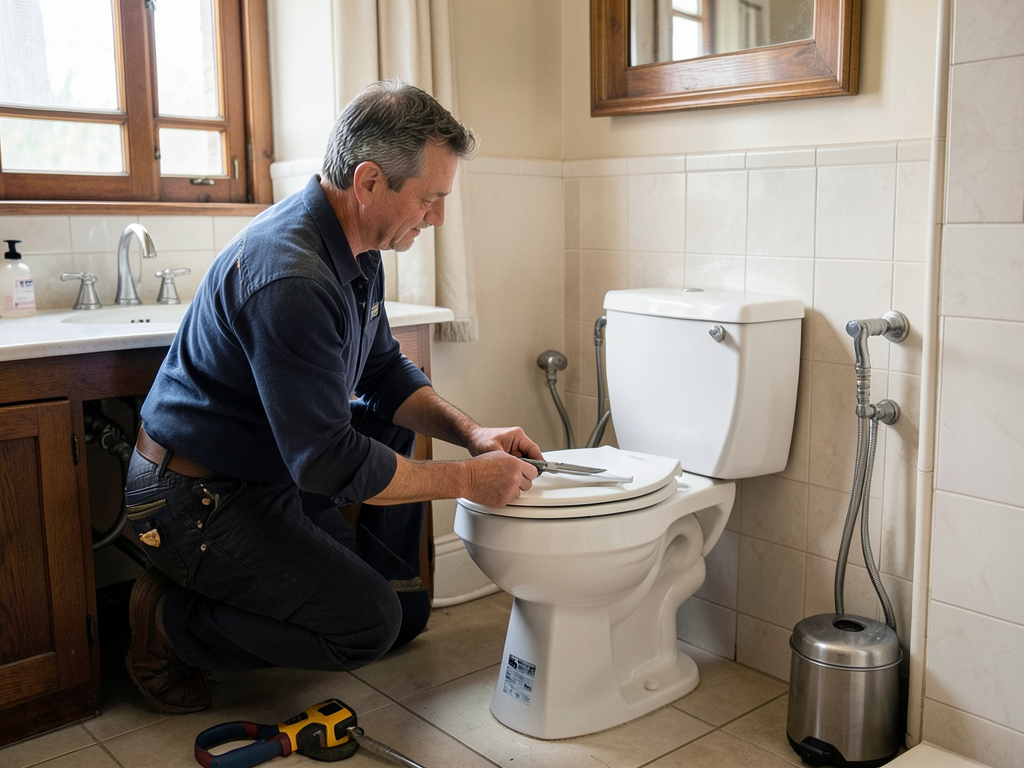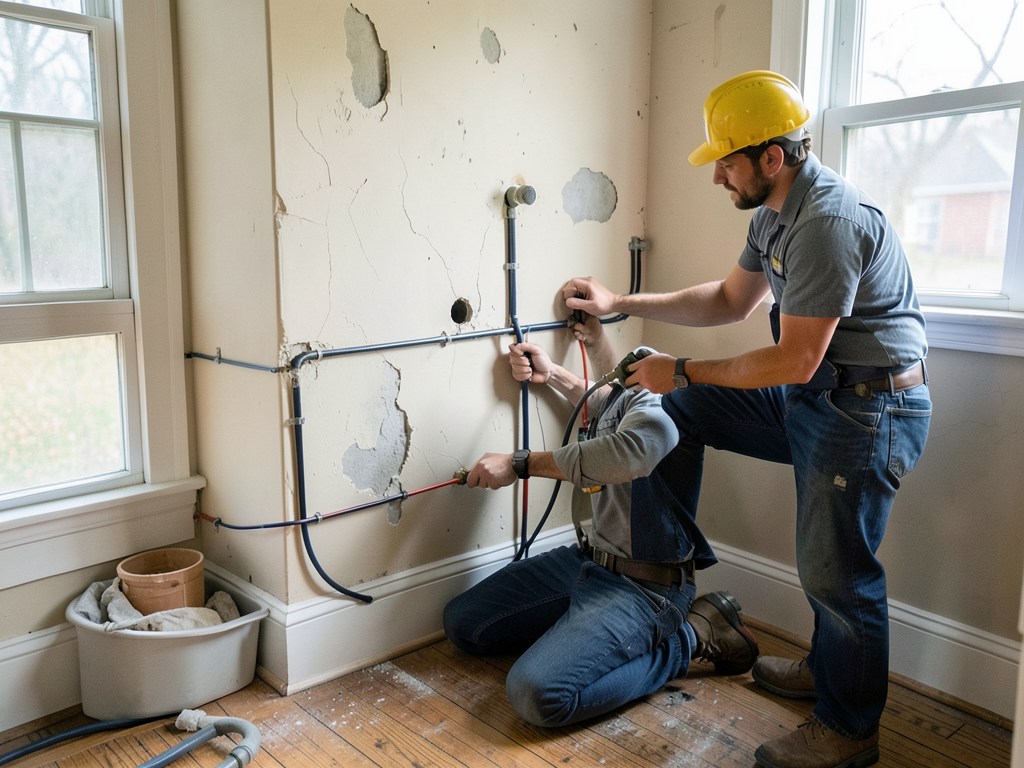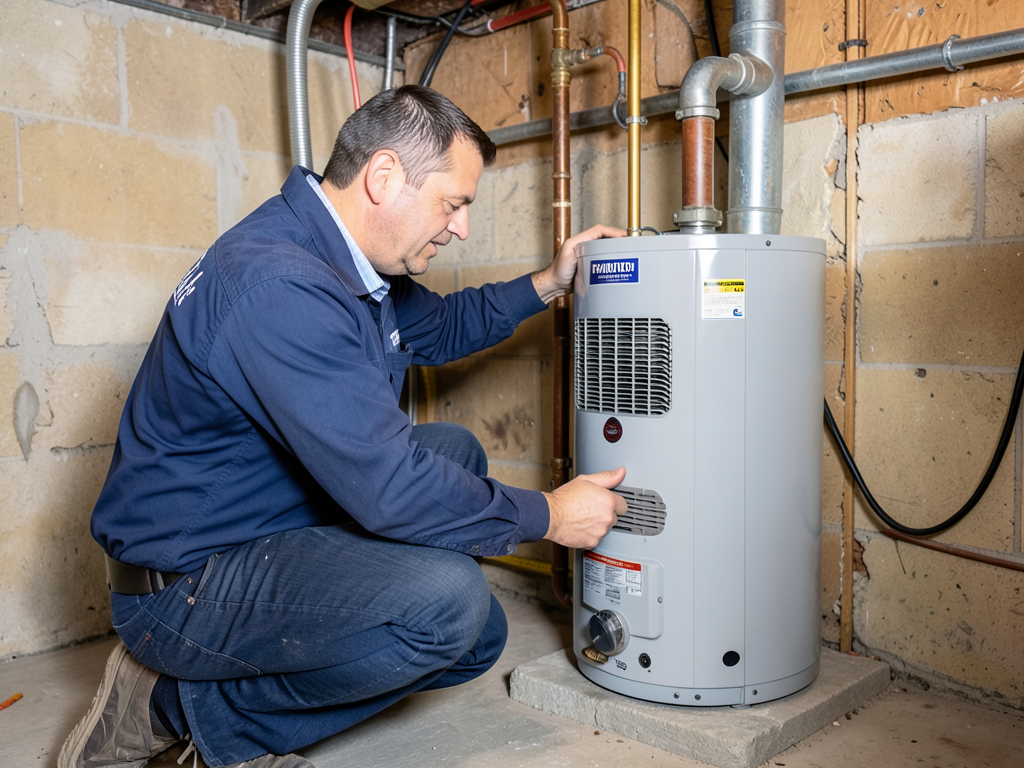








Pittsburgh's commercial building stock averages 70 years old in established business districts. Properties constructed during the 1950s manufacturing boom contain original plumbing systems approaching failure thresholds. Cast iron drain stacks corrode from the inside, developing pinhole leaks that damage tenant improvements and violate lease agreements. Galvanized steel supply piping restricts water flow as mineral deposits narrow pipe diameters, reducing pressure to upper floors. Commercial plumbing contractors must navigate retrofit challenges in buildings lacking adequate plumbing chases, requiring creative routing solutions that maintain code compliance while preserving historic architectural features in Lawrenceville, Bloomfield, and Shadyside properties.
Local building officials enforce strict interpretations of mechanical code provisions protecting public health. Commercial plumbing companies working in Pittsburgh must understand Department of Permits, Licenses, and Inspections review procedures and coordination requirements with Pennsylvania Labor and Industry third-party agencies. Allegheny County Health Department regulates food service plumbing installations, requiring approved grease interceptors and three-compartment sink configurations meeting specific dimensional standards. Industrial plumbing contractors serving medical facilities coordinate with Department of Health surveyors ensuring compliance with facility-specific water temperature regulations. This regulatory complexity demands local expertise, not generic commercial plumbing knowledge imported from other markets.