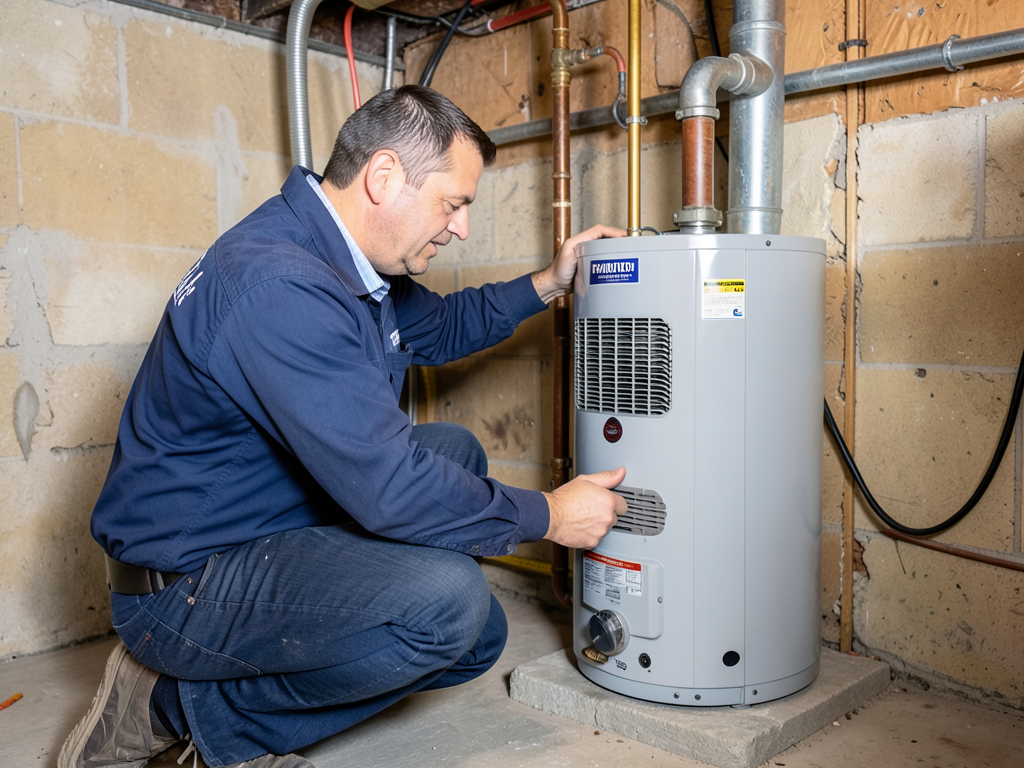






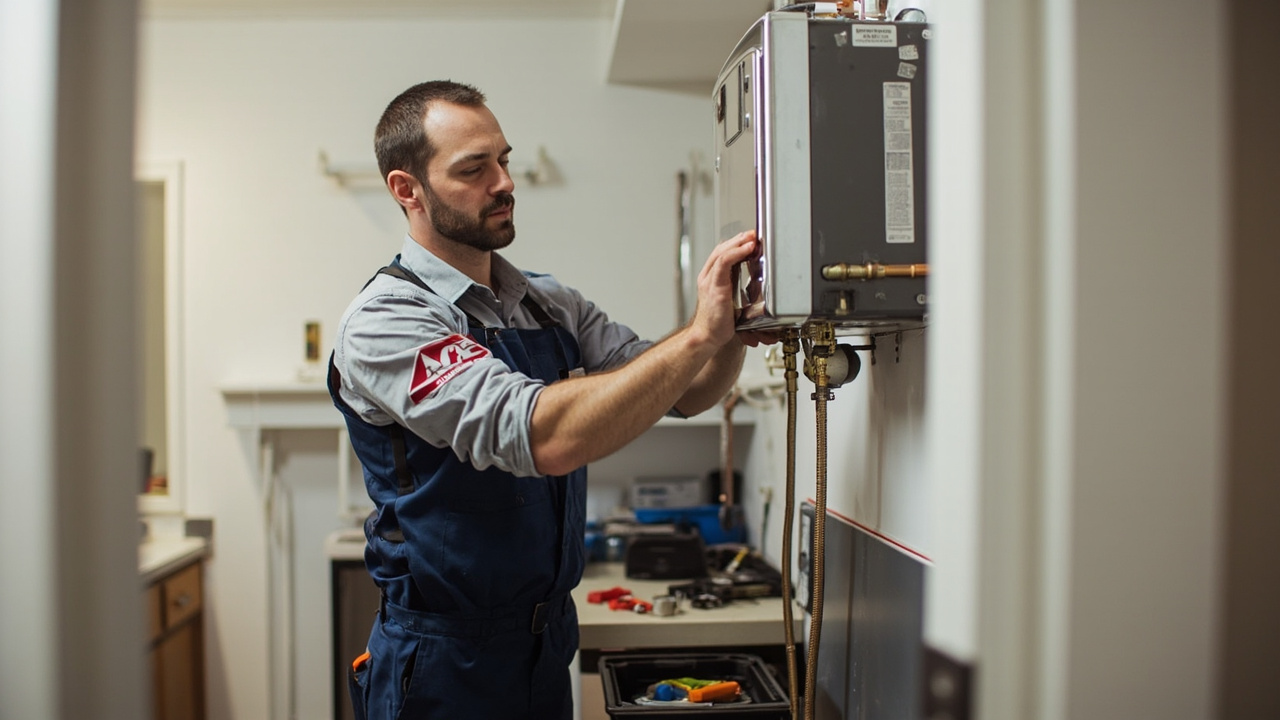

The Allegheny County water supply carries dissolved minerals that create scale deposits inside tankless heat exchangers. Pittsburgh's municipal water averages 150 milligrams per liter total hardness, classified as moderately hard. When water heats above 130 degrees, calcium and magnesium precipitate out and form crusty deposits on copper fins inside the heat exchanger. This scale layer insulates the metal from water flow, forcing the burner to fire longer and hotter to achieve target temperature. Over 18 to 24 months, untreated scale buildup triggers overheat protection errors, reduces flow rate, and can cause permanent heat exchanger damage. Regular descaling with citric acid solution dissolves these deposits before they compromise performance. Homes in areas like Penn Hills and Monroeville with private wells often see even higher hardness levels, making annual maintenance non-negotiable for tankless system reliability.
Pittsburgh's mechanical code enforcement requires licensed plumbers for gas line modifications and tankless installations. The City of Pittsburgh Building Inspection Division reviews plans, issues permits, and conducts field inspections to verify code compliance. Working with local contractors who understand these requirements prevents failed inspections and rework costs. Ace Plumbing Pittsburgh maintains relationships with local inspectors, stocks materials that meet code specifications, and completes installations that pass inspection on the first attempt. Our familiarity with Pittsburgh's specific permitting process and the mechanical code amendments adopted locally means your tankless water heater installation happens without bureaucratic delays or compliance issues that can arise when out-of-area contractors attempt work in the city.