




Penn Hills sits in Allegheny County where the freeze-thaw cycle hits hard from November through March. Temperatures swing from the teens to the fifties, expanding and contracting pipes until joints fail and fittings crack. Homes built before 1980 in neighborhoods like Rosedale and Blackridge run on clay sewer laterals that tree roots invade every spring. The hilly terrain means pressure fluctuations that stress connections, especially in areas like Verona Heights where elevation changes rapidly.
Hard water from the Allegheny River watershed leaves mineral deposits in water heaters and fixtures. Most Penn Hills homes run on municipal water with high calcium content, shortening the life of appliances and creating stubborn clogs. The older housing stock means cast iron drain stacks corroding from the inside, galvanized supply lines choking with rust, and outdated venting that fails modern code. Foundation settlement in the clay-heavy soil shifts pipe runs and creates low spots where waste water pools. These conditions mean Penn Hills homeowners face plumbing issues that demand local knowledge and fast response.
Ace Plumbing Pittsburgh has served Allegheny County for years with a straightforward approach. We answer the phone live, not through an answering service. When you call during a crisis, you talk to someone who can dispatch a truck immediately. Our plumbers live in and around Penn Hills, so response times stay short even during rush hour on Route 22 or Saltsburg Road.
We stock our trucks with parts that fit Penn Hills homes. That means fittings for clay sewer lines, replacements for outdated Kohler and American Standard fixtures common in older neighborhoods, and the specialized tools needed for repiping projects in tight crawl spaces. We do not make multiple trips because we forgot a part. One visit fixes the problem.
Our pricing stays transparent. Before we start work, you see the cost in writing. No surprises, no padding, no upselling services you do not need. We explain what failed, why it failed, and what it takes to fix it permanently. If a simple repair solves the issue, we do not push for a full replacement.
We guarantee our work. If a repair fails because of our workmanship, we return and make it right at no charge. That commitment keeps customers calling us back for everything from emergency repairs to whole-house repiping projects. Penn Hills homeowners know they can count on us when water is pouring through the ceiling or the sewer is backing up into the basement.

Call us anytime and reach a real person who can send help. No voicemail jail, no callback delays. During a plumbing emergency, every minute counts. We dispatch trucks immediately and give you an honest arrival time, not a four-hour window.

Our trucks carry the parts and tools needed for Penn Hills homes. We repair problems on the first visit because we come prepared for clay laterals, old fixtures, and outdated pipe materials. No trips to the supply house while water floods your basement.
You see the cost before we start work. We write it down, explain what the price includes, and stick to that number. No hidden fees, no surprise charges. If the scope changes, we discuss it first and get your approval before proceeding.
Our plumbers know the housing stock, pipe materials, and common failures in Penn Hills neighborhoods. We understand how the terrain, water quality, and weather patterns create specific problems. That local knowledge means faster diagnosis and permanent fixes, not temporary patches.
Ace Plumbing Pittsburgh handles every aspect of residential and commercial plumbing. Whether you need an emergency repair at midnight or want to upgrade your entire system, we bring the expertise and equipment to complete the job correctly. Our service range covers immediate crisis response, planned improvements, and system replacements.
We divide our work into three categories based on urgency and scope. Emergency services address active problems causing damage or safety hazards. Repair and maintenance work fixes issues before they become emergencies and keeps systems running efficiently. Installation and replacement services upgrade outdated components or add new fixtures and appliances.
Each category requires different skills and approaches. Emergency work demands speed, diagnostic ability, and the right parts on hand. Repair work needs attention to detail and understanding of how systems age and fail. Installation work requires knowledge of current codes, proper sizing, and integration with existing plumbing. Our plumbers cross-train in all three areas, so the technician who arrives can handle whatever your home needs. From drain cleaning to water heater replacement to sewer line repair, we do it all.
When a pipe bursts, a water heater floods the basement, or a sewer backs up, you need help now. We dispatch trucks immediately for burst pipes, gas leaks, major clogs, and fixture failures. Our plumbers arrive with leak detection equipment, drain cameras, and the parts needed to stop water damage and restore function. We work fast to contain the crisis, then complete permanent repairs so the problem does not return.
Planned repairs cost less than emergency calls and prevent damage. We fix leaking fixtures, repair running toilets, clear slow drains, and replace worn components before they fail completely. Our maintenance services include water heater flushing, sewer line inspection, pressure testing, and system checkups. Regular maintenance extends equipment life and catches problems early when repairs stay simple and affordable.
Old plumbing wastes water and money. We install new water heaters, replace corroded pipes, upgrade fixtures, and add water treatment systems. Our installation work meets current Pennsylvania codes and includes proper permits and inspections. From replacing a single faucet to repiping an entire house, we handle projects of any size with minimal disruption to your daily routine and clean up completely when finished.
Penn Hills homes develop predictable problems based on age, location, and water quality. The freeze-thaw cycle stresses exposed pipes, the hard water damages fixtures and appliances, and the clay soil shifts foundations enough to crack drain lines. Older neighborhoods face different issues than newer developments, but all Penn Hills residents deal with the effects of local conditions.
Understanding these common problems helps homeowners recognize early warning signs. A small leak today becomes a burst pipe tomorrow. Slow drains turn into complete blockages. Strange noises from the water heater mean sediment buildup that will cause failure. Catching these issues early saves money and prevents water damage that costs thousands to repair. Our plumbers see these problems daily and know exactly how to fix them permanently, not just patch them temporarily.
Penn Hills winters freeze pipes in crawl spaces, exterior walls, and unheated garages. Water expands when it freezes, splitting pipes and fittings. When temperatures rise, the ice melts and water pours out under pressure. We thaw frozen pipes safely and repair burst sections before water damage spreads through walls and ceilings.
Tree roots invade clay sewer laterals through tiny cracks, growing into massive blockages. Waste backs up into basement drains, toilets, and showers. We use drain cameras to locate the blockage, then clear it with hydraulic cutting tools. For damaged lines, we recommend repair or replacement before the next backup happens.
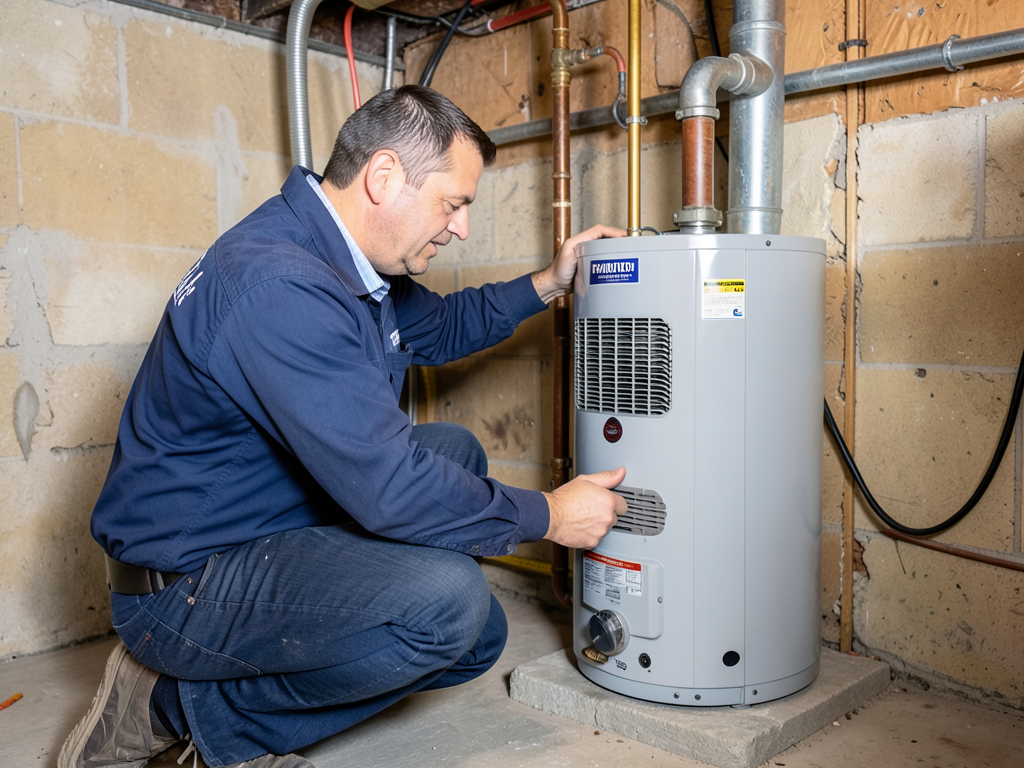
Hard water shortens water heater life by building sediment in the tank. The sediment insulates water from the heating element, making the unit work harder and fail sooner. Tanks rust through and flood basements. Heating elements burn out. We replace failed units fast and recommend models sized correctly for your household.
Homes built before 1970 often have galvanized steel supply pipes that rust from the inside. Water pressure drops, discoloration appears, and eventually pipes fail completely. We replace corroded sections with copper or PEX that will last decades. Repiping improves water pressure and quality immediately while preventing future leaks.
We keep the process simple because plumbing problems are stressful enough. From your first call to project completion, you will know what is happening, what it costs, and when we will finish. No guessing, no waiting for callbacks, no wondering when help will arrive.
Our approach focuses on clear communication and efficient work. We tell you exactly what failed and why. We explain your options in plain language, not technical jargon. We give you the information you need to make smart decisions about repairs versus replacement, temporary fixes versus permanent solutions.
You stay in control. We do not start work until you approve the price and scope. We do not find mysterious additional problems that double the bill. We do the work we quoted, clean up completely, and test everything before we leave. If you have questions weeks or months later, you can call and talk to someone who knows your property and the work we performed.
When you call, we answer live and send help immediately. You get an honest arrival time based on your location and our current jobs. Once on site, our plumber inspects the problem, explains what caused it, and presents your options with upfront pricing. You decide whether to proceed. No pressure, no sales tactics. Just clear information so you can choose the solution that fits your situation and budget.
We work quickly without cutting corners. Our trucks carry the tools and parts needed for most jobs, so we complete repairs in one visit. We protect your floors and furnishings, contain mess, and clean up completely when finished. You will not find pipe shavings in your carpet or mud tracked through your house. We treat your property with respect and leave it cleaner than we found it.
Before we leave, we test everything to confirm the repair works correctly. We explain what we did and answer any questions about maintenance or prevention. If something goes wrong with our work, we return and fix it at no charge. That guarantee covers workmanship, not normal wear or unrelated failures. You can call us anytime with questions or concerns about work we completed.
Getting your plumbing fixed should not be complicated. We streamlined our process to three clear steps that get you from problem to solution as quickly as possible.
Call (412) 382-8366 and talk to a real person who understands plumbing emergencies. We ask questions to understand your situation, then dispatch the nearest available plumber. You get an estimated arrival time, not a four-hour window. For emergencies, we drop everything and go. For scheduled work, we confirm the appointment time that works for you and show up when promised.
Our plumber inspects the problem using cameras, pressure gauges, and leak detection equipment as needed. We explain what failed and why it happened. You get a written price quote that covers labor, materials, and any related work. We discuss options and answer questions until you understand completely. Once you approve, we start work immediately with everything needed already on the truck.
We complete the repair efficiently, clean up all debris, and test the system thoroughly. You watch the test if you want. We demonstrate that everything works correctly before we leave. You get documentation of work performed, parts installed, and warranty information. If questions come up later, call us anytime. We stand behind every job we complete.
Pennsylvania plumbing contractors must follow the International Plumbing Code as adopted and modified by the state. Allegheny County enforces additional requirements through the county building department. These regulations exist to protect health and safety by ensuring proper waste disposal, clean water supply, and adequate venting.
All plumbing work in Penn Hills requires permits for any project beyond minor repairs. A permit triggers inspection by county officials who verify code compliance before closing the permit. This process protects homeowners by ensuring work meets minimum standards. Contractors who skip permits expose you to liability and problems when you sell the property.
Water supply lines must maintain minimum pressures between 40 and 80 psi. Lower pressure means fixtures do not function correctly. Higher pressure damages appliances and causes leaks. Pressure reducing valves protect homes in high-pressure zones. Drain lines require proper slope, typically one quarter inch per foot, so waste flows by gravity. Flat sections create clogs as solids settle. Steep sections cause water to rush ahead of solids, leaving waste behind.
Venting allows air into drain lines so water flows smoothly. Every fixture needs proper venting through the roof. Inadequate venting creates slow drains, gurgling sounds, and trap siphoning that lets sewer gas enter your home. Older homes often lack adequate venting because codes were less strict when they were built. Adding vents during remodeling improves drainage and eliminates odors.
Material standards specify what pipes and fittings are legal for different applications. Copper, PEX, and CPVC work for supply lines. PVC and ABS work for drains. Cast iron is allowed but rarely installed in new work due to cost and weight. Lead and polybutylene are prohibited due to health risks and failure rates. Using approved materials ensures longevity and code compliance.
Allegheny County requires permits for water heater replacement, repiping, fixture relocation, and any work that modifies drain or supply systems. Simple repairs like fixing leaks or replacing a faucet do not require permits. The contractor pulls permits, schedules inspections, and ensures compliance. Skipping permits creates problems during property sales and leaves you liable for code violations.
Plumbing costs depend on accessibility, materials, and labor time. Work in finished spaces costs more because of tear-out and restoration. Copper costs more than PEX but lasts longer. Complex jobs requiring multiple fixtures, extensive piping, or difficult access increase labor hours. Emergency calls cost more than scheduled work because of immediate dispatch and after-hours availability.
Simple repairs take one to three hours. Water heater replacement takes three to five hours. Repiping a house takes several days depending on size and complexity. Sewer line replacement takes one to three days for excavation, pipe installation, and restoration. Weather, permit delays, and inspection scheduling can extend timelines. We give honest estimates and update you if circumstances change.
Pennsylvania requires plumbing contractors to hold a state license that proves technical knowledge and experience. Insurance protects you if something goes wrong during work. General liability covers property damage. Workers compensation covers injuries to employees. Never hire unlicensed or uninsured plumbers. The short-term savings disappear when problems arise and you have no recourse.
This video explains common plumbing problems affecting Penn Hills, Pennsylvania homes and how local contractors fix them. Topics include frozen pipes, sewer line backups, water heater failures, and corroded supply lines. The video covers why Penn Hills faces unique challenges from freeze-thaw cycles, hard water, clay soil, and aging infrastructure. Viewers learn what to expect when hiring professional plumbers and how to recognize warning signs before problems worsen.
Ace Plumbing Pittsburgh serves the entire Penn Hills area including Rosedale, Duff, Universal, Blackridge, Verona Heights, and surrounding neighborhoods. Our service area extends throughout eastern Allegheny County from the Allegheny River to the Westmoreland County line. We know these communities because our plumbers live and work here. We understand how geography, housing age, and infrastructure affect plumbing in each area.
Rosedale and Duff feature older homes built in the 1940s and 1950s with original plumbing that needs replacement. Clay sewer laterals dominate these neighborhoods, creating predictable root intrusion problems every spring. The hilly terrain means pressure issues and foundation settlement that stresses pipe connections. We have replaced hundreds of clay laterals and repiped dozens of homes in these areas.
Universal and Blackridge sit higher on the hillside with newer construction from the 1960s and 1970s. These homes run on copper supply lines that last longer than galvanized steel but still develop pinhole leaks after forty years. Water pressure fluctuates more at higher elevations, especially during peak usage times. We install pressure regulators and replace corroded sections throughout these neighborhoods.
Verona Heights borders the Allegheny River where basement flooding from groundwater creates chronic moisture problems. Sump pumps run constantly during wet periods, and sewage ejector systems handle basement bathrooms in homes below the sewer main elevation. We service and replace these systems regularly and understand the special challenges of plumbing in flood-prone areas.
Our service extends beyond Penn Hills proper into neighboring communities like Plum, Wilkins Township, and Churchill. Route 22 and Route 380 provide quick access throughout eastern Allegheny County. We respond to calls in Monroeville, Forest Hills, and Braddock Hills when customers need reliable plumbing contractors who show up on time and fix problems correctly. Location does not matter. If you are in our service area and need help, we will be there fast with the expertise and equipment to handle any plumbing issue your property faces.
Plumbers in Penn Hills typically charge between $75 and $150 per hour, depending on the complexity of the job and time of day. Emergency calls during nights, weekends, or holidays cost more due to immediate availability. Licensed plumbers with specialized skills, like gas line work or commercial experience, command higher rates. Penn Hills' older housing stock often requires additional labor for corroded pipes or outdated fixtures, which can extend job time. Always ask for a detailed estimate before work begins. Flat-rate pricing for common repairs like toilet replacements or faucet installations often provides better value than hourly billing.
The 135-degree rule refers to the maximum angle change allowed when routing horizontal drain pipes. Instead of using sharp 90-degree elbows, plumbers use two 45-degree fittings or a long-sweep 90 to create a smoother flow path. This prevents clogs and reduces stress on the piping system. Penn Hills homes, especially those built before 1980, often have cast iron drains that benefit from proper angling to avoid blockages. This technique applies to both residential and commercial installations. Proper venting and slope work together with fitting angles to ensure waste moves efficiently through your drain system.
Most Penn Hills plumbers charge a service call fee between $50 and $125 just to diagnose your issue. This covers travel time, diagnostic work, and the first 30 minutes onsite. Many companies waive this fee if you approve the repair. Emergency calls outside normal business hours carry higher trip charges, sometimes $150 to $200. The service call does not include parts or labor for the actual fix. Get clarity upfront about what the diagnostic fee covers and whether it applies toward the total bill if you move forward with repairs.
Plumbers in Penn Hills typically charge between $75 and $150 per hour, depending on the complexity of the job and time of day. Emergency calls during nights, weekends, or holidays cost more due to immediate availability. Licensed plumbers with specialized skills, like gas line work or commercial experience, command higher rates. Penn Hills' older housing stock often requires additional labor for corroded pipes or outdated fixtures, which can extend job time. Always ask for a detailed estimate before work begins. Flat-rate pricing for common repairs like toilet replacements or faucet installations often provides better value than hourly billing.
The 135-degree rule refers to the maximum angle change allowed when routing horizontal drain pipes. Instead of using sharp 90-degree elbows, plumbers use two 45-degree fittings or a long-sweep 90 to create a smoother flow path. This prevents clogs and reduces stress on the piping system. Penn Hills homes, especially those built before 1980, often have cast iron drains that benefit from proper angling to avoid blockages. This technique applies to both residential and commercial installations. Proper venting and slope work together with fitting angles to ensure waste moves efficiently through your drain system.
Most Penn Hills plumbers charge a service call fee between $50 and $125 just to diagnose your issue. This covers travel time, diagnostic work, and the first 30 minutes onsite. Many companies waive this fee if you approve the repair. Emergency calls outside normal business hours carry higher trip charges, sometimes $150 to $200. The service call does not include parts or labor for the actual fix. Get clarity upfront about what the diagnostic fee covers and whether it applies toward the total bill if you move forward with repairs.
Plumbing work includes installing and repairing water supply lines, drain systems, fixtures, water heaters, and gas lines. This covers toilets, sinks, tubs, showers, dishwashers, washing machines, and outdoor hose bibs. Plumbers also handle sewer line repairs, sump pumps, backflow preventers, and water treatment systems. In Penn Hills, seasonal work includes winterizing outdoor faucets and repairing freeze damage to pipes. Commercial plumbing adds grease traps, commercial water heaters, and complex drainage systems. Plumbers must understand local codes, pressure requirements, venting rules, and proper materials for different applications to ensure safe, compliant installations.
Simple jobs like replacing a faucet aerator or tightening a loose connection save money when you DIY. Major repairs like repiping, sewer line work, or water heater installations require professional expertise. Penn Hills' mix of older homes often hides complications like corroded galvanized pipes or code violations that complicate DIY attempts. Mistakes can cause water damage costing thousands in repairs, far exceeding professional service fees. You also risk voiding manufacturer warranties or creating insurance headaches if DIY work fails. Hiring a licensed plumber ensures proper permits, code compliance, and liability protection for complex jobs.
Hidden costs include accessing pipes behind walls or under concrete slabs, requiring drywall repair or jackhammering. Corroded shut-off valves often break during repairs, adding replacement costs. Penn Hills homes with cast iron drains may need unexpected sewer line repairs once cameras reveal root intrusion or bellied pipes. Permit fees, inspection costs, and bringing outdated plumbing to current code add expense. Water damage remediation, mold treatment, or structural repairs from long-term leaks escalate bills quickly. Always request a camera inspection for drain work and ask contractors about potential access issues before starting jobs.
Start by identifying the scope of work, fixture count, and pipe runs needed. Get three written estimates from licensed Penn Hills plumbers that detail materials, labor, permits, and timeline. For remodels, expect $1,500 to $3,000 per bathroom for standard fixture replacement. Repiping costs depend on square footage and accessibility. Factor in Penn Hills building permits and inspection fees. Ask whether estimates include drywall repair, cleanup, and hauling old fixtures. Beware of lowball bids that skip necessary steps. Quality estimates account for potential complications like corroded connections or code upgrades required during work.
Yes, but only long-sweep 90-degree elbows are allowed on drain lines under most codes. Short-radius or standard 90s create turbulence that traps debris and causes clogs. Horizontal-to-vertical direction changes can use long-sweep 90s. Two 45-degree fittings often work better for horizontal runs, maintaining smoother flow. Penn Hills plumbing inspectors check for proper fitting types during rough-in inspections. Vent pipes have different rules and can use standard 90s since they carry air, not waste. Always verify local code requirements, as older homes may have grandfathered configurations that wouldn't pass inspection today.
The 1.414 rule calculates proper offset distances for 45-degree fittings on drain pipes. Multiply the offset distance by 1.414 to find the travel distance needed. This ensures accurate measurements when routing pipes around obstacles while maintaining proper slope. For example, a 10-inch offset requires 14.14 inches of pipe travel using two 45-degree elbows. This mathematical principle helps plumbers create precise layouts in tight spaces common to Penn Hills basements and crawl spaces. Proper calculations prevent sagging pipes or inadequate slope that leads to chronic drainage problems.
Get multiple written estimates for comparison, but focus on value rather than lowest price alone. Ask about flat-rate pricing versus hourly billing for your specific repair. Schedule non-emergency work during normal business hours to avoid premium rates. Some Penn Hills plumbers offer senior or military discounts. Request a breakdown of parts and labor to identify negotiation opportunities. Ask if they price-match competitors or offer payment plans for large jobs. Avoid haggling on emergency repairs when you need immediate help. Build relationships with local plumbers for better rates on future work and priority scheduling during busy seasons.
Plumbing work includes installing and repairing water supply lines, drain systems, fixtures, water heaters, and gas lines. This covers toilets, sinks, tubs, showers, dishwashers, washing machines, and outdoor hose bibs. Plumbers also handle sewer line repairs, sump pumps, backflow preventers, and water treatment systems. In Penn Hills, seasonal work includes winterizing outdoor faucets and repairing freeze damage to pipes. Commercial plumbing adds grease traps, commercial water heaters, and complex drainage systems. Plumbers must understand local codes, pressure requirements, venting rules, and proper materials for different applications to ensure safe, compliant installations.
Simple jobs like replacing a faucet aerator or tightening a loose connection save money when you DIY. Major repairs like repiping, sewer line work, or water heater installations require professional expertise. Penn Hills' mix of older homes often hides complications like corroded galvanized pipes or code violations that complicate DIY attempts. Mistakes can cause water damage costing thousands in repairs, far exceeding professional service fees. You also risk voiding manufacturer warranties or creating insurance headaches if DIY work fails. Hiring a licensed plumber ensures proper permits, code compliance, and liability protection for complex jobs.
Hidden costs include accessing pipes behind walls or under concrete slabs, requiring drywall repair or jackhammering. Corroded shut-off valves often break during repairs, adding replacement costs. Penn Hills homes with cast iron drains may need unexpected sewer line repairs once cameras reveal root intrusion or bellied pipes. Permit fees, inspection costs, and bringing outdated plumbing to current code add expense. Water damage remediation, mold treatment, or structural repairs from long-term leaks escalate bills quickly. Always request a camera inspection for drain work and ask contractors about potential access issues before starting jobs.
Start by identifying the scope of work, fixture count, and pipe runs needed. Get three written estimates from licensed Penn Hills plumbers that detail materials, labor, permits, and timeline. For remodels, expect $1,500 to $3,000 per bathroom for standard fixture replacement. Repiping costs depend on square footage and accessibility. Factor in Penn Hills building permits and inspection fees. Ask whether estimates include drywall repair, cleanup, and hauling old fixtures. Beware of lowball bids that skip necessary steps. Quality estimates account for potential complications like corroded connections or code upgrades required during work.
Yes, but only long-sweep 90-degree elbows are allowed on drain lines under most codes. Short-radius or standard 90s create turbulence that traps debris and causes clogs. Horizontal-to-vertical direction changes can use long-sweep 90s. Two 45-degree fittings often work better for horizontal runs, maintaining smoother flow. Penn Hills plumbing inspectors check for proper fitting types during rough-in inspections. Vent pipes have different rules and can use standard 90s since they carry air, not waste. Always verify local code requirements, as older homes may have grandfathered configurations that wouldn't pass inspection today.
The 1.414 rule calculates proper offset distances for 45-degree fittings on drain pipes. Multiply the offset distance by 1.414 to find the travel distance needed. This ensures accurate measurements when routing pipes around obstacles while maintaining proper slope. For example, a 10-inch offset requires 14.14 inches of pipe travel using two 45-degree elbows. This mathematical principle helps plumbers create precise layouts in tight spaces common to Penn Hills basements and crawl spaces. Proper calculations prevent sagging pipes or inadequate slope that leads to chronic drainage problems.
Get multiple written estimates for comparison, but focus on value rather than lowest price alone. Ask about flat-rate pricing versus hourly billing for your specific repair. Schedule non-emergency work during normal business hours to avoid premium rates. Some Penn Hills plumbers offer senior or military discounts. Request a breakdown of parts and labor to identify negotiation opportunities. Ask if they price-match competitors or offer payment plans for large jobs. Avoid haggling on emergency repairs when you need immediate help. Build relationships with local plumbers for better rates on future work and priority scheduling during busy seasons.
We are proud to be the trusted plumbing partner for the entire Pittsburgh area and its surrounding communities. Our dedicated team is committed to providing prompt and efficient service wherever you are. To get a better sense of our service area and to get in touch with us for all your plumbing needs, please take a look at our location on the map below. We’re always here to help.
Address:
Penn Hills, PA, 15147
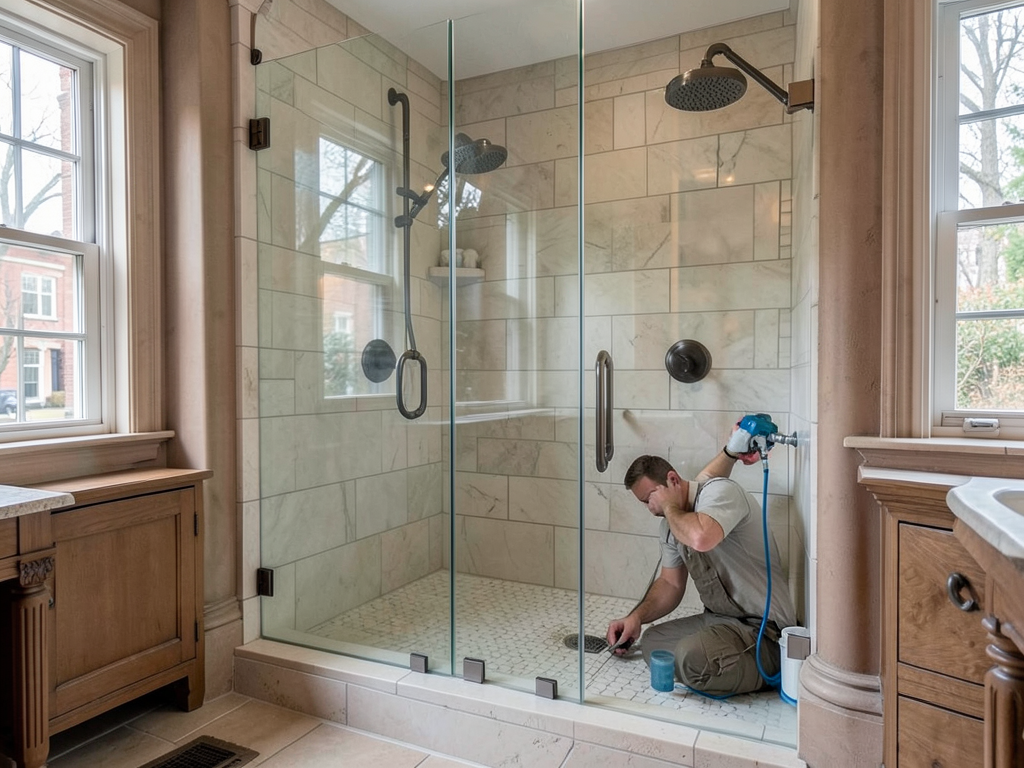
Walk-In Shower vs. Bathtub: The Shadyside Master Suite Decision Choosing between a walk-in shower and a traditional bathtub for your Shadyside master suite is more than just a style decision. It affects your daily comfort,…
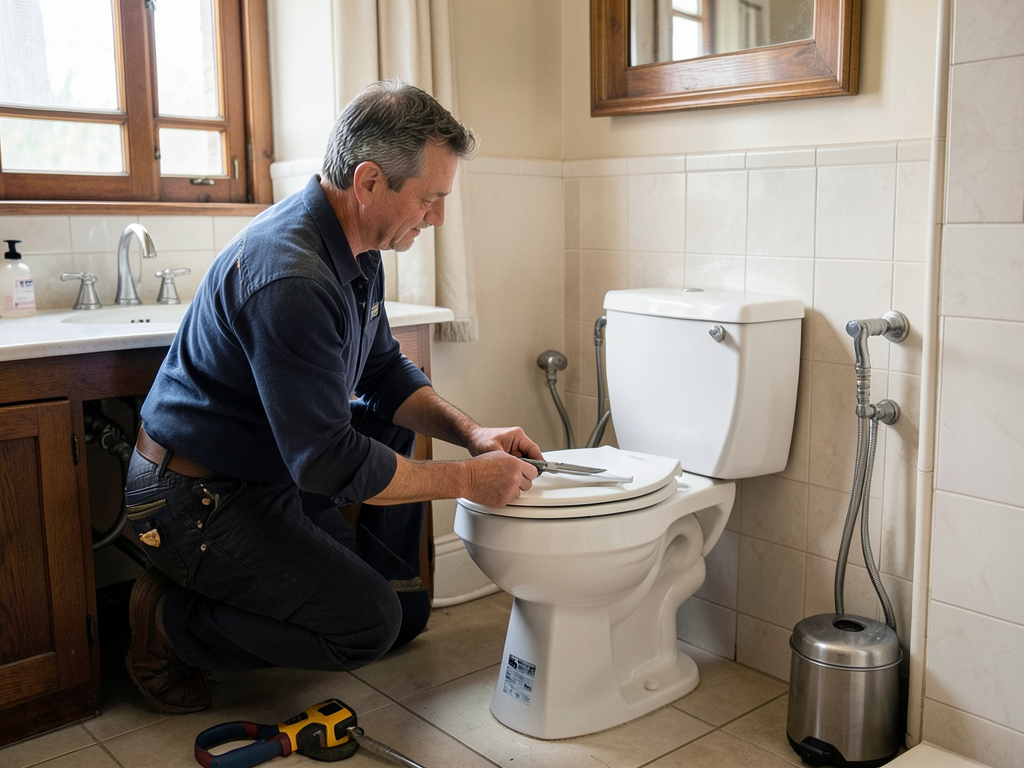
Comparing High Efficiency Toilets that Actually Flush Well for Your Point Breeze Home Living in…
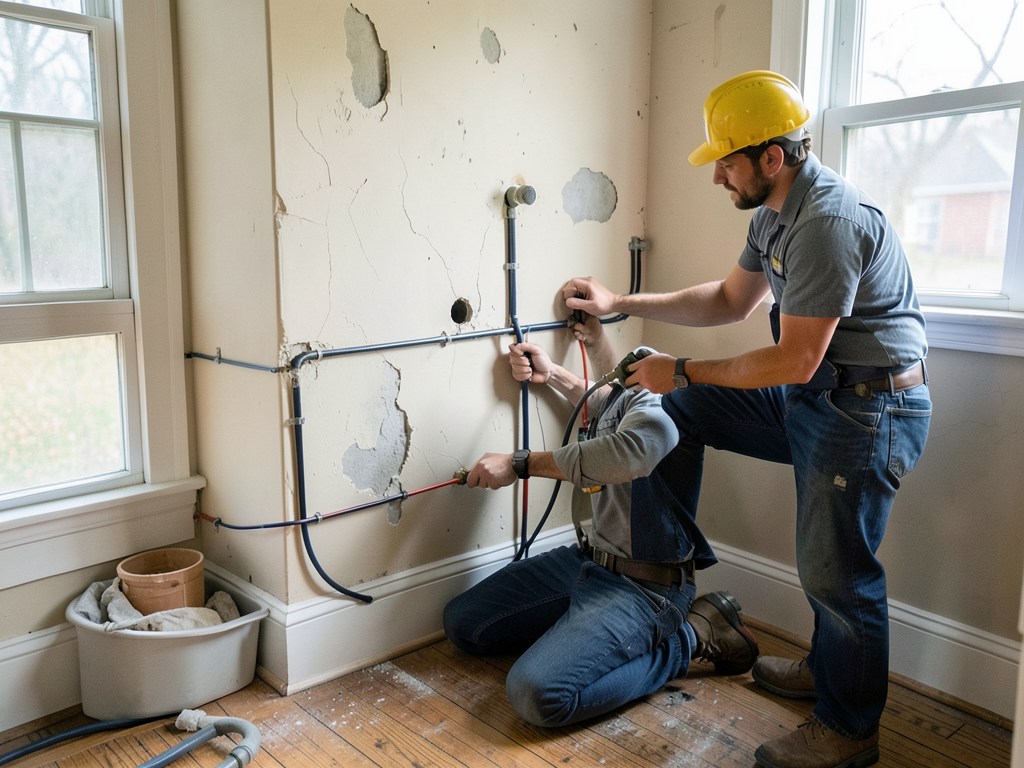
What it Actually Costs to Move Your Laundry Room from the Basement to the Second…
Why a Heat Pump Water Heater Might Be the Smartest Upgrade for Your Fox Chapel…
Do not let a plumbing problem get worse. Call Ace Plumbing Pittsburgh at (412) 382-8366 and get a plumber dispatched to your Penn Hills home immediately. We answer live, arrive fast, and fix it right the first time.