




Menu

Wet Spots in Yard Pittsburgh – Expert Diagnosis Stops Foundation Damage Before It Starts

Those soggy patches in your lawn signal hidden plumbing failures that threaten your home's structural integrity. Our licensed technicians use hydrostatic testing and leak detection technology to pinpoint wet spots in yard problems fast.

Slider Image 1
Slider Image 2
Slider Image 3
Slider Image 4
Slider Image 5
Slider Image 7
Slider Image 8
Slider Image 9
Slider Image 10
Slider Image 11

Pittsburgh's Clay Soil and Aging Infrastructure Create Hidden Underground Leaks

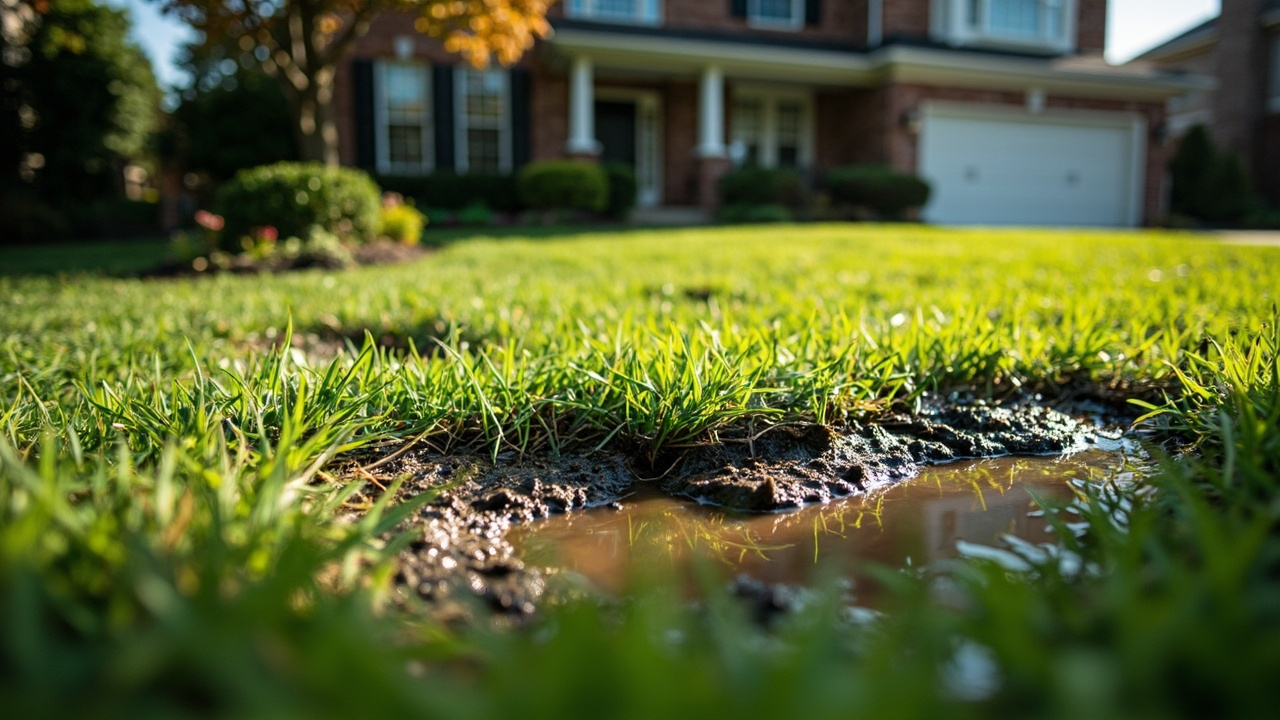
You walk across your lawn and feel the ground squish beneath your feet. That damp spot in your lawn wasn't there last week. Now you notice unexplained standing water near your foundation even though it hasn't rained in days.

Pittsburgh's unique clay soil composition makes underground plumbing failures particularly destructive. When water mains, sewer laterals, or yard drainage systems fail, the heavy clay prevents proper absorption. Instead of dispersing, water pools at the surface, creating saturated areas in grass that signal serious problems below.

The freeze-thaw cycles we experience from November through March compound the issue. Water seeps into tiny pipe cracks during warmer days, then expands when temperatures drop overnight. This cycle accelerates pipe degradation in cast iron and galvanized steel lines common in pre-1970s Pittsburgh homes across neighborhoods like Squirrel Hill, Shadyside, and Highland Park.

Pooling water in yard areas creates multiple threats. Foundation walls absorb moisture, leading to basement seepage and structural settling. The constant saturation breeds mosquitoes and creates anaerobic soil conditions that kill grass roots and mature trees. Underground leaks waste hundreds of gallons daily, inflating your water bills while the damage spreads.

Those soggy patches in lawn areas often trace back to failed main water lines, broken sewer laterals, or overwhelmed French drains. The clay soil that defines Pittsburgh terrain holds moisture like a sponge, making visual detection difficult until the problem reaches critical mass. You need diagnostic equipment to find the true source before the damage becomes irreversible.

Pittsburgh's Clay Soil and Aging Infrastructure Create Hidden Underground Leaks
Precision Leak Detection Finds Underground Failures Without Excavating Your Entire Yard

Precision Leak Detection Finds Underground Failures Without Excavating Your Entire Yard

Guessing where a leak originates costs you thousands in unnecessary excavation. We use acoustic leak detection equipment that identifies the exact location of water escaping underground pipes. Sound waves travel through water differently than through soil. Our sensors pick up these frequency variations, pinpointing leaks within inches.

For wet spots in yard situations where multiple pipe systems could be failing, we deploy ground-penetrating radar. This technology maps underground utilities, showing us pipe depth, material composition, and structural integrity without breaking ground. We identify whether your problem stems from potable water lines, sanitary sewers, or storm drainage before we dig.

Hydrostatic pressure testing isolates the damaged pipe section. We seal off segments of your plumbing system and pressurize them with water. Pressure drops indicate leaks. This process eliminates guesswork and prevents tearing up your landscaping searching for the failure point.

Once we locate the source, we assess soil saturation levels around the leak. Pittsburgh's clay creates underground pockets where water accumulates far from the visible surface puddle. We map this saturation zone to determine if foundation damage has already begun and whether you need concurrent drainage solutions.

Camera inspection of sewer laterals reveals interior pipe conditions. Tree roots penetrate joints in older clay sewer tiles common throughout Pittsburgh. Bellied pipes, offset joints, and collapsed sections all allow sewage and water to escape into surrounding soil. The camera footage shows you exactly what failed and why those damp spots in lawn appeared.

We coordinate repairs to address both the leak source and the drainage problems it created. Replacing a failed water main stops the active leak, but the saturated soil still needs proper grading and potentially a French drain system to prevent recurring pooling water in yard areas.

How We Eliminate Yard Water Problems Permanently

Wet Spots in Yard Pittsburgh – Expert Diagnosis Stops Foundation Damage Before It Starts
01

Leak Source Identification

We arrive with acoustic sensors, pressure testing equipment, and ground-penetrating radar. Your water meter behavior tells us if the leak originates from your supply line. We map your property's underground utilities, then use frequency analysis to pinpoint the exact failure location. This diagnostic phase typically takes 90 minutes and prevents unnecessary excavation across your entire yard.
02

Targeted Pipe Repair

We excavate only the damaged section, minimizing landscape disruption. For water main failures, we install corrosion-resistant materials rated for Pittsburgh's soil conditions. Sewer lateral repairs often use trenchless pipe bursting or epoxy lining to avoid digging from your home to the street. We replace the compromised pipe, test the repair under pressure, then restore soil compaction to prevent settling.
03

Drainage Correction and Monitoring

Stopping the leak addresses the source, but saturated clay soil needs drainage correction. We install French drains or regrade problem areas so water flows away from your foundation. We test soil moisture levels, then monitor the repair site for 48 hours to confirm no residual seepage. You get documentation of the work and recommendations for preventing future underground plumbing failures.

Pittsburgh Plumbers Who Understand Your Home's Infrastructure History

Pittsburgh's housing stock presents unique challenges. Homes built before 1970 typically have galvanized steel or cast iron pipes that degrade after 50 years. The city's transition from combined sewers to separated storm and sanitary systems means many properties have outdated lateral connections prone to failure.

We know which neighborhoods still have clay sewer tiles that crack under root pressure. We understand how Pittsburgh's hilly terrain affects water pressure zones and pipe stress points. This local knowledge prevents misdiagnosis and ensures repairs actually solve your wet spots in yard problem instead of treating symptoms.

Our technicians train specifically on leak detection technology because visual inspection fails in clay soil conditions. We invest in equipment that maps underground failures accurately, saving you money on unnecessary excavation. When we tell you a pipe section needs replacement, you see the proof through camera footage or pressure test data.

We coordinate with Pittsburgh Water and Sewer Authority when repairs require main line shutoffs or permit applications. We know local codes for backflow prevention, cleanout placement, and proper pipe depth below frost lines. This regulatory knowledge keeps your repair compliant and prevents future inspection failures if you sell your home.

Most wet spot situations require same-day leak detection. We respond within two hours because underground leaks worsen daily. The water that creates those soggy patches in lawn today will undermine your foundation tomorrow. Speed matters, but accurate diagnosis matters more. We provide both.

You need a plumber who owns radar equipment and acoustic sensors, not someone who guesses where to dig. We document our findings, explain your options, and repair the actual source of your yard water problem. That approach costs less and lasts longer than trial-and-error excavation.

What Happens When You Call About Yard Water Problems

Rapid Response Prevents Escalating Damage

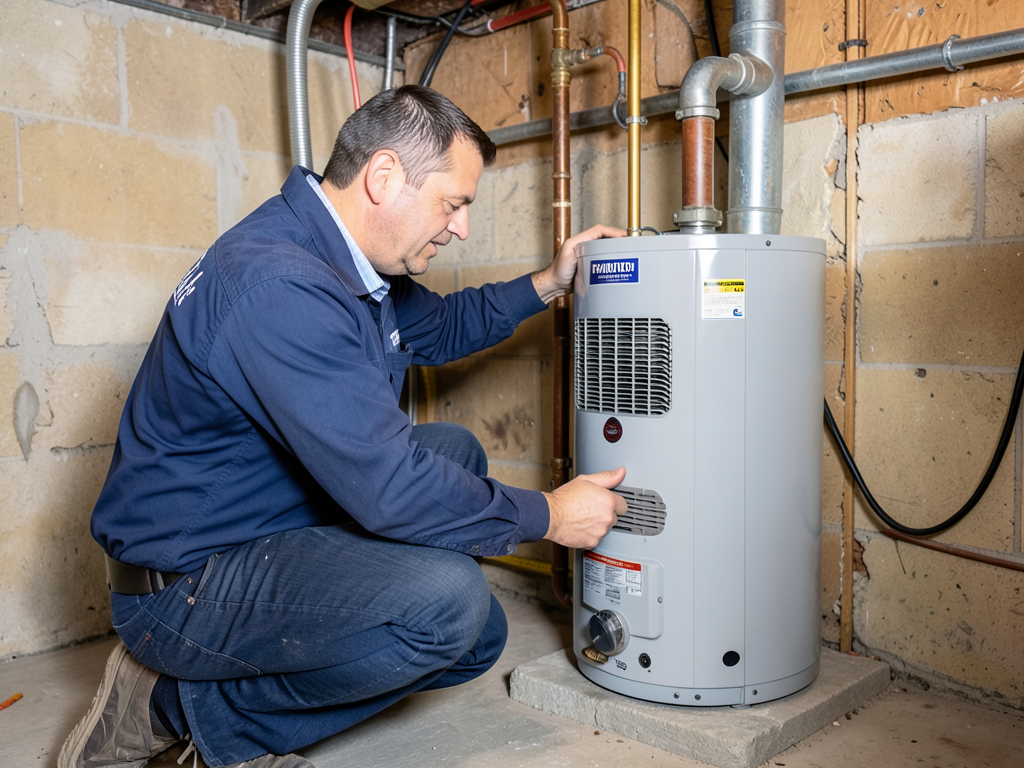
We dispatch a leak detection specialist within two hours of your call. Underground leaks cause cumulative damage, so speed directly impacts your total repair cost. Our technician arrives with diagnostic equipment and can often identify the failure source during the first visit. For active leaks threatening your foundation, we provide emergency water shutoff guidance over the phone while our crew travels to your property. Most leak locations are confirmed within 90 minutes of arrival.

Comprehensive Underground System Assessment

We don't just find the leak. We evaluate your entire yard plumbing infrastructure to identify other vulnerable sections before they fail. Ground-penetrating radar shows us pipe conditions, depths, and materials. Pressure testing reveals weak points that will become next month's emergency. Camera inspection documents interior pipe deterioration. You receive a written assessment explaining what failed, why it failed, and which other components need monitoring. This diagnostic thoroughness prevents surprise failures six months after we repair the current problem.

Permanent Repairs Using Appropriate Materials

We match repair materials to Pittsburgh's soil chemistry and your existing plumbing system. Water mains get replaced with corrosion-resistant PEX or copper, not galvanized steel that will fail again in ten years. Sewer laterals receive trenchless repairs when possible to preserve your landscaping. We pressure test every repair before backfilling and provide documentation of the work performed. Your yard gets restored to grade with proper soil compaction. The soggy patches disappear because we eliminated the source and corrected the drainage.

Post-Repair Monitoring and Prevention Guidance

We return 48 hours after repair to verify soil moisture levels have normalized and no residual seepage occurs. You receive specific guidance on protecting your repaired pipes from freeze damage during Pittsburgh winters. We identify warning signs that indicate developing problems in other pipe sections. For properties with aging infrastructure, we offer annual pressure testing to catch small leaks before they create yard flooding. Our goal is solving your current problem and preventing the next one through proper maintenance.

Frequently Asked Questions

You Have Questions,
We Have Answers

How do I fix a wet spot in my yard? +

First, identify the source. Check for broken sprinkler lines, leaking outdoor faucets, or downspouts dumping water too close to your foundation. In Pittsburgh, heavy spring rains and freeze-thaw cycles can crack pipes underground. If you rule out plumbing leaks, the issue is likely poor drainage or soil compaction. You can grade the area to direct water away, install a French drain, or add a dry well. For clay-heavy Pittsburgh soil, which drains poorly, you may need to amend with sand and organic matter. If the spot persists or grows, call a plumber to check for underground leaks.

How to fix a muddy spot in yard? +

Stop walking on the muddy area to prevent further compaction. Remove standing water with a pump if needed. Spread a two-inch layer of coarse sand or pea gravel over the mud to improve drainage and create a firm surface. For persistent mud in Pittsburgh yards, where clay soil is common, you need to address the root cause. Check for broken water lines, clogged gutters, or improper grading. Install a French drain or regrade the area to slope water away. Aerate compacted soil and top with compost. If the mud returns after rain, you likely have a drainage problem that needs professional repair.

How to tell if you have a water leak in your yard? +

Look for soft, spongy ground, unusually lush green patches, or persistent wet spots even during dry weather. You may hear running water when all fixtures are off. Check your water meter: turn off all water inside and outside, then watch the meter. If it continues moving, you have a leak. In Pittsburgh, freeze-thaw cycles crack underground pipes, especially older galvanized or clay lines. You may also notice a sudden spike in your water bill or low water pressure. Wet spots near your foundation, sidewalk cracks, or sinkholes are red flags. Call a plumber immediately to locate and repair the leak.

How to fix water runoff in yard? +

Redirect water away from problem areas by regrading your yard to create a gentle slope. Install gutters and extend downspouts at least six feet from your foundation. For heavy runoff common in Pittsburgh during spring storms, consider a French drain, dry creek bed, or rain garden to capture and absorb water. You can also create swales, which are shallow ditches that channel water to a safe drainage point. If runoff comes from a neighbor's property, install a berm or trench drain along the property line. For severe runoff that threatens your foundation or basement, consult a drainage specialist or plumber.

How do I fix a swampy area in my yard? +

Swampy areas form when water cannot drain properly. Start by identifying the water source: broken pipes, poor grading, or natural low spots. In Pittsburgh, heavy clay soil and high water tables make this worse. Install a French drain or dry well to collect and redirect water underground. Regrade the area to slope away from structures. You can also dig a shallow retention pond or rain garden planted with water-tolerant species. For large swampy zones, consider installing a sump pump or subsurface drainage system. If you suspect a leaking water line, call a plumber before attempting landscaping fixes.

Who is responsible for water leaks outside the house? +

You are responsible for the water line from your home to the property line or street connection, depending on local code. In Pittsburgh, homeowners typically own the service line running from the house to the city main. If a leak occurs in this section, you pay for repairs. The city owns and maintains the main line in the street. Check your property deed or contact Pittsburgh Water and Sewer Authority to confirm the boundary. Leaks near your foundation, under your driveway, or in your yard are your responsibility. Act fast to prevent water damage, higher bills, and potential foundation issues. Contact a licensed plumber immediately.

How to dry up a wet yard fast without drainage? +

Spread a thick layer of sand, mulch, or topsoil over the wet area to absorb surface moisture. Rent a sod cutter to remove waterlogged grass, then till the soil and add compost to improve absorption. Aerate compacted areas with a core aerator to let water penetrate deeper. In Pittsburgh, where clay soil drains slowly, you may need to create temporary channels or berms to divert water off the surface. Use a wet-dry vacuum or pump for standing water. This is a temporary fix. Without proper drainage infrastructure, the yard will flood again after the next heavy rain.

Is straw or hay better for a muddy yard? +

Straw is better for muddy yards. Straw is a byproduct of grain harvesting and contains fewer seeds, so it does not sprout weeds like hay. Spread a three- to four-inch layer of straw over mud to create a walkable surface and reduce soil compaction. Straw also absorbs moisture and breaks down into organic matter, improving soil structure over time. In Pittsburgh, where spring and fall rains create mud, straw is a practical short-term solution. Hay contains seeds and encourages weed growth, which creates more work later. For long-term fixes, address the underlying drainage issue with grading or a French drain.

What soaks up mud in a yard? +

Coarse materials like sand, pea gravel, and wood chips absorb and displace mud effectively. Spread a two- to three-inch layer over the muddy area to create a stable surface. For Pittsburgh yards with heavy clay soil, sand improves drainage and prevents compaction. You can also use straw, which soaks up moisture and decomposes into organic matter. Lime or gypsum can help break up clay and improve soil structure, but they take time to work. If mud persists, you likely have a drainage problem or underground leak. Address the root cause by regrading, installing a French drain, or calling a plumber to check for broken pipes.

Does homeowners insurance cover outside water line leaks? +

Most standard homeowners insurance policies do not cover outside water line leaks unless they result from a sudden, accidental event like a fallen tree. Gradual leaks from aging pipes, freeze damage, or ground shifting are typically excluded. In Pittsburgh, where freeze-thaw cycles crack older pipes, this is a common issue. Some insurers offer optional water line coverage or endorsements for underground service lines. Review your policy or contact your agent to confirm coverage. If a leak causes secondary damage like foundation cracks or basement flooding, that damage may be covered. Regardless of insurance, repair leaks immediately to prevent costly structural damage.

Why Clay Soil Makes Pittsburgh Yard Leaks Harder to Diagnose and More Damaging

Pittsburgh sits on heavy clay soil that holds moisture and prevents natural drainage. When underground pipes leak, water can't disperse through the dense clay. Instead, it accumulates in pockets, traveling along underground contours until it surfaces far from the actual pipe failure. That damp spot in your lawn might be 20 feet from the cracked water main causing it. Clay's impermeability also means once soil becomes saturated, it stays wet for weeks, giving you a false sense that the problem is worsening when really you're just seeing the original leak's full extent. This soil composition requires technological leak detection because visual tracking fails completely.

Pittsburgh's older neighborhoods feature infrastructure installed between 1920 and 1970, when galvanized steel and cast iron were standard materials. These pipes corrode from the inside out in our acidic soil conditions. The city's transition from combined sewers means many homes still have outdated lateral connections that fail under current usage demands. Local plumbers who understand this infrastructure history diagnose problems correctly the first time. We know which pipe materials fail at what age, which neighborhoods have clay sewer tiles vulnerable to root intrusion, and how Pittsburgh's building codes affect repair options. This knowledge prevents expensive misdiagnosis and ensures repairs actually solve your wet spots in yard problem.
Plumbing Services in The Pittsburgh Area

We are proud to be the trusted plumbing partner for the entire Pittsburgh area and its surrounding communities. Our dedicated team is committed to providing prompt and efficient service wherever you are. To get a better sense of our service area and to get in touch with us for all your plumbing needs, please take a look at our location on the map below. We’re always here to help.

Address:
Ace Plumbing Pittsburgh, 1450 Fifth Ave, Pittsburgh, PA, 15219

Additional Services We Offer

Our news updates

Latest Articles & News from The Blogs

Why You Need a Plumbing Camera Inspection Before Buying That Mount Oliver Fixer Upper \n\n Buying a fixer upper in…

Why You Need a Plumbing Camera Inspection Before Buying That Mount Oliver Fixer Upper

Why You Need a Plumbing Camera Inspection Before Buying That Mount Oliver Fixer Upper \n\n Buying a fixer upper in…

Replacing Every Old Pipe in Your Swissvale Home Without the Stress

Replacing Every Old Pipe in Your Swissvale Home Without the Stress Swissvale homes built before 1970 often hide a ticking…

Reliable Ejector Pump Repair and Install for Robinson Township Basement Bathrooms

Expert Ejector Pump Repair in Robinson Township PA Basement bathrooms in Robinson Township homes often sit below the main sewer…

Contact Us

Those wet spots signal underground failures that worsen daily. Call Ace Plumbing Pittsburgh at (412) 382-8366 for same-day leak detection. We pinpoint the source, explain your options, and repair it right. Your foundation can't wait.