



Menu

Commercial Toilet & Urinal Repair in Pittsburgh | Minimize Downtime with Industrial-Grade Restroom Solutions

Fast, reliable commercial restroom fixture repair that keeps your Pittsburgh business operational. From flushometer failures to flush valve malfunctions, we deliver same-day diagnosis and code-compliant repairs that protect your bottom line.

Slider Image 1
Slider Image 2
Slider Image 3
Slider Image 4
Slider Image 5
Slider Image 7
Slider Image 8
Slider Image 9
Slider Image 10
Slider Image 11

Commercial Restroom Failures Cost You More Than You Think

Every minute your commercial restroom is out of service costs you money. Lost productivity. Employee complaints. Customer dissatisfaction. Health code violations. In Pittsburgh's competitive business environment, where older commercial buildings along the Allegheny corridor house hundreds of businesses, restroom failures can trigger rapid operational collapse.

The problem is worse than most facility managers realize. Pittsburgh's aging commercial infrastructure means many buildings still operate original cast iron waste lines and outdated flushometer systems installed in the 1960s and 1970s. These systems were built for different usage patterns and different water chemistry than what flows through today's municipal supply.

Commercial urinal maintenance failures typically start small. A weak flush. A valve that sticks. But in high-traffic environments like office buildings in Downtown Pittsburgh or restaurants in Lawrenceville, these minor issues cascade fast. One malfunctioning flush valve can trigger backups that shut down entire restroom banks.

Industrial toilet repair services become urgent when you consider the liability exposure. Pennsylvania health codes mandate specific restroom availability ratios based on occupancy. Fall below those thresholds and you risk citations, forced closures, and significant fines from Allegheny County Health Department inspections.

The water quality in Pittsburgh adds another variable. The PWSA system delivers relatively hard water with mineral content that accelerates calcium buildup in commercial flush valve diaphragms and flushometer pistons. This mineral accumulation reduces flush pressure, extends flush cycles, and increases water waste. Your water bills climb while performance drops.

When commercial restroom fixture repair becomes necessary, time matters more than cost. Every hour of downtime multiplies your exposure.

Commercial Restroom Failures Cost You More Than You Think
How Professional Commercial Restroom Repair Protects Business Continuity

How Professional Commercial Restroom Repair Protects Business Continuity

Commercial restroom systems require different diagnostics than residential plumbing. We do not treat a failing Sloan flushometer the same way we would approach a residential toilet tank. The pressure dynamics, water volume requirements, and code compliance standards operate at entirely different levels.

Our commercial urinal maintenance protocol starts with pressure testing the incoming water supply. Most commercial fixtures require 25-80 PSI to function properly. We measure static pressure, dynamic pressure under load, and pressure drop across the system. This identifies whether the problem originates at the fixture, in the supply lines, or at the building's pressure regulator.

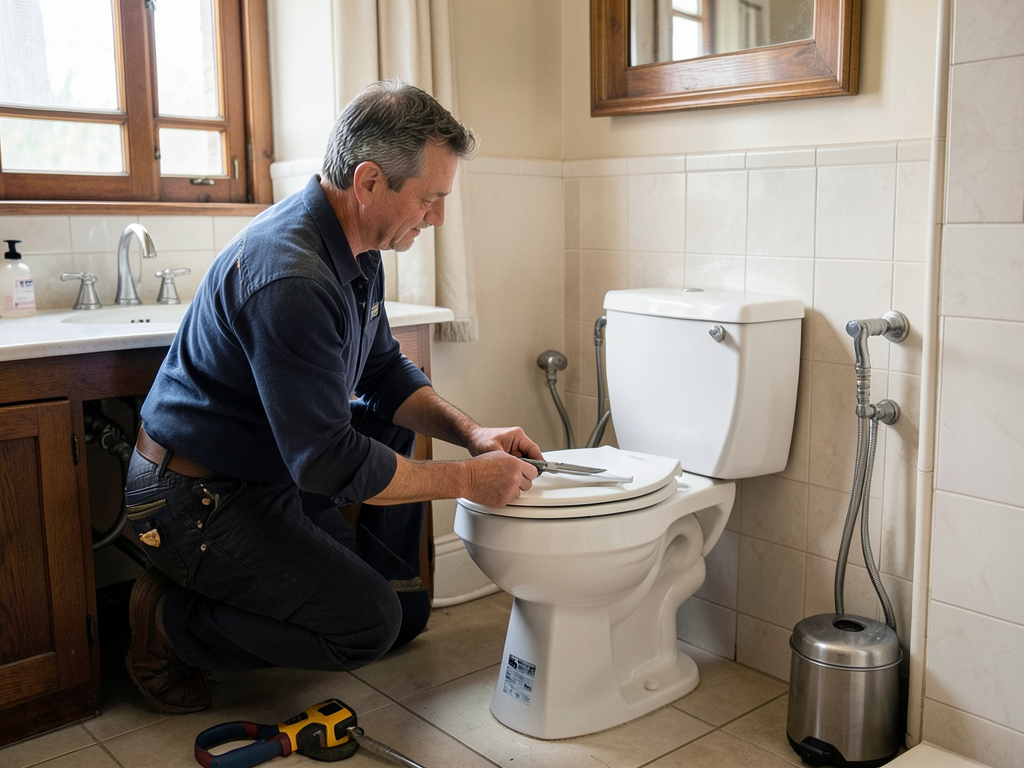
For flushometer repair, we disassemble the valve body completely. The diaphragm, relief valve, and handle assembly all get individual inspection. Calcium deposits get removed with descaling solutions. Worn gaskets and springs get replaced with OEM components rated for commercial duty cycles. We test flush volume with calibrated measuring equipment to ensure ADA compliance and water conservation standards.

Commercial flush valve replacement follows manufacturer torque specifications exactly. Over-tightening damages valve seats. Under-tightening creates leaks that waste thousands of gallons monthly. We use torque wrenches, not impact guns, because precision matters when you are managing operational costs.

Industrial toilet repair services extend beyond the fixture itself. We inspect the waste line connection, verify proper venting, and confirm the flange mounting meets current code. Many Pittsburgh commercial buildings have settling foundation issues that create stress points in rigid piping connections. We identify these vulnerabilities before they cause catastrophic failures during peak business hours.

The difference between adequate repair and professional commercial restroom fixture repair is in the details that prevent callbacks and downtime.

What Happens During Your Commercial Restroom Service Call

Commercial Toilet & Urinal Repair in Pittsburgh | Minimize Downtime with Industrial-Grade Restroom Solutions
01

Immediate System Assessment

Our technician arrives with commercial-grade diagnostic equipment, not residential tools. We test water pressure at multiple points, inspect all fixtures in the affected restroom bank, and document current flush volumes. You receive a written assessment within 30 minutes that identifies the root cause, not just the symptom. We prioritize repairs based on operational impact so you can make informed decisions about immediate fixes versus scheduled maintenance.
02

Precision Repair Execution

We carry commercial-grade replacement components for all major flushometer manufacturers on every service vehicle. Sloan, Zurn, Kohler components are in stock. Repairs happen on-site without waiting for parts orders. Our technicians follow manufacturer rebuild procedures exactly, replace all wear components regardless of apparent condition, and test each fixture through multiple flush cycles under load before signing off on the repair. You get documentation for your maintenance records.
03

Preventive Maintenance Planning

Before leaving, we provide a facility-specific maintenance schedule based on your actual usage patterns and water quality. You receive a written report identifying fixtures approaching end-of-service life, water efficiency opportunities, and code compliance gaps. This lets you budget for repairs strategically instead of reacting to emergencies. We document everything in your facility file so future service calls build on existing knowledge of your system.

Why Pittsburgh Facility Managers Choose Ace Plumbing Pittsburgh

Commercial plumbing in Pittsburgh requires specific knowledge that residential plumbers do not possess. The city's mixed-age commercial infrastructure means you might have a 1920s building with 1970s plumbing upgrades operating under 2024 code requirements. Navigating that complexity requires experience with Pittsburgh's actual building stock, not theoretical textbook knowledge.

We understand Allegheny County's commercial plumbing code enforcement patterns. Inspectors focus heavily on backflow prevention, water conservation compliance, and ADA accessibility standards. When we perform commercial restroom fixture repair, every component meets current code even if your building was grandfathered under older standards. This protects you during the next inspection cycle.

Our familiarity with Pittsburgh's commercial districts matters during emergencies. We know which supply houses stock commercial flushometer parts after hours. We understand traffic patterns that affect response times to the Strip District versus Oakland versus the North Shore. This local knowledge translates directly into faster repairs and less downtime.

The commercial buildings in Pittsburgh present unique challenges. Many structures in the Cultural District and Golden Triangle have historic designation requirements that limit renovation options. We have worked with the Pittsburgh Historic Review Commission enough to know what modifications get approved and what triggers review delays. This experience prevents compliance problems that shut down your project.

Facility managers choose Ace Plumbing Pittsburgh because we speak your language. We provide documentation compatible with your CMMS systems. We schedule work around your operational requirements, not our convenience. We understand that in commercial environments, a callback is not just inconvenient, it is a failure that costs you money and damages our reputation.

Trust is built through competence and reliability, not marketing claims.

What to Expect When You Call for Commercial Restroom Repair

Rapid Response Scheduling

We dispatch to commercial emergencies within two hours during business hours, four hours after hours. For non-emergency repairs, we schedule during your low-traffic periods to minimize occupant impact. You receive confirmed arrival windows, not vague half-day estimates. Our technicians call 30 minutes before arrival so your facility staff can provide access. We understand that in commercial environments, time wasted waiting for contractors is money lost. Your schedule drives our dispatch, not the other way around.

Comprehensive Facility Evaluation

Our initial assessment examines the entire restroom system, not just the fixture you called about. We test water pressure, inspect supply lines, verify waste line function, and evaluate all fixtures in the room. This comprehensive approach identifies problems before they cause failures. You receive a written report with photos documenting current conditions, recommended repairs prioritized by urgency, and cost estimates for each item. This gives you the information needed for budget planning and capital improvement scheduling.

Code-Compliant, Warrantied Work

Every repair meets current Pennsylvania commercial plumbing code requirements regardless of your building's age or existing code status. We use commercial-grade components rated for high-cycle applications, not residential parts that fail quickly under commercial usage. All work includes written documentation for your facility maintenance files. Our repairs come with parts and labor coverage, and we respond to any post-repair issues within 24 hours. You get quality work that survives inspection and performs reliably under actual operating conditions.

Preventive Maintenance Programs

After your initial repair, we offer scheduled maintenance programs tailored to your facility's usage intensity. Quarterly or semi-annual inspections identify wear before it causes failures, extend fixture life, reduce water waste, and prevent emergency repairs. Program clients receive priority emergency response and preferential scheduling. We maintain detailed service histories for your facility, track component replacement intervals, and provide annual reports documenting system condition and upgrade recommendations. This proactive approach reduces total cost of ownership and eliminates surprise failures.

Frequently Asked Questions

You Have Questions,
We Have Answers

How to fix a commercial toilet that won't flush all the way? +

Check the flush valve and flapper first. Commercial toilets in Pittsburgh facilities experience heavy use, which wears out flappers fast. If the flapper does not seal properly, the bowl will not fill completely. Inspect the fill valve next. Mineral buildup from Pittsburgh's hard water can restrict flow. Adjust the water level in the tank or replace the fill valve if damaged. Test the flush handle linkage for disconnection or misalignment. For high-pressure flush systems like flushometers, the diaphragm may need replacement. If these fixes fail, call a licensed commercial plumber to assess line pressure or hidden blockages.

What is the most common toilet flush problem? +

A worn or misaligned flapper is the most common flush problem in commercial restrooms. The flapper seals the flush valve opening. When it deteriorates, water leaks into the bowl constantly, preventing proper tank refill. High usage in Pittsburgh office buildings and restaurants accelerates flapper wear. Mineral deposits from local water supply also degrade rubber seals. Other frequent issues include faulty fill valves, chain disconnection, and clogged rim jets. Commercial fixtures face higher stress than residential units, so component failure happens faster. Regular inspection prevents downtime and reduces water waste, which impacts your utility costs directly.

How much does it cost for a plumber to repair a toilet flange? +

Toilet flange repair costs vary based on flange type, accessibility, and subfloor damage. Expect pricing differences for cast iron versus PVC flanges. If the subfloor beneath the flange has rotted due to leaks, repair costs increase. Commercial jobs in Pittsburgh office buildings or retail spaces often require after-hours work to avoid business disruption, which affects labor rates. Flange replacement involves pulling the toilet, removing the old flange, and sealing a new one to the drain pipe. Costs reflect material type, labor complexity, and whether concrete cutting is necessary. Request a detailed estimate before authorizing any work to avoid surprises.

How much would it cost to fix a broken toilet flush? +

Flush mechanism repair costs depend on the fixture type and component failure. Standard gravity-feed toilets require less labor than pressure-assisted or flushometer valve systems common in Pittsburgh commercial buildings. A simple flapper replacement is inexpensive, while a full flush valve assembly costs more. If the handle or trip lever broke, replacement is straightforward. Flushometer repairs require specialized parts and knowledge. Costs reflect parts, labor time, and service call fees. Emergency after-hours service increases pricing. For multi-fixture failures in a commercial restroom, bundled repairs reduce per-unit costs. Always get a written estimate before repair work begins to control expenses.

How do I know if my fill valve or flapper is bad? +

Test the fill valve by listening for continuous water running after the tank refills. If water keeps trickling, the fill valve is likely defective. For the flapper, add food coloring to the tank and wait 15 minutes. If color appears in the bowl without flushing, the flapper leaks. Commercial toilets in Pittsburgh face constant use, so these components wear faster than residential units. Check for visible cracks, warping, or mineral buildup on both parts. A faulty fill valve will not shut off completely. A bad flapper will not seal the flush valve. Replace both components together to prevent callbacks.

Why put aluminum foil in a toilet tank? +

This is not a recommended plumbing practice. Some claim aluminum foil reduces mineral buildup or reflects light to deter pests, but these claims lack professional support. Foil can interfere with moving parts like the flapper or fill valve, causing malfunctions. In commercial settings, it creates liability if it blocks the flush mechanism or causes water damage. Pittsburgh's hard water requires proper chemical treatment and regular maintenance, not improvised solutions. If mineral deposits are an issue, install water softeners or schedule descaling service. Focus on code-compliant repairs and preventive maintenance to keep commercial restrooms functioning reliably.

How to fix a toilet that won't flush but isn't clogged? +

Inspect the flapper and flush valve seal. If the flapper does not lift fully or the chain is tangled, the flush will be weak. Check the water level in the tank. It should sit one inch below the overflow tube. Low water pressure from the supply line reduces flush power. Mineral deposits in the rim jets or siphon jet restrict water flow. Pittsburgh's hard water accelerates this buildup. For flushometer systems, the diaphragm may be torn or the pressure regulator set incorrectly. Clean jets with a wire or descaling solution. Adjust or replace the fill valve to restore proper water level.

What are two things you should never flush down a toilet? +

Never flush paper towels or sanitary products. Paper towels do not break down like toilet paper and will clog drain lines. Sanitary products expand when wet and create blockages that require professional extraction. In commercial restrooms, these clogs shut down facilities and create liability. Pittsburgh's older commercial buildings often have cast iron drain lines that are more prone to buildup and blockage. Grease, wipes, and hygiene products also cause backups. Post clear signage in restrooms to prevent misuse. Train staff to report slow drains immediately. Preventive measures reduce emergency service calls and maintain business continuity.

How do you know if a flush valve needs replacing? +

Watch for incomplete flushes or water continuously running into the bowl. If the flush valve does not seal after flushing, water leaks from the tank. Check for visible cracks or corrosion on the valve seat. Mineral deposits prevent proper sealing, common in Pittsburgh facilities due to hard water. If you hear whistling or hissing during the refill cycle, the valve may be damaged. Test by shutting off the water supply and marking the water level. If the level drops without flushing, the flush valve leaks. Replace the entire assembly rather than individual parts to ensure reliable operation.

What are the signs of a broken toilet flange? +

Look for water pooling around the toilet base after flushing. A broken flange will not seal the toilet to the drain, allowing wastewater to escape. You may notice a rocking toilet, which indicates loose or broken mounting bolts tied to flange failure. Foul odors near the base signal a compromised wax ring or cracked flange. In Pittsburgh commercial buildings with concrete floors, flanges corrode from moisture exposure or shift due to settling. Leaks can damage subflooring and create mold growth. If you see rust stains or the toilet moves when pressure is applied, inspect the flange immediately to prevent costly water damage.

How Pittsburgh's Aging Commercial Infrastructure Affects Restroom System Reliability

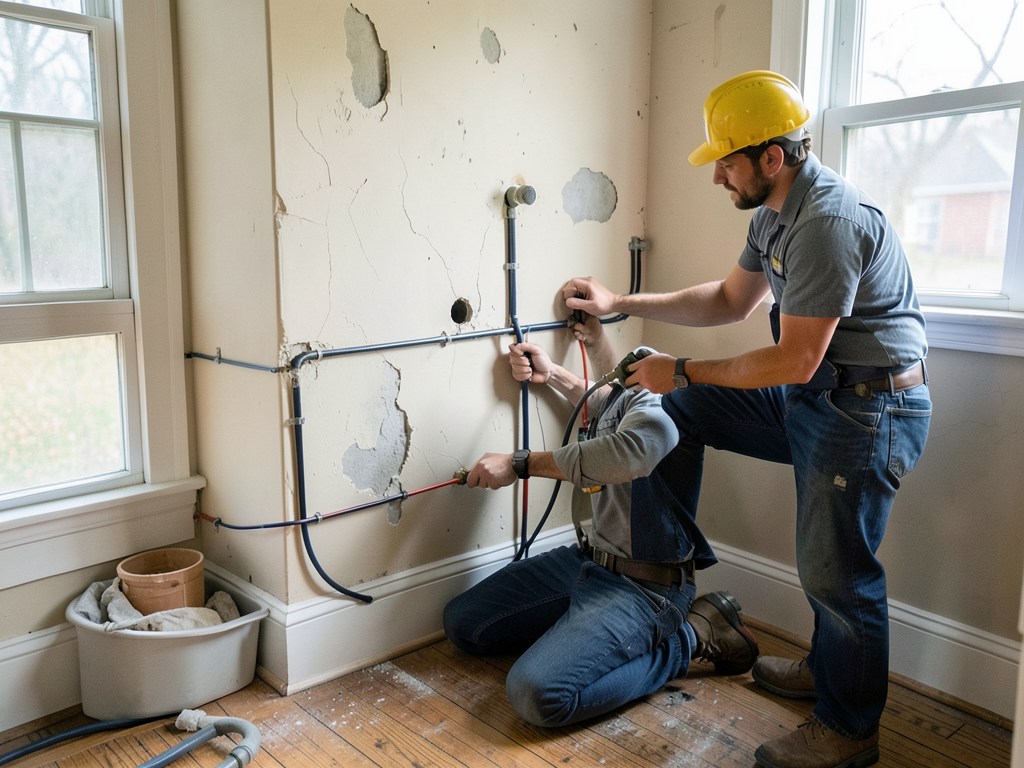
Pittsburgh's commercial building stock skews older than most American cities. Many office buildings, restaurants, and retail spaces in neighborhoods like Shadyside, Squirrel Hill, and the Strip District occupy structures built between 1900 and 1960. These buildings often retain original cast iron waste stacks and galvanized supply piping that has spent decades interacting with Pittsburgh's mineral-heavy municipal water. The result is reduced pipe diameter from scale buildup, unpredictable pressure fluctuations, and accelerated wear on flushometer diaphragms. Commercial flush valve replacement becomes necessary more frequently here than in cities with newer infrastructure or softer water supplies.

Facility managers in Pittsburgh need plumbing contractors who understand local code enforcement priorities. Allegheny County Health Department focuses heavily on water conservation and backflow prevention during commercial inspections. When we perform industrial toilet repair services, we document water usage rates and verify backflow device certification status because we know these are the items that trigger violations during routine inspections. Our familiarity with local inspectors, permit procedures, and code interpretation prevents the compliance delays that turn simple repairs into extended projects. Local expertise is not about marketing, it is about knowing which details matter in this specific regulatory environment.
Plumbing Services in The Pittsburgh Area

We are proud to be the trusted plumbing partner for the entire Pittsburgh area and its surrounding communities. Our dedicated team is committed to providing prompt and efficient service wherever you are. To get a better sense of our service area and to get in touch with us for all your plumbing needs, please take a look at our location on the map below. We’re always here to help.

Address:
Ace Plumbing Pittsburgh, 1450 Fifth Ave, Pittsburgh, PA, 15219

Additional Services We Offer

Our news updates

Latest Articles & News from The Blogs

Why You Need a Plumbing Camera Inspection Before Buying That Mount Oliver Fixer Upper \n\n Buying a fixer upper in…

Why You Need a Plumbing Camera Inspection Before Buying That Mount Oliver Fixer Upper

Why You Need a Plumbing Camera Inspection Before Buying That Mount Oliver Fixer Upper \n\n Buying a fixer upper in…

Replacing Every Old Pipe in Your Swissvale Home Without the Stress

Replacing Every Old Pipe in Your Swissvale Home Without the Stress Swissvale homes built before 1970 often hide a ticking…

Reliable Ejector Pump Repair and Install for Robinson Township Basement Bathrooms

Expert Ejector Pump Repair in Robinson Township PA Basement bathrooms in Robinson Township homes often sit below the main sewer…

Contact Us

Do not let restroom failures disrupt your business operations. Call Ace Plumbing Pittsburgh at (412) 382-8366 for immediate commercial toilet and urinal repair. We dispatch fast, diagnose accurately, and repair right the first time.