


Menu

Emergency Sewer Backup Cleanup in Pittsburgh – 24/7 Response Teams Dispatched in Under 60 Minutes

Raw sewage is a health hazard that spreads every minute you wait. Our Pittsburgh crews arrive fast with truck-mounted extraction equipment and EPA-compliant sanitizers to stop contamination, protect your family, and restore your property the same day.

Slider Image 1
Slider Image 2
Slider Image 3
Slider Image 4
Slider Image 5
Slider Image 7
Slider Image 8
Slider Image 9
Slider Image 10
Slider Image 11

Why Sewer Backups Happen Fast in Pittsburgh Homes

You walk into your basement and smell it before you see it. Raw sewage pooling on your floor. Toilet paper floating in standing water. Black sludge creeping toward your furnace.

Pittsburgh's aging sewer infrastructure was built before 1950 in many neighborhoods like Shadyside, Squirrel Hill, and the South Side. Cast iron drain lines corrode from the inside out. Tree roots from mature maples and oaks punch through terra cotta pipe joints. When heavy rains hit, combined sewer systems in older parts of the city overwhelm, and sewage backs up through your lowest drain.

The Ohio River basin's clay soil shifts with freeze-thaw cycles, cracking underground lines you cannot see. One day your drains work fine. The next morning, you have three inches of contaminated water in your finished basement.

Sewage contains E. coli, hepatitis A, and parasites. Every minute it sits, it soaks into drywall, carpet pad, and floor joists. Black mold colonizes within 24 to 48 hours. Your HVAC system pulls contaminated air through your entire home.

You need urgent sewage removal services that arrive before permanent damage sets in. You need emergency raw sewage extraction with industrial pumps, not a shop vac and hope. You need 24 hour sewer overflow cleaning from technicians trained in biohazard protocols, not a handyman with a mop.

This is not a DIY project. This is a health emergency that requires immediate sewage spill mitigation and rapid sewer backup restoration by professionals who understand what contaminated Category 3 water does to building materials.

Why Sewer Backups Happen Fast in Pittsburgh Homes
How We Stop Sewage Damage in Its Tracks

How We Stop Sewage Damage in Its Tracks

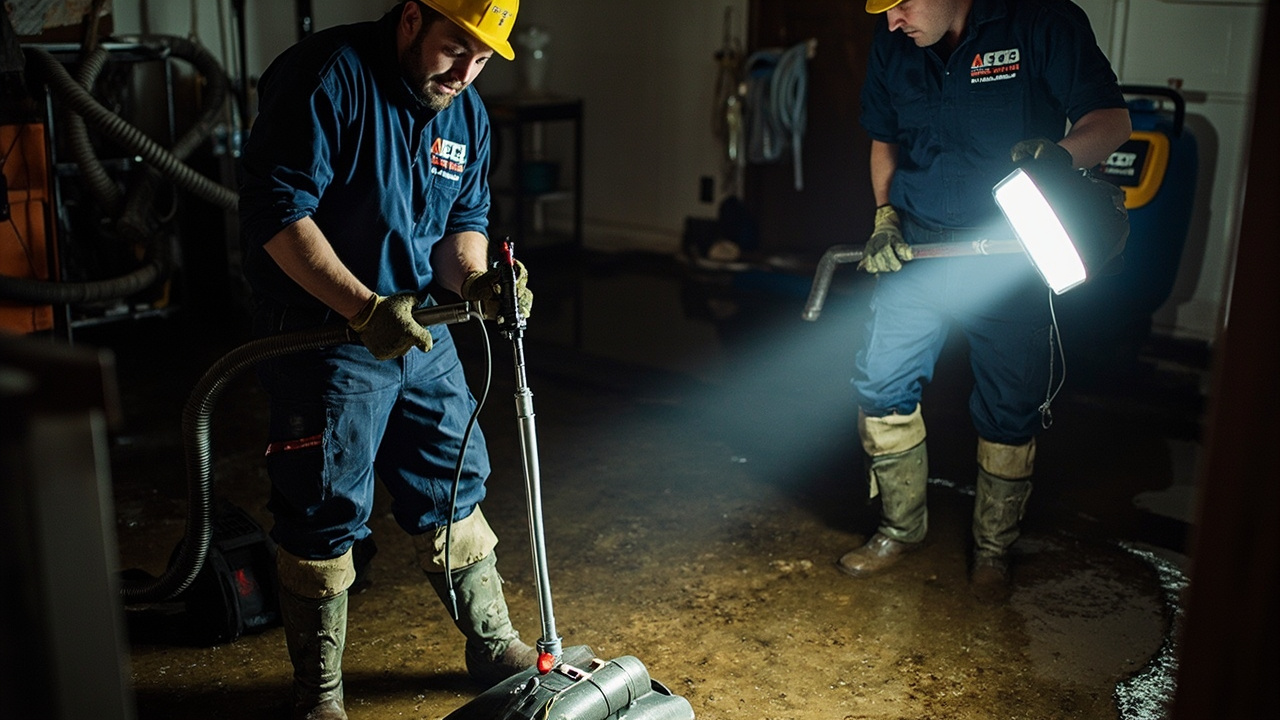
When you call, we dispatch a two-person crew with a truck-mounted extractor capable of removing 200 gallons per minute. We do not wait until morning. We do not put you on a list.

Our first priority is source control. If sewage is still flowing, we locate the blockage point using a sewer camera inspection. We clear the line with a powered drum auger or hydro jetter so the backup stops. No more water means no more damage.

Next is extraction. We pull contaminated water using weighted wands that reach carpet pad and subfloor. We do not stop at surface water. We extract until moisture meters read dry at the slab.

Then we remove non-salvageable materials. Drywall wicks sewage 12 inches above the visible water line, so we cut two feet high and remove it. Carpet pad is porous and impossible to sanitize, so it goes. We bag and dispose of everything as biohazard waste per OSHA guidelines.

We apply EPA-registered antimicrobial agents to all affected surfaces. We do not use household bleach. We use hospital-grade quaternary ammonium compounds that kill pathogens on contact and leave a residual barrier.

Finally, we set up negative air machines with HEPA filtration to pull contaminated air out while commercial dehumidifiers drop humidity below 50 percent. We monitor with thermo-hygrometers until structural drying is complete, which takes three to five days depending on saturation depth.

We document every step with photos and moisture readings for your insurance claim. We coordinate directly with your adjuster so you do not become a project manager in your own crisis.

What Happens When You Call for Emergency Cleanup

Emergency Sewer Backup Cleanup in Pittsburgh – 24/7 Response Teams Dispatched in Under 60 Minutes
01

Immediate Dispatch and Arrival

You call our 24/7 emergency line at (412) 382-8366. We answer, not a voicemail. We ask three questions: Is sewage still flowing? Do you have power? Is anyone in the home immunocompromised? A crew leaves our facility within 15 minutes. You get a text with their names, photo, and truck number. Average arrival time in the Pittsburgh metro is 45 to 60 minutes, depending on traffic and your location.
02

Extraction and Containment

The crew isolates the affected area with plastic sheeting to prevent cross-contamination. They extract all standing water using truck-mounted pumps. They remove unsalvageable materials like carpet, pad, and wet drywall. They apply antimicrobial treatments to all exposed surfaces, including concrete, framing, and subflooring. They set up air scrubbers and dehumidifiers. This phase takes two to four hours depending on the size of the affected area and depth of saturation.
03

Drying and Final Clearance

We monitor drying equipment daily. We take moisture readings at the subfloor, wall cavities, and any affected framing. When readings stabilize below 15 percent moisture content, we remove equipment. We provide a written clearance letter confirming the space is dry, sanitized, and safe to rebuild. You get copies of all documentation, photos, and equipment logs for your insurance company. Most projects reach clearance in three to five days.

Why Pittsburgh Homeowners Call Us First

We have cleaned sewage backups in every Pittsburgh neighborhood from Mount Washington to Highland Park. We know the difference between a public sewer lateral backup, which is the city's responsibility, and a private line failure, which is yours. We know how to document the failure point so you do not pay for repairs the municipality should cover.

We understand Pittsburgh's mixed-age housing stock. If you live in a century-home in Lawrenceville, you likely have cast iron stacks and clay laterals. If you live in a post-war ranch in Bethel Park, you have Orangeburg fiber pipe that collapses when saturated. We have seen it all, and we know what failed before we dig.

Our technicians hold IICRC certifications in Water Damage Restoration and Applied Microbial Remediation. That is not marketing language. That means they passed third-party exams on drying science, psychrometrics, and pathogen control. They know how to read a moisture map and calculate grain depression.

We work directly with every major insurance carrier active in Allegheny County. We know what documentation State Farm needs versus Nationwide versus Erie. We write estimates in Xactimate, the industry-standard software adjusters use, so there is no translation gap that slows your claim.

We do not outsource our crews. The team that answers your call is the team that shows up. They live in Pittsburgh. They know where Dormont ends and Brookline begins. They do not need GPS to find your street, and they do not waste time when sewage is spreading.

You do not get a patrol vehicle with a wet vac. You get a full-size truck with truck-mounted extraction, commercial dehumidifiers, air scrubbers, and antimicrobial agents.

What to Expect During the Cleanup Process

Response Time and Availability

We answer calls 24 hours a day, 365 days a year. That includes Christmas, Thanksgiving, and Steelers game days. Sewage does not wait for business hours. When you call, you speak to a live dispatcher who sends a crew immediately. Our average response time is 45 to 60 minutes anywhere in Allegheny County. We do not schedule you for tomorrow. We do not put you on a waitlist. If you have sewage in your home, we are on the way before you hang up the phone.

Initial Assessment and Scope

When the crew arrives, they perform a visual inspection and use moisture meters to map the affected area. They identify the sewage source and determine if the backup is still active. They explain what materials must be removed, what can be saved, and what equipment will be used. You get a written scope of work before any demolition begins. If insurance is involved, we take detailed photos and document all findings in a format your adjuster expects. You are never surprised by what happens next.

Sanitization and Safety Standards

We treat all sewage backups as Category 3 water, the most contaminated classification. We use EPA-registered antimicrobials rated for fecal coliform, not household disinfectants. We follow IICRC S500 standards for water damage restoration and OSHA guidelines for bloodborne pathogen handling. Every surface that contacted sewage is treated twice. Air scrubbers with HEPA filters run continuously to prevent airborne contamination. We provide a sanitization certificate when the job is complete, confirming the space meets safe reoccupancy standards.

Post-Cleanup Documentation and Support

You receive a full report with photos, moisture readings, equipment logs, and a timeline of all work performed. We provide a written clearance letter stating the area is dry and sanitized. If you need help with your insurance claim, we communicate directly with your adjuster and provide supplemental documentation if requested. If you need a plumber to repair the failed line or a contractor to rebuild, we provide referrals to licensed professionals we trust. We do not disappear when the equipment comes out.

Frequently Asked Questions

You Have Questions,
We Have Answers

How do you clean up after sewer backup? +

Stop the water source first. Turn off your main water valve. Do not touch contaminated water or surfaces. Call a licensed restoration company immediately. Professionals extract standing sewage using pumps, remove porous materials like drywall and carpeting, then disinfect all hard surfaces with EPA-approved antimicrobial solutions. They dry the space using industrial dehumidifiers and air movers. Your safety matters. Sewage contains E. coli, hepatitis, and other pathogens. Pittsburgh homes with older clay tile sewer lines face higher backup risks during freeze-thaw cycles. Never attempt DIY cleanup. Contamination spreads fast, and insurance claims require professional documentation.

How much does sewage backup cleanup cost? +

Expect cleanup costs between several hundred to several thousand dollars, depending on contamination spread and structural damage. A single-room backup costs less than a full basement flood. Variables include water volume, affected materials, and how long sewage sat before professionals arrived. Pittsburgh homes built before 1980 often need additional mold remediation due to aging infrastructure. Most homeowner policies cover sudden sewer backups if you carry the endorsement. Document everything immediately. Call your insurance company before cleanup starts. Emergency response minimizes total costs. Waiting turns a manageable cleanup into a full gut job requiring structural repairs and mold abatement.

What to do if the sewer is backing up? +

Stop using all water immediately. Do not flush toilets, run sinks, or use appliances. Evacuate the affected area. Sewage contains dangerous bacteria and viruses. Call a 24/7 emergency plumber right away. Pittsburgh experiences frequent backups during heavy rainstorms when combined sewer systems overflow. If sewage is actively flowing, shut off your main water valve. Do not walk through contaminated water. Move pets and children away. Take photos for insurance claims but do not touch anything. Time matters. The longer sewage sits, the deeper contamination spreads into flooring, walls, and HVAC systems. Professional extraction and disinfection prevent long-term health hazards.

Is a sewer back up an emergency? +

Yes. Sewage backup is a serious emergency requiring immediate action. Raw sewage carries E. coli, salmonella, hepatitis A, and parasites. Exposure causes severe illness, especially in children and elderly residents. Pittsburgh homes with finished basements face higher contamination risks when main lines clog. You have hours, not days, before mold colonizes wet materials. Structural damage accelerates as sewage saturates drywall, insulation, and subflooring. Call emergency restoration services immediately, even at 3 a.m. Do not wait until morning. Insurance companies expect prompt mitigation. Delays void coverage and turn a cleanup into a demolition project. Your family's health depends on fast professional response.

How long do sewage bacteria last on surfaces? +

Sewage bacteria survive on porous surfaces for days to weeks without proper disinfection. E. coli remains viable up to 28 days on fabrics and wood. Hard surfaces harbor pathogens for 48 to 72 hours if not treated. Pittsburgh's humidity extends bacterial survival by keeping surfaces moist longer. You cannot sanitize sewage-contaminated materials with household cleaners. EPA-registered antimicrobials applied by trained technicians are required. Porous items like carpet padding, drywall, and insulation must be removed and discarded. They cannot be saved. Surface cleaning is not enough. Cross-contamination spreads bacteria to HVAC systems and adjacent rooms. Professional testing confirms complete decontamination before reoccupation.

Can you clear a main sewer line clog yourself? +

No. Main sewer line clogs require professional equipment and expertise. Attempting DIY hydro-jetting or snaking can rupture aging pipes, flooding your home with raw sewage. Pittsburgh homes often have original clay tile sewer lines from the 1940s to 1970s. Tree roots infiltrate joints, causing chronic blockages. Licensed plumbers use video inspection cameras to locate the clog without guesswork. They assess pipe condition before clearing. A failed DIY attempt creates emergency flooding at midnight, tripling repair costs. Main line access requires specialized tools and code knowledge. Call a licensed plumber immediately. Insurance covers professional service. It does not cover damage from homeowner experiments.

How Pittsburgh's Aging Sewer Lines and Clay Soil Increase Backup Risk

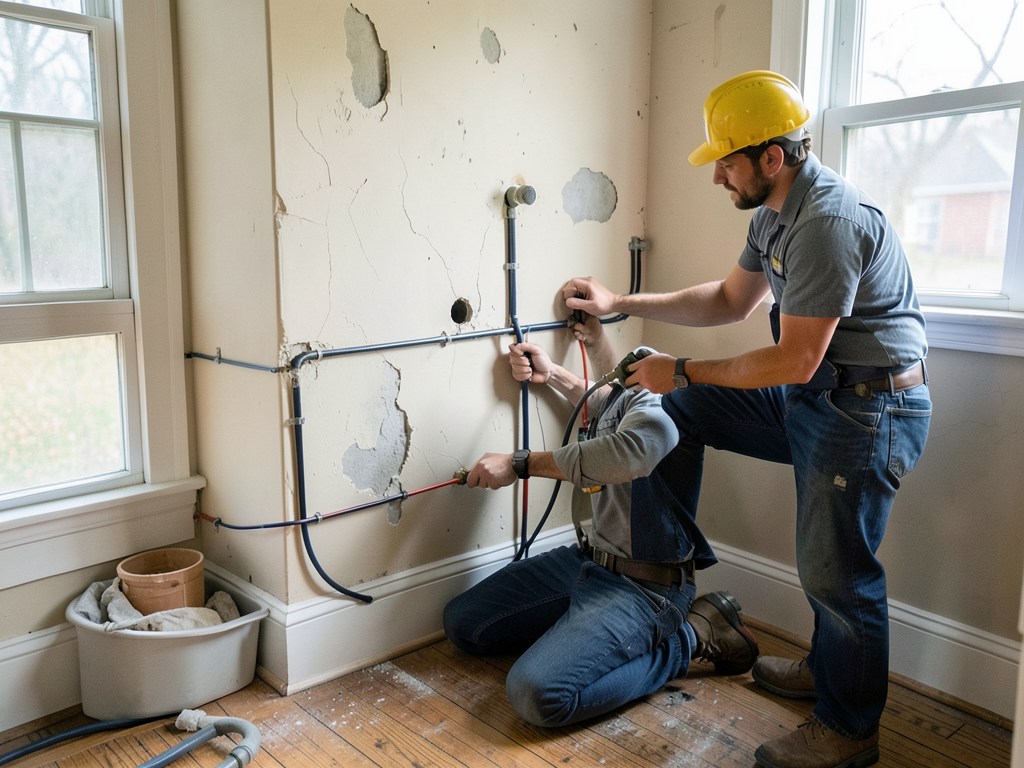
Pittsburgh's sewer infrastructure dates back to the early 1900s in neighborhoods like Polish Hill, Bloomfield, and the North Side. Many homes still rely on clay tile laterals and cast iron stacks that were never designed for modern water usage. The region's heavy clay soil expands and contracts with freeze-thaw cycles, shifting and cracking underground pipes. Combined sewer systems in older districts send both stormwater and sewage through the same lines, which overwhelm during heavy rains and cause backups through basement floor drains. Rapid sewer backup restoration is not optional in Pittsburgh. It is a necessity driven by geography and aging infrastructure.

We have been cleaning up emergency sewage spills in Pittsburgh for years. Our crews know the common failure points in South Side rowhouses, Highland Park bungalows, and Shadyside Victorians. We understand local building codes and work with the Pittsburgh Water and Sewer Authority when lateral responsibility is unclear. We know which streets have combined sewers and which have separated systems. That local knowledge means faster diagnosis, fewer surprises, and better outcomes. When you need immediate sewage spill mitigation, you need a team that knows Pittsburgh's plumbing history as well as its current buildings.
Plumbing Services in The Pittsburgh Area

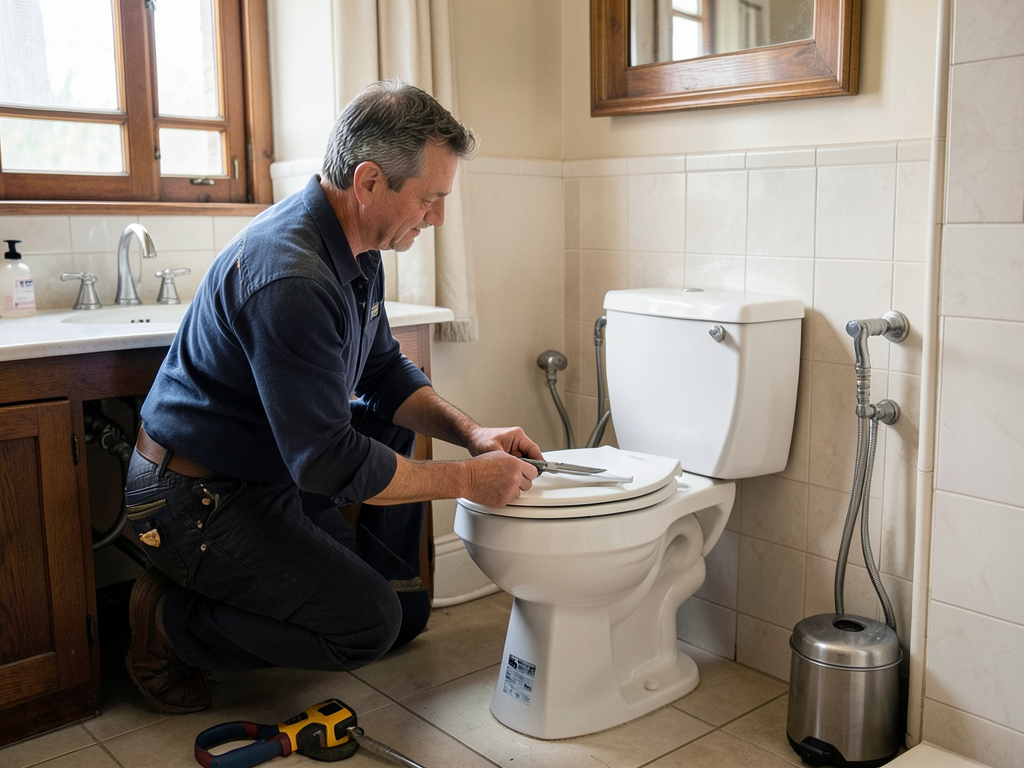
We are proud to be the trusted plumbing partner for the entire Pittsburgh area and its surrounding communities. Our dedicated team is committed to providing prompt and efficient service wherever you are. To get a better sense of our service area and to get in touch with us for all your plumbing needs, please take a look at our location on the map below. We’re always here to help.

Address:
Ace Plumbing Pittsburgh, 1450 Fifth Ave, Pittsburgh, PA, 15219

Additional Services We Offer

Our news updates

Latest Articles & News from The Blogs

Why You Need a Plumbing Camera Inspection Before Buying That Mount Oliver Fixer Upper \n\n Buying a fixer upper in…

Why You Need a Plumbing Camera Inspection Before Buying That Mount Oliver Fixer Upper

Why You Need a Plumbing Camera Inspection Before Buying That Mount Oliver Fixer Upper \n\n Buying a fixer upper in…

Replacing Every Old Pipe in Your Swissvale Home Without the Stress

Replacing Every Old Pipe in Your Swissvale Home Without the Stress Swissvale homes built before 1970 often hide a ticking…

Reliable Ejector Pump Repair and Install for Robinson Township Basement Bathrooms

Expert Ejector Pump Repair in Robinson Township PA Basement bathrooms in Robinson Township homes often sit below the main sewer…

Contact Us

Sewage does not wait. Neither do we. Call (412) 382-8366 now and get a two-person emergency crew dispatched immediately. We answer 24/7, and we bring everything needed to stop the damage tonight.