




Menu

Smelly Drains & Sewer Odors in Pittsburgh – Expert Diagnosis and Permanent Fixes

When foul sewer gas odors invade your Pittsburgh home, you need more than a temporary cover-up. Ace Plumbing Pittsburgh identifies the root cause of stinky bathroom drains and unpleasant drain odors, then solves the problem for good.

Slider Image 1
Slider Image 2
Slider Image 3
Slider Image 4
Slider Image 5
Slider Image 7
Slider Image 8
Slider Image 9
Slider Image 10
Slider Image 11

Why Pittsburgh Homes Battle Persistent Sewer Smells

That rotten egg smell from plumbing is not just unpleasant. It signals a real problem in your drainage system, and Pittsburgh's environment makes these issues worse.

The city's aging infrastructure and fluctuating water table create the perfect conditions for drain problems. When Pittsburgh temperatures swing from freezing winters to humid summers, your pipes expand and contract. This movement breaks seals, cracks fixtures, and allows foul sewer gas odors to escape into your living space.

You might notice the sewage smell in house strongest in bathrooms, basements, or near floor drains. The odor comes from hydrogen sulfide gas escaping through compromised P-traps, failed wax rings, or deteriorating drain lines. In older Pittsburgh neighborhoods like Lawrenceville and Polish Hill, cast iron drain pipes corrode from the inside out, creating pathways for sewer gas to seep into walls and crawlspaces.

Stinky bathroom drains also result from biofilm buildup in slow-moving pipes. Pittsburgh's hard water deposits minerals that narrow drain passages, creating stagnant zones where bacteria thrive. These bacteria colonies produce the sulfur compounds you smell.

Some homeowners try masking unpleasant drain odors with air fresheners or drain cleaners. This approach fails because it ignores the mechanical failure causing the gas leak. Sewer gas contains methane and hydrogen sulfide. Both are flammable. Both displace oxygen. Both pose health risks when concentrations rise in enclosed spaces.

The smell indicates your drainage system is compromised. The longer you wait, the worse the underlying damage becomes. What starts as an occasional odor can progress to a failed drain line requiring excavation and replacement.

Why Pittsburgh Homes Battle Persistent Sewer Smells
How We Locate and Eliminate the Source

How We Locate and Eliminate the Source

Generic drain cleaning will not fix sewer gas intrusion. We use diagnostic tools to find the exact failure point in your system.

Our technicians start with a pressure test on your drain lines. This test reveals leaks in the system before we tear into walls or floors. We then perform a smoke test, pumping non-toxic vapor through your drains to see where gas escapes. The smoke appears at every breach point, showing us failed seals, cracked pipes, or missing vent caps.

For persistent odors with no obvious source, we deploy a sewer camera. This flexible fiber-optic line travels through your drain system, sending live video to our monitor. We can see corroded pipe interiors, collapsed sections, root intrusions, or belly sags that trap waste and breed bacteria. This camera inspection is particularly valuable in Pittsburgh homes with inaccessible drain lines running under concrete slabs or through finished basements.

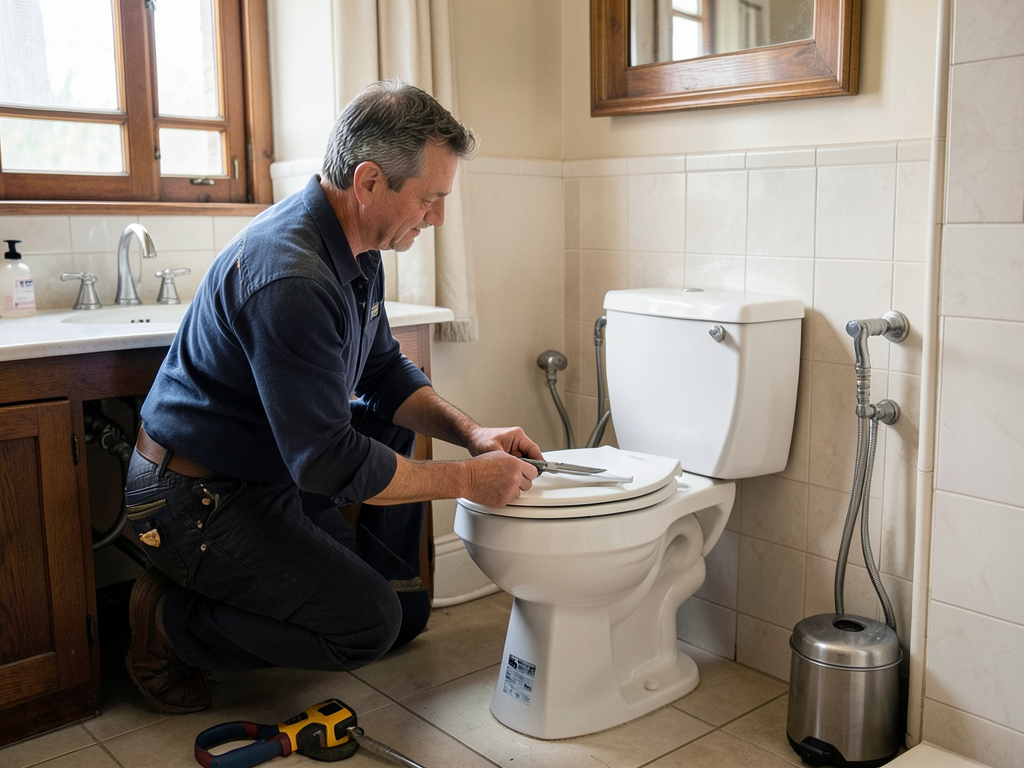
Once we identify the problem, we fix it properly. If your P-trap has lost its water seal, we determine why. Is the vent stack blocked? Is the trap poorly designed? We correct the root issue so the trap maintains its seal. If your wax ring has failed, we pull the toilet, inspect the flange, and install a new seal with the correct compression. If your cast iron drain stack is corroding, we recommend sectional replacement or a full reline using epoxy pipe coating.

For biofilm and bacterial buildup causing hydrogen sulfide production, we perform hydro-jetting. This high-pressure water jet scours pipe walls clean, removing decades of accumulated slime and mineral deposits. The result is smooth pipe interiors where waste flows freely and bacteria cannot colonize.

What Happens During Your Odor Elimination Service

Smelly Drains & Sewer Odors in Pittsburgh – Expert Diagnosis and Permanent Fixes
01

Initial Odor Assessment

We walk through your property identifying every location where you detect sewer odors. Our technician maps drain fixtures, checks vent terminations, and uses a gas detector to measure hydrogen sulfide concentrations. This baseline measurement tells us whether you have a minor seal failure or a systemic venting problem. We document everything so you understand the scope before work begins.
02

Diagnostic Testing

We perform smoke testing and camera inspection to pinpoint the failure. You will see the same video feed we see, showing exactly where your system is compromised. If we find a cracked drain line, you see the crack. If we find a blocked vent, you see the obstruction. This transparency ensures you pay only for repairs you actually need, not speculative work based on guesswork.
03

Permanent Repair

We execute the repair using the correct materials for your system. Failed seals get replaced with code-compliant components. Corroded pipes get sectioned out and replaced with PVC or ABS. Blocked vents get cleared and capped properly. After repairs, we retest the system with smoke to confirm all odor pathways are sealed. You get documentation of the work and a clear drain system that no longer leaks sewer gas into your home.

Why Pittsburgh Homeowners Trust Ace Plumbing for Drain Odor Problems

Sewer gas diagnosis requires experience with the specific plumbing configurations common to Pittsburgh homes. We work in these systems every day.

Many Pittsburgh properties were built between 1900 and 1950, an era when cast iron drains and galvanized vents were standard. These materials fail in predictable ways. Cast iron corrodes from sulfuric acid produced by bacterial action in drains. Galvanized steel rusts through at joints and fittings. We know where to look for these failures because we have seen them hundreds of times in Squirrel Hill, Shadyside, and Mount Washington.

We also understand Pittsburgh's municipal codes and permit requirements. Some drain repairs require permits and inspections, particularly when we modify vent stacks or replace building drain sections. We handle this process for you, ensuring your repair meets Allegheny County building standards.

Our diagnostic approach saves you money. Other companies guess at the problem, replacing parts until the smell goes away. We find the exact failure point first, then fix only what is broken. This precision matters when you are deciding between a simple wax ring replacement and a full drain stack replacement.

We also understand the health implications of sewer gas exposure. Hydrogen sulfide causes headaches, nausea, and respiratory irritation at low concentrations. At higher concentrations, it causes loss of consciousness. If you have elderly residents, young children, or anyone with respiratory conditions in your home, sewer gas intrusion is a serious health risk. We treat these calls with appropriate urgency, offering same-day and next-day service for active odor problems.

Our technicians carry the parts and tools needed for most drain odor repairs on their trucks. This means we can often complete your repair during the initial diagnostic visit, getting your home back to normal the same day.

What to Expect When You Call for Sewer Odor Service

Response Time and Scheduling

We schedule most drain odor calls within 24 hours. If you have a strong sewer smell that is making your home unlivable, we prioritize your call for same-day service. Our dispatcher will ask specific questions about the odor location and intensity to help our technician arrive prepared. We provide a two-hour arrival window and call 30 minutes before we arrive. You will not spend your entire day waiting for a plumber.

The Diagnostic Process

Your technician will perform a visual inspection, smoke test, and camera inspection if needed. This process typically takes 45 to 90 minutes depending on your home's size and plumbing configuration. We explain what we find in plain language, show you the video evidence, and provide a written estimate before starting any repair work. You make the final decision on how to proceed. If you choose to delay the repair, we provide you with the diagnostic findings for your records.

The Quality of Repair

We use code-compliant materials rated for your specific application. Wax rings get replaced with reinforced wax rings or rubber gaskets that maintain seal integrity under temperature fluctuations. PVC drain lines are solvent-welded at every joint, not just friction-fit. Vent caps are secured and sealed to prevent pest intrusion. After the repair, we test the system under normal operating conditions to confirm the odor is eliminated. You will notice the difference immediately when your home no longer smells like sewer gas.

Ongoing Maintenance Recommendations

After we eliminate the immediate odor problem, we provide guidance on preventing future issues. This might include running water in rarely-used drains to keep P-traps filled, scheduling periodic hydro-jetting to prevent biofilm buildup, or replacing aging cast iron sections before they fail. If your home has chronic drainage problems due to poor original design, we can propose system upgrades that improve venting and waste flow. Proper maintenance extends the life of your drain system and prevents the return of sewer odors.

Frequently Asked Questions

You Have Questions,
We Have Answers

How to get rid of sewer smell coming from drains? +

Start by running hot water down the drain for several minutes to flush debris. If the smell persists, check the P-trap under your sink. This curved pipe holds water to block sewer gases. If it is dry, run water to refill it. Pour a mix of baking soda and hot water down the drain to neutralize odors. In Pittsburgh homes, especially older properties in Lawrenceville or Squirrel Hill, deteriorating vent pipes or corroded drain lines often cause recurring smells. If simple fixes do not work, you need a camera inspection to find the source.

Why does my drain smell bad but no blockage? +

A bad smell without a blockage points to a dry P-trap, broken vent stack, or biofilm buildup inside the drain line. The P-trap is designed to hold standing water that seals off sewer gases. If you rarely use a sink or floor drain, the water evaporates. Pittsburgh's humid summers and dry winters accelerate this cycle. Biofilm is a slimy bacterial layer that clings to pipe walls and smells foul even when water flows freely. Running water regularly prevents dry traps. Persistent smells require professional cleaning or vent inspection.

Can I fix a sewage smell myself? +

You can fix minor sewer smells yourself if the cause is a dry P-trap or surface grime. Run water to refill traps in basement floor drains or guest bathrooms. Clean visible drain components and pour hot water mixed with baking soda down the drain. However, smells from broken vent pipes, cracked sewer lines, or wax ring failures at the toilet base require professional repair. Pittsburgh homes built before 1950 often have cast iron drain lines that corrode from the inside out. Attempting DIY repairs on old piping can make problems worse.

Why do my pipes smell like sewage? +

Pipes smell like sewage when sewer gases escape through gaps in your drain system. Common causes include dry P-traps, cracked vent stacks, damaged wax rings under toilets, or corroded drain lines. Pittsburgh's freeze-thaw cycles crack older cast iron and clay sewer pipes, especially in homes in Highland Park or Bloomfield. If your vent pipe is blocked by leaves or animal nests, sewer gases back up into your home instead of venting outside. A camera inspection pinpoints the exact failure point so you avoid guessing and wasted money.

What kills the smell of sewage? +

To kill sewage smell temporarily, pour a mix of baking soda and hot water down the drain. Enzyme-based drain cleaners break down organic matter and biofilm that cause odor. Avoid bleach, which can damage pipes and does not address the root cause. For toilets, check the wax ring seal. If it is broken, sewer gas leaks around the base. In Pittsburgh, high humidity feeds bacterial growth in drains, making smells worse. Killing the smell is not the same as fixing the problem. If odors return, you need a plumber to repair the venting or drainage issue.

What are signs of a serious plumbing problem? +

Warning signs of a serious plumbing problem include multiple drains backing up at once, sewage smells throughout the home, water stains on ceilings or walls, and gurgling sounds from toilets or drains. If you notice standing water in your basement after heavy rain, you may have a cracked sewer lateral or foundation leak. Pittsburgh's clay soil shifts with seasonal moisture changes, putting stress on underground pipes. Sudden drops in water pressure or discolored water also signal hidden leaks. Do not ignore these symptoms. Delayed repairs lead to structural damage and mold growth.

How to tell where sewer smell is coming from? +

To locate the source of a sewer smell, start by checking all P-traps under sinks, floor drains, and basement fixtures. Run water in each drain to refill traps. Inspect toilets for wax ring failures by checking for dampness or odor around the base. Smell near vent pipes on your roof. If the odor is strongest near one fixture, the problem is local. If it is widespread, suspect a main sewer line issue or blocked vent stack. Pittsburgh's older neighborhoods often have hidden floor drains in basements that dry out and release odors.

What can I pour down the drain to stop the smell? +

Pour a mix of half a cup of baking soda followed by hot water down the drain to neutralize minor odors. You can also use enzyme-based drain cleaners designed to break down organic buildup. Avoid chemical drain cleaners with harsh acids or lye, which corrode older pipes common in Pittsburgh homes. These products mask smells temporarily but do not fix broken vents, dry traps, or sewer line cracks. If the smell returns within days, you need a professional drain cleaning or video inspection to identify and fix the real problem.

What does foul smelling drainage mean? +

Foul smelling drainage means organic waste, biofilm, or sewer gases are present in your drain system. Slow drains with bad smells indicate grease buildup, hair clogs, or bacterial growth inside the pipe. If the smell is sharp and sulfurous, sewer gas is escaping from a dry P-trap, broken vent, or cracked pipe. In Pittsburgh, older cast iron drain lines corrode and trap waste in rough interior surfaces, creating persistent odors. Foul drainage is not just unpleasant. It signals a ventilation or drainage failure that needs professional diagnosis and repair.

What's the average cost to fix a sewer smell? +

Fixing a sewer smell depends on the cause. Refilling a dry P-trap costs nothing. Replacing a toilet wax ring ranges from affordable to moderate for a licensed plumber. Repairing a cracked vent stack or replacing corroded drain sections costs more depending on accessibility and pipe material. Main sewer line repairs or replacements are the most expensive, especially in Pittsburgh where older homes have clay or cast iron laterals prone to root intrusion and collapse. Get a camera inspection first to avoid paying for unnecessary work. Pricing varies by scope and location of the failure.

How Pittsburgh's Aging Sewer Infrastructure Affects Your Home's Drain System

Pittsburgh's combined sewer system dates back over a century, and many homes still connect to these aging lines through original cast iron laterals. When municipal pressure fluctuates during heavy rain events or snow melt, sewer gases can backflow through compromised drain traps in your home. This is particularly common in neighborhoods near the Monongahela, Allegheny, and Ohio rivers where elevation changes create pressure differentials in the sewer mains. If you live in a low-lying area or near a river valley, your home faces higher risk of sewer gas intrusion during wet weather. Proper trap maintenance and functional vent stacks become critical safeguards against these pressure events.

Allegheny County requires licensed plumbers to handle drain and vent repairs that penetrate the building envelope or modify drainage systems. Ace Plumbing Pittsburgh holds the proper licenses and carries the liability coverage required for this work. We pull permits when needed and schedule inspections so your repair meets code. This protects you if you ever sell your home, as unpermitted plumbing work can derail a real estate transaction. When you hire a qualified local contractor who understands Pittsburgh's regulatory environment, you avoid future complications and ensure your repair is done right the first time.
Plumbing Services in The Pittsburgh Area

We are proud to be the trusted plumbing partner for the entire Pittsburgh area and its surrounding communities. Our dedicated team is committed to providing prompt and efficient service wherever you are. To get a better sense of our service area and to get in touch with us for all your plumbing needs, please take a look at our location on the map below. We’re always here to help.

Address:
Ace Plumbing Pittsburgh, 1450 Fifth Ave, Pittsburgh, PA, 15219

Additional Services We Offer

Our news updates

Latest Articles & News from The Blogs

Why You Need a Plumbing Camera Inspection Before Buying That Mount Oliver Fixer Upper \n\n Buying a fixer upper in…

Why You Need a Plumbing Camera Inspection Before Buying That Mount Oliver Fixer Upper

Why You Need a Plumbing Camera Inspection Before Buying That Mount Oliver Fixer Upper \n\n Buying a fixer upper in…

Replacing Every Old Pipe in Your Swissvale Home Without the Stress

Replacing Every Old Pipe in Your Swissvale Home Without the Stress Swissvale homes built before 1970 often hide a ticking…

Reliable Ejector Pump Repair and Install for Robinson Township Basement Bathrooms

Expert Ejector Pump Repair in Robinson Township PA Basement bathrooms in Robinson Township homes often sit below the main sewer…

Contact Us

Sewer gas intrusion will not fix itself. Call Ace Plumbing Pittsburgh at (412) 382-8366 for expert diagnosis and permanent repair. We find the source, fix it right, and restore your home's air quality. Same-day service available.