




Menu

Discolored or Rusty Water in Pittsburgh – Expert Diagnosis and Permanent Fixes for Your Home's Water Quality

When brown tap water or rusty colored water flows from your faucet, you need more than a temporary patch. Our diagnostics identify the exact source, whether it's corroded pipes, sediment buildup, or water heater failure, and we engineer the right fix the first time.

Slider Image 1
Slider Image 2
Slider Image 3
Slider Image 4
Slider Image 5
Slider Image 7
Slider Image 8
Slider Image 9
Slider Image 10
Slider Image 11

Why Pittsburgh Homes Get Discolored Water More Than You Think

You turn on the tap and see yellow water from the faucet. You run the shower and discolored hot water pours out. You fill a glass and notice reddish water from pipes that should be delivering clean, clear water. This is not normal, and it is not something you should ignore.

Pittsburgh's aging infrastructure plays a major role. Homes built before the 1970s often have galvanized steel pipes that corrode from the inside out. The Allegheny, Monongahela, and Ohio Rivers carry mineral-heavy water that accelerates rust formation. When the Pittsburgh Water and Sewer Authority flushes mains or adjusts pressure, sediment dislodges and travels straight into your home's plumbing system.

Brown tap water usually signals one of three problems. Iron bacteria colonies are growing in your water heater. Corroded pipes are shedding rust particles into the flow. Or sediment has built up in your water heater tank and is now circulating through your hot water lines.

The freeze-thaw cycles we experience here, especially in neighborhoods like Squirrel Hill and Shadyside, stress pipes and joints. Micro-cracks allow groundwater intrusion, which carries iron and manganese. That is what causes rusty colored water even when your pipes look fine from the outside.

Some homeowners assume the problem will go away if they run the tap for a few minutes. That works only if the Pittsburgh Water and Sewer Authority is flushing nearby mains. If the discoloration persists, the problem is inside your home, and it will get worse. Corroded pipes leak. Sediment clogs fixtures. Iron bacteria multiply. You need a diagnosis, not a guess.

Why Pittsburgh Homes Get Discolored Water More Than You Think
How We Identify the Real Source of Your Water Discoloration

How We Identify the Real Source of Your Water Discoloration

We do not show up, drain your water heater, and call it a day. Ace Plumbing Pittsburgh uses a methodical diagnostic approach because discolored water has multiple causes, and the wrong fix wastes your money.

First, we isolate the problem. We test both hot and cold water at multiple fixtures. If only your hot water is discolored, the issue is almost always your water heater or the hot water distribution lines. If both hot and cold water are affected, we look at your main supply line, pressure regulator, or galvanized piping.

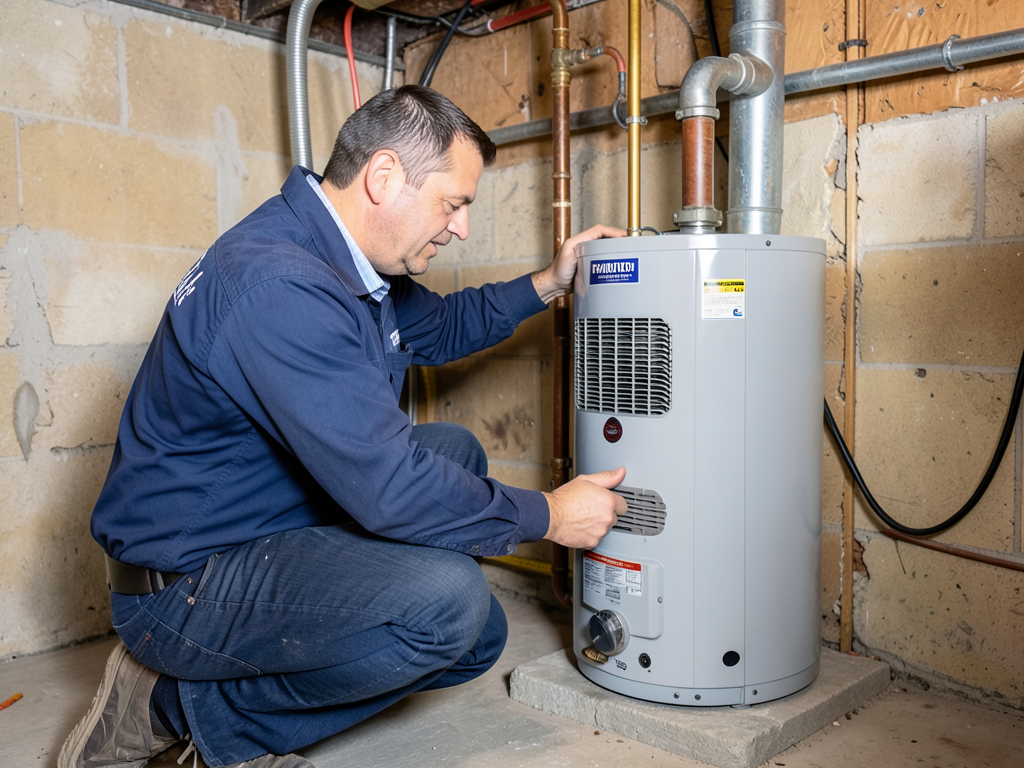
We inspect your water heater tank for sediment accumulation and anode rod failure. The anode rod attracts corrosive elements to protect the tank. When it disintegrates, rust forms inside the tank and mixes with your hot water. We check for iron bacteria, which appear as a reddish-brown slime and thrive in warm, stagnant water.

Next, we evaluate your piping. Galvanized steel pipes corrode from the inside, and you cannot see the damage until it is severe. We check joints, elbows, and horizontal runs where sediment collects. If your home was built before 1980 and you still have original plumbing, you likely have advanced internal corrosion.

We also test water pressure and flow rate. Sudden pressure changes can dislodge rust scale from pipe walls. If the Pittsburgh Water and Sewer Authority has recently worked on your street, that may be the trigger, but the underlying corrosion was already there.

Once we identify the source, we explain your options. Flushing a water heater removes sediment but does not stop corrosion. Replacing an anode rod extends tank life but does not fix rusted pipes. Repiping eliminates the root cause. We give you the facts so you can make the right decision.

What Happens When You Call About Discolored Water

Discolored or Rusty Water in Pittsburgh – Expert Diagnosis and Permanent Fixes for Your Home's Water Quality
01

Initial Water Testing

We start by testing water samples from multiple taps to determine whether discoloration originates from your water heater, hot water lines, or main supply. This tells us if we are dealing with localized corrosion, sediment, or a supply line issue. We check for iron bacteria, rust particles, and mineral content. This baseline data drives every decision we make next.
02

System Inspection and Diagnosis

We inspect your water heater tank, anode rod, and dip tube. We examine visible piping for corrosion patterns, joint failure, and sediment traps. We check your pressure regulator and expansion tank. If you have galvanized steel pipes, we assess the extent of internal rust buildup. We document everything so you understand what is failing and why.
03

Solution and Restoration

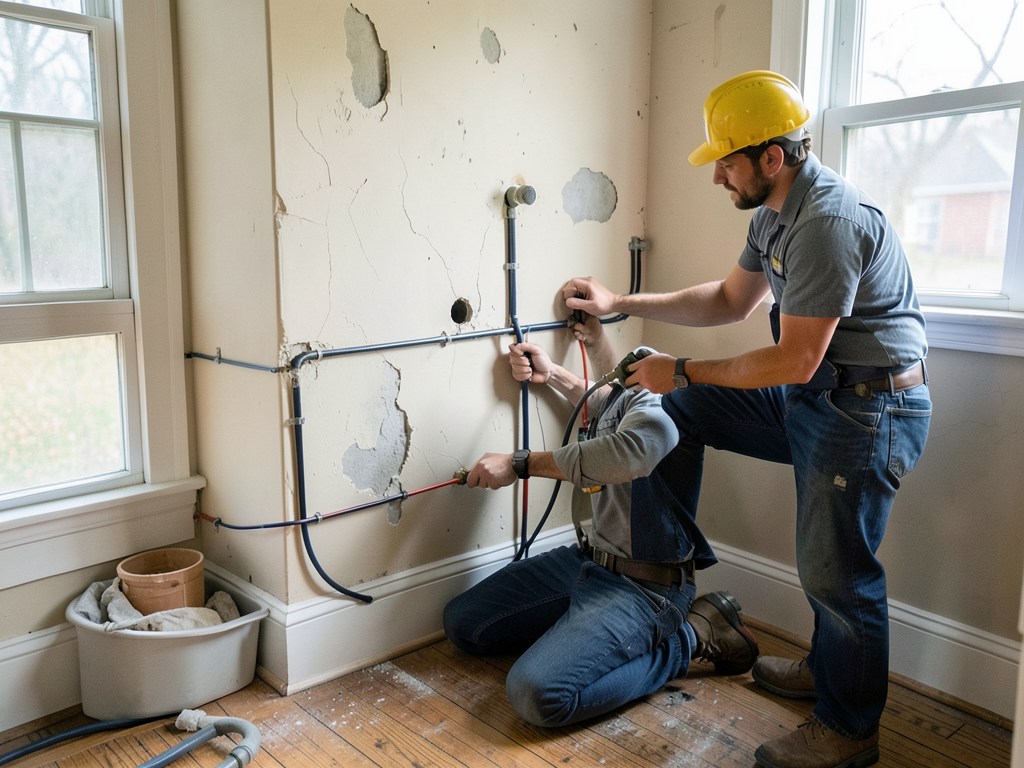
We execute the repair or replacement based on what we found. This may involve flushing and treating your water heater, replacing corroded piping sections, or installing a whole-home repipe. We test water quality after completion to confirm the discoloration is gone. You get clear water again, and you know the problem will not return next week.

Why Pittsburgh Homeowners Choose Us for Water Quality Problems

Ace Plumbing Pittsburgh has worked in neighborhoods from Mount Washington to Lawrenceville for years. We know the plumbing challenges unique to this region. We know which streets still have lead service lines. We know which areas experience frequent pressure fluctuations. We know how the mineral content in our river-sourced water accelerates corrosion.

You do not want a plumber who treats discolored water as a minor nuisance. You want someone who understands the chemistry of rust formation, the mechanics of galvanic corrosion, and the life expectancy of different pipe materials in Pittsburgh's specific water conditions.

We carry diagnostic equipment that most residential plumbers do not use. We test pH levels, dissolved iron content, and bacterial contamination. We use borescope cameras to inspect the inside of pipes without tearing apart walls. We measure flow rates and pressure drops to identify hidden blockages.

We also understand Pittsburgh's building codes and permitting requirements. If your repair requires repiping or water heater replacement, we handle the paperwork and inspections. You do not have to chase down permits or worry about code violations.

Our goal is to give you a permanent solution. Flushing your water heater might clear the discoloration temporarily, but if your anode rod is gone and your tank is rusting, the problem will return in weeks. We tell you the truth about what is failing and how long your fix will last.

We have seen the same problems hundreds of times. Galvanized pipes that look fine on the outside but are clogged with rust inside. Water heaters that are fifteen years old and running on borrowed time. Pressure regulators that failed and caused a surge that shook loose decades of sediment. We know what to look for because we have been doing this work in Pittsburgh homes for years.

What You Can Expect When We Address Your Water Discoloration

Fast Response and Availability

We understand that discolored water is not just inconvenient. It raises questions about safety, especially if you have children or elderly family members in the home. We prioritize water quality calls and typically arrive within hours, not days. We keep diagnostic equipment and common repair parts on our trucks so we can move quickly from diagnosis to solution. If your water heater needs replacement or your pipes need repiping, we schedule the work at your convenience and complete it efficiently. You will not be without clean water for long.

Thorough Diagnosis Before Any Work Begins

We do not guess. We test, inspect, and document before we recommend any repair. You get a clear explanation of what is causing the discoloration, what your options are, and what each option will cost. If your water heater is salvageable, we tell you. If your pipes are corroded beyond repair, we show you why. We take photos and walk you through the evidence so you can make an informed decision. No pressure, no upselling, just facts.

Clean Water That Stays Clean

When we finish the job, your water runs clear. We test flow and quality at multiple fixtures to confirm the problem is resolved. If we replaced your water heater, we verify proper anode rod installation and temperature settings. If we repiped sections of your home, we pressure-test the system and check for leaks. You get a detailed summary of what we did and why. The work is complete, and the discoloration is gone for good.

Ongoing Support and Maintenance Guidance

After we solve your water discoloration problem, we give you a maintenance plan to prevent it from happening again. This may include annual water heater flushing, anode rod replacement schedules, or pressure regulator checks. If you have older plumbing, we explain what to watch for and when to consider upgrades. We are available if you have questions or notice any changes in your water quality. Our goal is to keep your water clear and your plumbing system functioning properly for years.

Frequently Asked Questions

You Have Questions,
We Have Answers

How Pittsburgh's Aging Infrastructure and River Water Affect Your Home's Plumbing

Pittsburgh's water supply comes from the Allegheny River, which carries high levels of dissolved minerals. When combined with the city's aging galvanized pipe infrastructure, this creates ideal conditions for rust and sediment buildup. Homes in older neighborhoods like Highland Park, Point Breeze, and Bloomfield are especially vulnerable. The freeze-thaw cycles we experience each winter stress joints and fittings, allowing groundwater intrusion that introduces additional iron and manganese. If you live in a pre-1970s home and still have original plumbing, you are at high risk for discolored water issues.

Pittsburgh's plumbing code has evolved significantly over the decades, and not all repairs meet current standards. When you hire a local plumber who knows the history of this city's water system, you get someone who understands which materials fail first and how to navigate inspection requirements. Ace Plumbing Pittsburgh works regularly with the Pittsburgh Water and Sewer Authority and stays current on code updates. We know how to pull permits quickly and complete work that passes inspection the first time. Local knowledge matters when your home's water quality is at stake.
Plumbing Services in The Pittsburgh Area

We are proud to be the trusted plumbing partner for the entire Pittsburgh area and its surrounding communities. Our dedicated team is committed to providing prompt and efficient service wherever you are. To get a better sense of our service area and to get in touch with us for all your plumbing needs, please take a look at our location on the map below. We’re always here to help.

Address:
Ace Plumbing Pittsburgh, 1450 Fifth Ave, Pittsburgh, PA, 15219

Additional Services We Offer

Our news updates

Latest Articles & News from The Blogs

Why You Need a Plumbing Camera Inspection Before Buying That Mount Oliver Fixer Upper \n\n Buying a fixer upper in…

Why You Need a Plumbing Camera Inspection Before Buying That Mount Oliver Fixer Upper

Why You Need a Plumbing Camera Inspection Before Buying That Mount Oliver Fixer Upper \n\n Buying a fixer upper in…

Replacing Every Old Pipe in Your Swissvale Home Without the Stress

Replacing Every Old Pipe in Your Swissvale Home Without the Stress Swissvale homes built before 1970 often hide a ticking…

Reliable Ejector Pump Repair and Install for Robinson Township Basement Bathrooms

Expert Ejector Pump Repair in Robinson Township PA Basement bathrooms in Robinson Township homes often sit below the main sewer…

Contact Us

Discolored water will not fix itself. Every day you wait, corrosion spreads and sediment builds. Call Ace Plumbing Pittsburgh at (412) 382-8366 for a thorough diagnosis and a permanent solution. We answer fast, diagnose accurately, and restore your water quality the right way.