
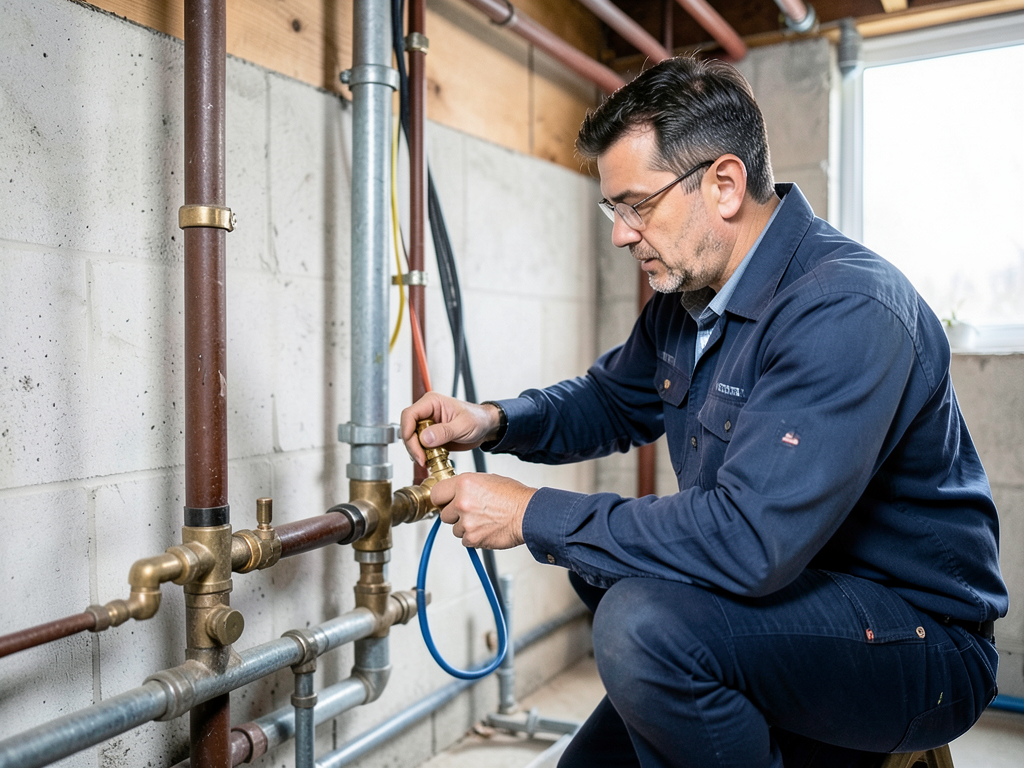
Why Your Older Greenfield Home Might Benefit from a Pressure Reducing Valve
Living in an older Greenfield home brings character and charm but also hidden plumbing challenges. One of the most overlooked issues affecting Pittsburgh’s hillside neighborhoods is excessive water pressure. If your home was built before the 1980s you might be experiencing water pressure that silently damages your plumbing system and appliances. A pressure reducing valve could be the simple solution that saves you thousands in repairs. Emergency 24 Hour Plumbing Services in the Bloomfield Area.
Greenfield sits at a higher elevation compared to downtown Pittsburgh which means water from the Pittsburgh Water and Sewer Authority must travel uphill through aging infrastructure. This creates pressure zones that often exceed the safe residential standard of 80 PSI. When water pressure climbs above 80 PSI it puts stress on every component in your plumbing system from the main shut-off valve to your washing machine hoses. Pittsburgh Backflow Testing and Certification for Local Business Owners.
What Is a Pressure Reducing Valve and Why Does Your Pittsburgh Home Need One?
A pressure reducing valve is a brass plumbing fitting installed on your main water line that automatically reduces incoming water pressure to a safe level typically between 40-60 PSI. Think of it as a pressure regulator for your entire home’s plumbing system. The valve uses a spring-loaded diaphragm to maintain consistent pressure regardless of fluctuations in the municipal supply. No Hot Water Diagnosis.
In Pittsburgh’s hilly terrain water pressure varies dramatically by neighborhood and even by street. Homes in Greenfield Squirrel Hill and Mount Washington often experience pressures between 90-120 PSI due to their elevation relative to water towers and pumping stations. This excessive pressure is the invisible enemy that causes premature appliance failure pipe leaks and that annoying banging sound in your walls known as water hammer.
The Pennsylvania Uniform Construction Code requires that residential water pressure not exceed 80 PSI at any fixture. Homes built before these codes were strictly enforced may never have had a PRV installed or the original valve may have failed after 7-12 years of service life. Pennsylvania Uniform Construction Code.
5 Signs Your Home’s Water Pressure Is Too High
Before installing a pressure reducing valve it’s important to diagnose whether your home actually has high water pressure. Here are the telltale signs that your Greenfield home might be operating under excessive pressure:
- Banging pipes or water hammer – When you shut off a faucet quickly do you hear loud banging sounds? This occurs when high-pressure water suddenly stops creating shock waves that can damage pipe joints and valves.
- Leaking faucets and fixtures – If your faucets drip even when fully closed or if you notice small leaks around pipe connections high pressure could be forcing water through microscopic gaps.
- Running toilets – Toilets that run intermittently or have trouble filling properly often indicate pressure issues affecting the fill valve’s ability to seal properly.
- Vibrating pipes – Feel your cold water pipes when water is running. If they vibrate noticeably that’s a sign of pressure-related turbulence in your system.
- Premature appliance failure – Dishwashers washing machines and water heaters that fail before their expected lifespan often suffer from the constant stress of high water pressure.
To test your home’s water pressure you can purchase an inexpensive pressure gauge that screws onto an outdoor hose bib. If your reading exceeds 80 PSI you’re in the danger zone for plumbing damage.
The Benefits of Installing a PRV in Your Greenfield Home
Installing a pressure reducing valve offers multiple benefits that extend far beyond just fixing high pressure. Here’s what Pittsburgh homeowners can expect after professional PRV installation:
Appliance Protection – Your dishwasher washing machine water heater and ice maker all have components rated for specific pressure ranges. High pressure forces these appliances to work harder leading to premature failure of valves seals and heating elements. A properly installed PRV can extend appliance life by 3-5 years.
Water Conservation – High pressure means more water flows through your fixtures than necessary. Studies show that homes with properly regulated pressure use 5-10% less water annually. In Pittsburgh where water rates continue to rise this translates to real savings on your utility bill.
Plumbing System Longevity – Every joint valve and connection in your plumbing system experiences stress from high pressure. Over time this stress causes microscopic cracks that grow into leaks. A PRV reduces this stress potentially adding 10-15 years to your plumbing system’s useful life.
Noise Reduction – Water hammer and vibrating pipes aren’t just annoying; they’re destructive. Reducing pressure eliminates these noises and prevents the pipe movement that can loosen connections over time.
Insurance Benefits – Some insurance companies offer premium discounts for homes with pressure reducing valves as they reduce the risk of catastrophic water damage from burst pipes or failed appliances.
Pittsburgh Water Pressure Regulations and Plumbing Code Requirements
The Pennsylvania Uniform Construction Code and Pittsburgh Plumbing Code both address water pressure in residential settings. According to the International Plumbing Code adopted by Pennsylvania residential water pressure must not exceed 80 PSI at any fixture or appliance. International Plumbing Code Section 604.8.
Section 604.8 of the IPC specifically requires pressure reducing valves when static pressure exceeds 80 PSI. The code also mandates that PRVs include a strainer to prevent debris from damaging the valve mechanism and that they be accessible for maintenance and replacement.
In Pittsburgh’s older neighborhoods like Greenfield many homes were built before these codes were strictly enforced. The city’s combined sewer system and aging water mains create pressure variations that weren’t anticipated when these homes were constructed in the early 20th century.
Additionally the Pennsylvania Department of Environmental Protection recommends that all homes with water pressure exceeding 80 PSI install both a pressure reducing valve and a thermal expansion tank. The expansion tank accommodates the increased volume of water when it’s heated preventing dangerous pressure buildup in your water heater. Pennsylvania Department of Environmental Protection.
Our PRV Installation and Replacement Process
Professional PRV installation requires specific expertise and tools to ensure proper function and code compliance. Here’s what you can expect when you call Ace Plumbing Pittsburgh for pressure reducing valve service:
- Initial Pressure Testing
Our technician arrives with a calibrated pressure gauge and tests your home’s water pressure at multiple points. We document readings at the main line hose bibs and fixtures to establish your current pressure profile.
- Valve Selection
Based on your home’s size water usage patterns and current pressure we select the appropriate PRV. For most Greenfield homes we recommend Watts or Zurn Wilkins bronze valves with stainless steel springs for durability in Pittsburgh’s water chemistry.
- Installation Location
The PRV must be installed on the main water line after the main shut-off valve and before any branches to fixtures. We typically install it in the basement near the water meter for easy access and maintenance.
- Thermal Expansion Tank Verification
Since your water heater will experience reduced back-pressure after PRV installation we verify that your thermal expansion tank is properly sized and functioning. If needed we recommend and install an appropriately sized expansion tank.
- Pressure Adjustment and Testing
After installation we adjust the PRV to deliver optimal pressure typically 50-60 PSI and verify performance at multiple fixtures throughout your home.
- Final Inspection and Documentation
We provide documentation of your new pressure settings installation location and any recommendations for future maintenance. We also check for any existing leaks that may have been caused by high pressure.
The entire installation typically takes 2-4 hours depending on your home’s plumbing configuration and whether thermal expansion tank work is needed.
How Much Does PRV Installation Cost in Pittsburgh?
The cost of pressure reducing valve installation varies based on several factors specific to Pittsburgh homes. Here’s what affects pricing:
| Factor | Cost Impact | Typical Range |
|---|---|---|
| Valve Type and Quality | Higher quality bronze valves cost more but last longer | ranging from low to high |
| Installation Complexity | Easy access vs. difficult locations or corroded pipes | ranging from low to high |
| Thermal Expansion Tank | Required if not already installed | ranging from low to high |
| Emergency Service | After-hours or weekend calls | +25% to +50% |
| Warranty Coverage | Extended warranties available | $50 – $150 |
For most Greenfield homes total installation costs range from $450 to $900 with the average installation around $650. This includes the valve basic installation and pressure testing. Homes requiring thermal expansion tank installation or those with difficult access may see costs at the higher end of this range.
Consider this investment against the cost of replacing a water heater ($1200 – $2500) dishwasher ($500 – $1500) or repairing water damage from a burst pipe ($2000 – $10000+). The PRV typically pays for itself within 3-5 years through appliance longevity and water savings.
Frequently Asked Questions
How long does a pressure reducing valve last?
Most quality PRVs last 7-12 years in Pittsburgh’s water conditions. Homes with particularly hard water or those experiencing frequent pressure fluctuations may need replacement every 5-7 years. We recommend annual pressure testing to monitor valve performance.. Read more about Stop your pipes from whistling every time you turn on the water in Mount Royal.
Can I install a pressure reducing valve myself?
While DIY installation is possible we strongly recommend professional installation. PRVs require specific sizing proper placement and integration with your home’s thermal expansion system. Improper installation can lead to pressure issues code violations or even dangerous water heater pressure buildup.
Will a pressure reducing valve affect my water pressure at fixtures?
Yes but in a good way. After installation you’ll notice more consistent pressure throughout your home. While the maximum pressure will be lower the actual experience is often better because you eliminate pressure fluctuations and water hammer. Most homeowners report improved shower performance and more reliable appliance operation.
Do I need a permit for PRV installation in Pittsburgh?
For most residential PRV installations a permit is not required. However if the installation involves modifying the main water line or if you’re also installing a thermal expansion tank a plumbing permit may be required. Our technicians can advise you based on your specific situation.
What’s the difference between a PRV and a water pressure regulator?
These terms refer to the same device. “Pressure reducing valve” is the technical term used in plumbing codes while “water pressure regulator” is a more common consumer term. Both accomplish the same function of reducing incoming water pressure to a safe level.
Don’t let high water pressure damage your Greenfield home’s plumbing system and appliances. Call (412) 382-8366 today to schedule your pressure test and consultation. Our experienced technicians will evaluate your home’s specific needs and recommend the right solution to protect your investment.
Pick up the phone and call (412) 382-8366 before the next pressure-related plumbing emergency strikes. Your appliances and your wallet will thank you.
You may also find this helpful. Why your Pleasant Hills garden hose has zero pressure even when the faucet is wide open.
{
“@context”: “https://schema.org”,
“@type”: “BlogPosting”,
“headline”: “Why your older Greenfield home might benefit from a pressure reducing valve”,
“description”: “Is your Greenfield home’s water pressure too high? Learn how a pressure reducing valve protects your plumbing and appliances from costly damage.”,
“wordCount”: 1785,
“datePublished”: “2026-05-02T06:39:00.000Z”,
“dateModified”: “2026-05-02T06:39:00.000Z”,
“inLanguage”: “en-US”,
“mainEntityOfPage”: {
“@type”: “WebPage”,
“@id”: “https://aceplumbingpittsburgh.com”
},
“publisher”: {
“@type”: “LocalBusiness”,
“name”: “Ace Plumbing Pittsburgh”,
“url”: “https://aceplumbingpittsburgh.com”
},
“author”: {
“@type”: “Organization”,
“name”: “Ace Plumbing Pittsburgh”,
“url”: “https://aceplumbingpittsburgh.com”
},
“image”: {
“@type”: “ImageObject”,
“url”: “https://aceplumbingpittsburgh.com/wp-content/uploads/2026/03/why-your-older-greenfield-home-might-benefit-from-1.png”
}
}
{
“@context”: “https://schema.org”,
“@type”: “Plumber”,
“name”: “Ace Plumbing Pittsburgh”,
“url”: “https://aceplumbingpittsburgh.com”,
“address”: {
“@type”: “PostalAddress”,
“addressLocality”: “Pittsburgh”
},
“areaServed”: {
“@type”: “City”,
“name”: “Pittsburgh”
}
}
{
“@context”: “https://schema.org”,
“@type”: “FAQPage”,
“mainEntity”: [
{
“@type”: “Question”,
“name”: “What Is a Pressure Reducing Valve and Why Does Your Pittsburgh Home Need One?”,
“acceptedAnswer”: {
“@type”: “Answer”,
“text”: “A pressure reducing valve is a brass plumbing fitting installed on your main water line that automatically reduces incoming water pressure to a safe level typically between 40-60 PSI. Think of it as a pressure regulator for your entire home’s plumbing system. The valve uses a spring-loaded diaphragm to maintain consistent pressure regardless of fluctuations in the municipal supply. No Hot Water Diagnosis.”
}
},
{
“@type”: “Question”,
“name”: “How Much Does PRV Installation Cost in Pittsburgh?”,
“acceptedAnswer”: {
“@type”: “Answer”,
“text”: “The cost of pressure reducing valve installation varies based on several factors specific to Pittsburgh homes. Here’s what affects pricing:”
}
},
{
“@type”: “Question”,
“name”: “How long does a pressure reducing valve last?”,
“acceptedAnswer”: {
“@type”: “Answer”,
“text”: “Most quality PRVs last 7-12 years in Pittsburgh’s water conditions. Homes with particularly hard water or those experiencing frequent pressure fluctuations may need replacement every 5-7 years. We recommend annual pressure testing to monitor valve performance.”
}
},
{
“@type”: “Question”,
“name”: “Can I install a pressure reducing valve myself?”,
“acceptedAnswer”: {
“@type”: “Answer”,
“text”: “While DIY installation is possible we strongly recommend professional installation. PRVs require specific sizing proper placement and integration with your home’s thermal expansion system. Improper installation can lead to pressure issues code violations or even dangerous water heater pressure buildup.”
}
},
{
“@type”: “Question”,
“name”: “Will a pressure reducing valve affect my water pressure at fixtures?”,
“acceptedAnswer”: {
“@type”: “Answer”,
“text”: “Yes but in a good way. After installation you’ll notice more consistent pressure throughout your home. While the maximum pressure will be lower the actual experience is often better because you eliminate pressure fluctuations and water hammer. Most homeowners report improved shower performance and more reliable appliance operation.”
}
},
{
“@type”: “Question”,
“name”: “Do I need a permit for PRV installation in Pittsburgh?”,
“acceptedAnswer”: {
“@type”: “Answer”,
“text”: “For most residential PRV installations a permit is not required. However if the installation involves modifying the main water line or if you’re also installing a thermal expansion tank a plumbing permit may be required. Our technicians can advise you based on your specific situation.”
}
},
{
“@type”: “Question”,
“name”: “What’s the difference between a PRV and a water pressure regulator?”,
“acceptedAnswer”: {
“@type”: “Answer”,
“text”: “These terms refer to the same device. \”Pressure reducing valve\” is the technical term used in plumbing codes while \”water pressure regulator\” is a more common consumer term. Both accomplish the same function of reducing incoming water pressure to a safe level.”
}
}
]
}
{
“@context”: “https://schema.org”,
“@type”: “HowTo”,
“name”: “Pressure Reducing Valve Installation Process”,
“step”: [
{
“@type”: “HowToStep”,
“position”: 1,
“name”: “Initial Pressure Testing”,
“text”: “Our technician arrives with a calibrated pressure gauge and tests your home’s water pressure at multiple points. We document readings at the main line hose bibs and fixtures to establish your current pressure profile.”
},
{
“@type”: “HowToStep”,
“position”: 2,
“name”: “Valve Selection”,
“text”: “Based on your home’s size water usage patterns and current pressure we select the appropriate PRV. For most Greenfield homes we recommend Watts or Zurn Wilkins bronze valves with stainless steel springs for durability in Pittsburgh’s water chemistry.”
},
{
“@type”: “HowToStep”,
“position”: 3,
“name”: “Installation Location”,
“text”: “The PRV must be installed on the main water line after the main shut-off valve and before any branches to fixtures. We typically install it in the basement near the water meter for easy access and maintenance.”
},
{
“@type”: “HowToStep”,
“position”: 4,
“name”: “Thermal Expansion Tank Verification”,
“text”: “Since your water heater will experience reduced back-pressure after PRV installation we verify that your thermal expansion tank is properly sized and functioning. If needed we recommend and install an appropriately sized expansion tank.”
},
{
“@type”: “HowToStep”,
“position”: 5,
“name”: “Pressure Adjustment and Testing”,
“text”: “After installation we adjust the PRV to deliver optimal pressure typically 50-60 PSI and verify performance at multiple fixtures throughout your home.”
},
{
“@type”: “HowToStep”,
“position”: 6,
“name”: “Final Inspection and Documentation”,
“text”: “We provide documentation of your new pressure settings installation location and any recommendations for future maintenance. We also check for any existing leaks that may have been caused by high pressure.”
}
],
“image”: “https://aceplumbingpittsburgh.com/wp-content/uploads/2026/03/why-your-older-greenfield-home-might-benefit-from-1.png”
}
{
“@context”: “https://schema.org”,
“@type”: “BreadcrumbList”,
“itemListElement”: [
{
“@type”: “ListItem”,
“position”: 1,
“name”: “Home”,
“item”: “https://aceplumbingpittsburgh.com”
},
{
“@type”: “ListItem”,
“position”: 2,
“name”: “Blog”,
“item”: “https://aceplumbingpittsburgh.com/blog”
},
{
“@type”: “ListItem”,
“position”: 3,
“name”: “Why your older Greenfield home might benefit from a pressure reducing valve”
}
]
}
{
“@context”: “https://schema.org”,
“@type”: “Service”,
“serviceType”: “Plumbing”,
“provider”: {
“@type”: “LocalBusiness”,
“name”: “Ace Plumbing Pittsburgh”,
“url”: “https://aceplumbingpittsburgh.com”
},
“areaServed”: {
“@type”: “City”,
“name”: “Pittsburgh”
},
“description”: “Is your Greenfield home’s water pressure too high? Learn how a pressure reducing valve protects your plumbing and appliances from costly damage.”
}