Planning an ADA Compliant Bathroom Remodel for Your Aging-in-Place Home in Oakland
Creating an accessible bathroom requires understanding both ADA requirements and Pittsburgh’s specific building challenges. The first step involves assessing your current space for turning radius clearance and fixture placement. Most Oakland homes built before 1970 have narrow doorways that require widening to meet ADA standards. ADA Standards for Accessible Design.
Local building codes in Allegheny County mandate specific grab bar reinforcement methods for lath and plaster walls common in Oakland’s historic district. The process begins with measuring existing plumbing rough-ins since ADA-compliant fixtures often require repositioning drains and supply lines. This affects both the timeline and the overall budget for your remodel. The Best Local Plumbers in Mt. Lebanon for Fast Water Heater Repair.
Western Pennsylvania’s freeze-thaw cycles also impact material selection. Porcelain tile with a coefficient of friction above 0.6 becomes essential for preventing slips during wet winters. Many Oakland homeowners discover their original cast iron drains need replacement when installing roll-in showers. Pennsylvania Uniform Construction Code.
Understanding ADA Bathroom Requirements
ADA compliance centers on specific dimensional requirements that ensure wheelchair accessibility. The turning radius needs a clear 60-inch circle for maneuverability. This often means reconfiguring the entire bathroom layout in Oakland’s compact older homes.
Fixture heights and clearances follow strict guidelines. Sinks must have a maximum rim height of 34 inches with 27 inches of knee clearance underneath. Toilets require specific mounting heights between 17 and 19 inches from the floor. These measurements affect plumbing rough-in locations. Emergency 24 Hour Plumbing Services in the Bloomfield Area.
Floor surfaces need slip-resistant properties with proper drainage slopes. The ADA specifies a minimum 1/4 inch per foot slope toward drains. In Oakland’s hilly terrain, this often requires additional floor leveling before tile installation can begin.
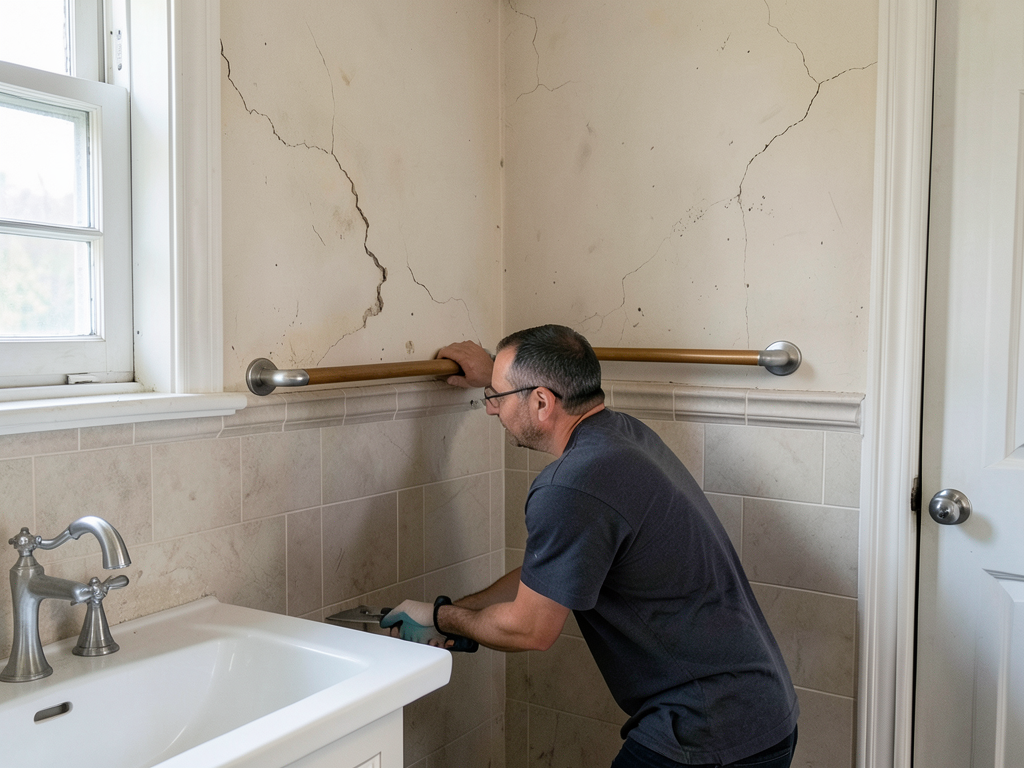
Grab bars need specific mounting heights and reinforcement. The standard height ranges from 33 to 36 inches above the floor. Behind lath and plaster walls common in Oakland, this requires installing blocking between studs before drywall application.
Essential Accessibility Features for Your Remodel
Roll-in showers eliminate the barrier of a traditional curb. These require linear drains positioned along one wall and careful waterproofing to prevent water migration. The floor slope must direct water toward the drain without creating trip hazards.
Walk-in tubs provide bathing options for those who prefer sitting while bathing. These units need dedicated 20-amp circuits and specific drain configurations. The filling time often requires upgrading your water heater capacity, especially in Oakland’s older homes with standard 40-gallon units.
Comfort height toilets reduce strain during transfers from wheelchairs. The plumbing rough-in must account for the taller bowl height and ensure proper flange alignment. Many Oakland homes need flange extensions when switching from standard to comfort height models.
Handheld showerheads with slide bars offer flexibility for seated bathing. The hose length should reach at least 60 inches. Thermostatic mixing valves prevent scalding by maintaining consistent water temperature despite pressure fluctuations common in Pittsburgh’s aging water infrastructure. Pittsburgh Backflow Testing and Certification for Local Business Owners.
Navigating Pittsburgh Plumbing Codes and Permits
Allegheny County Health Department requires plumbing permits for all bathroom remodels involving fixture relocation. The permit process includes submitting detailed plumbing plans showing drain, waste, and vent configurations. Oakland’s historic district may require additional approvals from the Pittsburgh History and Landmarks Foundation.
Pennsylvania Uniform Construction Code mandates specific pipe sizing for accessible bathrooms. The code requires 2-inch drains for roll-in showers instead of the standard 1.5-inch size. This affects the entire drainage system and may require upsizing vent stacks.
Local inspections focus on proper trap seals and vent placement. The inspector checks for air admittance valves in accessible bathrooms since traditional venting may not be possible in remodeled spaces. Oakland’s older homes often lack adequate venting for modern fixture layouts.
Water hammer arrestors become essential when installing pressure-balanced valves. The rapid valve closure in handheld showers can cause pipe banging in older galvanized systems. Installing arrestors protects both the plumbing and the user from sudden pressure changes.
Choosing Materials for Pittsburgh’s Climate
Humidity control matters in Western Pennsylvania’s damp climate. Mold-resistant drywall and cement board provide moisture barriers behind tile surfaces. The cement board should extend at least 12 inches above the showerhead for proper waterproofing.
Floor materials need both slip resistance and durability. Porcelain tile offers the best combination for Oakland’s variable weather conditions. The PEI rating should be at least 4 for residential bathroom floors.
Ceiling fans with humidity sensors prevent moisture buildup. The fan should exchange the bathroom air eight times per hour. In Oakland’s older homes, this may require running new ductwork to the exterior.
Paint selection affects both appearance and maintenance. Semi-gloss or satin finishes resist moisture and clean easily. Light colors help visually impaired users navigate the space while dark contrast strips aid depth perception.
Cost Considerations for Oakland Homeowners
ADA bathroom remodels in Oakland typically range from $15,000 to $35,000 depending on the scope. Basic accessibility updates cost less than complete layout changes requiring structural modifications. The age of your home significantly impacts the final price.
Plumbing relocation represents the largest variable cost. Moving a toilet or shower drain can add $2,000 to $5,000 to the project. Oakland’s older homes often have cast iron drains that require complete replacement rather than modification.
Permit fees in Allegheny County average $250 to $500 for bathroom remodels. Historic district properties may incur additional review fees. The total permit timeline typically runs 2-4 weeks before construction can begin.
Material costs vary by quality and brand. Premium grab bars with concealed mounting hardware cost more than standard models. The long-term durability of commercial-grade fixtures often justifies the higher initial investment.
Common Challenges in Oakland Bathroom Remodels
Older homes present unique obstacles for ADA modifications. Balloon framing common in Oakland’s pre-1940 construction makes wall reinforcement difficult. Finding solid backing for grab bars may require creative solutions like backing panels.
Limited space challenges turning radius requirements. Many Oakland bathrooms measure under 30 square feet, requiring strategic fixture selection. Corner sinks and wall-mounted toilets maximize usable floor space.
Uneven floors in historic homes complicate proper drainage slopes. Self-leveling compounds may be necessary before tile installation. The additional thickness affects door clearances and may require door bottom modifications.
Existing plumbing materials affect renovation options. Galvanized steel pipes common in Oakland’s housing stock corrode internally, reducing water pressure. Replacing supply lines during the remodel ensures adequate flow to new fixtures.
Working with Professionals
Choosing a plumber familiar with ADA requirements prevents costly mistakes. The professional should understand both technical specifications and user needs. Experience with Pittsburgh’s older housing stock proves valuable for anticipating challenges.
Occupational therapists provide valuable input on fixture placement. Their expertise ensures the final design meets actual user needs rather than just code requirements. Many local agencies offer free consultations for aging-in-place modifications.
General contractors coordinate the various trades involved. The plumber, electrician, and carpenter must work together to meet ADA timelines. Clear communication prevents conflicts between different installation requirements.
Project management keeps the remodel on schedule. Bathroom accessibility projects typically take 3-6 weeks from demolition to completion. Weather delays rarely affect indoor work but may impact material deliveries.
Financing Your ADA Bathroom Remodel
Several programs assist Pittsburgh homeowners with accessibility modifications. Pennsylvania’s Home Modification Loan Program offers low-interest loans for qualifying improvements. The application process requires documentation of medical need.
Medicare may cover certain accessibility features if prescribed by a doctor. Grab bars and walk-in tubs sometimes qualify under durable medical equipment benefits. The coverage typically requires prior authorization.
Local Area Agency on Aging offices provide resources for aging-in-place modifications. They maintain lists of approved contractors and can help navigate permit requirements. Their staff understands both financial assistance programs and technical requirements.
Home equity loans offer another financing option. The interest may be tax-deductible if the improvements add value to your home. Many Oakland homeowners find this approach more manageable than credit card financing.
Maintenance Considerations
Accessible bathrooms require specific maintenance routines. Grab bars need periodic tightening as building settlement causes loosening. The mounting hardware should be checked annually for security.
Waterproofing systems require ongoing attention. Grout lines need sealing every 1-2 years to prevent water infiltration. Silicone caulk around fixtures should be replaced when it shows signs of deterioration.
Anti-scald valves need occasional adjustment as water pressure changes. The internal components can wear over time, affecting temperature control. Annual testing ensures continued safe operation.
Slip-resistant surfaces maintain their effectiveness through proper cleaning. Avoid wax-based cleaners that leave residue reducing traction. Mild detergent and water work best for most accessible bathroom surfaces. Grease Trap Cleaning & Pumping.
Frequently Asked Questions
How long does an ADA bathroom remodel take?
Most ADA bathroom remodels in Oakland take 3-6 weeks from start to finish. The timeline depends on permit approval, material availability, and the complexity of plumbing modifications. Simple fixture replacements may complete in 2-3 weeks.
Do I need a permit for an ADA bathroom remodel?
Yes, Allegheny County requires permits for all bathroom remodels involving fixture relocation or structural changes. The permit ensures compliance with both ADA standards and local building codes. Permit fees typically range from $250 to $500.
Can I keep my existing bathtub during an ADA remodel?
Most ADA remodels replace standard tubs with walk-in models or roll-in showers. The high sides of traditional tubs create barriers for wheelchair users. However, some walk-in tub designs allow you to keep the existing tub footprint.
What’s the difference between ADA and universal design?
ADA compliance meets specific legal requirements for accessibility, while universal design creates spaces usable by people of all abilities. Universal design often incorporates ADA elements but focuses on broader usability and aesthetics rather than minimum compliance.
How much does an ADA bathroom remodel cost in Pittsburgh?
ADA bathroom remodels in Pittsburgh typically cost $15,000 to $35,000. Basic accessibility updates start around $12,000, while complete layout changes with plumbing relocation can exceed $40,000. The age and condition of your home significantly impact the final cost.
Ready to Start Your ADA Bathroom Remodel?
Creating an accessible bathroom requires careful planning and experienced professionals who understand both ADA requirements and Pittsburgh’s unique building challenges. The right approach ensures your remodel meets current needs while adding value to your Oakland home.
Don’t wait until accessibility becomes an emergency. Early planning allows for proper permit processing and material selection. Our team specializes in aging-in-place modifications throughout the Oakland area.
Call (412) 382-8366 today to schedule your consultation. We’ll assess your current bathroom, discuss your specific needs, and provide a detailed plan for creating a safe, accessible space that meets both ADA standards and your personal preferences.
Every day you wait is another day dealing with bathroom barriers. Pick up the phone and call (412) 382-8366 before the next storm hits or the next mobility challenge arises. Your safety and independence deserve professional attention now. Dealing With Old Pipe Problems in Historic Shadyside Homes.
{
“@context”: “https://schema.org”,
“@type”: “BlogPosting”,
“headline”: “Planning an ADA Compliant Bathroom Remodel for Your Aging-in-Place Home in Oakland”,
“description”: “Planning an ADA bathroom remodel in Oakland Pittsburgh? Learn local codes, plumbing requirements, and accessibility features for aging-in-place renovations.”,
“wordCount”: 1816,
“datePublished”: “2026-06-03T10:24:00.000Z”,
“dateModified”: “2026-06-03T10:24:00.000Z”,
“inLanguage”: “en-US”,
“mainEntityOfPage”: {
“@type”: “WebPage”,
“@id”: “https://aceplumbingpittsburgh.com”
},
“publisher”: {
“@type”: “LocalBusiness”,
“name”: “Ace Plumbing Pittsburgh”,
“url”: “https://aceplumbingpittsburgh.com”
},
“author”: {
“@type”: “Organization”,
“name”: “Ace Plumbing Pittsburgh”,
“url”: “https://aceplumbingpittsburgh.com”
},
“image”: {
“@type”: “ImageObject”,
“url”: “https://aceplumbingpittsburgh.com/wp-content/uploads/2026/03/planning-an-ada-compliant-bathroom-remodel-for-you-1.png”
}
}
{
“@context”: “https://schema.org”,
“@type”: “Plumber”,
“name”: “Ace Plumbing Pittsburgh”,
“url”: “https://aceplumbingpittsburgh.com”,
“address”: {
“@type”: “PostalAddress”,
“addressLocality”: “Pittsburgh”
},
“areaServed”: {
“@type”: “City”,
“name”: “Pittsburgh”
}
}
{
“@context”: “https://schema.org”,
“@type”: “FAQPage”,
“mainEntity”: [
{
“@type”: “Question”,
“name”: “How long does an ADA bathroom remodel take?”,
“acceptedAnswer”: {
“@type”: “Answer”,
“text”: “Most ADA bathroom remodels in Oakland take 3-6 weeks from start to finish. The timeline depends on permit approval, material availability, and the complexity of plumbing modifications. Simple fixture replacements may complete in 2-3 weeks.”
}
},
{
“@type”: “Question”,
“name”: “Do I need a permit for an ADA bathroom remodel?”,
“acceptedAnswer”: {
“@type”: “Answer”,
“text”: “Yes, Allegheny County requires permits for all bathroom remodels involving fixture relocation or structural changes. The permit ensures compliance with both ADA standards and local building codes. Permit fees typically range from $250 to $500.”
}
},
{
“@type”: “Question”,
“name”: “Can I keep my existing bathtub during an ADA remodel?”,
“acceptedAnswer”: {
“@type”: “Answer”,
“text”: “Most ADA remodels replace standard tubs with walk-in models or roll-in showers. The high sides of traditional tubs create barriers for wheelchair users. However, some walk-in tub designs allow you to keep the existing tub footprint.”
}
},
{
“@type”: “Question”,
“name”: “How much does an ADA bathroom remodel cost in Pittsburgh?”,
“acceptedAnswer”: {
“@type”: “Answer”,
“text”: “ADA bathroom remodels in Pittsburgh typically cost $15,000 to $35,000. Basic accessibility updates start around $12,000, while complete layout changes with plumbing relocation can exceed $40,000. The age and condition of your home significantly impact the final cost.”
}
},
{
“@type”: “Question”,
“name”: “Ready to Start Your ADA Bathroom Remodel?”,
“acceptedAnswer”: {
“@type”: “Answer”,
“text”: “Creating an accessible bathroom requires careful planning and experienced professionals who understand both ADA requirements and Pittsburgh’s unique building challenges. The right approach ensures your remodel meets current needs while adding value to your Oakland home.”
}
}
]
}
{
“@context”: “https://schema.org”,
“@type”: “BreadcrumbList”,
“itemListElement”: [
{
“@type”: “ListItem”,
“position”: 1,
“name”: “Home”,
“item”: “https://aceplumbingpittsburgh.com”
},
{
“@type”: “ListItem”,
“position”: 2,
“name”: “Blog”,
“item”: “https://aceplumbingpittsburgh.com/blog”
},
{
“@type”: “ListItem”,
“position”: 3,
“name”: “Planning an ADA Compliant Bathroom Remodel for Your Aging-in-Place Home in Oakland”
}
]
}
{
“@context”: “https://schema.org”,
“@type”: “Service”,
“serviceType”: “Plumbing”,
“provider”: {
“@type”: “LocalBusiness”,
“name”: “Ace Plumbing Pittsburgh”,
“url”: “https://aceplumbingpittsburgh.com”
},
“areaServed”: {
“@type”: “City”,
“name”: “Pittsburgh”
},
“description”: “Planning an ADA bathroom remodel in Oakland Pittsburgh? Learn local codes, plumbing requirements, and accessibility features for aging-in-place renovations.”
}