




Menu

PEX vs. Copper Piping Guide for Pittsburgh Homeowners – Make the Right Choice for Your Home's Plumbing

Choosing between PEX and copper pipes affects your home's water quality, repair costs, and freeze resistance through Pittsburgh's harsh winters. Our comprehensive comparison helps you make an informed decision based on your specific property needs.

Slider Image 1
Slider Image 2
Slider Image 3
Slider Image 4
Slider Image 5
Slider Image 7
Slider Image 8
Slider Image 9
Slider Image 10
Slider Image 11

Understanding Your Piping Options in Pittsburgh's Challenging Climate

Pittsburgh homeowners face a critical decision when repiping or building new plumbing systems. The difference between PEX and copper pipes goes beyond initial installation costs. Your choice determines how well your plumbing survives freeze-thaw cycles, handles our mineral-rich water, and holds up in homes built on the region's unstable clay soil.

Cross-linked polyethylene (PEX) and copper tubing each respond differently to Pittsburgh's environmental stressors. Our winters bring temperatures that can drop below zero, causing rigid copper lines to burst if insulation fails. Meanwhile, PEX piping expands and contracts with temperature changes, offering better freeze resistance but raising questions about long-term durability and water quality.

The copper vs PEX plumbing debate becomes more complex when you factor in Pittsburgh's older housing stock. Many homes in Shadyside, Highland Park, and Lawrenceville feature original copper plumbing from the 1920s through 1960s. Some of these systems still function, but corrosion from our slightly acidic water accelerates failure rates. Hard mineral deposits build up inside copper pipes over time, reducing water pressure and requiring replacement.

The PEX vs copper comparison also depends on your home's foundation type. Pittsburgh's clay soil shifts with moisture changes, putting stress on rigid copper joints. PEX offers flexibility that accommodates minor foundation movement without developing leaks. However, copper provides superior resistance to UV degradation and can be exposed in unfinished basements without concern.

Understanding these trade-offs requires knowledge of local building codes, water chemistry, and how each material performs in Pittsburgh's specific conditions. The choice affects your home's value, maintenance costs, and water safety for decades.

Understanding Your Piping Options in Pittsburgh's Challenging Climate
How Each Piping Material Performs in Real-World Applications

How Each Piping Material Performs in Real-World Applications

Copper plumbing has served Pittsburgh homes for over a century. Type L copper, the standard for residential water lines, offers natural antimicrobial properties that prevent bacterial growth inside pipes. The material withstands high temperatures, making it ideal for hot water distribution lines connected to tankless water heaters or boilers common in Pittsburgh homes.

The drawbacks of copper include vulnerability to pinhole leaks caused by our water's pH levels. Pittsburgh's water treatment adds chloramine, which can accelerate copper corrosion in certain conditions. Electrolysis occurs when copper contacts dissimilar metals in plumbing systems, creating galvanic corrosion that eats through pipe walls. Professional installation requires skilled soldering techniques, driving up labor costs compared to PEX alternatives.

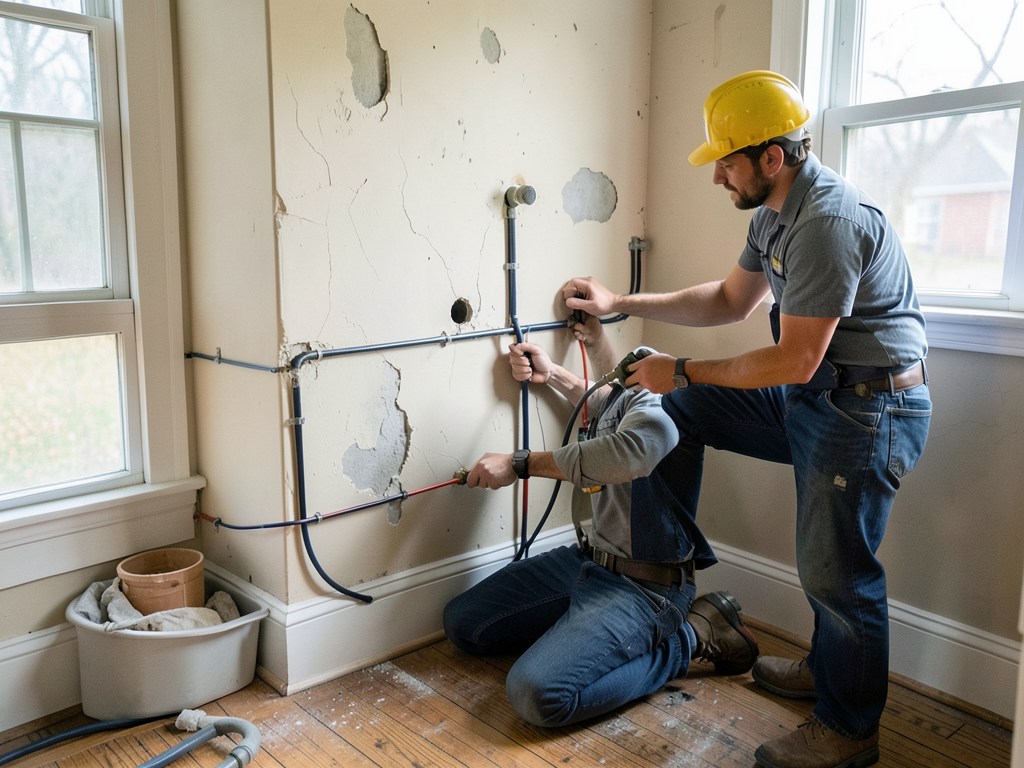
PEX piping vs copper plumbing reveals different strengths. Cross-linked polyethylene comes in three types: PEX-A, PEX-B, and PEX-C, with PEX-A offering the best flexibility and freeze resistance. The material resists scale buildup and won't corrode from acidic or alkaline water conditions. Installation takes less time because technicians connect pipes using expansion fittings, crimp rings, or press connections rather than soldering each joint.

PEX limitations include sensitivity to UV light, which degrades the material within months if exposed to sunlight. You cannot use PEX outdoors or in areas with direct sun exposure. Some municipalities restrict PEX use in commercial buildings due to fire safety concerns, though residential applications face fewer restrictions in Allegheny County.

The material also raises water quality questions. While PEX meets NSF-61 drinking water standards, some studies show minimal chemical leaching during the first few weeks after installation. Copper provides inert water contact with no plastic taste concerns.

Temperature tolerance differs significantly. Copper handles temperatures up to 400 degrees Fahrenheit, while PEX ratings max out around 200 degrees, limiting applications near high-temperature equipment.

How We Help You Choose the Right Piping Material

PEX vs. Copper Piping Guide for Pittsburgh Homeowners – Make the Right Choice for Your Home's Plumbing
01

Property Assessment

Our technicians examine your home's existing plumbing configuration, foundation type, and water quality conditions. We test water pH, mineral content, and pressure levels that affect pipe longevity. This evaluation includes checking basement exposure, crawl space access, and insulation adequacy in exterior walls where freeze risk exists. We review your home's age and construction type to understand compatibility requirements.
02

Material Comparison Analysis

We present detailed pros and cons of copper vs PEX plumbing specific to your situation. This includes calculating installation cost differences, explaining local code requirements, and projecting maintenance needs over 20-plus years. You receive transparent information about each material's performance in Pittsburgh's climate, including freeze resistance data, corrosion potential, and repair complexity. We explain how each option affects water taste and quality.
03

Customized Recommendation

Based on your budget, home characteristics, and priorities, we recommend the optimal solution. Some homes benefit from hybrid systems using copper for visible runs and PEX behind walls. Others require full copper for resale value or PEX throughout for cost efficiency. We provide written proposals detailing material specifications, installation timelines, and warranty coverage for either choice you make.

Why Pittsburgh Homeowners Trust Ace Plumbing Pittsburgh for Piping Guidance

Choosing piping materials requires understanding how local conditions affect long-term performance. Ace Plumbing Pittsburgh has installed and repaired both PEX and copper systems throughout Allegheny County for years. We know which neighborhoods have aggressive water chemistry that shortens copper lifespan and which foundation types make PEX the smarter choice.

Our technicians hold certifications for both copper soldering and PEX installation methods. This dual expertise means we recommend materials based on your needs, not our installation preferences. We have seen how Pittsburgh's freeze-thaw cycles affect different piping types in real-world conditions. This experience prevents costly mistakes that occur when installers apply generic advice to our specific climate.

We stay current with Allegheny County building codes and understand inspection requirements for repiping projects. Some historic districts require copper for visible plumbing to maintain architectural authenticity. New construction permits often allow PEX throughout. We handle permitting and ensure your installation passes inspection on the first attempt.

Local knowledge matters when comparing cross-linked polyethylene vs copper tubing for Pittsburgh homes. We understand how homes built on hillsides near the Monongahela River face different foundation settlement patterns than properties in flatter areas like McCandless. This affects joint stress and leak probability over time.

Our water quality testing identifies specific concerns like high chloride levels that accelerate copper corrosion or sediment issues that clog PEX manifolds. We provide solutions tailored to your water conditions, not generic recommendations from out-of-state contractors.

You receive honest cost comparisons that factor in Pittsburgh labor rates, material availability, and realistic project timelines. We explain when spending more on copper adds genuine value versus when PEX delivers equal performance at lower cost.

What to Expect When Comparing Piping Materials

Consultation Timeframe

Initial piping consultations take 45 to 90 minutes depending on your home's size and complexity. We schedule appointments within 24 to 48 hours of your call. During the visit, we inspect existing plumbing, test water quality, and measure pipe runs to calculate material quantities. You receive verbal recommendations immediately and written proposals within 24 hours. Emergency repiping consultations for burst pipe situations happen the same day you call.

Water Quality Testing

We test pH levels, total dissolved solids, chlorine content, and mineral hardness to determine which piping material suits your water chemistry. Pittsburgh water averages 7.4 pH, but individual homes vary based on treatment plant source and pipe age. High acidity accelerates copper corrosion while hard water creates scale in both materials. We use calibrated digital meters for accurate readings that inform material selection. Results help predict pipe lifespan and identify filtration needs.

Installation Quality

Proper installation determines whether your pipes last 20 years or 50 years. Our copper soldering creates clean joints without flux residue that causes pinhole leaks. PEX installations use calibrated expansion tools and properly sized fittings to prevent restriction and leaks. We insulate pipes in exterior walls and crawl spaces to prevent freeze damage. All work includes pressure testing at 150 PSI for 15 minutes to verify leak-free operation before closing walls.

Ongoing Support

After installation, we provide documentation showing pipe locations, material specifications, and shut-off valve positions. This information helps future plumbers work on your system efficiently. We offer annual inspections to check for early signs of corrosion, leaks, or pressure problems before they cause damage. If issues develop, we return to diagnose problems and explain whether they stem from material choice, installation quality, or water chemistry changes requiring treatment adjustments.

Frequently Asked Questions

You Have Questions,
We Have Answers

Do plumbers prefer PEX or copper? +

Most plumbers in Pittsburgh prefer PEX for residential repiping because it installs faster and costs less. You can snake PEX through walls without tearing up drywall, which saves time and mess. Copper still has loyal fans for exposed lines and commercial work, but PEX flexibility wins for crawl spaces and attics. The freeze-thaw cycles we get in western Pennsylvania also favor PEX, since it expands slightly without bursting. Plumbers weigh job type, budget, and building codes when choosing materials. Both work well when installed right.

Why don't insurance companies like PEX plumbing? +

Insurance companies do not hate PEX. Some older policies had exclusions because PEX was new and unproven decades ago. Those concerns faded as PEX proved reliable. Today, most insurers in Pennsylvania accept PEX without issue. Problems arise when homeowners use bargain-brand fittings or skip permits. Improper installation causes leaks, which triggers claims. Insurers care about code compliance and workmanship, not the pipe material itself. Always hire licensed plumbers and pull permits to avoid coverage disputes. Your policy may require disclosure during repiping work.

What are the downsides of PEX pipe? +

PEX cannot go outdoors because UV light degrades the plastic within months. You also cannot install it within six inches of water heaters or direct sunlight. Rodents can chew through PEX in crawl spaces, though this rarely happens in finished basements common to Pittsburgh homes. Some people worry about chemical leaching, but NSF-certified PEX meets drinking water standards. PEX also requires special crimping or expansion tools, so DIY repairs get tricky. Finally, you cannot recycle PEX like copper. These downsides are manageable with proper installation and planning.

Why do plumbers not use copper anymore? +

Plumbers still use copper, but less often for whole-house repiping. Copper costs two to three times more than PEX and takes longer to install. Pittsburgh's older housing stock has tight crawl spaces and plaster walls, making copper soldering impractical. Labor costs climb fast when you need torches and ventilation. PEX flexibility also handles our freeze-thaw cycles better without rigid joints that crack. Copper remains popular for gas lines, exposed pipe in commercial buildings, and situations where building codes require metal. Cost and installation speed shifted most residential work to PEX.

Do new homes use PEX or copper? +

New homes in Pittsburgh mostly use PEX for water supply lines. Builders prefer PEX because it cuts labor costs and speeds up construction. You can run PEX in long, continuous loops without joints hidden in walls, which reduces leak risk. Some custom builds still use copper for aesthetic reasons or buyer preference, especially in high-end finishes. Builders also mix materials, using copper for main lines and PEX for branch lines. Local building codes allow both materials, so the choice comes down to budget and timeline.

What is the lawsuit against PEX pipe? +

Class-action lawsuits targeted specific PEX brands for defective fittings and pipes that failed prematurely. These cases focused on manufacturing flaws, not PEX material itself. Brands like Kitec and Polybutylene faced claims for cracking, leaking, and corroded brass fittings. Most major PEX manufacturers today meet ASTM standards and carry long warranties. If your Pittsburgh home has older PEX installed before 2010, check the brand and look for recalls. Modern PEX from reputable makers has a strong safety record. Always verify your plumber uses certified materials and proper installation methods.

Why do plumbers not use PEX? +

Some plumbers avoid PEX due to personal preference or specialized work. Older tradespeople learned copper soldering and trust what they know. Commercial plumbers often work under stricter codes that require metal piping. PEX also needs specialized crimping or expansion tools, which adds upfront cost for small shops. A few plumbers worry about long-term durability since PEX only gained wide acceptance in the 1990s. Most licensed plumbers in Pittsburgh now carry PEX tools and install it daily. Skill level and job requirements drive material choice more than blanket opposition.

What is the lifespan of PEX plumbing? +

PEX piping should last 40 to 50 years under normal conditions. Manufacturers often warranty PEX for 25 years, but real-world performance exceeds that timeline. Lifespan depends on water quality, installation quality, and exposure to UV light or chemicals. Pittsburgh's moderately hard water does not corrode PEX like it can with copper. Freeze-thaw cycles also cause less stress on PEX compared to rigid materials. Proper installation with certified fittings matters more than the pipe itself. Expect PEX to outlast most water heaters and fixtures in your home.

Where should you not use PEX? +

Never use PEX outdoors, near water heaters, or in direct sunlight. UV exposure breaks down PEX within six months, so keep it inside finished walls or insulated spaces. You also cannot install PEX within six inches of flue pipes or recessed lighting that generates heat. Some building codes ban PEX in commercial high-rises due to fire safety rules. Pittsburgh homes with exposed basement ceilings should protect PEX from potential impact or rodent access. Always transition to copper or CPVC for the last six inches before a water heater connection.

Why is PEX banned in NYC? +

New York City banned PEX until 2021 due to outdated fire safety concerns and strict plumbing codes. The city worried PEX could melt during fires and release toxic fumes. Independent testing proved PEX met fire safety standards, and NYC finally updated its code. Pittsburgh and Pennsylvania never banned PEX. The NYC restriction reflected local politics and union influence, not material performance. Today, NYC allows PEX for residential water lines with specific installation rules. This shows how regional building codes can lag behind proven technology for years.

How Pittsburgh's Water Chemistry and Climate Influence the PEX vs Copper Decision

Pittsburgh receives water from the Allegheny River through treatment plants that add chloramine for disinfection. This chemical combination proves harsher on copper than traditional chlorine treatment, accelerating pinhole leak development in homes with aggressive water chemistry. The region's freeze-thaw cycles create another challenge. Temperatures regularly swing from below freezing to above 40 degrees throughout winter, causing expansion and contraction that stresses rigid copper joints. PEX handles these temperature changes better due to material flexibility, making it advantageous in poorly insulated older homes common throughout the city.

Allegheny County building codes permit both copper and PEX for residential plumbing with specific installation requirements for each material. Inspectors verify proper support spacing, correct fitting types, and adequate insulation in unconditioned spaces. Working with local plumbing professionals who understand these requirements prevents installation failures and code violations. Our experience with Pittsburgh's housing stock, from century-old brick homes in Polish Hill to new construction in Cranberry Township, means we know which piping solution fits your specific property type and budget constraints.
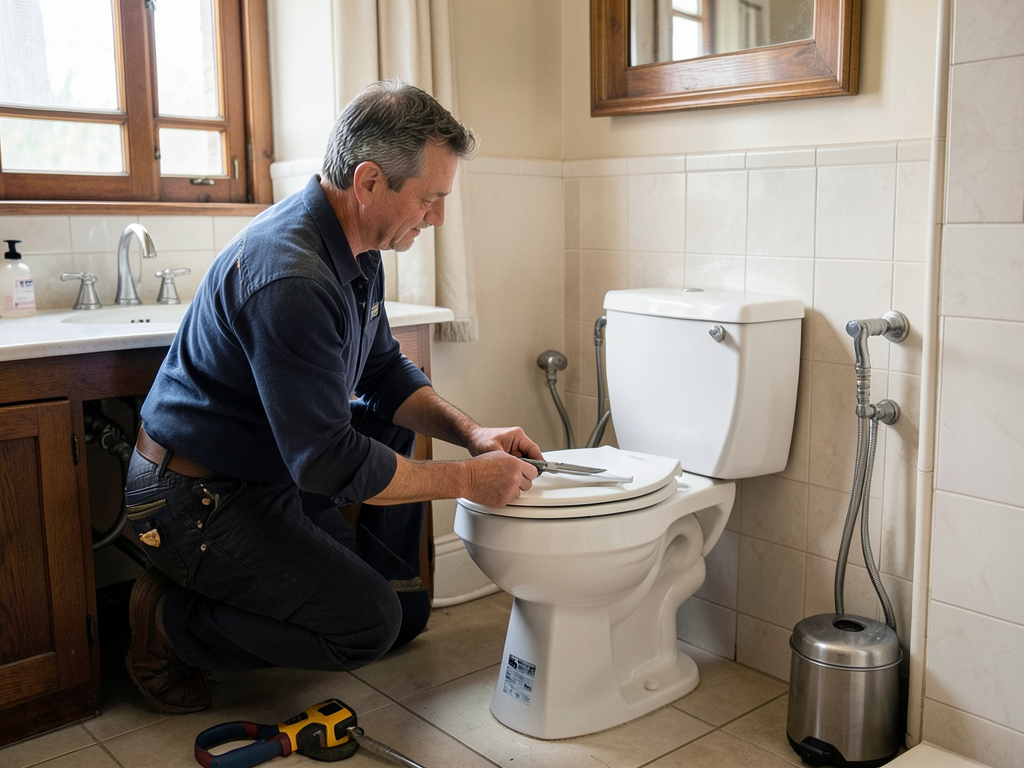
Plumbing Services in The Pittsburgh Area

We are proud to be the trusted plumbing partner for the entire Pittsburgh area and its surrounding communities. Our dedicated team is committed to providing prompt and efficient service wherever you are. To get a better sense of our service area and to get in touch with us for all your plumbing needs, please take a look at our location on the map below. We’re always here to help.

Address:
Ace Plumbing Pittsburgh, 1450 Fifth Ave, Pittsburgh, PA, 15219

Additional Services We Offer

Our news updates

Latest Articles & News from The Blogs

Why You Need a Plumbing Camera Inspection Before Buying That Mount Oliver Fixer Upper \n\n Buying a fixer upper in…

Why You Need a Plumbing Camera Inspection Before Buying That Mount Oliver Fixer Upper

Why You Need a Plumbing Camera Inspection Before Buying That Mount Oliver Fixer Upper \n\n Buying a fixer upper in…

Replacing Every Old Pipe in Your Swissvale Home Without the Stress

Replacing Every Old Pipe in Your Swissvale Home Without the Stress Swissvale homes built before 1970 often hide a ticking…

Reliable Ejector Pump Repair and Install for Robinson Township Basement Bathrooms

Expert Ejector Pump Repair in Robinson Township PA Basement bathrooms in Robinson Township homes often sit below the main sewer…

Contact Us

Stop guessing about the right piping material for your Pittsburgh home. Call Ace Plumbing Pittsburgh at (412) 382-8366 for a professional assessment. We provide honest recommendations based on your property's specific needs, not sales quotas.