Simple ways to get rid of that rotten food smell coming from your kitchen sink
That foul odor rising from your kitchen drain is more than just unpleasant. It signals trapped food particles, bacterial growth, or even dangerous sewer gas. Pittsburgh homeowners face unique challenges with hard water mineral deposits and aging cast iron pipes that trap organic matter. This guide walks you through fast DIY fixes and shows when that smell means it’s time to call a professional. Pittsburgh Water and Sewer Authority.
Common causes of kitchen drain odors in Pittsburgh homes
Food waste trapped in the P-trap creates a breeding ground for bacteria. In Pittsburgh’s older neighborhoods like Squirrel Hill and Shadyside, cast iron pipes corrode internally, creating rough surfaces where debris clings. The city’s hard water leaves mineral scale that narrows pipes and slows drainage, allowing organic matter to decompose longer. Dry P-traps in rarely-used basement kitchens let sewer gases back up into living spaces. Pittsburgh Backflow Testing and Certification for Local Business Owners.
DIY fixes: How to clean your drain without harsh chemicals
Start with the simplest solution. Remove the drain stopper and clean the splash guard with an old toothbrush dipped in baking soda paste. Pour one cup of baking soda down the drain, followed by two cups of white vinegar. Let the mixture fizz for 15 minutes to break down biofilm. Flush with boiling water from a kettle. For garbage disposals, add ice cubes and rock salt, then run cold water while grinding to scour the grinding chamber walls. No Hot Water Diagnosis.
The ‘Pittsburgh factor’: Hard water and aging pipes
Pittsburgh’s Allegheny County water contains high levels of calcium and magnesium. These minerals form scale inside pipes, reducing diameter by up to 30% in homes over 50 years old. The scale creates perfect pockets for food particles to lodge. PWSA’s lead line replacement program has uncovered thousands of pipes with internal corrosion that traps odors. If your home was built before 1970 in neighborhoods like Bloomfield or Lawrenceville, your pipes likely have significant scale buildup affecting drainage speed and odor control.
When the smell is a warning sign: Sewer gas and venting issues
A rotten egg smell indicates hydrogen sulfide gas, a component of sewer gas that can cause headaches and nausea. This occurs when the plumbing vent stack gets blocked by leaves, bird nests, or ice in winter. Pittsburgh’s freeze-thaw cycles create perfect conditions for vent stack ice dams. If you smell this odor when running water or after heavy rain, your P-trap might be compromised or your vent stack obstructed. Check for slow drainage throughout the house – this often accompanies venting problems. Dealing With Old Pipe Problems in Historic Shadyside Homes.
Professional solutions: Hydro-jetting and camera inspections
When DIY methods fail, the odor source lies deeper in the system. Professional plumbers use high-pressure hydro-jetting to clear 50-foot sections of pipe, removing years of accumulated grease and scale. Camera inspections reveal cracked pipes, separated joints, or collapsed sections common in Pittsburgh’s clay soil areas. The average Pittsburgh home built before 1980 has 2-3 minor pipe separations that trap food waste. Hydro-jetting costs $350-500 but eliminates odors at the source rather than masking them. EPA guide on sewer gas health risks.
Prevention: Keeping your kitchen drain odor-free
Run cold water for 30 seconds before and after using the disposal. Monthly, pour enzyme-based drain cleaner down the sink to break down organic matter naturally. In Pittsburgh’s humid summers, run the disposal more frequently to prevent food buildup. Consider installing a water softener if you have visible scale on faucets – this reduces mineral deposits in pipes. For homes with cast iron stacks, schedule professional cleaning every 2-3 years to prevent odor-causing buildup. Grease Trap Cleaning & Pumping.
Frequently Asked Questions
Why does my kitchen sink smell worse in summer?
Higher humidity accelerates bacterial growth in trapped food particles. Pittsburgh’s summer temperatures create ideal conditions for odor-causing bacteria to multiply rapidly in drains.
Can I use bleach to eliminate drain odors?
Bleach kills bacteria but damages pipes and creates toxic fumes when mixed with other cleaners. It also doesn’t remove the physical debris causing the odor.
How do I know if I have a serious plumbing issue?
Multiple drains smelling simultaneously, slow drainage throughout the house, or gurgling sounds indicate systemic problems requiring professional inspection.
Quick comparison: DIY vs Professional drain cleaning
| Method | Cost | Effectiveness | Best for |
|---|---|---|---|
| Baking soda/vinegar | $2-5 | Surface cleaning | Minor odors |
| Enzyme cleaner | $10-15 monthly | Preventive maintenance | Regular upkeep |
| Plunger/hydraulic cleaning | $75-150 | Moderate clogs | Partial blockages |
| Hydro-jetting | $350-500 | Complete pipe cleaning | Severe buildup |

Diagram showing P-trap structure and common odor sources in kitchen plumbing systems.
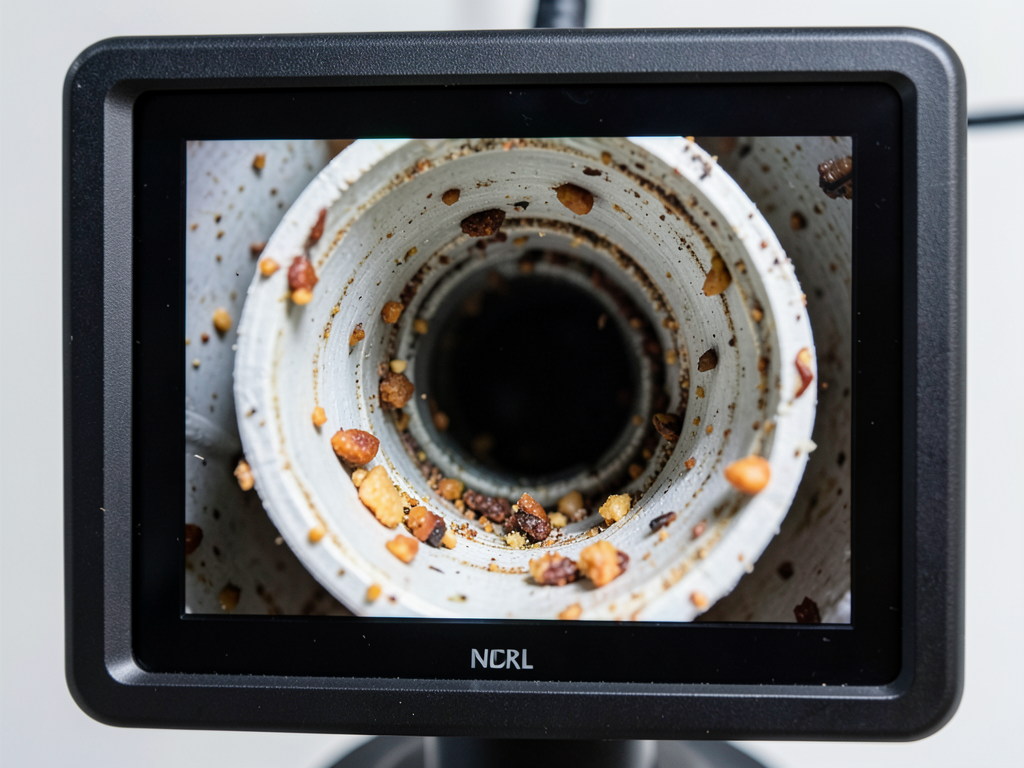
Photo of a plumber using a drain camera to inspect pipe interiors for odor-causing blockages.
Before/after comparison of a kitchen drain pipe cleaned with hydro-jetting equipment.
When to call a Pittsburgh plumber about drain odors
DIY methods work for surface-level odors, but certain signs indicate deeper problems requiring professional tools. If you’ve tried multiple cleaning methods without success, or if the smell returns within days, the issue likely exists beyond the P-trap. Homes in Pittsburgh’s older neighborhoods with cast iron plumbing often need professional descaling to eliminate persistent odors. Don’t ignore sewer gas smells – hydrogen sulfide exposure can cause respiratory issues and is explosive at high concentrations. Emergency 24 Hour Plumbing Services in the Bloomfield Area.
Call (412) 382-8366 today to schedule your inspection. Our technicians use camera inspection technology to pinpoint odor sources and recommend the most cost-effective solution. Don’t let that smell worsen – professional cleaning takes just 1-2 hours and eliminates odors at the source.
Pick up the phone and call (412) 382-8366 before the next storm hits. Pittsburgh’s freeze-thaw cycles can worsen venting issues and push sewer gases back into your home. Our 24/7 emergency service ensures you’re never stuck with a smelly kitchen drain.
You may also find this helpful. Why your dishwasher is leaving a puddle on your McCandless kitchen floor.
{
“@context”: “https://schema.org”,
“@type”: “BlogPosting”,
“headline”: “Simple ways to get rid of that rotten food smell coming from your kitchen sink”,
“description”: “Stop that foul kitchen drain odor! Learn DIY fixes for Pittsburgh homes, from cleaning the P-trap to eliminating sewer gas. Call (412) 382-8366 for expert help.”,
“wordCount”: 981,
“datePublished”: “2026-03-29T10:19:00.000Z”,
“dateModified”: “2026-03-29T10:19:00.000Z”,
“inLanguage”: “en-US”,
“mainEntityOfPage”: {
“@type”: “WebPage”,
“@id”: “https://aceplumbingpittsburgh.com”
},
“publisher”: {
“@type”: “LocalBusiness”,
“name”: “Ace Plumbing Pittsburgh”,
“url”: “https://aceplumbingpittsburgh.com”
},
“author”: {
“@type”: “Organization”,
“name”: “Ace Plumbing Pittsburgh”,
“url”: “https://aceplumbingpittsburgh.com”
},
“image”: {
“@type”: “ImageObject”,
“url”: “https://aceplumbingpittsburgh.com/wp-content/uploads/2026/03/simple-ways-to-get-rid-of-that-rotten-food-smell-c-1.png”
}
}
{
“@context”: “https://schema.org”,
“@type”: “Plumber”,
“name”: “Ace Plumbing Pittsburgh”,
“url”: “https://aceplumbingpittsburgh.com”,
“address”: {
“@type”: “PostalAddress”,
“addressLocality”: “Pittsburgh”
},
“areaServed”: {
“@type”: “City”,
“name”: “Pittsburgh”
}
}
{
“@context”: “https://schema.org”,
“@type”: “FAQPage”,
“mainEntity”: [
{
“@type”: “Question”,
“name”: “Why does my kitchen sink smell worse in summer?”,
“acceptedAnswer”: {
“@type”: “Answer”,
“text”: “Higher humidity accelerates bacterial growth in trapped food particles. Pittsburgh’s summer temperatures create ideal conditions for odor-causing bacteria to multiply rapidly in drains.”
}
},
{
“@type”: “Question”,
“name”: “Can I use bleach to eliminate drain odors?”,
“acceptedAnswer”: {
“@type”: “Answer”,
“text”: “Bleach kills bacteria but damages pipes and creates toxic fumes when mixed with other cleaners. It also doesn’t remove the physical debris causing the odor.”
}
},
{
“@type”: “Question”,
“name”: “How do I know if I have a serious plumbing issue?”,
“acceptedAnswer”: {
“@type”: “Answer”,
“text”: “Multiple drains smelling simultaneously, slow drainage throughout the house, or gurgling sounds indicate systemic problems requiring professional inspection.”
}
}
]
}
{
“@context”: “https://schema.org”,
“@type”: “BreadcrumbList”,
“itemListElement”: [
{
“@type”: “ListItem”,
“position”: 1,
“name”: “Home”,
“item”: “https://aceplumbingpittsburgh.com”
},
{
“@type”: “ListItem”,
“position”: 2,
“name”: “Blog”,
“item”: “https://aceplumbingpittsburgh.com/blog”
},
{
“@type”: “ListItem”,
“position”: 3,
“name”: “Simple ways to get rid of that rotten food smell coming from your kitchen sink”
}
]
}
{
“@context”: “https://schema.org”,
“@type”: “Service”,
“serviceType”: “Plumbing”,
“provider”: {
“@type”: “LocalBusiness”,
“name”: “Ace Plumbing Pittsburgh”,
“url”: “https://aceplumbingpittsburgh.com”
},
“areaServed”: {
“@type”: “City”,
“name”: “Pittsburgh”
},
“description”: “Stop that foul kitchen drain odor! Learn DIY fixes for Pittsburgh homes, from cleaning the P-trap to eliminating sewer gas. Call (412) 382-8366 for expert help.”
}