If you smell gas in your Pittsburgh home, every second counts. That rotten egg odor means natural gas is leaking and could cause an explosion. This guide shows you exactly how to turn off your gas main valve quickly and safely, using Pittsburgh-specific information for Peoples Natural Gas and Columbia Gas of Pennsylvania customers. Peoples Natural Gas emergency procedures.
Immediate Safety Warning: Stop, Smell, Evacuate
Before touching any valve, follow this emergency protocol: Emergency 24 Hour Plumbing Services in the Bloomfield Area.
- Stop what you’re doing and do not use any electrical devices or create sparks
- Smell for the distinctive rotten egg odor (mercaptan added to natural gas)
- Evacuate everyone from the house immediately
- Call 911 from outside or a neighbor’s house
- Contact your gas utility – Peoples Natural Gas at 1-800-400-5592 or Columbia Gas of PA at 1-888-460-4332
Do not re-enter your home until emergency responders or utility technicians say it’s safe.
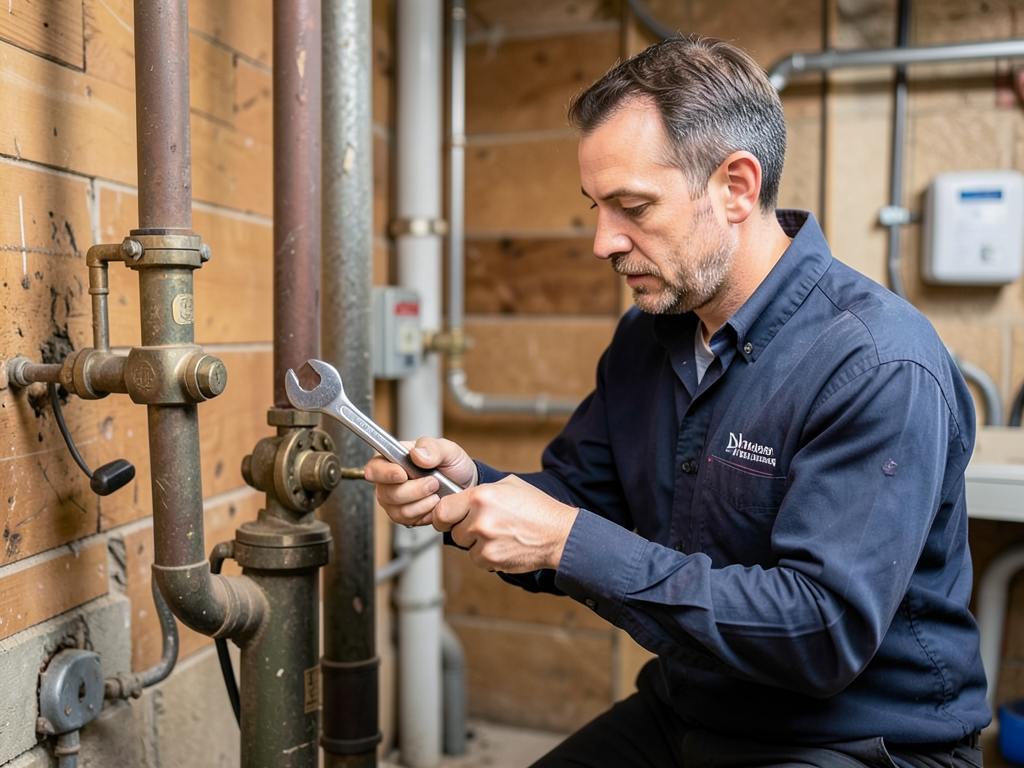
Identifying Your Gas Main in Pittsburgh Homes
Where you find your gas main depends on your Pittsburgh neighborhood and home age. Older Pittsburgh homes in Lawrenceville or Bloomfield often have gas meters in basements near the front of the house. Newer construction in suburbs like Bethel Park or Upper St. Clair typically has outdoor meters on the side or back of the house. Pittsburgh Backflow Testing and Certification for Local Business Owners.
Look for these common locations:
- Basement wall near the front entrance (common in pre-1950 homes)
- Exterior wall on the side or back of the house
- Near the gas meter itself – the main valve is usually within 3 feet of the meter
- 12-inch adjustable wrench (standard for most Pittsburgh gas valves)
- Work gloves to protect your hands
- Flashlight (gas emergencies often happen at night)
- Emergency contact numbers written down
- Locate the Valve
Find the main gas valve near your meter. It’s typically a yellow or red handle on a pipe.
- Check Valve Position
If the handle is parallel to the pipe, gas is flowing. If perpendicular, it’s off.
- Turn the Valve
Using your 12-inch wrench, turn the handle 90 degrees clockwise until it’s perpendicular to the pipe.
- Verify Position
The handle should now be crosswise to the pipe, forming a “T” shape.
- Check Appliances
Once gas is off, all pilot lights will go out. Do not attempt to relight them.
- Never turn the gas back on yourself – Pennsylvania law requires a licensed professional to restore gas service
- Don’t use electrical switches – even light switches can create sparks
- Avoid using phones inside – cell phones can create static
- Don’t try to find the leak – leave that to professionals with gas detectors
- Never smoke or use lighters – obvious but critical
- Peoples Natural Gas Emergency: 1-800-400-5592 (24/7)
- Columbia Gas of Pennsylvania: 1-888-460-4332 (24/7)
- Allegheny County Emergency Services: 911
- Pennsylvania One Call: 811 (before digging projects)
- Utility Inspection – The gas company will inspect the line for leaks
- Professional Relighting – A licensed plumber or HVAC tech must relight all pilots
- Appliance Testing – Each gas appliance needs individual testing
- Final Safety Check – The utility performs a final pressure test
- Corrosion on pipes and fittings
- Improper connections or loose fittings
- Damaged flexible connectors
- Improper appliance venting
- Carbon monoxide detector functionality
- Hissing sounds near gas lines
- Dying houseplants near gas appliances
- Higher than normal gas bills without usage changes
- Yellow or orange flames instead of blue on gas appliances
- Physical symptoms like headaches, dizziness, or nausea that improve when you leave home
The valve you need has a small lever or handle. In Pittsburgh’s older housing stock, you might find a gate valve instead of the newer quarter-turn ball valves. Both work the same way – you’re turning off the gas flow to your entire home.
Tools You Will Need
Keep these items accessible in your emergency kit:
Never use tools that could create sparks. Avoid using adjustable wrenches that slip or don’t fit properly – a poorly fitting wrench can damage the valve and make it impossible to turn off later.
Step-by-Step: Turning Off the Main Valve
The quarter-turn rule is simple: parallel means on, perpendicular means off. In Pittsburgh’s older homes, some valves might require several turns, but most modern installations use the quarter-turn design.
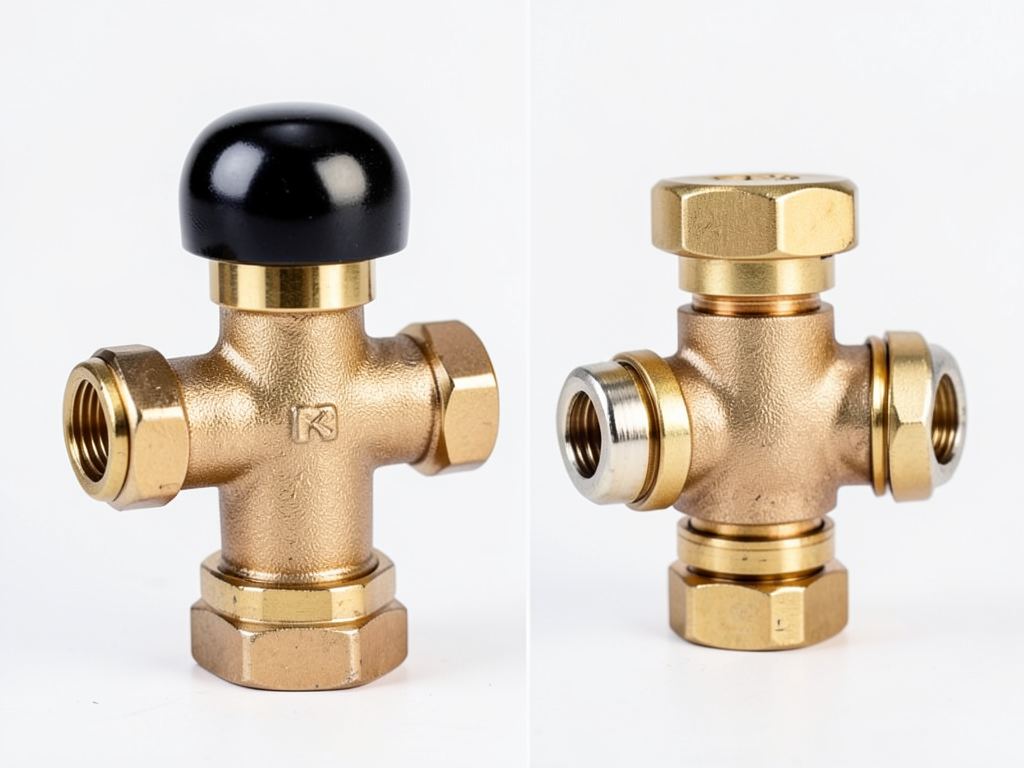
Different Valve Types in Pittsburgh
Understanding your valve type helps you act quickly during an emergency. Pittsburgh homes have two main valve types:
| Valve Type | Common in Pittsburgh | Identification | Operation |
|---|---|---|---|
| Ball Valve | Newer homes, 1990+ | Yellow lever handle | Quarter turn (90 degrees) |
| Gate Valve | Older homes, pre-1980 | Round wheel handle | Multiple clockwise turns |
| Street-side Valve | Urban Pittsburgh | Underground box | Utility only |
Focus on the house-side valve – the one inside your property line. The street-side valve near the curb is for utility company use only and requires special tools to operate.
What NOT to Do During a Gas Emergency
Common mistakes can make emergencies worse:
In Pennsylvania, only a licensed Master Plumber or HVAC technician can legally turn gas back on after an emergency shutoff. They must check all appliances, relight pilots, and test for leaks before restoring service.
Pittsburgh Utility Contact Directory
Keep these numbers posted near your phone or saved in your contacts:
Both Peoples and Columbia Gas serve different areas of Pittsburgh. Peoples covers much of the city and South Hills, while Columbia Gas serves parts of the North Hills and surrounding counties. If you’re unsure who serves your address, call 811 for assistance.
Post-Shutoff: What Happens Next
After turning off your gas main, you’ll need professional help to restore service. Here’s the process:
Attempting to restore gas yourself violates Pennsylvania’s plumbing code and can void appliance warranties. The process typically takes 2-4 hours and costs $150-300 for professional service.
Special Considerations for Pittsburgh Homes
Pittsburgh’s unique housing stock creates specific challenges:
Older Homes in Lawrenceville and Bloomfield – Many pre-1940 homes have galvanized steel gas lines that corrode over time. The EPA recommends replacing lines over 50 years old. These homes often have multiple gas appliances in basements, making leak detection harder.
Hillside Homes in Mount Washington – The steep terrain can cause foundation shifting, potentially stressing gas lines. Annual inspections are crucial in these areas where soil movement is common.
Row Houses in South Side and Polish Hill – Shared walls between homes mean a leak in one unit can affect neighbors. Pittsburgh building code requires gas shutoff valves to be accessible from the front of the house in these multi-unit buildings.
Post-War Homes in Bethel Park – Many 1950s homes have flexible gas connectors that deteriorate over time. The Pennsylvania Uniform Construction Code now requires rigid piping for new installations.
Preventing Gas Emergencies in Your Pittsburgh Home
Prevention is always better than emergency response. Schedule annual gas line inspections with a licensed Master Plumber to check for:
The City of Pittsburgh requires carbon monoxide detectors within 15 feet of all sleeping areas in homes with gas appliances. Test these detectors monthly and replace batteries annually.
For homes over 30 years old, consider a comprehensive gas line assessment. The cost of prevention ($200-400) is minimal compared to potential property damage or injury from a gas emergency.
When to Call a Professional Immediately
Call (412) 382-8366 right now if you experience:
These signs indicate potential gas leaks that require immediate professional attention. Our licensed Master Plumbers serve all Pittsburgh neighborhoods and can respond within 60 minutes for emergencies. The Best Local Plumbers in Mt. Lebanon for Fast Water Heater Repair.
Don’t wait for an emergency to learn where your gas valve is located. Take 10 minutes today to find it and test the valve. Your family’s safety depends on being prepared. EPA gas safety recommendations.
Frequently Asked Questions
How do I know if my gas is already off?
Check if all gas appliances are working. If your furnace, water heater, and stove have no gas, the main valve may already be off. The valve handle should be perpendicular to the pipe when off. No Hot Water Diagnosis.
Can I turn my gas back on myself?
No. Pennsylvania law requires a licensed professional to restore gas service after an emergency shutoff. This ensures all appliances are safe and properly functioning.
How much does it cost to have gas turned back on?
Professional gas restoration typically costs $150-300, depending on the number of appliances and complexity of the system. This includes utility inspection, professional relighting, and safety testing.
How often should I inspect my gas lines?
Annual inspections are recommended for all homes. Homes over 30 years old or with older steel piping should be inspected twice yearly for corrosion and leaks.
What if I can’t turn the valve?
If the valve is stuck or you can’t turn it, don’t force it. Call your gas utility immediately. Forcing a stuck valve can break the pipe and create a much more dangerous situation.
Remember: When in doubt, get out. Evacuate immediately if you smell gas, then call 911 and your utility provider from outside your home.
For 24/7 emergency gas service in Pittsburgh, call (412) 382-8366. Our licensed Master Plumbers are ready to help keep your home safe.
{
“@context”: “https://schema.org”,
“@type”: “BlogPosting”,
“headline”: “How to safely shut off your gas line during a Pittsburgh home emergency”,
“description”: “Learn how to safely shut off your gas line during a Pittsburgh home emergency with step-by-step instructions from local Master Plumbers. Call (412) 382-8366 for help.”,
“wordCount”: 1521,
“datePublished”: “2026-03-18T15:07:00.000Z”,
“dateModified”: “2026-03-18T15:07:00.000Z”,
“inLanguage”: “en-US”,
“mainEntityOfPage”: {
“@type”: “WebPage”,
“@id”: “https://aceplumbingpittsburgh.com”
},
“publisher”: {
“@type”: “LocalBusiness”,
“name”: “Ace Plumbing Pittsburgh”,
“url”: “https://aceplumbingpittsburgh.com”
},
“author”: {
“@type”: “Organization”,
“name”: “Ace Plumbing Pittsburgh”,
“url”: “https://aceplumbingpittsburgh.com”
},
“image”: {
“@type”: “ImageObject”,
“url”: “https://aceplumbingpittsburgh.com/wp-content/uploads/2026/03/how-to-safely-shut-off-your-gas-line-during-a-pitt-1.png”
}
}
{
“@context”: “https://schema.org”,
“@type”: “Plumber”,
“name”: “Ace Plumbing Pittsburgh”,
“url”: “https://aceplumbingpittsburgh.com”,
“address”: {
“@type”: “PostalAddress”,
“addressLocality”: “Pittsburgh”
},
“areaServed”: {
“@type”: “City”,
“name”: “Pittsburgh”
}
}
{
“@context”: “https://schema.org”,
“@type”: “FAQPage”,
“mainEntity”: [
{
“@type”: “Question”,
“name”: “How do I know if my gas is already off?”,
“acceptedAnswer”: {
“@type”: “Answer”,
“text”: “Check if all gas appliances are working. If your furnace, water heater, and stove have no gas, the main valve may already be off. The valve handle should be perpendicular to the pipe when off. No Hot Water Diagnosis.”
}
},
{
“@type”: “Question”,
“name”: “Can I turn my gas back on myself?”,
“acceptedAnswer”: {
“@type”: “Answer”,
“text”: “No. Pennsylvania law requires a licensed professional to restore gas service after an emergency shutoff. This ensures all appliances are safe and properly functioning.”
}
},
{
“@type”: “Question”,
“name”: “How much does it cost to have gas turned back on?”,
“acceptedAnswer”: {
“@type”: “Answer”,
“text”: “Professional gas restoration typically costs $150-300, depending on the number of appliances and complexity of the system. This includes utility inspection, professional relighting, and safety testing.”
}
},
{
“@type”: “Question”,
“name”: “How often should I inspect my gas lines?”,
“acceptedAnswer”: {
“@type”: “Answer”,
“text”: “Annual inspections are recommended for all homes. Homes over 30 years old or with older steel piping should be inspected twice yearly for corrosion and leaks.”
}
},
{
“@type”: “Question”,
“name”: “What if I can’t turn the valve?”,
“acceptedAnswer”: {
“@type”: “Answer”,
“text”: “If the valve is stuck or you can’t turn it, don’t force it. Call your gas utility immediately. Forcing a stuck valve can break the pipe and create a much more dangerous situation.”
}
}
]
}
{
“@context”: “https://schema.org”,
“@type”: “HowTo”,
“name”: “How to Shut Off Gas Main”,
“step”: [
{
“@type”: “HowToStep”,
“position”: 1,
“name”: “Locate the Valve”,
“text”: “Find the main gas valve near your meter. It’s typically a yellow or red handle on a pipe.”
},
{
“@type”: “HowToStep”,
“position”: 2,
“name”: “Check Valve Position”,
“text”: “If the handle is parallel to the pipe, gas is flowing. If perpendicular, it’s off.”
},
{
“@type”: “HowToStep”,
“position”: 3,
“name”: “Turn the Valve”,
“text”: “Using your 12-inch wrench, turn the handle 90 degrees clockwise until it’s perpendicular to the pipe.”
},
{
“@type”: “HowToStep”,
“position”: 4,
“name”: “Verify Position”,
“text”: “The handle should now be crosswise to the pipe, forming a \”T\” shape.”
},
{
“@type”: “HowToStep”,
“position”: 5,
“name”: “Check Appliances”,
“text”: “Once gas is off, all pilot lights will go out. Do not attempt to relight them.”
}
],
“image”: “https://aceplumbingpittsburgh.com/wp-content/uploads/2026/03/how-to-safely-shut-off-your-gas-line-during-a-pitt-1.png”
}
{
“@context”: “https://schema.org”,
“@type”: “BreadcrumbList”,
“itemListElement”: [
{
“@type”: “ListItem”,
“position”: 1,
“name”: “Home”,
“item”: “https://aceplumbingpittsburgh.com”
},
{
“@type”: “ListItem”,
“position”: 2,
“name”: “Blog”,
“item”: “https://aceplumbingpittsburgh.com/blog”
},
{
“@type”: “ListItem”,
“position”: 3,
“name”: “How to safely shut off your gas line during a Pittsburgh home emergency”
}
]
}
{
“@context”: “https://schema.org”,
“@type”: “Service”,
“serviceType”: “Plumbing”,
“provider”: {
“@type”: “LocalBusiness”,
“name”: “Ace Plumbing Pittsburgh”,
“url”: “https://aceplumbingpittsburgh.com”
},
“areaServed”: {
“@type”: “City”,
“name”: “Pittsburgh”
},
“description”: “Learn how to safely shut off your gas line during a Pittsburgh home emergency with step-by-step instructions from local Master Plumbers. Call (412) 382-8366 for help.”
}