
Why a Heat Pump Water Heater Might Be the Smartest Upgrade for Your Fox Chapel Home
If your Fox Chapel home still runs on an old electric or gas water heater, you’re probably paying more than you should for hot water. Heat pump water heaters can cut energy use by up to 70% compared to traditional models, and with current federal tax credits and local utility rebates, the math starts looking very attractive. These units work especially well in Pittsburgh’s climate, where they can also help reduce basement humidity during our damp spring seasons. ENERGY STAR certified heat pump water heaters.
Before you dismiss the idea as too expensive or too complicated, let’s break down exactly how these systems work, what they cost, and whether they make sense for your specific home. The answer might surprise you.
How Heat Pump Water Heaters Work (and Why They’re Different)
A heat pump water heater doesn’t create heat like a traditional electric or gas model. Instead, it moves heat from the surrounding air into the water tank using a refrigeration cycle. Think of it like a refrigerator running in reverse. The process is incredibly efficient because it takes advantage of ambient heat that’s already present in your basement or utility room. Energy Efficient Tankless Water Heater Installation in Wexford.
Most models include a backup electric resistance element for times when the heat pump alone can’t keep up, which is why they’re often called “hybrid” water heaters. This means you get the efficiency of a heat pump most of the time, with the reliability of traditional heating when you need it most. No Hot Water Diagnosis.
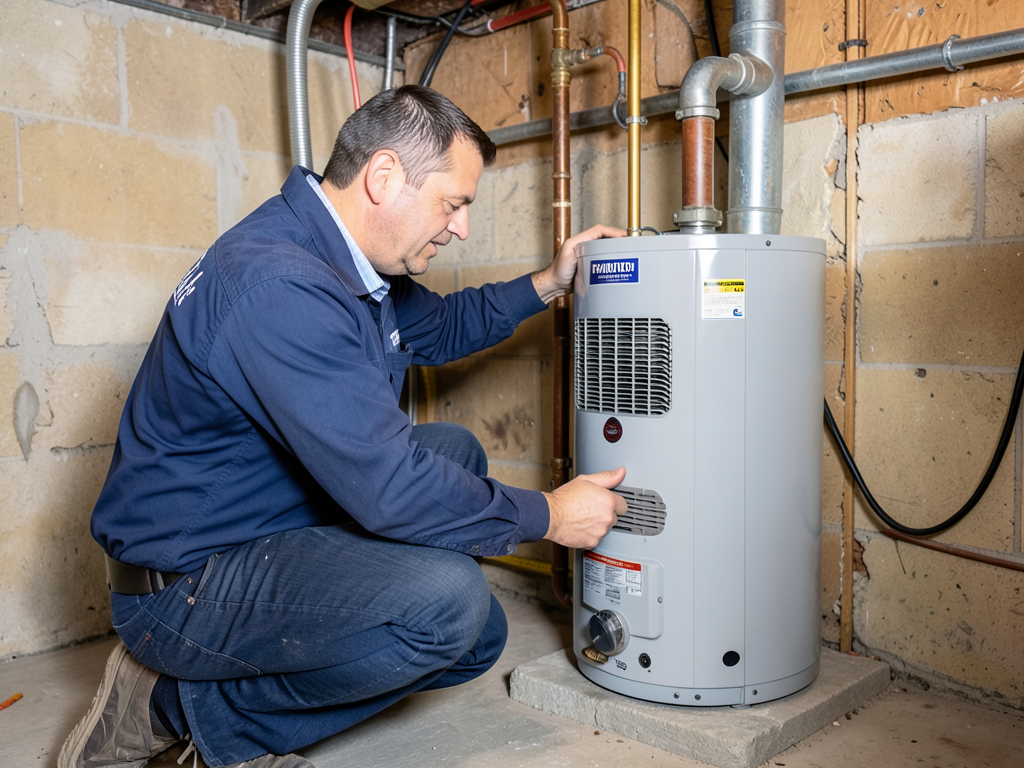
A technician installs a heat pump water heater in a Pittsburgh basement, showing the condensate drain line and air intake filter. Pittsburgh Backflow Testing and Certification for Local Business Owners.
Heat Pump vs. Traditional: Key Differences You Should Know
Traditional water heaters burn gas or use electric resistance elements to heat water directly. Heat pump models use electricity to move heat instead of creating it, which is why they’re so much more efficient. The trade-offs include higher upfront costs, specific space requirements, and the need for proper drainage.
Heat pump units also produce cool, dry air as a byproduct, which can be a benefit in damp Pittsburgh basements but might require some adjustment in how you use the space around them.
| Feature | Heat Pump Water Heater | Traditional Electric |
|---|---|---|
| Energy Factor (UEF) | 3.0 – 3.5 | 0.9 – 0.95 |
| Annual Operating Cost | $150 – $250 | $400 – $500 |
| Noise Level | 45-55 dB | Near silent |
| Space Required | 750+ cubic feet | Minimal |
| Installation Complexity | Moderate (drain line needed) | Simple |
Does Pittsburgh’s Climate Affect Heat Pump Performance?
Many homeowners worry that heat pump water heaters won’t work well in cold climates, but modern units are designed to handle Pennsylvania winters. The key is understanding how they operate in different temperature ranges. In a typical Pittsburgh basement that stays between 50-70°F most of the year, a heat pump water heater will operate in its most efficient mode about 80% of the time.
During the coldest months when basement temperatures drop below 45°F, the unit automatically switches to hybrid or electric-only mode. This ensures you always have hot water, even during January cold snaps. The efficiency penalty during these brief periods is minimal compared to the overall energy savings.
Pittsburgh’s high humidity actually benefits heat pump water heaters. The units naturally dehumidify the air around them, which can help prevent mold growth in basements that struggle with moisture issues. This is especially valuable in older Fox Chapel homes with stone or block foundations.
Local Rebates and Federal Tax Credits: The Real Numbers
The financial case for heat pump water heaters gets much stronger when you factor in available incentives. The federal Inflation Reduction Act provides a 30% tax credit up to $2,000 for qualifying heat pump water heaters. In Pennsylvania, Duquesne Light and West Penn Power offer rebates of up to $500 for ENERGY STAR certified models. Federal tax credits for energy-efficient home improvements.
For a typical 50-gallon heat pump water heater that costs around $1,800-$2,200 installed, these incentives can reduce your net cost by $1,000 or more. When you combine that with annual energy savings of $200-$300, most homeowners see a payback period of 5-7 years.
Some local HVAC contractors in the Pittsburgh area have reported that customers who take advantage of all available rebates are seeing net costs comparable to traditional electric water heaters, making the efficiency benefits essentially free. The Best Local Plumbers in Mt. Lebanon for Fast Water Heater Repair.
Installation Requirements: What Your Fox Chapel Home Needs
Heat pump water heaters have specific installation requirements that differ from traditional models. You’ll need adequate space with good air circulation, a nearby floor drain or condensate pump for the moisture they extract, and proper electrical capacity. Most units require a 240-volt circuit, similar to what traditional electric water heaters need.
The space requirement is often the biggest constraint. You need at least 750 cubic feet of air volume around the unit for optimal performance. In smaller utility closets or basements with low ceilings, this can be challenging. Some homeowners solve this by installing the unit in a larger mechanical room or even in a garage if it’s attached to the house.
Condensate management is another consideration. The water extracted from the air needs somewhere to go, and in Pittsburgh’s freeze-thaw climate, you’ll want to ensure the drain line won’t freeze during winter. This often means running the line through a heated space or using a condensate pump.
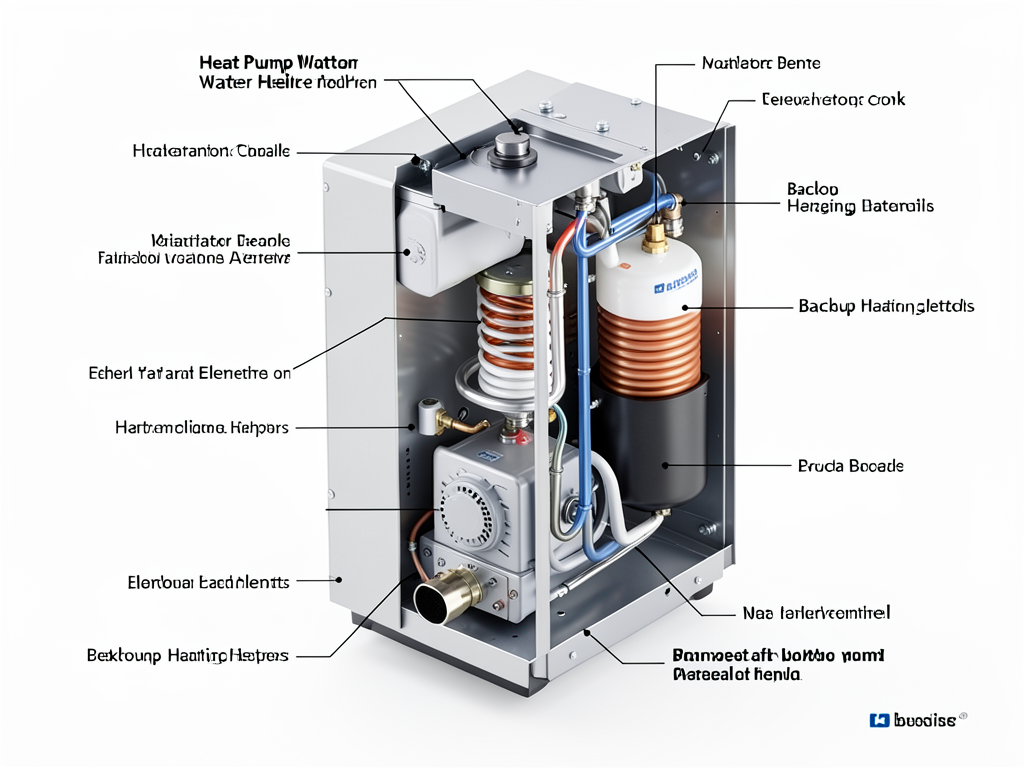
A cutaway diagram showing the internal components of a heat pump water heater, including the compressor, evaporator coils, and backup heating elements.
Pros and Cons: Making the Right Choice for Your Home
Heat pump water heaters offer compelling advantages for many Pittsburgh homeowners, but they’re not the right choice for everyone. Understanding the trade-offs helps you make an informed decision based on your specific situation.
The efficiency benefits are the most obvious advantage. With energy factors of 3.0 or higher, these units use significantly less electricity than traditional models. For homes with electric water heating, this translates to substantial savings on utility bills. The dehumidification benefit is particularly valuable in Pittsburgh’s humid climate.
However, the higher upfront cost remains a barrier for some homeowners. While rebates and tax credits help, you’re still looking at a larger initial investment than a basic electric or gas model. The noise level, while not excessive, is noticeable in quiet spaces, and the cooling effect in the surrounding area might be undesirable in some applications.
Is a Heat Pump Water Heater Worth It in Pittsburgh?
For most Fox Chapel homeowners, the answer is yes, especially if you’re replacing an older electric water heater or if you can take advantage of available rebates. The combination of high efficiency, dehumidification benefits, and financial incentives makes these units an attractive upgrade option.
The key factors that make heat pump water heaters particularly well-suited to Pittsburgh homes include our climate’s high humidity, the availability of local utility rebates, and the fact that many homes already have the electrical infrastructure needed for installation. Homes with gas water heaters might see a longer payback period, but the environmental benefits remain compelling.
If you have the space, proper drainage, and plan to stay in your home for several years, a heat pump water heater can provide significant long-term savings while reducing your carbon footprint. The technology has matured to the point where reliability concerns are minimal, and modern units are designed to handle the specific challenges of cold-climate operation.
A side-by-side comparison showing a traditional electric water heater and a heat pump model installed in similar Pittsburgh basements.
Installation and Maintenance: What to Expect
Installing a heat pump water heater typically takes 2-4 hours for a straightforward replacement, similar to installing a traditional unit. The main difference is the additional time needed to set up the condensate drain and ensure proper air circulation. Most installations can be completed in a single day with minimal disruption to your home.
Maintenance requirements are similar to traditional water heaters, with annual flushing recommended to prevent sediment buildup. The air filter on the heat pump unit should be checked every few months and cleaned or replaced as needed. The condensate drain line should be inspected annually to prevent clogs.
One advantage of heat pump water heaters is that the cooling effect they produce can actually extend the life of the tank by reducing the thermal stress on the metal components. This can offset some of the higher initial cost over the unit’s lifespan.
Call (412) 382-8366 Today to Learn More
Ready to explore whether a heat pump water heater is right for your Fox Chapel home? Our experienced team can assess your specific situation, calculate potential savings, and handle the installation from start to finish. We’ll help you navigate the rebate process and ensure your new system is properly sized and installed for maximum efficiency.
Don’t wait until your current water heater fails. Call (412) 382-8366 today to schedule a free consultation and learn how you can start saving on your energy bills while enjoying reliable hot water year-round.
Frequently Asked Questions
How much can I really save with a heat pump water heater?
Most Pittsburgh homeowners save $200-$300 per year on energy costs compared to traditional electric water heaters. When combined with rebates and tax credits, total savings over the unit’s lifetime can exceed $3,000.
Will a heat pump water heater work in my unfinished basement?
Yes, as long as your basement stays above 40°F and has at least 750 cubic feet of space. Pittsburgh basements typically provide ideal conditions for these units, and the dehumidification benefit is especially valuable in unfinished spaces.
How long do heat pump water heaters last?
With proper maintenance, heat pump water heaters typically last 10-15 years, similar to traditional models. Some homeowners report even longer lifespans due to the reduced thermal stress on the tank from the cooling effect.
{
“@context”: “https://schema.org”,
“@type”: “BlogPosting”,
“headline”: “Why a Heat Pump Water Heater Might Be the Smartest Upgrade for Your Fox Chapel Home”,
“description”: “Discover if a heat pump water heater is right for your Fox Chapel home. Compare costs, efficiency, and local rebates with expert Pittsburgh plumber insights.”,
“wordCount”: 1671,
“datePublished”: “2026-06-05T12:27:00.000Z”,
“dateModified”: “2026-06-05T12:27:00.000Z”,
“inLanguage”: “en-US”,
“mainEntityOfPage”: {
“@type”: “WebPage”,
“@id”: “https://aceplumbingpittsburgh.com”
},
“publisher”: {
“@type”: “LocalBusiness”,
“name”: “Ace Plumbing Pittsburgh”,
“url”: “https://aceplumbingpittsburgh.com”
},
“author”: {
“@type”: “Organization”,
“name”: “Ace Plumbing Pittsburgh”,
“url”: “https://aceplumbingpittsburgh.com”
},
“image”: {
“@type”: “ImageObject”,
“url”: “https://aceplumbingpittsburgh.com/wp-content/uploads/2026/03/why-a-heat-pump-water-heater-might-be-the-smartest-1.png”
}
}
{
“@context”: “https://schema.org”,
“@type”: “Plumber”,
“name”: “Ace Plumbing Pittsburgh”,
“url”: “https://aceplumbingpittsburgh.com”,
“address”: {
“@type”: “PostalAddress”,
“addressLocality”: “Pittsburgh”
},
“areaServed”: {
“@type”: “City”,
“name”: “Pittsburgh”
}
}
{
“@context”: “https://schema.org”,
“@type”: “FAQPage”,
“mainEntity”: [
{
“@type”: “Question”,
“name”: “Does Pittsburgh’s Climate Affect Heat Pump Performance?”,
“acceptedAnswer”: {
“@type”: “Answer”,
“text”: “Many homeowners worry that heat pump water heaters won’t work well in cold climates, but modern units are designed to handle Pennsylvania winters. The key is understanding how they operate in different temperature ranges. In a typical Pittsburgh basement that stays between 50-70°F most of the year, a heat pump water heater will operate in its most efficient mode about 80% of the time.”
}
},
{
“@type”: “Question”,
“name”: “Is a Heat Pump Water Heater Worth It in Pittsburgh?”,
“acceptedAnswer”: {
“@type”: “Answer”,
“text”: “For most Fox Chapel homeowners, the answer is yes, especially if you’re replacing an older electric water heater or if you can take advantage of available rebates. The combination of high efficiency, dehumidification benefits, and financial incentives makes these units an attractive upgrade option.”
}
},
{
“@type”: “Question”,
“name”: “How much can I really save with a heat pump water heater?”,
“acceptedAnswer”: {
“@type”: “Answer”,
“text”: “Most Pittsburgh homeowners save $200-$300 per year on energy costs compared to traditional electric water heaters. When combined with rebates and tax credits, total savings over the unit’s lifetime can exceed $3,000.”
}
},
{
“@type”: “Question”,
“name”: “Will a heat pump water heater work in my unfinished basement?”,
“acceptedAnswer”: {
“@type”: “Answer”,
“text”: “Yes, as long as your basement stays above 40°F and has at least 750 cubic feet of space. Pittsburgh basements typically provide ideal conditions for these units, and the dehumidification benefit is especially valuable in unfinished spaces.”
}
},
{
“@type”: “Question”,
“name”: “How long do heat pump water heaters last?”,
“acceptedAnswer”: {
“@type”: “Answer”,
“text”: “With proper maintenance, heat pump water heaters typically last 10-15 years, similar to traditional models. Some homeowners report even longer lifespans due to the reduced thermal stress on the tank from the cooling effect.”
}
}
]
}
{
“@context”: “https://schema.org”,
“@type”: “BreadcrumbList”,
“itemListElement”: [
{
“@type”: “ListItem”,
“position”: 1,
“name”: “Home”,
“item”: “https://aceplumbingpittsburgh.com”
},
{
“@type”: “ListItem”,
“position”: 2,
“name”: “Blog”,
“item”: “https://aceplumbingpittsburgh.com/blog”
},
{
“@type”: “ListItem”,
“position”: 3,
“name”: “Why a Heat Pump Water Heater Might Be the Smartest Upgrade for Your Fox Chapel Home”
}
]
}
{
“@context”: “https://schema.org”,
“@type”: “Service”,
“serviceType”: “Plumbing”,
“provider”: {
“@type”: “LocalBusiness”,
“name”: “Ace Plumbing Pittsburgh”,
“url”: “https://aceplumbingpittsburgh.com”
},
“areaServed”: {
“@type”: “City”,
“name”: “Pittsburgh”
},
“description”: “Discover if a heat pump water heater is right for your Fox Chapel home. Compare costs, efficiency, and local rebates with expert Pittsburgh plumber insights.”
}