Hidden plumbing leaks that are driving up your Pittsburgh water bill
Your water bill just arrived and it’s 30% higher than last month. You haven’t filled a pool or watered the lawn, yet the numbers keep climbing. The culprit might be hiding in plain sight—silent plumbing leaks that waste thousands of gallons before you notice. Emergency 24 Hour Plumbing Services in the Bloomfield Area.
Most homeowners in Pittsburgh don’t realize that a single leaky toilet can waste 200 gallons per day. That’s over 6,000 gallons per month, enough to fill a small swimming pool. Add in underground pipe leaks and dripping faucets, and you could be flushing money down the drain without knowing it. Pittsburgh Water and Sewer Authority.
The good news is that many of these leaks are easy to detect once you know where to look. This guide will show you how to find the most common hidden leaks in Pittsburgh homes, when to call a professional, and how to stop the waste before your next bill arrives. Pittsburgh Backflow Testing and Certification for Local Business Owners.
Common hidden leaks in Pittsburgh homes
Water leaks fall into two main categories: visible leaks you can see and hidden leaks that work silently behind walls, under floors, or underground. Hidden leaks are the most dangerous because they waste the most water before detection. No Hot Water Diagnosis.
Common hidden leak sources include toilet flappers that don’t seal properly, supply line connections that loosen over time, and underground service lines that crack due to Pittsburgh’s freeze-thaw cycles. Each of these can add hundreds of dollars to your monthly bill.. Read more about What to do with the old Pittsburgh Potty in your Troy Hill basement.
Older Pittsburgh homes built before 1970 are especially vulnerable. Many still have original galvanized steel pipes that corrode from the inside out, creating pinhole leaks that are nearly impossible to spot until significant damage occurs.. Read more about Copper versus PEX pipes for your next plumbing upgrade in Shadyside.
How to perform a DIY water meter test
The first step in finding hidden leaks is checking your water meter. This simple test can confirm whether you have a leak and give you an idea of how severe it might be.
- Locate your water meter
Most Pittsburgh homes have the meter in the basement near the main water line entrance. It’s usually a small, round device with a glass face.
- Turn off all water sources
Make sure no one uses water for at least two hours. This includes toilets, sinks, washing machines, and outdoor spigots.
- Check the meter reading
Write down the numbers you see. Look for a small triangle or wheel on the meter face—this is the leak indicator.
- Wait and check again
After two hours, check the meter again. If the numbers changed or the leak indicator moved, you have a leak somewhere in your system.
If the meter shows movement during the test, the next step is isolating the leak. Turn off the main water valve and repeat the test. If the meter stops moving, the leak is inside your home. If it keeps moving, the leak is in the underground service line between your house and the street.
Toilet leaks: The silent water waster
Toilets account for nearly 30% of household water use, and a leaking toilet can waste more water than any other fixture. The most common toilet leak is a worn flapper valve that doesn’t seal properly.
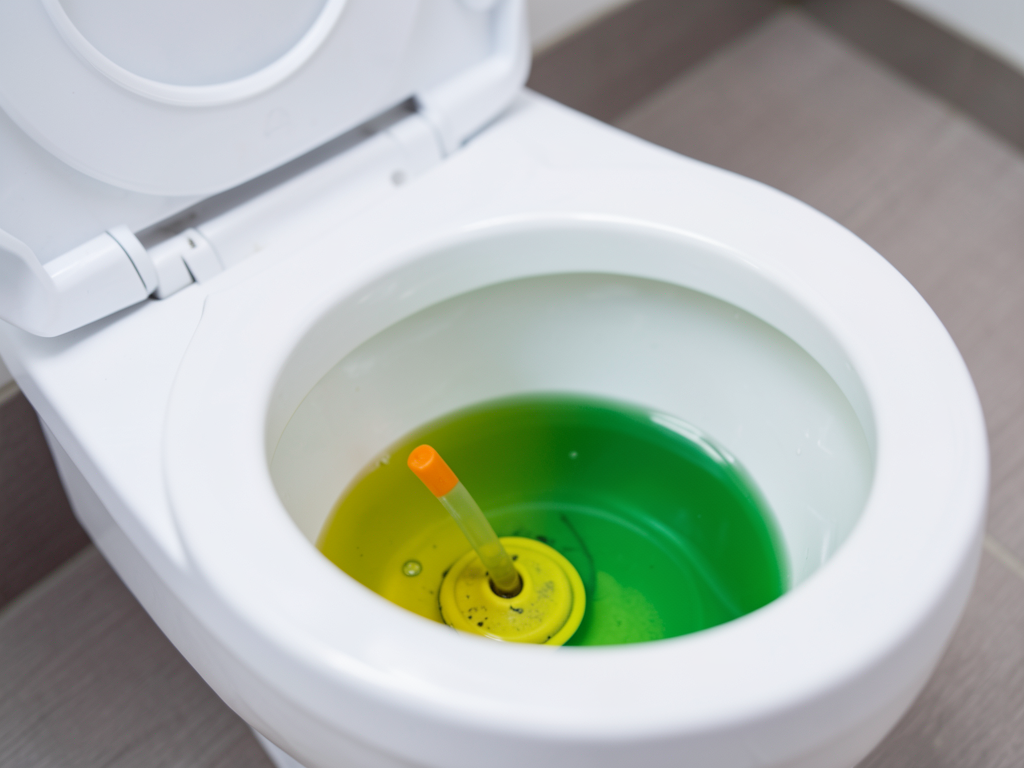
Here’s how to test for a toilet leak using the dye test:
- Remove the tank lid
Take off the toilet tank lid and set it aside carefully.
- Add food coloring
Place 10-15 drops of dark food coloring into the tank water. Wait 15-20 minutes without flushing.
- Check the bowl
If colored water appears in the toilet bowl, you have a flapper leak. The flapper needs replacement.
Flapper leaks often occur due to mineral buildup from Pittsburgh’s water supply or simply age. Most flappers last 3-5 years before needing replacement. The cost of a new flapper is about $10, but the water waste from a leaking one can cost $50-100 per month.
Underground service line leaks
Underground leaks are particularly problematic in Pittsburgh due to the region’s freeze-thaw cycles. Water in pipes expands when it freezes, creating pressure that can crack pipes. When the ice thaws, water escapes through these cracks.
Signs of underground leaks include:
- Wet spots in your yard that don’t dry out
- Areas of grass that are unusually green or grow faster
- Water pressure drops throughout the house
- Muddy water coming from taps
- Foundation cracks or settling
- You’ve done the meter test and confirmed a leak, but can’t find the source
- You notice water damage on walls or ceilings
- Your water pressure drops significantly
- You hear running water when all fixtures are off
- You suspect an underground service line leak
- Mold growth behind walls
- Structural damage to floors and ceilings
- Foundation problems from soil erosion
- Increased water heating costs
- Potential health issues from mold exposure
- Replace toilet flappers every 3-5 years as preventive maintenance
- Check supply line connections annually for tightness
- Install water pressure regulators if your pressure exceeds 80 psi
- Insulate exposed pipes to prevent freeze damage
- Consider whole-house leak detection systems for older homes
- Sudden increases without corresponding usage changes
- Higher bills during winter months when outdoor use is minimal
- Consistent increases over several months (indicating a growing leak)
- Higher than average usage per person in your household
Service line leaks are the homeowner’s responsibility from the meter to the house. In Pittsburgh, this can mean digging through clay soil, tree roots, and sometimes even old construction debris to reach the damaged pipe.
Seasonal factors affecting Pittsburgh water bills
Pittsburgh’s climate creates unique challenges for plumbing systems. Winter freeze-thaw cycles can cause pipes to expand and contract, leading to cracks. Summer humidity increases indoor water use for cooling and dehumidification.
Spring brings another challenge: heavy rainfall can overwhelm drainage systems and cause sump pumps to run continuously. If your sump pump runs more than usual, it might indicate a groundwater leak or drainage problem.
Fall is actually the best time to check for leaks. With outdoor water use decreasing, any unusual water consumption becomes more noticeable in your bill.. Read more about Are smart leak detectors actually worth the money for Pittsburgh homeowners?.
When to call a professional plumber
While many small leaks are DIY fixable, some situations require professional help. Call a plumber if:
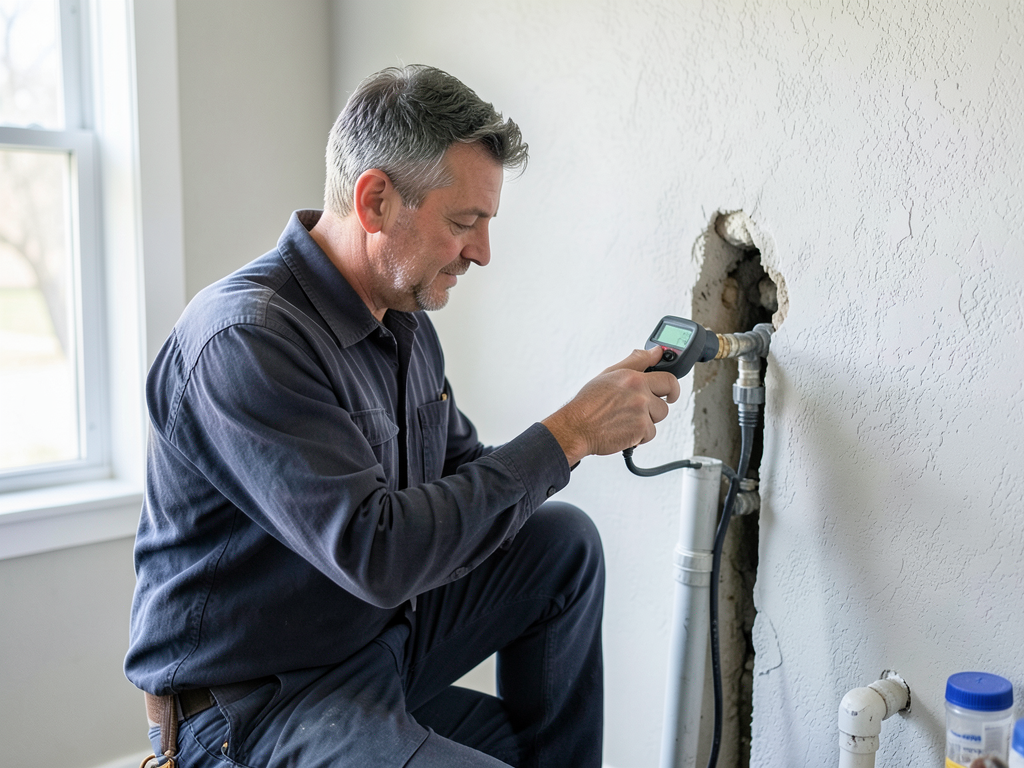
Professional plumbers use specialized equipment like acoustic leak detectors and thermal imaging cameras to find hidden leaks without destructive testing. These tools can locate a leak within a few square feet, saving you from unnecessary wall demolition. The Best Local Plumbers in Mt. Lebanon for Fast Water Heater Repair.
Pittsburgh-specific plumbing considerations
Pittsburgh’s aging infrastructure means many homes still have galvanized steel or even lead service lines. These materials corrode over time, creating weak points where leaks develop.
The Pittsburgh Water and Sewer Authority (PWSA) has been replacing lead service lines, but many homes still have the old plumbing. If your home was built before 1950, you might have lead pipes that are nearing the end of their useful life.
Another Pittsburgh-specific issue is the region’s clay soil. Clay expands when wet and contracts when dry, putting stress on underground pipes. This soil movement can cause joints to separate or pipes to crack over time. EPA WaterSense program.
Cost of ignoring hidden leaks
The financial impact of hidden leaks extends beyond your water bill. A small leak can cause:
A pinhole leak in a hot water pipe can waste 170 gallons per day. At Pittsburgh’s current water rates, that’s about $45 per month in wasted water alone. Add in the energy costs to heat that wasted water, and the total cost climbs to over $60 per month. Energy Efficient Tankless Water Heater Installation in Wexford.
Preventing future leaks
Prevention is always cheaper than repair. Here are steps to prevent hidden leaks:
Water pressure is particularly important in Pittsburgh. Many areas have high pressure due to the hilly terrain and elevation changes. Pressure over 80 psi can stress pipes and fixtures, leading to premature failure.
Understanding your water bill
Pittsburgh water bills include both water usage and sewer charges. Sewer charges are often based on water usage, so a leak affects both charges. This means a hidden leak can double the impact on your bill.
Look for these billing patterns:
The average Pittsburgh household uses about 300-400 gallons per day. If your usage exceeds 600 gallons per day without explanation, you likely have a leak.
Local resources and assistance
The Pittsburgh Water and Sewer Authority offers leak detection assistance and can help identify if the leak is on their side of the meter or yours. They also provide payment assistance programs for qualifying residents facing high bills.
For homes with lead service lines, PWSA offers replacement programs that can help prevent future leaks while also addressing health concerns. These replacements are often partially funded by the utility.
Local plumbing associations like the Plumbing-Heating-Cooling Contractors Association (PHCC) can provide referrals to licensed plumbers who specialize in leak detection and repair.
Frequently Asked Questions
How much water does a leaky toilet waste?
A leaking toilet can waste 30-200 gallons per day depending on the severity of the leak. A silent flapper leak might waste 50-100 gallons daily, while a constantly running toilet can waste over 200 gallons per day.
Can I get a credit on my water bill for a leak?
Pittsburgh Water and Sewer Authority may offer leak adjustments if you repair the leak and provide documentation. Contact them within 30 days of repair with receipts and the old and new meter readings.
How do I know if the leak is in my yard or house?
Perform the meter test with the main water valve turned off. If the meter stops moving, the leak is inside your home. If it continues moving, the leak is in the underground service line between your house and the street.
Are slab leaks common in Pittsburgh homes?
Slab leaks are less common in Pittsburgh than in southern states, but they do occur in homes with copper pipes in concrete slabs. Signs include hot spots on floors, unexplained mold growth, and the sound of running water when fixtures are off.
What’s the most common cause of high water bills?
Toilet leaks are the most common cause, followed by underground service line leaks, and dripping faucets. A single leaking toilet can waste more water than all other household leaks combined.
Take action before your next bill arrives
Hidden plumbing leaks don’t fix themselves. The longer you wait, the more money you waste and the more damage you risk. Start with the simple dye test and meter check today. If you confirm a leak or can’t find the source, call a professional plumber immediately.
Don’t let another month of wasted water drain your wallet. Call (412) 382-8366 today to schedule your leak detection service. Our experienced plumbers use advanced equipment to find and fix leaks quickly, saving you money and preventing property damage.
Pick up the phone and call (412) 382-8366 before the next storm hits. Pittsburgh’s freeze-thaw cycles won’t wait, and neither should you. Stop the waste, protect your home, and get your water bill back under control with professional leak detection from local experts who understand Pittsburgh’s unique plumbing challenges.. Read more about Things you should never put down your garbage disposal in a Wexford kitchen.
{
“@context”: “https://schema.org”,
“@type”: “BlogPosting”,
“headline”: “Hidden plumbing leaks that are driving up your Pittsburgh water bill”,
“description”: “Are hidden plumbing leaks causing your Pittsburgh water bill to spike? Learn how to detect silent toilet leaks, underground pipe damage, and more before costs spiral.”,
“wordCount”: 1861,
“datePublished”: “2026-03-20T11:07:00.000Z”,
“dateModified”: “2026-03-20T11:07:00.000Z”,
“inLanguage”: “en-US”,
“mainEntityOfPage”: {
“@type”: “WebPage”,
“@id”: “https://aceplumbingpittsburgh.com”
},
“publisher”: {
“@type”: “LocalBusiness”,
“name”: “Ace Plumbing Pittsburgh”,
“url”: “https://aceplumbingpittsburgh.com”
},
“author”: {
“@type”: “Organization”,
“name”: “Ace Plumbing Pittsburgh”,
“url”: “https://aceplumbingpittsburgh.com”
},
“image”: {
“@type”: “ImageObject”,
“url”: “https://aceplumbingpittsburgh.com/wp-content/uploads/2026/03/hidden-plumbing-leaks-that-are-driving-up-your-pit-1.png”
}
}
{
“@context”: “https://schema.org”,
“@type”: “Plumber”,
“name”: “Ace Plumbing Pittsburgh”,
“url”: “https://aceplumbingpittsburgh.com”,
“address”: {
“@type”: “PostalAddress”,
“addressLocality”: “Pittsburgh”
},
“areaServed”: {
“@type”: “City”,
“name”: “Pittsburgh”
}
}
{
“@context”: “https://schema.org”,
“@type”: “FAQPage”,
“mainEntity”: [
{
“@type”: “Question”,
“name”: “How much water does a leaky toilet waste?”,
“acceptedAnswer”: {
“@type”: “Answer”,
“text”: “A leaking toilet can waste 30-200 gallons per day depending on the severity of the leak. A silent flapper leak might waste 50-100 gallons daily, while a constantly running toilet can waste over 200 gallons per day.”
}
},
{
“@type”: “Question”,
“name”: “Can I get a credit on my water bill for a leak?”,
“acceptedAnswer”: {
“@type”: “Answer”,
“text”: “Pittsburgh Water and Sewer Authority may offer leak adjustments if you repair the leak and provide documentation. Contact them within 30 days of repair with receipts and the old and new meter readings.”
}
},
{
“@type”: “Question”,
“name”: “How do I know if the leak is in my yard or house?”,
“acceptedAnswer”: {
“@type”: “Answer”,
“text”: “Perform the meter test with the main water valve turned off. If the meter stops moving, the leak is inside your home. If it continues moving, the leak is in the underground service line between your house and the street.”
}
},
{
“@type”: “Question”,
“name”: “Are slab leaks common in Pittsburgh homes?”,
“acceptedAnswer”: {
“@type”: “Answer”,
“text”: “Slab leaks are less common in Pittsburgh than in southern states, but they do occur in homes with copper pipes in concrete slabs. Signs include hot spots on floors, unexplained mold growth, and the sound of running water when fixtures are off.”
}
},
{
“@type”: “Question”,
“name”: “What’s the most common cause of high water bills?”,
“acceptedAnswer”: {
“@type”: “Answer”,
“text”: “Toilet leaks are the most common cause, followed by underground service line leaks, and dripping faucets. A single leaking toilet can waste more water than all other household leaks combined.”
}
}
]
}
{
“@context”: “https://schema.org”,
“@type”: “HowTo”,
“name”: “How to perform a water meter test”,
“step”: [
{
“@type”: “HowToStep”,
“position”: 1,
“name”: “Locate your water meter”,
“text”: “Most Pittsburgh homes have the meter in the basement near the main water line entrance. It’s usually a small, round device with a glass face.”
},
{
“@type”: “HowToStep”,
“position”: 2,
“name”: “Turn off all water sources”,
“text”: “Make sure no one uses water for at least two hours. This includes toilets, sinks, washing machines, and outdoor spigots.”
},
{
“@type”: “HowToStep”,
“position”: 3,
“name”: “Check the meter reading”,
“text”: “Write down the numbers you see. Look for a small triangle or wheel on the meter face—this is the leak indicator.”
},
{
“@type”: “HowToStep”,
“position”: 4,
“name”: “Wait and check again”,
“text”: “After two hours, check the meter again. If the numbers changed or the leak indicator moved, you have a leak somewhere in your system.”
}
],
“image”: “https://aceplumbingpittsburgh.com/wp-content/uploads/2026/03/hidden-plumbing-leaks-that-are-driving-up-your-pit-1.png”
}
{
“@context”: “https://schema.org”,
“@type”: “BreadcrumbList”,
“itemListElement”: [
{
“@type”: “ListItem”,
“position”: 1,
“name”: “Home”,
“item”: “https://aceplumbingpittsburgh.com”
},
{
“@type”: “ListItem”,
“position”: 2,
“name”: “Blog”,
“item”: “https://aceplumbingpittsburgh.com/blog”
},
{
“@type”: “ListItem”,
“position”: 3,
“name”: “Hidden plumbing leaks that are driving up your Pittsburgh water bill”
}
]
}
{
“@context”: “https://schema.org”,
“@type”: “Service”,
“serviceType”: “Plumbing”,
“provider”: {
“@type”: “LocalBusiness”,
“name”: “Ace Plumbing Pittsburgh”,
“url”: “https://aceplumbingpittsburgh.com”
},
“areaServed”: {
“@type”: “City”,
“name”: “Pittsburgh”
},
“description”: “Are hidden plumbing leaks causing your Pittsburgh water bill to spike? Learn how to detect silent toilet leaks, underground pipe damage, and more before costs spiral.”
}