What to do with the old Pittsburgh Potty in your Troy Hill basement
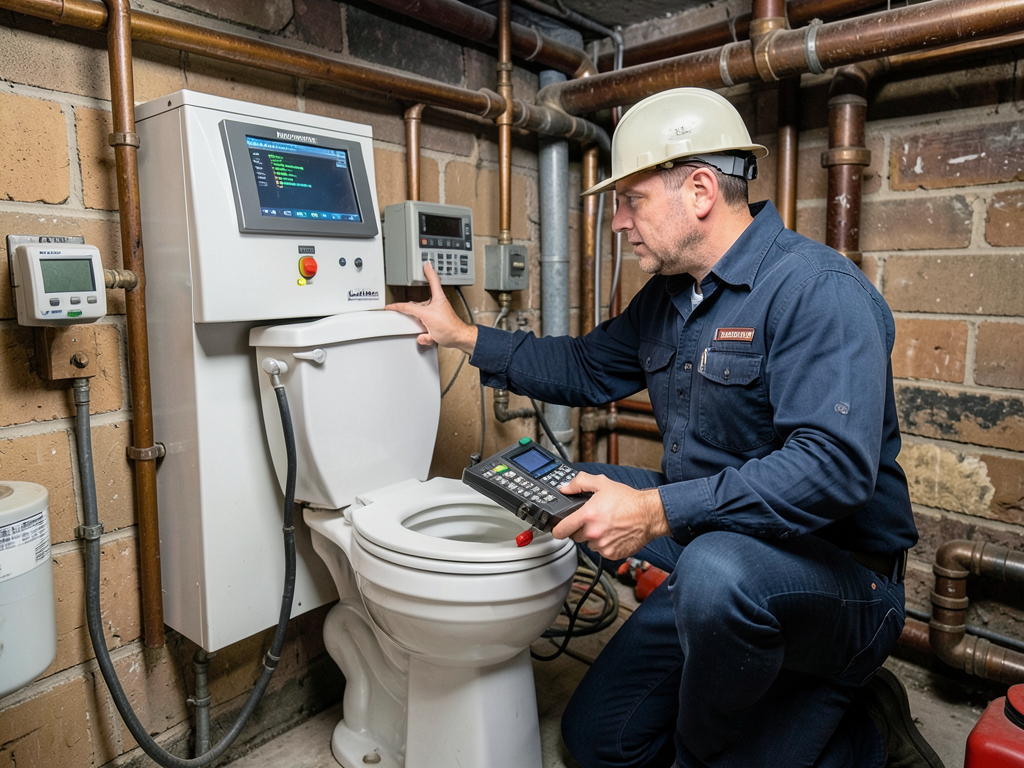
The Pittsburgh Potty sits in your Troy Hill basement like a relic from another era. This standalone toilet without a sink or walls has puzzled new homeowners for generations. The fixture represents Pittsburgh’s unique industrial heritage but presents modern plumbing challenges that require specific expertise. Pittsburgh Water and Sewer Authority.
Troy Hill’s pre-1950s homes often feature these basement toilets built during Pittsburgh’s steel boom. Understanding what you’re dealing with helps you make informed decisions about repair, removal, or modernization while maintaining your home’s character and meeting current building codes. Dealing With Old Pipe Problems in Historic Shadyside Homes.
The History of the Pittsburgh Potty
The Pittsburgh Potty emerged from two competing theories about Pittsburgh’s industrial past. The first suggests mill workers used these basement toilets to avoid tracking soot through their homes after grueling shifts at nearby steel mills. The second and more widely accepted theory relates to Pittsburgh’s combined sewer system. Pittsburgh Backflow Testing and Certification for Local Business Owners.
Older Pittsburgh neighborhoods like Troy Hill used combined sewers where stormwater and sewage traveled through the same pipes. During heavy rains, these systems backed up into basements through floor drains and toilets. The Pittsburgh Potty served as a sacrificial fixture. When the system backed up, sewage would overflow from the open toilet rather than backing up through sinks and bathtubs upstairs.. Read more about Getting Your Sewer Dye Test Done Quickly for a Penn Hills Home Sale.
Today’s Troy Hill homes still face these combined sewer challenges. The Pittsburgh Water and Sewer Authority continues managing overflow issues in older neighborhoods. Understanding this history helps explain why these fixtures exist and how to address them properly.
Common Plumbing Issues with Basement Toilets
Old Pittsburgh Potties in Troy Hill basements suffer from specific problems tied to their age and construction. Cast iron soil pipes from the 1920s-1940s era corrode from the inside out. You cannot see this deterioration, but it causes recurring clogs and leaks.
Lead bends connecting the toilet to the main stack often fail. These lead joints were common in early 20th-century plumbing but become brittle over decades. A failed lead bend allows sewer gas to escape into your basement, creating health hazards and unpleasant odors. Emergency 24 Hour Plumbing Services in the Bloomfield Area.
Venting issues plague many basement installations. The original plumber may have tied the basement toilet into an existing vent stack improperly. This creates gurgling sounds, slow flushing, and potential trap siphonage where water gets sucked out of the P-trap, allowing sewer gases to enter your home.
Floor drains near Pittsburgh Potties often lack proper P-traps or backwater valves. During heavy rains, Troy Hill’s hilly terrain can cause water to flow toward your foundation. Without proper protection, this water enters through the floor drain, creating flooding issues.
Diagnostic Tip: Listen for gurgling sounds when upstairs fixtures drain. This indicates improper venting. Smell for sewer odors near the toilet. This suggests failed lead bends or dry traps. Check for moisture around the base. This points to failed wax rings or cracked porcelain.
Modernizing Your Basement Bathroom
Converting your Pittsburgh Potty into a functional basement bathroom requires understanding your options and local requirements. The Allegheny County Health Department Plumbing Division enforces specific codes for basement bathroom installations. Allegheny County Health Department Plumbing Division.
Enclosure represents the most common modernization approach. Building walls around the toilet creates a defined bathroom space. However, you must maintain proper ventilation and lighting per code. A window or mechanical ventilation system becomes mandatory for enclosed spaces.
Adding a sink transforms the space from a basic toilet to a 3/4 bath. Traditional plumbing requires breaking concrete to install drain and supply lines. This process costs more but provides reliable long-term performance. Saniflo upflush systems offer alternatives when traditional plumbing proves impractical.
Saniflo systems pump waste upward to existing drain lines, eliminating the need for below-floor drainage. These macerating toilets grind waste and pump it through small-diameter pipes. They work well in Troy Hill’s older homes where breaking concrete would disturb original hardwood floors above.
Floor drain installation prevents flooding during heavy rains. Modern backwater valves prevent sewage from backing up into your home during combined sewer overflows. These valves close automatically when water tries to flow backward, protecting your finished space.
Cost Consideration: Traditional basement bathroom plumbing typically costs $8,000-15,000 depending on concrete work required. Saniflo systems range from $3,000-7,000 but may have higher maintenance costs over time.
Allegheny County Plumbing Codes & Compliance
Upgrading a Pittsburgh Potty requires permits from the Allegheny County Health Department. Section 305 of the Pennsylvania Uniform Construction Code mandates permits for all plumbing modifications affecting drainage or venting systems.
Minimum code requirements include:
- Proper P-traps on all fixtures with water seals at least 2 inches deep
- Adequate venting to prevent trap siphonage and allow proper drainage
- Floor drains in basement bathrooms with backwater prevention valves
- Emergency floor drains in case of water heater leaks or other failures
- Proper lighting and ventilation meeting International Residential Code standards
Backflow prevention becomes critical in Troy Hill’s combined sewer areas. The Allegheny County Health Department requires reduced pressure zone (RPZ) devices on certain plumbing modifications. These prevent contaminated water from flowing back into your clean water supply during pressure drops.
Lead paint and asbestos often accompany old plumbing work in pre-1978 homes. Testing becomes mandatory before disturbing walls or pipes. Licensed abatement contractors must handle any hazardous materials discovered during renovation.
Code Compliance Tip: Always pull permits even for seemingly minor bathroom upgrades. Unpermitted work creates liability issues when selling your home and may void insurance coverage if problems arise.
Why Choose a Local Pittsburgh Plumber?
Troy Hill’s unique combination of hilly terrain, combined sewers, and historic architecture requires plumbers who understand local conditions. Generic plumbing advice from national sites often fails to address Pittsburgh-specific challenges. The Best Local Plumbers in Mt. Lebanon for Fast Water Heater Repair.
Local plumbers know Troy Hill’s soil composition affects foundation drainage. The area’s heavy clay soil retains water, increasing hydrostatic pressure against basement walls. This pressure can force water through floor cracks or around pipe penetrations.
Understanding Troy Hill’s elevation changes helps proper drainage design. Homes on lower sections near the Allegheny River face different flooding risks than those on higher ground near Spring Garden Run. Local knowledge prevents costly mistakes in system design.
Building relationships with local inspectors speeds permit approval. Pittsburgh-area plumbing inspectors understand common issues in Troy Hill homes and can provide valuable guidance during the planning phase. This relationship often prevents costly rework later.
Emergency response matters when plumbing fails. Local plumbers can reach Troy Hill homes within 30-45 minutes, while out-of-area contractors may take hours. Quick response prevents water damage from escalating into major repairs.
Call (412) 382-8366 today to schedule your Pittsburgh Potty inspection. Our Troy Hill specialists understand the unique challenges of your historic home and can recommend code-compliant solutions that preserve your property’s character.
Cost-Benefit Analysis: Repair vs. Remove vs. Modernize
Deciding what to do with your Pittsburgh Potty requires weighing several factors. Each option carries different costs, benefits, and potential complications.
Repairing the existing fixture often proves most economical initially. Replacing the wax ring, fixing lead bends, and ensuring proper venting can restore functionality for $500-1,500. However, this addresses symptoms rather than underlying issues in aging systems.
Removal eliminates the fixture but creates new challenges. Breaking the concrete connection to the main stack requires permits and professional handling. The abandoned pipe must be properly capped to prevent sewer gas infiltration. Removal costs typically range from $1,500-3,000 plus repair of the concrete floor.
Modernization offers the best long-term value for many homeowners. Converting the space into a functional bathroom adds home value and eliminates ongoing maintenance issues. The investment typically returns 60-80% of costs through increased property value and improved livability.
Consider your plans for the space. If you intend to finish the basement, modernization becomes almost mandatory. Building walls around an old Pittsburgh Potty without proper drainage and ventilation creates future problems.
Decision Framework: Repair if budget constraints exist and you plan minimal basement use. Remove if you need the space for storage and don’t require bathroom facilities. Modernize if you plan to finish the basement or want to maximize home value.
Health and Safety Considerations
Open basement toilets present specific health risks that many homeowners overlook. Sewer gas contains hydrogen sulfide, methane, and other toxic compounds. These gases cause headaches, nausea, and respiratory issues with prolonged exposure.
Proper P-traps prevent sewer gas entry, but old Pittsburgh Potties often have compromised traps. The water seal in P-traps evaporates over time, especially in unused fixtures. This creates direct pathways for sewer gases into your living space.
Mold growth around old plumbing fixtures indicates moisture problems. The combination of condensation on cold pipes and poor ventilation creates ideal mold conditions. Black mold around toilets and drains signals ventilation or drainage issues requiring immediate attention.
Radon gas enters homes through foundation cracks and around pipe penetrations. Old Pittsburgh Potties often have gaps around their bases where radon can enter. Testing becomes important when dealing with basement plumbing modifications.
Lead contamination in older plumbing systems affects water quality. While the toilet itself doesn’t supply drinking water, lead from corroded pipes can affect overall home water quality. Testing helps identify if replacement becomes necessary for health reasons.
Safety Priority: Never ignore sewer gas odors or visible mold growth. These indicate active problems requiring professional assessment. The cost of inspection pales compared to potential health impacts and property damage.
Resale Value Impact
Buyers view Pittsburgh Potties differently depending on their condition and the home’s overall presentation. Well-maintained fixtures in clean basements appeal to buyers who appreciate Pittsburgh’s industrial heritage. Neglected fixtures raise concerns about overall home maintenance.
Modernized basement bathrooms typically increase home value more than simple repairs. Buyers pay premiums for finished basement spaces with proper bathroom facilities. The return on investment often exceeds the initial modernization cost.
Disclosure requirements affect resale. Pennsylvania law requires disclosure of known plumbing issues. Undisclosed problems discovered during inspections can kill sales or lead to legal complications. Transparent handling of Pittsburgh Potty issues builds buyer trust.
Neighborhood context influences buyer expectations. Troy Hill’s historic character means many buyers expect some original features. Completely removing period-appropriate fixtures might disappoint buyers seeking authentic Pittsburgh homes.
Marketing strategy matters when selling homes with Pittsburgh Potties. Emphasize the fixture’s historical significance and any modernization efforts. Frame the bathroom as a unique feature rather than an outdated oddity.
Resale Tip: Document all plumbing work with permits and receipts. This documentation proves professional handling of potential issues and can justify asking prices to skeptical buyers.
Maintenance Tips for Existing Fixtures
If you choose to keep your Pittsburgh Potty, proper maintenance prevents common problems. Regular inspection catches issues before they become major repairs.
Check the wax ring seal annually. Signs of failure include water around the base, rocking toilet, or sewer odors. Replacing a wax ring costs under $100 in materials but prevents water damage to your basement floor.
Pour water into floor drains monthly. This maintains the P-trap water seal that blocks sewer gases. Add mineral oil to the water to slow evaporation in rarely used drains.
Inspect visible pipes for corrosion or leaks. Look for green deposits on copper pipes or rust on steel pipes. These indicate active corrosion requiring attention before catastrophic failure occurs.
Clean aerators on any basement sink fixtures. Troy Hill’s older water mains can deposit sediment that clogs small openings. Regular cleaning maintains proper water flow and pressure.
Test backflow prevention devices annually if installed. These devices protect your home during combined sewer overflows but can fail without regular testing. Many manufacturers recommend professional testing every 12 months.
Maintenance Schedule: Monthly – floor drain water seals; Quarterly – visible pipe inspection; Annually – backflow testing; As needed – wax ring replacement.
Environmental Considerations
Old plumbing fixtures impact water usage and environmental footprint. Modern toilets use 1.28 gallons per flush compared to 3-5 gallons for older models. This 60-75% reduction saves thousands of gallons annually.
Water conservation becomes important in Troy Hill’s older homes. The Pittsburgh Water and Sewer Authority encourages water-efficient fixtures through various programs. Some older homes qualify for rebates when upgrading to water-saving toilets. Energy Efficient Tankless Water Heater Installation in Wexford.
Greywater systems offer alternatives for basement bathrooms. These systems capture sink water for toilet flushing, reducing overall water consumption. However, local codes restrict greywater use, so professional consultation becomes necessary before installation.
Energy efficiency affects basement bathrooms indirectly. Poor insulation around plumbing fixtures increases heating costs. Proper insulation around pipes prevents freezing while reducing heat loss from hot water lines.
Material selection impacts environmental footprint. Cast iron pipes last 50-100 years versus 20-30 years for some plastic alternatives. While initial costs may be higher, longer-lasting materials reduce replacement frequency and landfill waste.
Environmental Priority: Consider water-efficient fixtures even if keeping the original toilet. Simple aerator replacements can reduce water usage without major renovations.
Frequently Asked Questions
Is a Pittsburgh Potty legal in my basement?
Yes, Pittsburgh Potties are legal if properly installed and maintained. However, any modifications require permits from the Allegheny County Health Department. Open toilets must meet ventilation and drainage requirements per the International Residential Code.
How much does it cost to remove a Pittsburgh Potty?
Removal typically costs $1,500-3,000 depending on the complexity of disconnecting the plumbing and repairing the concrete floor. This includes proper capping of the sewer line to prevent gas infiltration and obtaining necessary permits.
Can I convert my Pittsburgh Potty into a full bathroom?
Yes, conversion to a full bathroom is possible but requires breaking concrete for proper drainage and venting. The project typically costs $8,000-15,000 and requires permits. Saniflo systems offer alternatives when traditional plumbing proves impractical.
Why does my Pittsburgh Potty smell like sewer gas?
Sewer gas odors indicate failed P-traps, dry floor drains, or compromised lead bends. The water seal in P-traps evaporates over time, especially in unused fixtures. This creates direct pathways for toxic gases to enter your home and requires immediate professional attention.
Do I need a permit to upgrade my Pittsburgh Potty?
Yes, the Allegheny County Health Department requires permits for all plumbing modifications affecting drainage or venting systems. This includes adding sinks, installing new toilets, or modifying existing drainage. Unpermitted work can cause insurance and resale issues.
Making Your Decision
The Pittsburgh Potty in your Troy Hill basement represents both a historical artifact and a modern plumbing challenge. Your decision should balance historical appreciation, practical needs, budget constraints, and future plans for your home.
Consider your timeline. If you plan to stay in your home for many years, modernization often provides the best long-term value. If you’re preparing to sell soon, simple repairs or professional cleaning might suffice.
Evaluate your basement usage plans. Finished basements require proper bathroom facilities with adequate drainage and ventilation. Unfinished storage spaces might function adequately with basic repairs to existing fixtures.
Factor in Troy Hill’s specific challenges. The neighborhood’s combined sewer system, hilly terrain, and historic architecture create unique plumbing considerations that generic advice cannot address. Local expertise becomes invaluable for proper planning and execution.
Remember that professional assessment prevents costly mistakes. A qualified Troy Hill plumber can identify issues invisible to untrained eyes and recommend solutions tailored to your specific situation and budget.
Ready to solve your Pittsburgh Potty dilemma? Call (412) 382-8366 today for a professional inspection and personalized recommendations. Our Troy Hill specialists understand the unique challenges of your historic home and can help you make the right decision for your family and your future.
Don’t let an old basement toilet become a source of frustration or health concerns. Whether you need simple repairs, complete removal, or full modernization, professional guidance ensures the job gets done right the first time while preserving the character that makes Troy Hill homes special.
You may also find this helpful. Why a battery backup is the only way to save your Millvale basement during a power outage.
{
“@context”: “https://schema.org”,
“@type”: “BlogPosting”,
“headline”: “What to do with the old Pittsburgh Potty in your Troy Hill basement”,
“description”: “Expert Troy Hill plumber explains the history, repair, and modernization of Pittsburgh Potty basement toilets. Get code-compliant solutions for your historic home.”,
“wordCount”: 2635,
“datePublished”: “2026-03-24T11:36:00.000Z”,
“dateModified”: “2026-03-24T11:36:00.000Z”,
“inLanguage”: “en-US”,
“mainEntityOfPage”: {
“@type”: “WebPage”,
“@id”: “https://aceplumbingpittsburgh.com”
},
“publisher”: {
“@type”: “LocalBusiness”,
“name”: “Ace Plumbing Pittsburgh”,
“url”: “https://aceplumbingpittsburgh.com”
},
“author”: {
“@type”: “Organization”,
“name”: “Ace Plumbing Pittsburgh”,
“url”: “https://aceplumbingpittsburgh.com”
},
“image”: {
“@type”: “ImageObject”,
“url”: “https://aceplumbingpittsburgh.com/wp-content/uploads/2026/03/what-to-do-with-the-old-pittsburgh-potty-in-your-t-1.png”
}
}
{
“@context”: “https://schema.org”,
“@type”: “Plumber”,
“name”: “Ace Plumbing Pittsburgh”,
“url”: “https://aceplumbingpittsburgh.com”,
“address”: {
“@type”: “PostalAddress”,
“addressLocality”: “Pittsburgh”
},
“areaServed”: {
“@type”: “City”,
“name”: “Pittsburgh”
}
}
{
“@context”: “https://schema.org”,
“@type”: “FAQPage”,
“mainEntity”: [
{
“@type”: “Question”,
“name”: “Why Choose a Local Pittsburgh Plumber?”,
“acceptedAnswer”: {
“@type”: “Answer”,
“text”: “Troy Hill’s unique combination of hilly terrain, combined sewers, and historic architecture requires plumbers who understand local conditions. Generic plumbing advice from national sites often fails to address Pittsburgh-specific challenges. The Best Local Plumbers in Mt. Lebanon for Fast Water Heater Repair.”
}
},
{
“@type”: “Question”,
“name”: “Is a Pittsburgh Potty legal in my basement?”,
“acceptedAnswer”: {
“@type”: “Answer”,
“text”: “Yes, Pittsburgh Potties are legal if properly installed and maintained. However, any modifications require permits from the Allegheny County Health Department. Open toilets must meet ventilation and drainage requirements per the International Residential Code.”
}
},
{
“@type”: “Question”,
“name”: “How much does it cost to remove a Pittsburgh Potty?”,
“acceptedAnswer”: {
“@type”: “Answer”,
“text”: “Removal typically costs $1,500-3,000 depending on the complexity of disconnecting the plumbing and repairing the concrete floor. This includes proper capping of the sewer line to prevent gas infiltration and obtaining necessary permits.”
}
},
{
“@type”: “Question”,
“name”: “Can I convert my Pittsburgh Potty into a full bathroom?”,
“acceptedAnswer”: {
“@type”: “Answer”,
“text”: “Yes, conversion to a full bathroom is possible but requires breaking concrete for proper drainage and venting. The project typically costs $8,000-15,000 and requires permits. Saniflo systems offer alternatives when traditional plumbing proves impractical.”
}
},
{
“@type”: “Question”,
“name”: “Why does my Pittsburgh Potty smell like sewer gas?”,
“acceptedAnswer”: {
“@type”: “Answer”,
“text”: “Sewer gas odors indicate failed P-traps, dry floor drains, or compromised lead bends. The water seal in P-traps evaporates over time, especially in unused fixtures. This creates direct pathways for toxic gases to enter your home and requires immediate professional attention.”
}
},
{
“@type”: “Question”,
“name”: “Do I need a permit to upgrade my Pittsburgh Potty?”,
“acceptedAnswer”: {
“@type”: “Answer”,
“text”: “Yes, the Allegheny County Health Department requires permits for all plumbing modifications affecting drainage or venting systems. This includes adding sinks, installing new toilets, or modifying existing drainage. Unpermitted work can cause insurance and resale issues.”
}
}
]
}
{
“@context”: “https://schema.org”,
“@type”: “BreadcrumbList”,
“itemListElement”: [
{
“@type”: “ListItem”,
“position”: 1,
“name”: “Home”,
“item”: “https://aceplumbingpittsburgh.com”
},
{
“@type”: “ListItem”,
“position”: 2,
“name”: “Blog”,
“item”: “https://aceplumbingpittsburgh.com/blog”
},
{
“@type”: “ListItem”,
“position”: 3,
“name”: “What to do with the old Pittsburgh Potty in your Troy Hill basement”
}
]
}
{
“@context”: “https://schema.org”,
“@type”: “Service”,
“serviceType”: “Plumbing”,
“provider”: {
“@type”: “LocalBusiness”,
“name”: “Ace Plumbing Pittsburgh”,
“url”: “https://aceplumbingpittsburgh.com”
},
“areaServed”: {
“@type”: “City”,
“name”: “Pittsburgh”
},
“description”: “Expert Troy Hill plumber explains the history, repair, and modernization of Pittsburgh Potty basement toilets. Get code-compliant solutions for your historic home.”
}