Picture this: you’re running errands on a Saturday afternoon and return home to find your Bethel Park laundry room transformed into a small indoor lake. A burst washing machine hose can release up to 650 gallons of water per hour, turning a simple appliance failure into a thousand-dollar disaster in minutes. No Hot Water Diagnosis.
Your washing machine’s rubber hoses sit under constant pressure, expanding and contracting with every wash cycle. In Bethel Park’s older homes, many of which were built between 1950 and 1980, these hoses often go unchanged for decades. The combination of Pittsburgh’s hard water, which contains high mineral content that accelerates rubber degradation, and the city’s aging infrastructure creates a perfect storm for plumbing failures. Emergency 24 Hour Plumbing Services in the Bloomfield Area.
Water pressure in the South Hills area can spike to 80-90 PSI during peak demand times, well above the recommended 40-60 PSI for home plumbing. These pressure surges stress your washing machine hoses thousands of times over their lifespan, causing microscopic cracks that eventually lead to catastrophic failure.
Don’t wait for disaster to strike. Understanding the warning signs and taking preventive action can save you thousands in water damage repairs and protect your home’s structural integrity. EPA WaterSense guidelines for washing machines.
Warning Signs: How to Spot a Failing Hose

Before a washing machine hose bursts completely, it sends clear warning signals. Learning to recognize these signs can help you replace a failing hose before it floods your home.
Visual inspection is your first line of defense. Look for these red flags during your monthly laundry room check:
- Bulging sections – When rubber hoses develop weak spots, they balloon outward under pressure
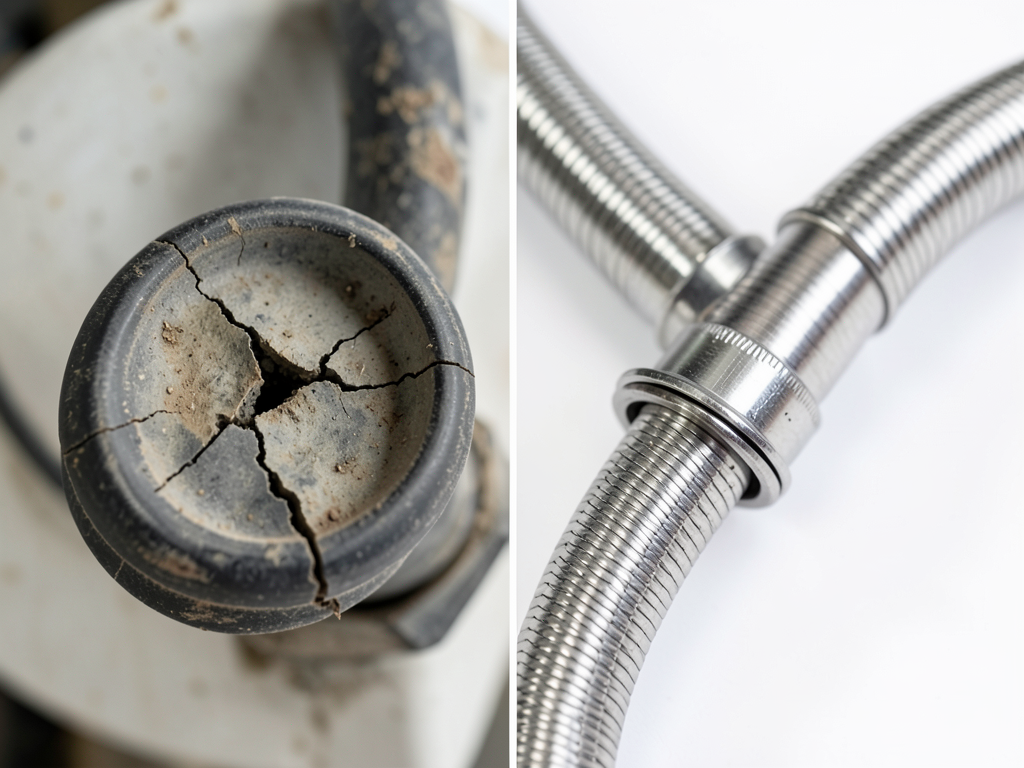
- Cracks or splits – Small surface cracks grow larger with each wash cycle
- Blisters – Raised areas indicate internal separation of hose layers
- Rust or corrosion – Metal fittings that show rust suggest moisture is already escaping
- Dampness – Any moisture around hose connections points to slow leaks
Listen for unusual sounds too. A failing hose may produce a high-pitched squeal when the washing machine fills, or you might hear a faint hissing sound even when the machine isn’t running. These noises indicate water is escaping under pressure.
Feel the hoses when the machine is off. Healthy hoses feel firm but slightly flexible. Hoses that feel soft, mushy, or have developed a crunchy texture from mineral deposits are nearing the end of their service life.
Material Matters: Rubber vs. Braided Stainless Steel
Choosing the right replacement hose can mean the difference between years of reliable service and another premature failure. Here’s how the two main options compare:
| Feature | Standard Rubber Hose | Braided Stainless Steel |
|---|---|---|
| Average Lifespan | 3-5 years | 10-15 years |
| Burst Pressure Rating | 150-200 PSI | 1,500+ PSI |
| Cost per Hose | $5-10 | $20-40 |
| Resistance to Minerals | Poor – degrades quickly | Excellent – corrosion resistant |
| Flexibility | Very flexible | Less flexible, more rigid |
Standard rubber hoses are the original equipment on most washing machines. They’re inexpensive and flexible, making installation easy. However, they’re vulnerable to Pittsburgh’s hard water, which contains calcium and magnesium that break down rubber over time. The average rubber hose in this area lasts only 3-4 years before showing signs of failure. Pittsburgh Backflow Testing and Certification for Local Business Owners.
Braided stainless steel hoses feature a rubber interior wrapped in a protective stainless steel mesh. This construction provides superior burst resistance and protection against mineral buildup. The steel braiding prevents the expansion that leads to bulging and eventual rupture in rubber hoses.
For Bethel Park homes, braided stainless steel represents the smarter investment. While they cost more upfront, they typically last three times longer than rubber hoses and provide peace of mind against sudden flooding.
The ‘Pittsburgh Factor’: Hard Water and Pressure Spikes
Bethel Park’s location in the South Hills means your home likely experiences unique plumbing challenges that affect washing machine hose longevity. Understanding these local factors helps you make better prevention decisions. The Best Local Plumbers in Mt. Lebanon for Fast Water Heater Repair.
Allegheny County’s water supply contains high mineral content, particularly calcium and magnesium. These minerals deposit on the inside of rubber hoses, creating rough surfaces that accelerate wear. Over time, mineral buildup reduces hose diameter, increasing water velocity and pressure within the hose itself.
Older neighborhoods in Bethel Park often have cast iron water mains installed in the 1960s and 1970s. These aging pipes are prone to sudden pressure changes when valves open and close in the municipal system. A pressure spike that might go unnoticed in newer plumbing can be enough to burst a weakened rubber hose.
The hilly terrain of Bethel Park creates another challenge. Homes on higher ground experience pressure variations as water is pumped uphill to maintain consistent flow. When demand drops suddenly, pressure can spike in your home’s plumbing system, stressing every connection.
According to the Pennsylvania Uniform Construction Code, homes should maintain water pressure between 40-80 PSI. However, many Bethel Park homes experience spikes above 90 PSI during peak usage times. Installing a water pressure regulator can protect your entire plumbing system, including washing machine hoses.
Step-by-Step Prevention Checklist
Preventing a washing machine hose burst requires regular maintenance and smart upgrades. Follow this comprehensive checklist to protect your Bethel Park home:
- Monthly Visual Inspection
Check all four washing machine connections (two hoses, hot and cold) for signs of wear, bulging, or moisture. Look behind the machine where most failures occur.
- Annual Pressure Test
Use a water pressure gauge (available at hardware stores) to test your home’s water pressure. If readings exceed 60 PSI, install a pressure-reducing valve.
- Five-Year Replacement Rule
Replace all washing machine hoses every five years regardless of appearance. Set calendar reminders to avoid forgetting this crucial maintenance.
- Proper Installation Clearance
Ensure at least four inches of space between the washing machine and wall. This prevents kinking and allows air circulation to reduce moisture buildup.
- Upgrade to Braided Stainless Steel
Replace rubber hoses with stainless steel braided versions for superior burst resistance and longer service life.
- Install Shut-Off Valves
Add quarter-turn ball valves at both hot and cold connections for quick emergency shut-off if you notice a leak.
- Consider Flood Sensors
Place water sensors under the washing machine that can alert you to leaks before major damage occurs.
Professional installation makes a significant difference in hose longevity. A licensed plumber ensures proper torque on connections, uses thread seal tape correctly, and verifies that hoses aren’t kinked or twisted during installation.
Many Bethel Park homeowners don’t realize that washing machine manufacturers recommend professional installation for warranty coverage. DIY installation often leads to over-tightened connections that stress hose fittings or under-tightened connections that allow slow leaks.
Advanced Protection: Automatic Leak Detection Systems
For ultimate peace of mind, consider installing an automatic leak detection and shut-off system. These devices represent the cutting edge of home water damage prevention.
Smart water sensors placed near your washing machine can detect the first signs of a leak. When moisture is detected, these sensors send alerts to your smartphone via WiFi. More advanced systems can automatically shut off the water supply to prevent flooding.
Whole-home automatic shut-off valves integrate with your main water line and can detect abnormal water flow patterns that indicate a burst hose or other plumbing failure. These systems typically cost $500-1,000 installed but can prevent tens of thousands in potential damage.
Some insurance companies now offer premium discounts for homes with certified leak detection systems. Check with your Pennsylvania homeowners insurance provider about potential savings that could offset the installation cost.
Local plumbers in Bethel Park report that homes with automatic shut-off systems experience 90% less water damage from appliance failures. The technology has matured to the point where false alarms are rare, and response times are measured in seconds rather than hours.
When to Call a Professional Plumber
While replacing washing machine hoses seems straightforward, certain situations require professional expertise. Knowing when to call a plumber can prevent bigger problems. Dealing With Old Pipe Problems in Historic Shadyside Homes.
Call a professional if you notice:
- Corroded or stuck shut-off valves that won’t turn
- Leaks at the wall connection that persist after hose replacement
- Water hammer sounds when the washing machine fills or drains
- Low water pressure to the washing machine indicating supply line issues
- Evidence of previous water damage around the laundry area
A licensed plumber brings specialized tools and expertise. They can test water pressure accurately, identify hidden supply line issues, and ensure all connections meet current plumbing codes. In Bethel Park, local plumbers understand the specific challenges posed by the area’s water quality and pressure patterns.
Professional installation typically includes a warranty on both parts and labor. This protection is valuable because a failed DIY installation can cause exactly the flooding you’re trying to prevent.
Insurance Implications and Documentation
Water damage from burst washing machine hoses is one of the most common homeowners insurance claims in Pennsylvania. Understanding how your insurance company views prevention efforts can guide your maintenance decisions.
Most Pennsylvania homeowners policies cover sudden and accidental water damage, but they may exclude damage from lack of maintenance. If you’ve neglected to replace aging hoses, your claim could be denied or reduced.
Document your preventive maintenance efforts. Keep receipts for hose replacements, pressure gauge readings, and any professional inspections. This documentation demonstrates due diligence if you ever need to file a claim.
Some insurance companies now offer premium discounts for homes with specific water damage prevention measures. Installing braided stainless steel hoses, pressure regulators, and leak detection systems may qualify you for savings of 5-15% on your annual premium.
When filing a claim for water damage, your insurer will likely ask about the age and condition of your washing machine hoses. Having documentation of recent replacements can expedite claim processing and increase the likelihood of full coverage.
Cost Comparison: Prevention vs. Disaster Recovery
Understanding the financial impact of prevention versus recovery helps justify preventive investments. Here’s what you’re really facing:
| Scenario | Initial Cost | Total Potential Cost |
|---|---|---|
| Preventative Maintenance | $100-300 | $100-300 |
| Single Hose Burst | $0 | $3,000-8,000 |
| Major Laundry Room Flood | $0 | $8,000-15,000 |
| Insurance Claim with Deductible | $0 | $1,000-2,000 (plus premium increases) |
The numbers tell a clear story. Spending $200-300 every five years on hose replacement and pressure testing is far less expensive than the thousands you could face from water damage restoration, mold remediation, and flooring replacement.
Beyond the direct costs, consider the inconvenience and stress of dealing with water damage. A burst hose while you’re away can destroy irreplaceable items, damage family photos, and create health hazards from mold growth.
Bethel Park’s humid summers create ideal conditions for mold growth following water damage. Mold can begin colonizing damp materials within 24-48 hours, turning a simple plumbing failure into a serious health concern requiring professional remediation.
Local Resources and Professional Services
Bethel Park residents have access to several local resources for washing machine hose inspection and replacement. The Allegheny County Health Department provides guidelines for residential plumbing maintenance, and local hardware stores stock the supplies you’ll need for DIY replacement.
However, for comprehensive protection, consider scheduling a professional plumbing inspection. Local plumbers understand Bethel Park’s specific challenges, from water pressure variations to the age and condition of neighborhood plumbing infrastructure.
During a professional inspection, plumbers can identify issues you might miss, such as deteriorating supply lines, improper venting, or code violations that could affect your home’s safety and insurance coverage.
Professional services typically include pressure testing, hose inspection, valve operation verification, and recommendations for upgrades based on your home’s specific needs. Many local companies offer maintenance plans that include annual plumbing inspections at discounted rates.
Don’t wait until you’re standing in a flooded laundry room. Take action today to protect your Bethel Park home from the costly damage a burst washing machine hose can cause.
Frequently Asked Questions
How often should I replace my washing machine hoses?
Replace washing machine hoses every five years regardless of appearance. Rubber hoses degrade from the inside out, so visible condition doesn’t always indicate remaining lifespan. Set calendar reminders to ensure timely replacement.
Can I install washing machine hoses myself?
DIY installation is possible but requires proper technique. Over-tightening connections can damage fittings, while under-tightening leads to leaks. If you’re unsure, professional installation ensures proper torque and includes a warranty on the work performed.
What’s the best type of washing machine hose for Bethel Park homes?
Braided stainless steel hoses offer the best protection for Bethel Park homes. They resist Pittsburgh’s hard water mineral buildup and provide superior burst pressure resistance compared to standard rubber hoses. The initial higher cost pays off through longer lifespan and better protection.
How can I test my home’s water pressure?
Purchase an inexpensive water pressure gauge from a hardware store and attach it to an outdoor spigot or washing machine connection. Ideal pressure is 40-60 PSI. Readings above 80 PSI indicate you need a pressure-reducing valve to protect your plumbing system.
Call (412) 382-8366 today to schedule your washing machine hose inspection and protect your Bethel Park home from costly water damage. Our licensed plumbers understand the unique challenges of Pittsburgh-area homes and can recommend the best prevention solutions for your specific situation.
Don’t wait for disaster to strike. Pick up the phone and call (412) 382-8366 before the next wash cycle starts. Your home’s protection is just one call away. For more information, visit IICRC water damage restoration standards.
You may also find this helpful. Adding a Utility Sink to Your Bridgeville Garage or Laundry Room.
{
“@context”: “https://schema.org”,
“@type”: “BlogPosting”,
“headline”: “How a burst washing machine hose can ruin your Bethel Park laundry room in minutes”,
“description”: “Bethel Park homeowners: Learn how a burst washing machine hose can flood your laundry room in minutes and what you can do to prevent costly water damage.”,
“wordCount”: 2233,
“datePublished”: “2026-04-05T12:14:00.000Z”,
“dateModified”: “2026-04-05T12:14:00.000Z”,
“inLanguage”: “en-US”,
“mainEntityOfPage”: {
“@type”: “WebPage”,
“@id”: “https://aceplumbingpittsburgh.com”
},
“publisher”: {
“@type”: “LocalBusiness”,
“name”: “Ace Plumbing Pittsburgh”,
“url”: “https://aceplumbingpittsburgh.com”
},
“author”: {
“@type”: “Organization”,
“name”: “Ace Plumbing Pittsburgh”,
“url”: “https://aceplumbingpittsburgh.com”
},
“image”: {
“@type”: “ImageObject”,
“url”: “https://aceplumbingpittsburgh.com/wp-content/uploads/2026/03/how-a-burst-washing-machine-hose-can-ruin-your-bet-1.png”
}
}
{
“@context”: “https://schema.org”,
“@type”: “Plumber”,
“name”: “Ace Plumbing Pittsburgh”,
“url”: “https://aceplumbingpittsburgh.com”,
“address”: {
“@type”: “PostalAddress”,
“addressLocality”: “Pittsburgh”
},
“areaServed”: {
“@type”: “City”,
“name”: “Pittsburgh”
}
}
{
“@context”: “https://schema.org”,
“@type”: “FAQPage”,
“mainEntity”: [
{
“@type”: “Question”,
“name”: “How often should I replace my washing machine hoses?”,
“acceptedAnswer”: {
“@type”: “Answer”,
“text”: “Replace washing machine hoses every five years regardless of appearance. Rubber hoses degrade from the inside out, so visible condition doesn’t always indicate remaining lifespan. Set calendar reminders to ensure timely replacement.”
}
},
{
“@type”: “Question”,
“name”: “Can I install washing machine hoses myself?”,
“acceptedAnswer”: {
“@type”: “Answer”,
“text”: “DIY installation is possible but requires proper technique. Over-tightening connections can damage fittings, while under-tightening leads to leaks. If you’re unsure, professional installation ensures proper torque and includes a warranty on the work performed.”
}
},
{
“@type”: “Question”,
“name”: “What’s the best type of washing machine hose for Bethel Park homes?”,
“acceptedAnswer”: {
“@type”: “Answer”,
“text”: “Braided stainless steel hoses offer the best protection for Bethel Park homes. They resist Pittsburgh’s hard water mineral buildup and provide superior burst pressure resistance compared to standard rubber hoses. The initial higher cost pays off through longer lifespan and better protection.”
}
}
]
}
{
“@context”: “https://schema.org”,
“@type”: “HowTo”,
“name”: “How to Prevent Washing Machine Hose Burst”,
“step”: [
{
“@type”: “HowToStep”,
“position”: 1,
“name”: “Monthly Visual Inspection”,
“text”: “Check all four washing machine connections (two hoses, hot and cold) for signs of wear, bulging, or moisture. Look behind the machine where most failures occur.”
},
{
“@type”: “HowToStep”,
“position”: 2,
“name”: “Annual Pressure Test”,
“text”: “Use a water pressure gauge (available at hardware stores) to test your home’s water pressure. If readings exceed 60 PSI, install a pressure-reducing valve.”
},
{
“@type”: “HowToStep”,
“position”: 3,
“name”: “Five-Year Replacement Rule”,
“text”: “Replace all washing machine hoses every five years regardless of appearance. Set calendar reminders to avoid forgetting this crucial maintenance.”
},
{
“@type”: “HowToStep”,
“position”: 4,
“name”: “Proper Installation Clearance”,
“text”: “Ensure at least four inches of space between the washing machine and wall. This prevents kinking and allows air circulation to reduce moisture buildup.”
},
{
“@type”: “HowToStep”,
“position”: 5,
“name”: “Upgrade to Braided Stainless Steel”,
“text”: “Replace rubber hoses with stainless steel braided versions for superior burst resistance and longer service life.”
},
{
“@type”: “HowToStep”,
“position”: 6,
“name”: “Install Shut-Off Valves”,
“text”: “Add quarter-turn ball valves at both hot and cold connections for quick emergency shut-off if you notice a leak.”
},
{
“@type”: “HowToStep”,
“position”: 7,
“name”: “Consider Flood Sensors”,
“text”: “Place water sensors under the washing machine that can alert you to leaks before major damage occurs.”
}
],
“image”: “https://aceplumbingpittsburgh.com/wp-content/uploads/2026/03/how-a-burst-washing-machine-hose-can-ruin-your-bet-1.png”
}
{
“@context”: “https://schema.org”,
“@type”: “BreadcrumbList”,
“itemListElement”: [
{
“@type”: “ListItem”,
“position”: 1,
“name”: “Home”,
“item”: “https://aceplumbingpittsburgh.com”
},
{
“@type”: “ListItem”,
“position”: 2,
“name”: “Blog”,
“item”: “https://aceplumbingpittsburgh.com/blog”
},
{
“@type”: “ListItem”,
“position”: 3,
“name”: “How a burst washing machine hose can ruin your Bethel Park laundry room in minutes”
}
]
}
{
“@context”: “https://schema.org”,
“@type”: “Service”,
“serviceType”: “Plumbing”,
“provider”: {
“@type”: “LocalBusiness”,
“name”: “Ace Plumbing Pittsburgh”,
“url”: “https://aceplumbingpittsburgh.com”
},
“areaServed”: {
“@type”: “City”,
“name”: “Pittsburgh”
},
“description”: “Bethel Park homeowners: Learn how a burst washing machine hose can flood your laundry room in minutes and what you can do to prevent costly water damage.”
}