How to tell if your Garfield home needs a new laundry standpipe to prevent overflows
If your washing machine floods the laundry room or backs up into the sink every time you do a load, you have a standpipe problem. Many Garfield homes built decades ago have undersized piping that cannot handle today’s high-efficiency washers. Most standpipe failures show clear warning signs before causing major water damage. This guide will help you identify those red flags and understand when to upgrade before your next laundry day turns into a flood emergency. Emergency 24 Hour Plumbing Services in the Bloomfield Area.
Common warning signs your standpipe needs replacement
Standpipe problems develop gradually but have unmistakable symptoms. Here are the most common warning signs that indicate your Garfield home’s laundry standpipe is failing: Dealing With Old Pipe Problems in Historic Shadyside Homes.
- Gurgling or bubbling sounds
When your washing machine drains, you hear loud gurgling or bubbling from the standpipe. This indicates air trapped in the line due to partial blockages or improper venting.. Read more about Why your floor drain trap in the Forest Hills garage needs a primer to stop sewer smells.
- Water backing up into the standpipe
You see water rise several inches up the standpipe during the drain cycle, sometimes even overflowing onto the floor. This suggests the pipe diameter is too small or there is a partial clog. No Hot Water Diagnosis.
- Slow draining
Your washing machine takes longer than normal to complete the drain cycle, or you notice water remaining in the drum at the end of the cycle. This points to restricted flow in the standpipe.
- Standing water in the laundry sink
If your standpipe connects to a laundry sink, you see water backing up into the sink during the washer’s drain cycle. This indicates the main drain line cannot handle the volume.
- Musty odors
You smell mildew or sewer gas near the washing machine area. This can happen when water sits in the trap for extended periods due to slow drainage.
Why Garfield homes are particularly vulnerable to standpipe failures
Garfield’s housing stock, built primarily between 1900 and 1950, presents unique plumbing challenges. Many homes in the 15213 and 15222 zip codes were constructed with 1.5-inch galvanized steel or cast iron standpipes that were adequate for the washing machines of that era. Today’s high-efficiency washers pump water at rates of 12-20 gallons per minute, far exceeding what these older pipes were designed to handle.
The neighborhood’s hilly terrain creates additional pressure on drainage systems. Homes on steeper slopes experience more gravitational force on wastewater, which can cause older pipes to fail under the increased pressure. Combined with Allegheny County’s freeze-thaw cycles that cause ground shifting, many standpipes in Garfield have developed hairline cracks or separated joints that worsen over time.
According to EPA guidelines, laundry standpipes should be a minimum of 2 inches in diameter for modern washing machines to prevent overflow and ensure proper drainage. According to EPA guidelines.
Standpipe sizing requirements and modern plumbing codes
The International Plumbing Code (IPC) Section 802.4.1 requires laundry standpipes to be at least 2 inches in diameter for residential applications. This requirement exists because modern washing machines discharge water at rates that can overwhelm smaller pipes.
Many Garfield homes were built before these codes existed or were updated. When the IPC was first published in 1993, it mandated the 2-inch minimum, but homes built decades earlier were grandfathered in with their original 1.5-inch installations.
The IPC also specifies that standpipes must be:
- At least 36 inches tall from the trap weir to the flood level
- Properly vented to prevent airlock
- Secured to prevent movement that could break connections
- Installed with a P-trap to prevent sewer gas entry
Older Garfield homes often fail to meet these modern standards, which is why many experience chronic drainage problems.
Diagnostic tests: How to check your standpipe’s condition
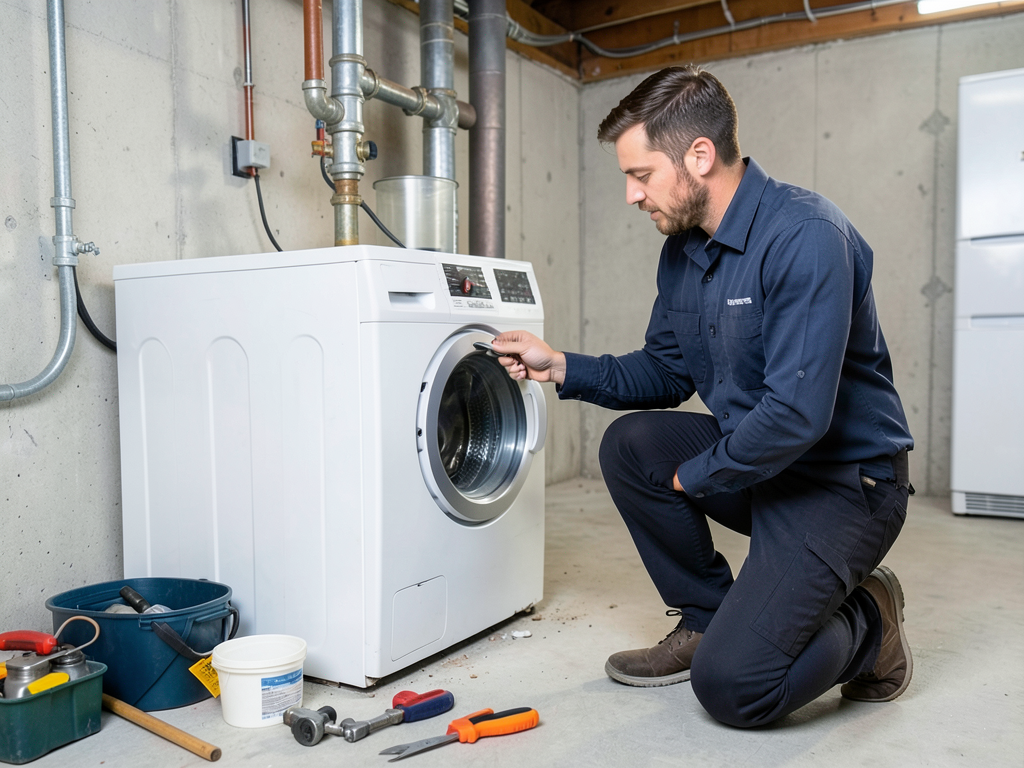
Before calling a plumber, you can perform several simple tests to assess your standpipe’s condition:
Visual inspection test
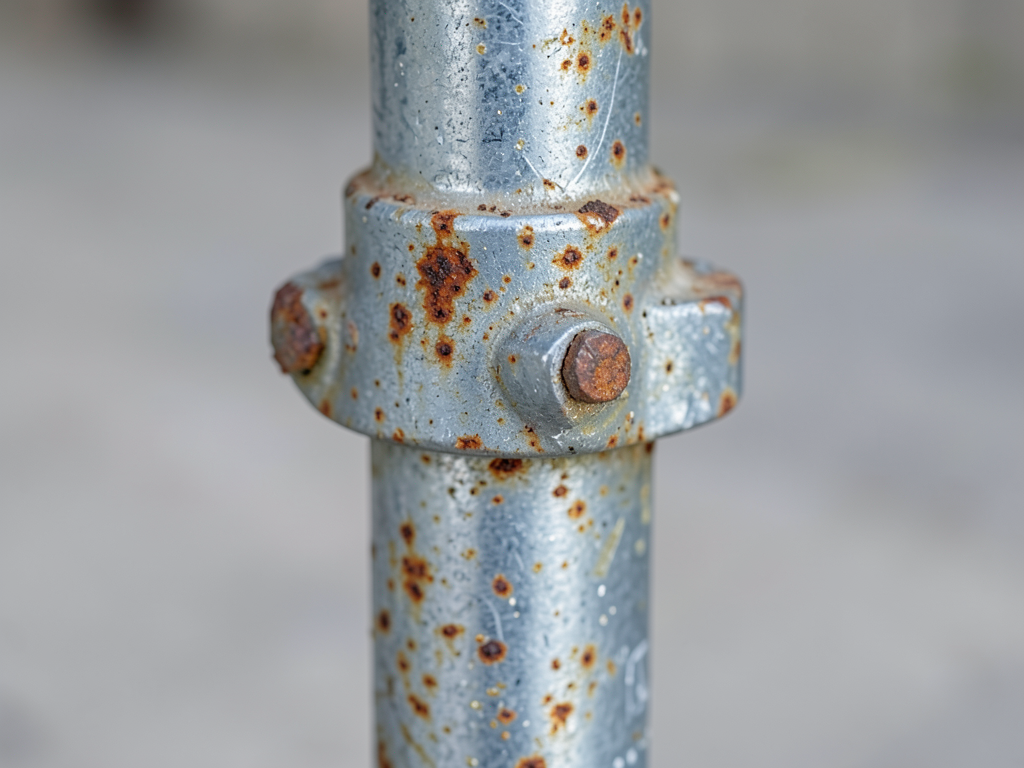
Start by examining the standpipe itself. Look for these signs of deterioration:
- Rust or corrosion on metal pipes
- Mineral deposits or scale buildup
- Cracks, especially at joints or connections
- Evidence of past leaks or water damage on surrounding walls
Flow rate test
Run your washing machine through a complete drain cycle while observing the standpipe. If water rises more than 6 inches above the trap weir or takes longer than 60 seconds to drain completely, your pipe is undersized or partially blocked.
Water level test
After the drain cycle completes, check if any water remains standing in the standpipe. A properly functioning standpipe should drain completely within 30 seconds of the washer finishing.
Odor test
If you detect sewer gas or musty odors near the laundry area, your P-trap may be drying out due to slow drainage or evaporation. This is a common problem in Garfield homes where laundry rooms are in basements or infrequently used areas.
Common standpipe problems and their causes
Understanding what causes standpipe failures can help you prevent them. Here are the most frequent issues we encounter in Garfield homes:
Undersized piping
Many older homes have 1.5-inch standpipes that were adequate for early washing machines but cannot handle modern high-efficiency models. These washers pump water faster than the smaller pipes can accommodate, leading to backups and overflows.
Venting issues
Improper or blocked venting creates negative pressure that slows drainage. You might hear gurgling sounds as air struggles to enter the system. In Garfield’s older homes, vent stacks are often shared with other fixtures or have become blocked by debris or animal nests.
Material degradation
Galvanized steel pipes corrode from the inside out, creating rough surfaces that catch lint and debris. Cast iron develops similar issues over decades of use. Both materials are common in Garfield’s pre-1950 homes.
Improper installation
Many standpipes in older homes were installed without proper P-traps, adequate height, or secure mounting. These installation errors become more problematic as water pressure and flow rates increase with newer appliances.
DIY vs. professional repair: When to call a plumber
Some standpipe issues can be addressed with basic DIY skills, but others require professional expertise. Here is how to decide:
DIY solutions
You can try these fixes if you are comfortable with basic plumbing:
- Cleaning the P-trap to remove debris
- Using a hand auger to clear minor clogs
- Checking and cleaning vent stacks (from the roof)
- Installing a lint trap on the washing machine hose
Professional repairs needed
Call a licensed plumber when you encounter:
- Recurring backups despite DIY cleaning
- Visible pipe damage or corrosion
- Need to replace the entire standpipe assembly
- Venting problems that require roof access
- Main drain line issues affecting multiple fixtures
Professional plumbers can also perform camera inspections to identify hidden problems within walls or underground drain lines that DIY methods cannot detect. The Best Local Plumbers in Mt. Lebanon for Fast Water Heater Repair.
Preventing future standpipe problems
Once you have resolved your standpipe issues, take these steps to prevent future problems:
Regular maintenance
Clean your standpipe and P-trap annually to remove accumulated debris. Use enzymatic drain cleaners monthly to break down organic buildup without damaging pipes.
Install protective devices
Add a lint trap to your washing machine discharge hose to catch debris before it enters the standpipe. Consider installing a backflow preventer if your home is prone to sewer line backups. Pittsburgh Backflow Testing and Certification for Local Business Owners.
Upgrade when necessary
If your washing machine is more than 10 years old, consider upgrading to a newer model with adjustable drain rates. Some modern washers allow you to reduce the pump speed for older plumbing systems.
Monitor water pressure
High water pressure can stress older plumbing. Install a pressure-reducing valve if your home’s pressure exceeds 80 psi, which is common in Garfield due to the neighborhood’s elevation changes.
Cost factors for standpipe replacement in Garfield
The cost of replacing a laundry standpipe varies based on several factors:
| Factor | Impact on Cost | Typical Range |
|---|---|---|
| Pipe material | PVC is cheapest, copper most expensive | $15-30 per linear foot |
| Access difficulty | Open walls cost less than finished areas | $200-800 additional |
| Venting requirements | New vent stacks add significant cost | $300-1,000 |
| Emergency service | After-hours calls cost more | 1.5-2x standard rates |
| Permit requirements | Allegheny County permits add fees | $75-150 |
Most standpipe replacements in Garfield homes cost between $500 and $1,500, depending on the complexity of the job and the materials chosen.
Choosing the right plumber for your standpipe replacement
When selecting a plumber in Garfield, look for these qualifications:
- Pennsylvania Master Plumber license
- Experience with older Pittsburgh homes
- Knowledge of Allegheny County plumbing codes
- Positive reviews from local residents
- Warranty on both labor and materials
Ask potential plumbers about their experience with similar homes in Garfield, their familiarity with local building codes, and whether they pull required permits for the work.
Frequently Asked Questions
How long does a standpipe replacement take?
Most standpipe replacements can be completed in 2-4 hours by an experienced plumber. More complex jobs involving wall repairs or venting modifications may take a full day.
Can I use my washing machine during the replacement?
No, you will need to disconnect your washing machine during the replacement. Most plumbers can complete the work in a single day, allowing you to resume normal use by evening.
Will my homeowner’s insurance cover standpipe replacement?
Standard homeowner’s insurance typically does not cover standpipe replacement unless the damage results from a covered peril like a sudden pipe burst. However, if the replacement prevents future damage, it may be worth the investment.
What is the difference between a standpipe and a drain line?
A standpipe is the vertical pipe that receives water from your washing machine’s discharge hose. The drain line is the horizontal pipe that carries water away from the standpipe to the main sewer or septic system.
How can I tell if my standpipe meets current codes?
Current codes require 2-inch diameter pipes, proper P-traps, adequate height (36 inches minimum), and correct venting. A licensed plumber can inspect your system and verify code compliance.
Don’t wait for a flood to address your standpipe problems
Standing water from a failing standpipe can cause thousands of dollars in damage to flooring, walls, and personal belongings. If you are experiencing any of the warning signs described in this article, it is time to take action.
Call (412) 382-8366 today to schedule a professional inspection of your laundry standpipe. Our experienced plumbers know the unique challenges of Garfield’s older homes and can recommend the most cost-effective solution to protect your property from water damage.
Don’t let a simple standpipe failure turn into a major flood emergency. Pick up the phone and call (412) 382-8366 before your next laundry load becomes a disaster.
{
“@context”: “https://schema.org”,
“@type”: “BlogPosting”,
“headline”: “How to tell if your Garfield home needs a new laundry standpipe to prevent overflows”,
“description”: “Learn to spot warning signs of failing laundry standpipes in Garfield homes. Discover why older plumbing struggles with modern washers and when to call a plumber.”,
“wordCount”: 1771,
“datePublished”: “2026-04-25T15:29:00.000Z”,
“dateModified”: “2026-04-25T15:29:00.000Z”,
“inLanguage”: “en-US”,
“mainEntityOfPage”: {
“@type”: “WebPage”,
“@id”: “https://aceplumbingpittsburgh.com”
},
“publisher”: {
“@type”: “LocalBusiness”,
“name”: “Ace Plumbing Pittsburgh”,
“url”: “https://aceplumbingpittsburgh.com”
},
“author”: {
“@type”: “Organization”,
“name”: “Ace Plumbing Pittsburgh”,
“url”: “https://aceplumbingpittsburgh.com”
},
“image”: {
“@type”: “ImageObject”,
“url”: “https://aceplumbingpittsburgh.com/wp-content/uploads/2026/03/how-to-tell-if-your-garfield-home-needs-a-new-laun-1.png”
}
}
{
“@context”: “https://schema.org”,
“@type”: “Plumber”,
“name”: “Ace Plumbing Pittsburgh”,
“url”: “https://aceplumbingpittsburgh.com”,
“address”: {
“@type”: “PostalAddress”,
“addressLocality”: “Pittsburgh”
},
“areaServed”: {
“@type”: “City”,
“name”: “Pittsburgh”
}
}
{
“@context”: “https://schema.org”,
“@type”: “FAQPage”,
“mainEntity”: [
{
“@type”: “Question”,
“name”: “How long does a standpipe replacement take?”,
“acceptedAnswer”: {
“@type”: “Answer”,
“text”: “Most standpipe replacements can be completed in 2-4 hours by an experienced plumber. More complex jobs involving wall repairs or venting modifications may take a full day.”
}
},
{
“@type”: “Question”,
“name”: “Can I use my washing machine during the replacement?”,
“acceptedAnswer”: {
“@type”: “Answer”,
“text”: “No, you will need to disconnect your washing machine during the replacement. Most plumbers can complete the work in a single day, allowing you to resume normal use by evening.”
}
},
{
“@type”: “Question”,
“name”: “Will my homeowner’s insurance cover standpipe replacement?”,
“acceptedAnswer”: {
“@type”: “Answer”,
“text”: “Standard homeowner’s insurance typically does not cover standpipe replacement unless the damage results from a covered peril like a sudden pipe burst. However, if the replacement prevents future damage, it may be worth the investment.”
}
},
{
“@type”: “Question”,
“name”: “What is the difference between a standpipe and a drain line?”,
“acceptedAnswer”: {
“@type”: “Answer”,
“text”: “A standpipe is the vertical pipe that receives water from your washing machine’s discharge hose. The drain line is the horizontal pipe that carries water away from the standpipe to the main sewer or septic system.”
}
},
{
“@type”: “Question”,
“name”: “How can I tell if my standpipe meets current codes?”,
“acceptedAnswer”: {
“@type”: “Answer”,
“text”: “Current codes require 2-inch diameter pipes, proper P-traps, adequate height (36 inches minimum), and correct venting. A licensed plumber can inspect your system and verify code compliance.”
}
}
]
}
{
“@context”: “https://schema.org”,
“@type”: “HowTo”,
“name”: “Identifying Standpipe Problems”,
“step”: [
{
“@type”: “HowToStep”,
“position”: 1,
“name”: “Gurgling or bubbling sounds”,
“text”: “When your washing machine drains, you hear loud gurgling or bubbling from the standpipe. This indicates air trapped in the line due to partial blockages or improper venting.”
},
{
“@type”: “HowToStep”,
“position”: 2,
“name”: “Water backing up into the standpipe”,
“text”: “You see water rise several inches up the standpipe during the drain cycle, sometimes even overflowing onto the floor. This suggests the pipe diameter is too small or there is a partial clog. No Hot Water Diagnosis.”
},
{
“@type”: “HowToStep”,
“position”: 3,
“name”: “Slow draining”,
“text”: “Your washing machine takes longer than normal to complete the drain cycle, or you notice water remaining in the drum at the end of the cycle. This points to restricted flow in the standpipe.”
},
{
“@type”: “HowToStep”,
“position”: 4,
“name”: “Standing water in the laundry sink”,
“text”: “If your standpipe connects to a laundry sink, you see water backing up into the sink during the washer’s drain cycle. This indicates the main drain line cannot handle the volume.”
},
{
“@type”: “HowToStep”,
“position”: 5,
“name”: “Musty odors”,
“text”: “You smell mildew or sewer gas near the washing machine area. This can happen when water sits in the trap for extended periods due to slow drainage.”
}
],
“image”: “https://aceplumbingpittsburgh.com/wp-content/uploads/2026/03/how-to-tell-if-your-garfield-home-needs-a-new-laun-1.png”
}
{
“@context”: “https://schema.org”,
“@type”: “BreadcrumbList”,
“itemListElement”: [
{
“@type”: “ListItem”,
“position”: 1,
“name”: “Home”,
“item”: “https://aceplumbingpittsburgh.com”
},
{
“@type”: “ListItem”,
“position”: 2,
“name”: “Blog”,
“item”: “https://aceplumbingpittsburgh.com/blog”
},
{
“@type”: “ListItem”,
“position”: 3,
“name”: “How to tell if your Garfield home needs a new laundry standpipe to prevent overflows”
}
]
}
{
“@context”: “https://schema.org”,
“@type”: “Service”,
“serviceType”: “Plumbing”,
“provider”: {
“@type”: “LocalBusiness”,
“name”: “Ace Plumbing Pittsburgh”,
“url”: “https://aceplumbingpittsburgh.com”
},
“areaServed”: {
“@type”: “City”,
“name”: “Pittsburgh”
},
“description”: “Learn to spot warning signs of failing laundry standpipes in Garfield homes. Discover why older plumbing struggles with modern washers and when to call a plumber.”
}