What to do when a bird builds a nest in your Larimer plumbing vent stack
Bird nests in plumbing vent stacks create serious drainage problems for Larimer homeowners. When birds block your vent pipe, your plumbing system loses its ability to equalize air pressure. This causes slow drains, gurgling sounds, and potentially dangerous sewer gas backup into your home. Dealing With Old Pipe Problems in Historic Shadyside Homes.
The problem starts when birds see your vent stack as a perfect nesting spot. These pipes extend above your roofline, offering protection from predators and the elements. However, a blocked vent stack traps air in your drain pipes, preventing wastewater from flowing freely.
Common signs of a blocked vent include multiple slow drains throughout your home, toilets that gurgle when you run water elsewhere, and unpleasant sewer odors near drains or in your basement. You might also notice your toilet bowl water level fluctuating strangely or hear bubbling sounds from sink drains.. Read more about Comparing High Efficiency Toilets that Actually Flush Well for Your Point Breeze Home.
Addressing this issue quickly prevents more serious plumbing damage. Trapped pressure can force sewer gas through water traps, create pipe leaks, and even cause wastewater to back up into your fixtures. The solution requires safely removing the nest and installing proper vent protection to prevent future blockages. Emergency 24 Hour Plumbing Services in the Bloomfield Area.
Understanding your plumbing vent system
Your plumbing vent stack serves as the lungs of your drainage system. This vertical pipe runs from your main sewer line up through your roof, allowing fresh air to enter your plumbing network. Without proper ventilation, water cannot flow smoothly through your drain pipes.
The vent stack maintains neutral air pressure throughout your plumbing system. When you flush a toilet or drain a sink, water rushing through pipes creates negative pressure. The vent stack equalizes this pressure by letting air in, preventing vacuum formation that would slow or stop drainage.
Most Larimer homes have cast iron or PVC vent stacks extending 12 to 24 inches above the roofline. These pipes typically measure 2 to 4 inches in diameter, providing ample space for birds to enter and build nests. The open top design that works perfectly for ventilation also invites nesting birds looking for elevated shelter.
During Pittsburgh’s cold winters, vent stacks face additional challenges. Ice formation can partially block pipes even without bird nests, and the combination of ice and nesting materials creates severe blockages that trap dangerous sewer gases inside your home. Pittsburgh Backflow Testing and Certification for Local Business Owners.
Common symptoms of a blocked plumbing vent
Multiple slow drains throughout your home indicate a venting problem rather than localized pipe clogs. When one vent serves your entire plumbing system, any blockage affects all connected fixtures. You might notice your kitchen sink, bathroom sink, and bathtub all draining slowly even though each drain appears clear when inspected. The Best Local Plumbers in Mt. Lebanon for Fast Water Heater Repair.
Gurgling sounds from toilets provide one of the clearest diagnostic clues. When you flush and hear gurgling from other drains or see water bubbling in nearby toilets, your vent stack cannot supply adequate air. The gurgling occurs because water rushing through pipes creates vacuum pressure that pulls air through the nearest available opening.
Sewer gas odors near drains signal dangerous pressure imbalances. Your P-traps hold water that blocks sewer gases from entering living spaces. However, when vent pressure drops too low, these water seals can siphon dry, allowing methane and hydrogen sulfide gases to escape into your home.
Strange toilet behavior often reveals vent problems. You might notice your toilet bowl emptying completely during other drainage events, or see water levels rising and falling without explanation. These pressure fluctuations occur when your vent cannot maintain consistent air pressure throughout the system.
Why birds choose plumbing vents in Larimer
Larimer’s mature tree canopy and established neighborhoods create ideal conditions for bird nesting activity. The area’s older homes typically feature roof penetrations that extend well above the roofline, providing perfect vantage points for birds seeking safe nesting locations.
Common Pittsburgh birds like starlings, sparrows, and pigeons frequently target plumbing vents. These species adapt well to urban environments and seek protected spaces that shield nests from predators and harsh weather. Your vent stack offers exactly the elevated, enclosed space these birds prefer.
The timing of nesting activity often coincides with spring home maintenance season. Birds begin building nests in early spring when you might first notice drainage problems. By the time you detect symptoms, the nest may already be substantial enough to cause significant vent blockage.
Larimer’s mix of older and newer construction provides varied nesting opportunities. Homes built before modern building codes often have larger vent openings that birds can enter more easily. Even newer homes with protective screens can fall victim to determined birds that damage or bypass these barriers.
Health and safety risks of blocked vents
Sewer gas exposure poses serious health hazards for your family. Methane, the primary component of sewer gas, can cause headaches, dizziness, nausea, and in severe cases, asphyxiation in enclosed spaces. Hydrogen sulfide creates that characteristic rotten egg smell and causes eye and respiratory irritation.
Long-term exposure to sewer gases increases risks of more severe health effects. Chronic exposure may lead to respiratory problems, nervous system damage, and other serious conditions. Children, elderly family members, and those with respiratory conditions face heightened vulnerability to these gases.
Beyond health concerns, blocked vents create pressure problems that can damage your entire plumbing system. Excessive pressure can force water out of traps, cause pipe joints to leak, and in extreme cases, lead to pipe bursts that flood your home with wastewater.
The combination of bird nests and Pittsburgh’s freeze-thaw cycles creates particularly dangerous conditions. Ice formation around nesting materials can completely seal vent openings, trapping all sewer gases inside your home’s drainage system with no escape route.
Professional vs. DIY vent cleaning
Climbing onto your roof to inspect or clean a vent stack presents significant safety risks. Larimer homes often feature steep roof pitches common in Pittsburgh’s older neighborhoods. Wet or icy conditions make roof work extremely dangerous for untrained individuals.
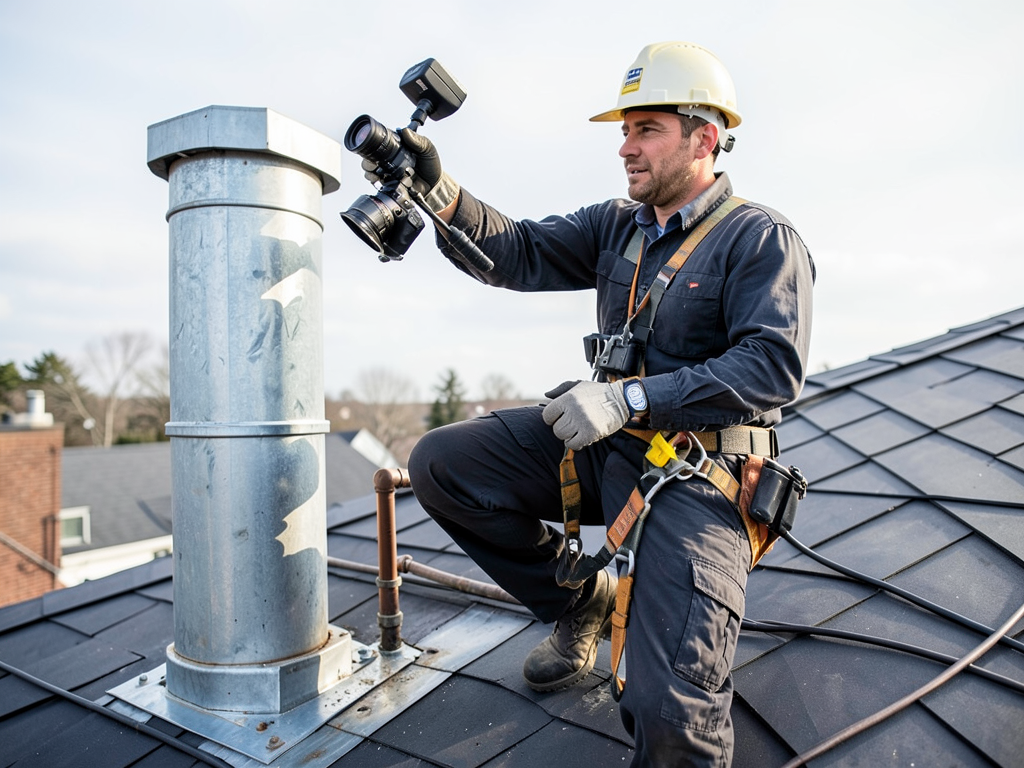
Professional plumbers use specialized equipment to safely clear vent blockages. This includes inspection cameras that can identify nest locations and materials without requiring complete roof access. Plumbers also have proper safety harnesses and roof ladders designed for steep-pitch work.
DIY attempts often cause more damage than they solve. Using coat hangers or other improvised tools can damage vent pipes, push debris further into the system, or create new entry points for birds. Chemical drain cleaners provide no benefit for vent blockages and can damage plumbing components.
The cost of professional vent cleaning typically ranges from $150 to $300 in the Pittsburgh area, depending on nest complexity and roof accessibility. This investment prevents potential thousands in damage from sewer gas exposure, pipe failures, or water damage from backed-up fixtures. Grease Trap Cleaning & Pumping.
Preventing future bird nesting in vent stacks
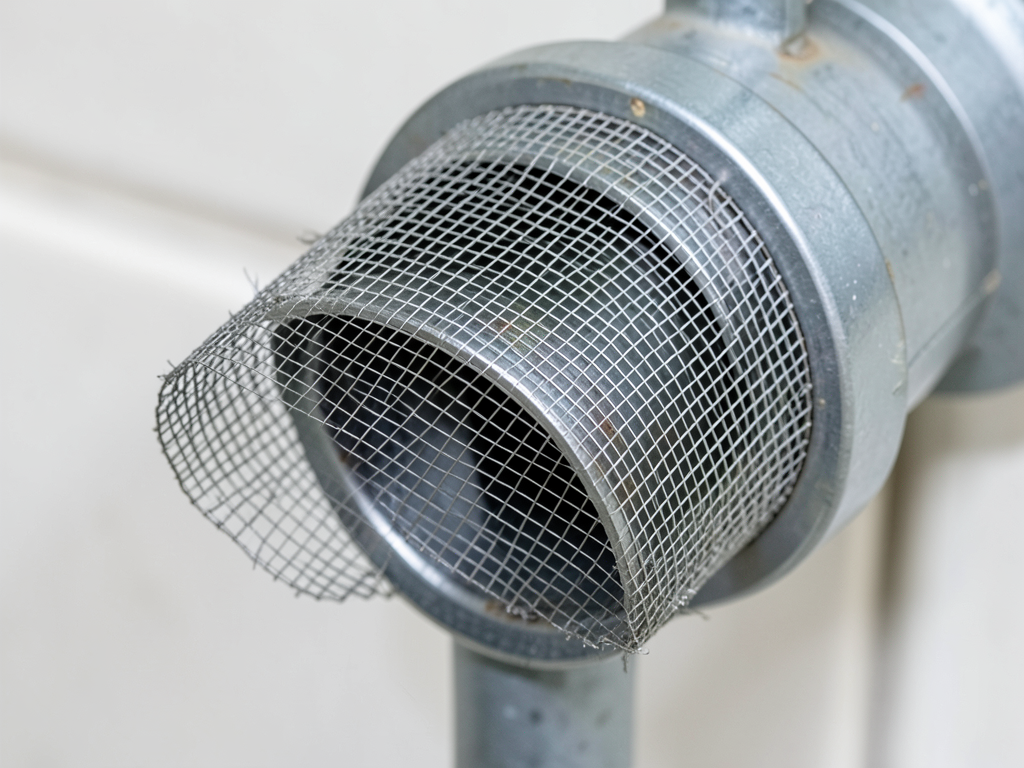
Installing proper vent protection represents the most effective prevention strategy. Hardware cloth with 1/4-inch mesh openings provides excellent bird exclusion while maintaining adequate ventilation. This material attaches securely over vent openings using stainless steel screws that resist corrosion in Pittsburgh’s climate.
Professional-grade vent guards offer superior protection compared to basic screens. These devices feature sloped or dome-shaped tops that prevent birds from landing and building nests. Quality guards also include built-in screens that block entry while allowing maximum airflow.
Regular roof inspections help catch nesting activity before it causes problems. Schedule inspections twice yearly, ideally in early spring before nesting season and again in fall after birds migrate. Look for signs of nesting material accumulation or damage to existing vent protection.
Consider your home’s specific vulnerabilities when choosing prevention methods. Homes near large trees or with multiple roof penetrations may need more comprehensive protection. Older homes might require vent stack modifications to accommodate modern guards while maintaining proper function.
Diagnostic steps for homeowners
Start your diagnosis by checking multiple fixtures throughout your home. If only one drain runs slowly, you likely have a localized clog rather than a vent problem. However, if all drains exhibit similar symptoms, vent blockage becomes the prime suspect.
Listen carefully when running water in different fixtures. Gurgling sounds from toilets or other drains when you use the sink indicate air pressure problems consistent with vent blockage. The specific pattern of sounds can help plumbers locate the blockage within your vent system.
Check for sewer gas odors in your basement or near floor drains. These areas often show symptoms first because they’re closest to the main sewer line connection. The presence of odors confirms that pressure imbalances are affecting your P-traps.
Examine visible vent stacks from ground level if safely possible. Look for signs of nesting material, bird activity, or damage to vent covers. However, never climb onto your roof for inspection purposes due to safety risks.
Local building code considerations
Allegheny County plumbing codes require proper vent stack installation and maintenance for all residential properties. These codes mandate minimum vent pipe sizes, required heights above rooflines, and protection against blockages that could compromise system function.
Pennsylvania’s Uniform Construction Code incorporates specific requirements for plumbing ventilation. Section 25 of the UCC addresses drainage system requirements, including vent sizing and protection standards that apply to all new construction and major renovations in Larimer and throughout Pittsburgh. Uniform Plumbing Code vent requirements.
Local health department regulations emphasize the importance of preventing sewer gas exposure. Blocked vents that allow gas to enter living spaces violate health codes and create liability concerns for property owners who ignore these hazards. EPA sewer gas information.
Professional plumbers must follow these codes when installing vent protection or making repairs. This ensures your plumbing system maintains proper function while meeting all safety and regulatory requirements for Larimer properties.
Emergency response steps
If you suspect severe vent blockage with sewer gas exposure, evacuate the affected area immediately. Open windows to ventilate the space if weather permits, but avoid creating additional pressure changes that could worsen the problem.
Turn off all water fixtures to prevent additional drainage that could exacerbate pressure imbalances. This includes toilets, sinks, washing machines, and any other water-using appliances that could create sudden pressure changes.
Document your symptoms before calling for professional help. Note which fixtures are affected, what sounds you hear, and where you detect odors. This information helps plumbers diagnose the problem more quickly and accurately.
Call emergency plumbing services immediately if you experience strong sewer gas odors, multiple fixture failures, or visible water backing up from drains. These symptoms indicate serious blockages that require immediate professional attention.
Cost factors for vent repair and prevention
Basic vent cleaning services in Larimer typically cost between $150 and $250, depending on nest complexity and roof accessibility. Simple nest removal with basic cleaning falls at the lower end of this range, while extensive blockages requiring camera inspection cost more.
Vent guard installation adds $75 to $150 to the total cost but provides long-term protection against recurring problems. Quality guards with professional installation typically last 10 to 15 years, making them cost-effective compared to repeated nest removal services.
Emergency service calls during nights, weekends, or holidays carry premium rates of 50 to 100 percent above standard pricing. However, severe vent blockages with sewer gas exposure justify these additional costs to protect your family’s health and safety.
Preventive maintenance contracts from local plumbing companies often include annual vent inspections at discounted rates. These programs help catch problems early and maintain proper vent function throughout the year.
Frequently Asked Questions
Can I use chemicals to clear a bird nest from my vent stack?
No, chemical drain cleaners provide no benefit for vent blockages and can damage your plumbing system. These products work on standing water in pipes but cannot address solid obstructions like bird nests in vent stacks. Chemical exposure also poses environmental hazards when materials wash into storm drains.
How long does professional vent cleaning take?
Most vent cleaning jobs require 1 to 2 hours for complete service. Simple nest removal takes about an hour, while complex blockages requiring camera inspection or multiple access points may need up to two hours. Weather conditions and roof accessibility can affect completion time.
Will my homeowner’s insurance cover vent blockage damage?
Standard policies typically exclude coverage for maintenance-related issues like bird nests in vents. However, if blockage causes sudden damage like pipe bursts or water backup, related repairs might qualify for coverage. Check your specific policy details and document all damage thoroughly if filing a claim.
How can I tell if my vent is partially blocked versus completely blocked?
Partial blockages often cause intermittent symptoms like occasional gurgling or slow drainage that worsens over time. Complete blockages produce consistent problems across all fixtures, strong sewer gas odors, and visible water backup from multiple drains. Partial blockages may allow some air movement, while complete blockages trap all gases.
Are there any DIY methods that actually work for vent cleaning?
Limited DIY options exist for vent cleaning. You might carefully pour water down the vent from roof level to flush out loose debris, but this poses safety risks and may not address established nests. Most effective solutions require professional equipment and expertise to avoid damaging your plumbing system.
- Identify symptoms
Check for slow drains, gurgling sounds, and sewer gas odors throughout your home. Multiple affected fixtures suggest vent blockage rather than localized clogs.
- Document the problem
Note which fixtures are affected, what sounds you hear, and where you detect odors. This information helps professionals diagnose the issue quickly.
- Avoid DIY solutions
Do not attempt to climb your roof or use improvised tools to clear the blockage. These actions often cause more damage and create safety hazards.
- Call professional plumbers
Contact licensed plumbers who have proper safety equipment and specialized tools for vent cleaning. They can safely remove nests and install protective guards.
- Install preventive measures
After clearing the blockage, have professionals install quality vent guards to prevent future nesting problems and maintain proper system function.
[IMAGE_PLACEHOVER_1]
Bird nests in plumbing vent stacks create serious drainage and health hazards for Larimer homeowners. These blockages prevent your plumbing system from maintaining proper air pressure, leading to slow drains, gurgling sounds, and potentially dangerous sewer gas exposure. The problem affects multiple fixtures throughout your home and requires prompt professional attention.
Professional plumbers have the equipment and expertise to safely remove bird nests and install protective measures that prevent future problems. Attempting DIY solutions often causes more damage and creates safety risks from roof work. Quality vent guards provide long-term protection against nesting birds while maintaining proper system ventilation.
Don’t wait for sewer gas exposure or major plumbing damage to address vent blockages. Call (412) 382-8366 today to schedule your vent inspection and cleaning. Our experienced Pittsburgh plumbers will restore your system’s proper function and install protection that keeps birds out for good.
Pick up the phone and call (412) 382-8366 before the next storm hits. Vent blockages can worsen quickly, especially during Pittsburgh’s freeze-thaw cycles, creating emergency situations that require immediate attention. Protect your family’s health and your home’s plumbing system with professional service you can trust.
{
“@context”: “https://schema.org”,
“@type”: “BlogPosting”,
“headline”: “What to do when a bird builds a nest in your Larimer plumbing vent stack”,
“description”: “Learn how to identify and safely remove bird nests from your Larimer plumbing vent stack. Protect your home from sewer gas and drainage issues with expert Pittsburgh plumbing advice.”,
“wordCount”: 2526,
“datePublished”: “2026-05-20T14:16:00.000Z”,
“dateModified”: “2026-05-20T14:16:00.000Z”,
“inLanguage”: “en-US”,
“mainEntityOfPage”: {
“@type”: “WebPage”,
“@id”: “https://aceplumbingpittsburgh.com”
},
“publisher”: {
“@type”: “LocalBusiness”,
“name”: “Ace Plumbing Pittsburgh”,
“url”: “https://aceplumbingpittsburgh.com”
},
“author”: {
“@type”: “Organization”,
“name”: “Ace Plumbing Pittsburgh”,
“url”: “https://aceplumbingpittsburgh.com”
},
“image”: {
“@type”: “ImageObject”,
“url”: “https://aceplumbingpittsburgh.com/wp-content/uploads/2026/03/what-to-do-when-a-bird-builds-a-nest-in-your-larim-1.png”
}
}
{
“@context”: “https://schema.org”,
“@type”: “Plumber”,
“name”: “Ace Plumbing Pittsburgh”,
“url”: “https://aceplumbingpittsburgh.com”,
“address”: {
“@type”: “PostalAddress”,
“addressLocality”: “Pittsburgh”
},
“areaServed”: {
“@type”: “City”,
“name”: “Pittsburgh”
}
}
{
“@context”: “https://schema.org”,
“@type”: “FAQPage”,
“mainEntity”: [
{
“@type”: “Question”,
“name”: “Can I use chemicals to clear a bird nest from my vent stack?”,
“acceptedAnswer”: {
“@type”: “Answer”,
“text”: “No, chemical drain cleaners provide no benefit for vent blockages and can damage your plumbing system. These products work on standing water in pipes but cannot address solid obstructions like bird nests in vent stacks. Chemical exposure also poses environmental hazards when materials wash into storm drains.”
}
},
{
“@type”: “Question”,
“name”: “How long does professional vent cleaning take?”,
“acceptedAnswer”: {
“@type”: “Answer”,
“text”: “Most vent cleaning jobs require 1 to 2 hours for complete service. Simple nest removal takes about an hour, while complex blockages requiring camera inspection or multiple access points may need up to two hours. Weather conditions and roof accessibility can affect completion time.”
}
},
{
“@type”: “Question”,
“name”: “Will my homeowner’s insurance cover vent blockage damage?”,
“acceptedAnswer”: {
“@type”: “Answer”,
“text”: “Standard policies typically exclude coverage for maintenance-related issues like bird nests in vents. However, if blockage causes sudden damage like pipe bursts or water backup, related repairs might qualify for coverage. Check your specific policy details and document all damage thoroughly if filing a claim.”
}
},
{
“@type”: “Question”,
“name”: “How can I tell if my vent is partially blocked versus completely blocked?”,
“acceptedAnswer”: {
“@type”: “Answer”,
“text”: “Partial blockages often cause intermittent symptoms like occasional gurgling or slow drainage that worsens over time. Complete blockages produce consistent problems across all fixtures, strong sewer gas odors, and visible water backup from multiple drains. Partial blockages may allow some air movement, while complete blockages trap all gases.”
}
},
{
“@type”: “Question”,
“name”: “Are there any DIY methods that actually work for vent cleaning?”,
“acceptedAnswer”: {
“@type”: “Answer”,
“text”: “Limited DIY options exist for vent cleaning. You might carefully pour water down the vent from roof level to flush out loose debris, but this poses safety risks and may not address established nests. Most effective solutions require professional equipment and expertise to avoid damaging your plumbing system.”
}
}
]
}
{
“@context”: “https://schema.org”,
“@type”: “HowTo”,
“name”: “How to address bird nests in plumbing vents”,
“step”: [
{
“@type”: “HowToStep”,
“position”: 1,
“name”: “Identify symptoms”,
“text”: “Check for slow drains, gurgling sounds, and sewer gas odors throughout your home. Multiple affected fixtures suggest vent blockage rather than localized clogs.”
},
{
“@type”: “HowToStep”,
“position”: 2,
“name”: “Document the problem”,
“text”: “Note which fixtures are affected, what sounds you hear, and where you detect odors. This information helps professionals diagnose the issue quickly.”
},
{
“@type”: “HowToStep”,
“position”: 3,
“name”: “Avoid DIY solutions”,
“text”: “Do not attempt to climb your roof or use improvised tools to clear the blockage. These actions often cause more damage and create safety hazards.”
},
{
“@type”: “HowToStep”,
“position”: 4,
“name”: “Call professional plumbers”,
“text”: “Contact licensed plumbers who have proper safety equipment and specialized tools for vent cleaning. They can safely remove nests and install protective guards.”
},
{
“@type”: “HowToStep”,
“position”: 5,
“name”: “Install preventive measures”,
“text”: “After clearing the blockage, have professionals install quality vent guards to prevent future nesting problems and maintain proper system function.”
}
],
“image”: “https://aceplumbingpittsburgh.com/wp-content/uploads/2026/03/what-to-do-when-a-bird-builds-a-nest-in-your-larim-1.png”
}
{
“@context”: “https://schema.org”,
“@type”: “BreadcrumbList”,
“itemListElement”: [
{
“@type”: “ListItem”,
“position”: 1,
“name”: “Home”,
“item”: “https://aceplumbingpittsburgh.com”
},
{
“@type”: “ListItem”,
“position”: 2,
“name”: “Blog”,
“item”: “https://aceplumbingpittsburgh.com/blog”
},
{
“@type”: “ListItem”,
“position”: 3,
“name”: “What to do when a bird builds a nest in your Larimer plumbing vent stack”
}
]
}
{
“@context”: “https://schema.org”,
“@type”: “Service”,
“serviceType”: “Plumbing”,
“provider”: {
“@type”: “LocalBusiness”,
“name”: “Ace Plumbing Pittsburgh”,
“url”: “https://aceplumbingpittsburgh.com”
},
“areaServed”: {
“@type”: “City”,
“name”: “Pittsburgh”
},
“description”: “Learn how to identify and safely remove bird nests from your Larimer plumbing vent stack. Protect your home from sewer gas and drainage issues with expert Pittsburgh plumbing advice.”
}