
What it Actually Costs to Move Your Laundry Room from the Basement to the Second Floor in Friendship
Moving your laundry room from the basement to the second floor in a Friendship home typically costs between $3,000 and $12,000 in 2026. The wide range depends on your home’s age, existing plumbing access, and whether you need structural modifications. Friendship’s Victorian-era homes built between 1900 and 1930 present unique challenges when relocating heavy appliances upstairs. Emergency 24 Hour Plumbing Services in the Bloomfield Area.
Most Friendship homes have laundry in the basement because that’s where the main drain stack and water supply lines run. Moving these systems upstairs means creating new plumbing paths through walls, floors, and ceilings. You’ll need to extend hot and cold water lines, add a new drain with proper venting, and ensure your floor can support the weight of a washer and dryer.
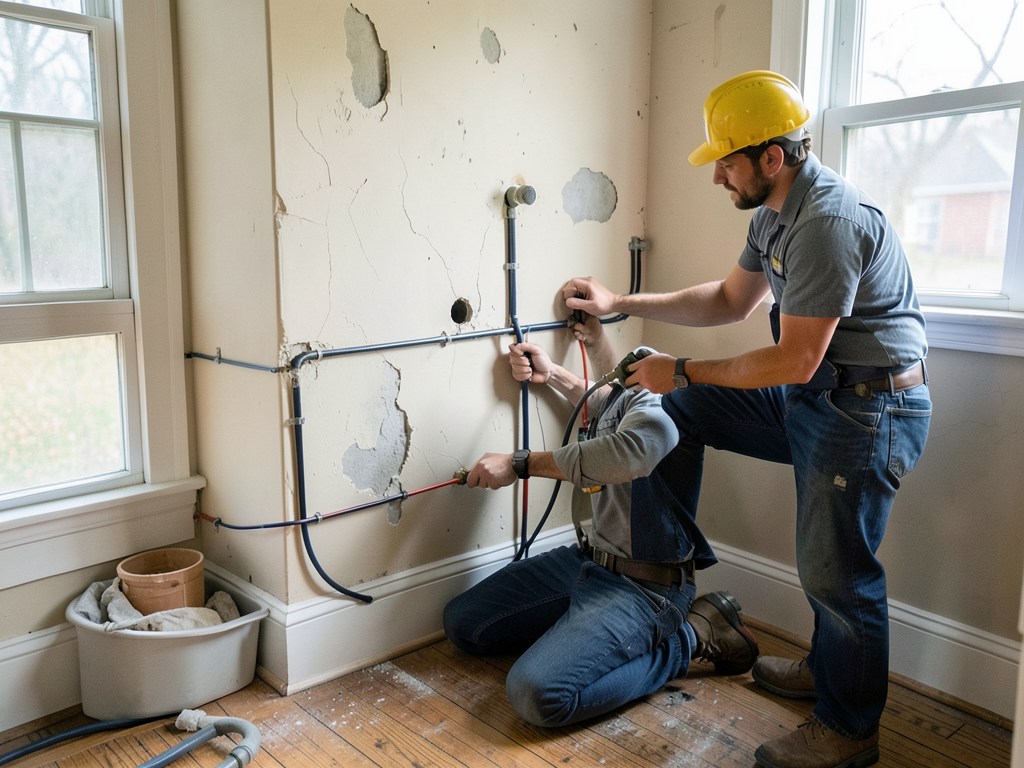
The process starts with a professional plumber assessing your home’s current layout. They’ll check your second-floor joists, locate the nearest drain stack for connection, and determine if your electrical panel can handle the additional load. Many Friendship homes have lath and plaster walls, which require careful cutting to avoid damaging historic materials.
Cost Breakdown for Moving Laundry Upstairs in Friendship
Understanding where your money goes helps you budget accurately. Here’s what typically makes up the total cost:
| Cost Category | Typical Range | Percentage of Total |
|---|---|---|
| Plumbing Materials | $800 – $2,500 | 15-25% |
| Electrical Work | $500 – $1,500 | 10-15% |
| Structural Modifications | $1,000 – $4,000 | 20-35% |
| Permits and Inspections | $300 – $800 | 5-8% |
| Labor Costs | $1,000 – $3,500 | 20-30% |
| Miscellaneous (dryer vent, flooring, etc.) | $400 – $1,200 | 8-12% |
Materials include PEX or copper piping, fittings, valves, and a new washing machine outlet box. Electrical work involves adding or extending 120V and possibly 240V circuits for electric dryers. Structural modifications might mean reinforcing floor joists or creating access holes for plumbing.
Allegheny County Plumbing Permit Requirements
Moving your laundry room requires permits from the Allegheny County Health Department Plumbing Division. You’ll need a plumbing permit for any new drain, vent, or water line installation. The permit fee ranges from $150 to $350 depending on the scope of work. Allegheny County Health Department Plumbing Division.
Your plumber must submit detailed plans showing the new plumbing layout, including pipe sizes, fixture units, and venting configuration. The county requires that all second-floor laundry installations include an overflow drain pan with a dedicated drain line. This prevents water damage if your washer leaks or overflows.
Inspections happen at two stages: after rough-in plumbing installation but before walls close, and after final installation. Missing inspections can result in fines up to $500 and may void your homeowner’s insurance if water damage occurs.
Technical Challenges of Second-Floor Laundry
Friendship’s historic homes present specific technical hurdles. Most were built with 2×6 floor joists spaced 16 inches apart. A standard washer and dryer setup weighs about 300 pounds dry, and over 500 pounds when running with water. This requires evaluating your floor’s load-bearing capacity.
Drainage poses another challenge. Water must flow downhill to the main stack, requiring proper slope. Building codes mandate a minimum 1/4 inch per foot slope for drain pipes. In second-floor installations, this often means creative routing through walls or floors to reach the basement stack.
Venting is critical for proper drainage. Without adequate air intake, water won’t drain properly and you’ll hear gurgling sounds. Second-floor vents typically connect to the main vent stack through the roof. In brick homes, this requires cutting through exterior walls and proper flashing to prevent leaks.
Noise and vibration control matter when laundry sits above living spaces. Installing anti-vibration pads under washers and using flexible supply hoses reduces noise transmission. Some homeowners add sound-dampening insulation in walls around the laundry area.
Hidden Costs You Might Not Expect
Several costs catch homeowners by surprise. Floor reinforcement often becomes necessary when contractors discover original joists are undersized or damaged by previous modifications. This can add $1,000 to $2,500 to your project.
Dryer venting presents unique challenges on upper floors. You need to route a 4-inch metal duct to the exterior, which may require cutting through brick or siding. The total duct length cannot exceed 35 feet, and each 90-degree bend counts as 5 feet. This often means roof venting instead of wall venting.
Water damage prevention costs more than you might think. Building codes require an overflow drain pan with a separate drain line. Many homeowners also install automatic shut-off valves that detect leaks and cut water supply within seconds. These safety features cost $200 to $500 but prevent thousands in potential damage.
Historic preservation requirements can affect your project. If your home is in a designated historic district, you may need approval from the Pittsburgh Historic Review Commission before making exterior modifications like roof vents or wall penetrations. Pittsburgh Backflow Testing and Certification for Local Business Owners.
DIY vs. Professional Installation: Why Licensed Plumbers Are Required
Pennsylvania law requires licensed plumbers for any work involving new drain, waste, or vent lines. This isn’t just a suggestion—it’s a legal requirement enforced by the state. Unlicensed work can result in fines up to $5,000 and may void your home insurance. The Best Local Plumbers in Mt. Lebanon for Fast Water Heater Repair.
Professional plumbers understand local code requirements that DIYers miss. They know the correct pipe sizes for different fixtures, proper venting methods, and how to connect to existing systems without causing problems elsewhere in your home. They also carry insurance that protects you if something goes wrong. Dealing With Old Pipe Problems in Historic Shadyside Homes.
The DIY approach might seem cheaper initially, but mistakes cost more to fix than doing it right the first time. A leaking drain hidden in a wall can cause thousands in water damage before you notice. Improper venting can cause slow drains throughout your house.. Read more about Gravity Drains versus Ejector Pumps for Basement Bathrooms in Mount Washington.
Professional installation includes warranties on both labor and materials. Most reputable plumbers in Pittsburgh offer at least a one-year warranty on their work. This protection doesn’t exist with DIY projects.
How to Get an Accurate Quote for Your Friendship Home
Start by scheduling an in-home assessment with a licensed plumber familiar with Friendship’s housing stock. They’ll need to see your current laundry setup, the proposed second-floor location, and access to your basement to evaluate the main plumbing stack.
Ask specific questions about their experience with similar projects in historic Pittsburgh homes. Request references from customers in neighborhoods like Shadyside or Squirrel Hill who have completed similar renovations. A good plumber will show you photos of previous work and explain their process clearly.
Get at least three quotes, but don’t automatically choose the lowest price. Compare what’s included: permit fees, inspections, cleanup, and warranties. A quote that’s $500 less but doesn’t include permits could cost you more in the long run.
Ask about their timeline. Most laundry relocations take 3 to 5 days once work begins. This includes demolition, rough-in plumbing, inspections, finishing work, and final hookup. Make sure they coordinate with other contractors if you’re doing additional remodeling.
Discuss payment terms. Most plumbers require a deposit of 30-50% to cover materials, with the balance due upon completion. Avoid contractors who demand full payment upfront or won’t provide a written contract.
Impact on Home Value and Daily Life
Moving laundry upstairs adds convenience that many buyers value, especially in multi-story homes. Having laundry near bedrooms eliminates carrying heavy loads up and down stairs. This convenience can increase your home’s appeal to families and older adults.
However, consider the trade-offs. Second-floor laundry means you’ll hear the machines running during cycles, which can be disruptive if they’re near bedrooms or home offices. Some homeowners find they do laundry more frequently when it’s more convenient, increasing water and energy usage. Energy Efficient Tankless Water Heater Installation in Wexford.
Floor space is another consideration. A typical laundry closet requires at least 3×3 feet of floor space, plus clearance for doors to open. In older homes with smaller bedrooms, this might mean sacrificing closet space or rearranging furniture.
Resale value impact varies by neighborhood. In Friendship’s competitive market, updated amenities like second-floor laundry can help your home stand out. However, the return on investment rarely exceeds 50-70% of the project cost.
Choosing the Right Location Upstairs
The best location for upstairs laundry depends on your home’s layout and existing plumbing access. Ideal spots are near bathrooms or bedrooms where water lines already exist. This minimizes new plumbing runs and reduces costs.. Read more about Planning an ADA Compliant Bathroom Remodel for Your Aging-in-Place Home in Oakland.
Hallway closets work well if they’re large enough and have access to plumbing from adjacent rooms. Some homeowners convert unused bedroom closets or create built-in laundry nooks in master bathrooms.
Avoid placing laundry rooms above kitchens or living rooms where noise travels easily. Sound-dampening measures help but don’t eliminate all noise. Also consider proximity to exterior walls for dryer venting—shorter vent runs perform better and reduce fire hazards.
Check your electrical panel capacity before finalizing location. Electric dryers need a 30-amp, 240-volt circuit. If your panel is full or outdated, you may need an upgrade, adding $1,000 to $2,500 to your project.
Final Considerations Before Starting Your Project
Moving laundry upstairs is a significant investment that requires careful planning. Start by defining your budget and must-have features. Then consult with professionals who understand Friendship’s unique housing characteristics.
Consider doing this project during other renovations when walls are already open. This reduces demolition costs and allows you to address other issues like outdated wiring or insulation at the same time.
Remember that proper permits and inspections protect you and your investment. Cutting corners to save money often leads to bigger problems and expenses later. The peace of mind from professional installation is worth the cost.
Ready to transform your laundry situation? Call (412) 382-8366 today to schedule your in-home consultation. Our experienced plumbers know Friendship’s homes inside and out, and we’ll help you understand exactly what your project will cost before any work begins.
Frequently Asked Questions
How long does it take to move a laundry room upstairs?
Most laundry room relocations take 3 to 5 days once work begins. This includes demolition, rough-in plumbing, inspections, finishing work, and final hookup. The entire process from planning to completion typically takes 2 to 4 weeks when you factor in permit approvals and scheduling.
Do I need a permit to move my laundry room in Pittsburgh?
Yes, you need a plumbing permit from the Allegheny County Health Department for any new drain, waste, or vent lines. Permit fees range from $150 to $350. You’ll also need electrical permits if you’re adding new circuits. Skipping permits can result in fines and insurance issues.
Can I move my laundry room without professional help?
Pennsylvania law requires licensed plumbers for new drain, waste, or vent line installation. DIY work on these systems is illegal and can result in fines up to $5,000. Professional installation also ensures proper permits, inspections, and warranties that protect your investment.
What’s the best location for upstairs laundry?
Ideal locations are near existing bathrooms or bedrooms where water lines already exist. Hallway closets work well if large enough. Avoid placing laundry above living spaces where noise travels easily. Consider proximity to exterior walls for dryer venting and check your electrical panel capacity for dryer requirements.
How much value does upstairs laundry add to my home?
Upstairs laundry adds convenience that many buyers value, especially in multi-story homes. While the return on investment rarely exceeds 50-70% of project cost, it can make your home more attractive in competitive markets like Friendship. The main benefit is improved daily living rather than pure financial return. For more information, visit Uniform Plumbing Code vent requirements.
You may also find this helpful. Choosing Between a Walk-In Shower and a Traditional Bathtub for Your Shadyside Master Suite.
{
“@context”: “https://schema.org”,
“@type”: “BlogPosting”,
“headline”: “What it Actually Costs to Move Your Laundry Room from the Basement to the Second Floor in Friendship”,
“description”: “Learn the real costs to move your laundry room upstairs in Friendship homes. Get permit requirements, plumbing details, and expert quotes from Pittsburgh plumbers.”,
“wordCount”: 1942,
“datePublished”: “2026-06-06T10:21:00.000Z”,
“dateModified”: “2026-06-06T10:21:00.000Z”,
“inLanguage”: “en-US”,
“mainEntityOfPage”: {
“@type”: “WebPage”,
“@id”: “https://aceplumbingpittsburgh.com”
},
“publisher”: {
“@type”: “LocalBusiness”,
“name”: “Ace Plumbing Pittsburgh”,
“url”: “https://aceplumbingpittsburgh.com”
},
“author”: {
“@type”: “Organization”,
“name”: “Ace Plumbing Pittsburgh”,
“url”: “https://aceplumbingpittsburgh.com”
},
“image”: {
“@type”: “ImageObject”,
“url”: “https://aceplumbingpittsburgh.com/wp-content/uploads/2026/03/what-it-actually-costs-to-move-your-laundry-room-f-1.png”
}
}
{
“@context”: “https://schema.org”,
“@type”: “Plumber”,
“name”: “Ace Plumbing Pittsburgh”,
“url”: “https://aceplumbingpittsburgh.com”,
“address”: {
“@type”: “PostalAddress”,
“addressLocality”: “Pittsburgh”
},
“areaServed”: {
“@type”: “City”,
“name”: “Pittsburgh”
}
}
{
“@context”: “https://schema.org”,
“@type”: “FAQPage”,
“mainEntity”: [
{
“@type”: “Question”,
“name”: “How long does it take to move a laundry room upstairs?”,
“acceptedAnswer”: {
“@type”: “Answer”,
“text”: “Most laundry room relocations take 3 to 5 days once work begins. This includes demolition, rough-in plumbing, inspections, finishing work, and final hookup. The entire process from planning to completion typically takes 2 to 4 weeks when you factor in permit approvals and scheduling.”
}
},
{
“@type”: “Question”,
“name”: “Do I need a permit to move my laundry room in Pittsburgh?”,
“acceptedAnswer”: {
“@type”: “Answer”,
“text”: “Yes, you need a plumbing permit from the Allegheny County Health Department for any new drain, waste, or vent lines. Permit fees range from $150 to $350. You’ll also need electrical permits if you’re adding new circuits. Skipping permits can result in fines and insurance issues.”
}
},
{
“@type”: “Question”,
“name”: “Can I move my laundry room without professional help?”,
“acceptedAnswer”: {
“@type”: “Answer”,
“text”: “Pennsylvania law requires licensed plumbers for new drain, waste, or vent line installation. DIY work on these systems is illegal and can result in fines up to $5,000. Professional installation also ensures proper permits, inspections, and warranties that protect your investment.”
}
},
{
“@type”: “Question”,
“name”: “What’s the best location for upstairs laundry?”,
“acceptedAnswer”: {
“@type”: “Answer”,
“text”: “Ideal locations are near existing bathrooms or bedrooms where water lines already exist. Hallway closets work well if large enough. Avoid placing laundry above living spaces where noise travels easily. Consider proximity to exterior walls for dryer venting and check your electrical panel capacity for dryer requirements.”
}
},
{
“@type”: “Question”,
“name”: “How much value does upstairs laundry add to my home?”,
“acceptedAnswer”: {
“@type”: “Answer”,
“text”: “Upstairs laundry adds convenience that many buyers value, especially in multi-story homes. While the return on investment rarely exceeds 50-70% of project cost, it can make your home more attractive in competitive markets like Friendship. The main benefit is improved daily living rather than pure financial return. For more information, visit Uniform Plumbing Code vent requirements.”
}
}
]
}
{
“@context”: “https://schema.org”,
“@type”: “BreadcrumbList”,
“itemListElement”: [
{
“@type”: “ListItem”,
“position”: 1,
“name”: “Home”,
“item”: “https://aceplumbingpittsburgh.com”
},
{
“@type”: “ListItem”,
“position”: 2,
“name”: “Blog”,
“item”: “https://aceplumbingpittsburgh.com/blog”
},
{
“@type”: “ListItem”,
“position”: 3,
“name”: “What it Actually Costs to Move Your Laundry Room from the Basement to the Second Floor in Friendship”
}
]
}
{
“@context”: “https://schema.org”,
“@type”: “Service”,
“serviceType”: “Plumbing”,
“provider”: {
“@type”: “LocalBusiness”,
“name”: “Ace Plumbing Pittsburgh”,
“url”: “https://aceplumbingpittsburgh.com”
},
“areaServed”: {
“@type”: “City”,
“name”: “Pittsburgh”
},
“description”: “Learn the real costs to move your laundry room upstairs in Friendship homes. Get permit requirements, plumbing details, and expert quotes from Pittsburgh plumbers.”
}