Dealing with the smell of rotten eggs in your Valencia well water
The rotten egg smell in your Valencia well water comes from hydrogen sulfide gas produced by sulfur-reducing bacteria in the local aquifer. This is a common issue for Pittsburgh homeowners because the region’s coal-rich geology creates perfect conditions for these bacteria to thrive. The smell is not just unpleasant—it can corrode plumbing fixtures and indicate water quality problems that need professional attention. Water Quality Association Resources.
When you turn on your faucet and get hit with that unmistakable sulfur odor, you’re experiencing hydrogen sulfide gas that’s dissolved in your well water. In Valencia and surrounding Pittsburgh neighborhoods, this happens because our area sits on ancient coal deposits and shale formations where these bacteria naturally occur. The good news is that this problem is completely fixable with the right filtration system installed by experienced professionals. Pittsburgh Backflow Testing and Certification for Local Business Owners.
Why Does My Pittsburgh Well Water Smell Like Rotten Eggs?
Hydrogen sulfide gas forms when sulfur-reducing bacteria break down organic matter in oxygen-free environments deep underground. In Western Pennsylvania, our coal mining history and natural shale deposits create ideal conditions for these bacteria to flourish. The gas dissolves in groundwater and comes up through your well, releasing that characteristic rotten egg odor when you use your water.
The smell can come from several sources in your plumbing system. If it’s present in both hot and cold water, the problem is likely in your well or the underground aquifer feeding it. If the smell only comes from hot water, your water heater’s magnesium anode rod might be reacting with sulfate in the water to produce hydrogen sulfide. Sometimes the odor appears only in certain faucets, which could indicate bacteria growing in specific pipes or fixtures. Emergency 24 Hour Plumbing Services in the Bloomfield Area.
Western Pennsylvania’s unique geology makes this problem particularly common. The Pittsburgh Coal Seam and associated formations contain high levels of sulfur compounds that bacteria can convert to hydrogen sulfide. Additionally, our region’s high iron content in groundwater provides nutrients that help these bacteria thrive. Homes in Valencia, Pine Township, and other northern suburbs often experience this issue because they rely on private wells drilled into these sulfur-rich formations.
Is Sulfur in Water Dangerous?
The rotten egg smell itself isn’t typically harmful to drink in low concentrations, but hydrogen sulfide can cause other problems you shouldn’t ignore. At high levels, it can cause nausea and other health issues, though this is rare in residential well water. The bigger concern is what the gas does to your plumbing system over time. Dealing With Old Pipe Problems in Historic Shadyside Homes.
Hydrogen sulfide is highly corrosive to metal pipes, water heaters, and fixtures. The gas creates sulfuric acid when it mixes with moisture, which eats away at copper, brass, and steel components. You might notice black stains on your fixtures, silverware turning black, or even pinhole leaks developing in your pipes. The corrosion can also affect your water heater’s efficiency and lifespan, leading to premature replacement costs.
Beyond the plumbing damage, sulfur bacteria can create other issues in your water system. They produce a slimy biofilm that can clog pipes, reduce water pressure, and provide a breeding ground for other harmful bacteria. Some homeowners report their water developing a musty or swampy odor along with the rotten egg smell, which indicates a more complex bacterial problem that needs professional treatment.
The ‘Smell Test’: Identifying the Source
Before you can fix the problem, you need to figure out exactly where the smell is coming from. This diagnostic step saves you time and money by targeting the right solution. Here’s how to perform a basic smell test to identify your specific issue.
First, smell the water from both hot and cold faucets when you haven’t used the water for several hours. If both smell like rotten eggs, the problem is likely in your well water or the aquifer. If only the hot water smells, your water heater’s anode rod is probably the culprit. If the smell comes and goes or only appears in certain faucets, you might have bacteria growing in specific pipes or fixtures.. Read more about Choosing a Kitchen Faucet That Won’t Get Ruined by Pittsburgh Hard Water.
Next, check if the smell changes over time. Does it get stronger after heavy rain? This could indicate surface water contamination entering your well. Does it disappear after you run the water for a few minutes? This suggests the bacteria are concentrated in your well rather than throughout the aquifer. These patterns help professionals determine whether you need well treatment, point-of-entry filtration, or just a simple water heater repair. EPA Private Wells Information.
For a more thorough diagnosis, Ace Plumbing uses specialized testing equipment to measure hydrogen sulfide levels and identify other water quality issues. We test for iron bacteria, manganese, and pH levels because these factors often accompany sulfur problems and affect which treatment system will work best for your specific situation.
Professional Removal Solutions
Once you’ve identified the source, you need the right solution. Professional water treatment systems offer permanent fixes that DIY methods can’t match. Here are the main options available to Pittsburgh homeowners dealing with sulfur water.
Air Injection Oxidization (AIO) systems are the most popular choice for well water sulfur removal. These systems inject air into the water, which oxidizes the hydrogen sulfide and turns it into solid particles that can be filtered out. The system then uses a special media bed to trap these particles before the water enters your home. AIO systems are highly effective, require minimal maintenance, and don’t use chemicals that could affect your water taste.
Activated carbon filtration works well for low to moderate hydrogen sulfide levels. The carbon media absorbs the gas as water passes through, removing the odor. However, carbon filters need regular replacement and may not handle high sulfur concentrations effectively. They’re often used as a final polishing step after other treatment methods.
Chemical feed systems inject oxidizing agents like chlorine or hydrogen peroxide into your water supply. These chemicals react with hydrogen sulfide to neutralize it, then a contact tank gives the reaction time to complete. A carbon filter removes any remaining chemicals and byproducts. This method works for very high sulfur levels but requires ongoing chemical costs and more complex maintenance.
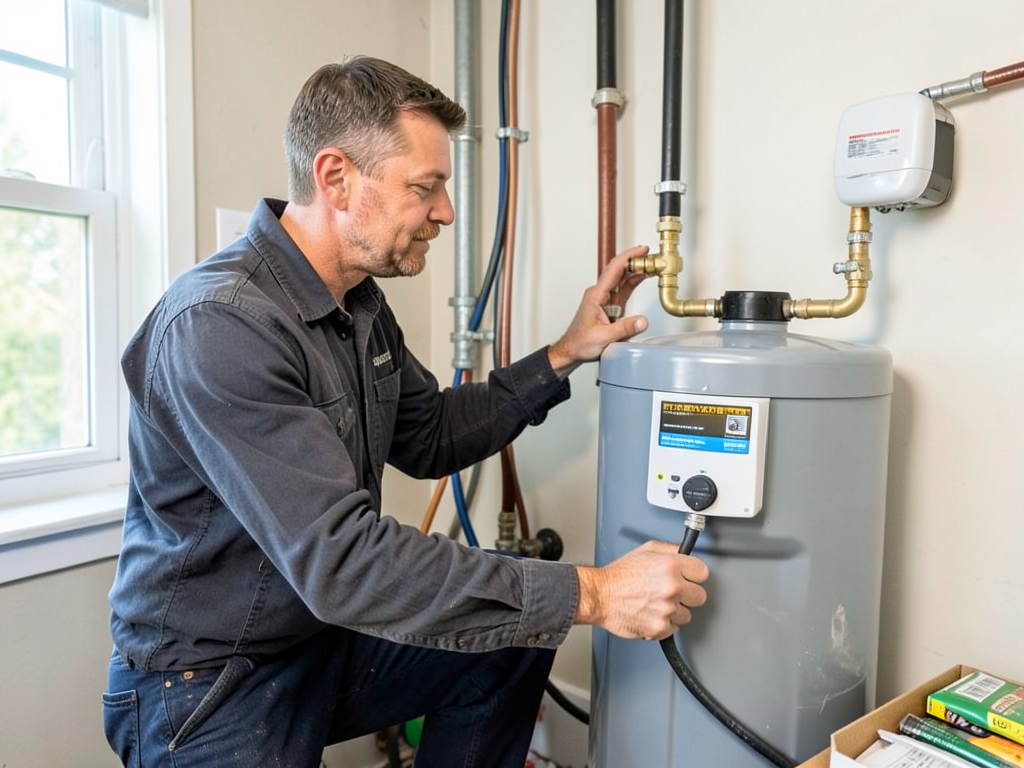
Water heater-specific solutions include replacing the magnesium anode rod with an aluminum-zinc rod or installing a powered anode system. These options prevent the chemical reaction that creates hydrogen sulfide in hot water without affecting your well water quality. Sometimes a simple shock chlorination of the water heater can solve the problem if bacteria have colonized the tank.
The DIY vs. Professional Approach
Many homeowners try DIY solutions like shock chlorination or carbon filters from the hardware store before calling professionals. While these can provide temporary relief, they often fail to address the root cause and can waste money in the long run.
Shock chlorination involves pouring bleach down your well to kill bacteria. This might work for a few weeks or months, but the bacteria quickly return because you haven’t changed the conditions that allow them to thrive. The process also requires careful handling and proper disposal procedures to avoid contaminating your well or the environment.
Store-bought carbon filters can remove some hydrogen sulfide, but they have limited capacity and may not handle the levels found in Pittsburgh well water. Once the carbon becomes saturated, the smell returns, and you’re left with a filter that needs frequent replacement. These systems also don’t address other water quality issues that might be present.
Professional installation ensures your system is sized correctly for your water quality, usage patterns, and plumbing configuration. A professional can also test your water to identify all contaminants, not just sulfur, and recommend a comprehensive treatment solution. This prevents the common problem of installing a filter that handles one issue while missing others that could cause problems later.
Professional systems also come with warranties, maintenance support, and the assurance that your water meets safety standards. The initial investment typically pays for itself through longer equipment life, lower maintenance costs, and the peace of mind that comes with reliable, odor-free water.
Why Pittsburgh Homeowners Trust Ace Plumbing
Ace Plumbing has been solving water quality problems for Pittsburgh families since 1995. We understand the specific challenges that Western Pennsylvania’s geology creates for well owners in neighborhoods like Valencia, Cranberry, and Bethel Park. Our technicians are trained in the latest water treatment technologies and hold certifications from the Water Quality Association.
We start every sulfur removal project with comprehensive water testing that goes beyond just checking for hydrogen sulfide. We test for iron, manganese, pH, hardness, and other factors that affect which treatment system will work best for your specific situation. This scientific approach ensures we recommend the right solution the first time, saving you from costly trial and error.
Our installation process includes proper sizing calculations based on your household’s water usage, plumbing configuration, and the specific hydrogen sulfide levels in your well. We also consider factors like available space, electrical requirements, and local building codes to ensure your system integrates seamlessly with your existing plumbing. The Best Local Plumbers in Mt. Lebanon for Fast Water Heater Repair.
We’ve successfully installed hundreds of sulfur removal systems throughout Allegheny County, including complex cases where multiple treatment methods were needed. Our maintenance plans keep your system running efficiently year after year, with regular filter changes, performance checks, and adjustments as your water quality changes with the seasons. Energy Efficient Tankless Water Heater Installation in Wexford.
Homeowners in Valencia and surrounding areas choose us because we provide transparent pricing, clear explanations of our recommendations, and follow-up service that ensures your complete satisfaction. We don’t just sell equipment—we provide long-term water quality solutions backed by our reputation in the Pittsburgh community.
Maintenance and Long-Term Care
Once your sulfur removal system is installed, proper maintenance ensures it continues working effectively for years. Different systems have different maintenance requirements, but all need regular attention to perform their best.
AIO systems typically need annual media replacement and occasional air injector cleaning. The frequency depends on your water quality and usage, but most systems run efficiently for 12-18 months between major service intervals. We monitor system performance and notify you when maintenance is due, so you never have to worry about remembering service schedules.. Read more about Cleaning out the gunk inside your Green Tree bathroom sink overflow hole.
Chemical feed systems require more frequent attention, including checking chemical levels, cleaning injection points, and replacing filters. These systems need professional service every 3-6 months to ensure proper chemical dosing and prevent equipment problems. While they require more maintenance, they’re sometimes the only option for extreme sulfur contamination.
Water testing should be part of your regular maintenance routine, even after installing treatment systems. Water quality can change over time due to shifts in the aquifer, nearby construction, or seasonal variations. Annual testing ensures your system continues to handle current conditions effectively and alerts you to any new water quality issues that might develop.
We offer maintenance plans that include scheduled service visits, priority scheduling for repairs, and discounts on replacement parts. These plans provide peace of mind and often cost less than paying for individual service calls over time. Plus, regular professional maintenance helps maintain any manufacturer warranties on your equipment.
Local Water Quality Regulations and Standards
Water treatment installations in Allegheny County must comply with Pennsylvania Uniform Construction Code (UCC) standards and local health department regulations. These codes ensure that treatment systems are installed safely and don’t create cross-connection risks that could contaminate your drinking water or the municipal supply.
The Pennsylvania Department of Environmental Protection (DEP) regulates well construction and water treatment in the state. Any modifications to your well system or installation of treatment equipment must meet DEP standards for backflow prevention and cross-connection control. These regulations protect both your household and the broader community from water contamination risks.
Professional installers must be licensed by the Pennsylvania Department of Labor and Industry as plumbing contractors. This licensing ensures they understand local codes, proper installation techniques, and safety requirements. At Ace Plumbing, all our water treatment installers hold current Pennsylvania licenses and maintain ongoing training in new technologies and regulations.
Water quality testing for real estate transactions or mortgage approvals must follow specific protocols established by the Pennsylvania DEP. These tests check for bacteria, nitrates, lead, and other contaminants that affect property values and loan approvals. We provide certified testing services that meet all regulatory requirements for these important transactions.
Cost Considerations and Investment Value
The cost of sulfur removal systems varies based on your specific water quality, the size of your home, and the treatment method chosen. Basic point-of-use filters might cost a few hundred dollars, while whole-house systems typically range from $1,500 to $5,000 installed. The investment pays for itself through improved water quality, prevented plumbing damage, and increased home value.
Factors affecting cost include the hydrogen sulfide concentration in your water, whether you need additional treatment for iron or manganese, and the complexity of integrating the system with your existing plumbing. High sulfur levels or multiple water quality issues may require more sophisticated and expensive treatment solutions.
Financing options make these systems accessible to most homeowners. We offer payment plans that spread the cost over time, and some homeowners choose to finance through home improvement loans or equity lines of credit. The monthly payments often cost less than the ongoing expenses of dealing with sulfur water problems through temporary fixes.
Consider the long-term value when evaluating costs. A quality sulfur removal system can prevent thousands of dollars in plumbing repairs, extend the life of your water heater and fixtures, and eliminate the need for bottled water or expensive point-of-use filters. Many systems also increase your home’s marketability and value when it comes time to sell.
Frequently Asked Questions
How long does it take to install a sulfur removal system?
Most whole-house sulfur removal systems can be installed in one day by our professional team. The exact time depends on your plumbing configuration and whether any modifications are needed to accommodate the new equipment. We’ll provide a specific timeline after evaluating your home during the initial consultation.
Will a sulfur filter remove other water quality issues?
Basic sulfur filters target hydrogen sulfide specifically, but many modern treatment systems address multiple water quality problems simultaneously. Iron, manganese, and sediment often accompany sulfur issues, and comprehensive systems can handle all these contaminants. We test for all potential issues and recommend systems that address your complete water quality profile.
How often should I test my well water after installing treatment?
We recommend annual water testing even after installing treatment systems. Water quality can change due to natural variations, nearby construction, or seasonal factors. Annual testing ensures your system continues working effectively and alerts you to any new water quality issues that might develop over time.
Can I install a sulfur filter myself?
While DIY installation is possible for some basic systems, professional installation ensures proper sizing, correct integration with your plumbing, and compliance with local codes. Professional installation also maintains manufacturer warranties and provides you with expert support for maintenance and troubleshooting. The complexity of most whole-house systems makes professional installation the safer, more reliable choice.
What’s the difference between point-of-use and whole-house filters?
Point-of-use filters treat water at a single faucet, while whole-house systems treat all water entering your home. Point-of-use filters are less expensive but only solve the problem at one location. Whole-house systems eliminate sulfur odor throughout your home, protect all your plumbing, and prevent damage to appliances and fixtures. For most homeowners, whole-house treatment provides the best value and convenience.
Stop living with rotten egg smell in your water. The sulfur problem won’t fix itself, and every day you wait means more damage to your plumbing and more frustration for your family. Ace Plumbing has the expertise, equipment, and local knowledge to eliminate sulfur odor permanently.
Our comprehensive approach starts with professional water testing to identify exactly what’s in your water and recommend the right solution for your specific situation. We handle everything from system selection to installation and ongoing maintenance, so you can enjoy clean, odor-free water without the hassle.
Call (412) 382-8366 today to schedule your water quality consultation. Our team will test your water, explain your options in plain language, and provide a clear, upfront quote with no hidden fees. Don’t let another day go by with that rotten egg smell—pick up the phone and call (412) 382-8366 before the next storm hits and potentially makes the problem worse.
Trust the Pittsburgh professionals who’ve been solving water quality problems since 1995. Call (412) 382-8366 now and take the first step toward fresh, clean water throughout your entire home.
You may also find this helpful. Decoding the serial number on your hot water tank to find its manufacture date.
{
“@context”: “https://schema.org”,
“@type”: “BlogPosting”,
“headline”: “Dealing with the smell of rotten eggs in your Valencia well water”,
“description”: “Stop rotten egg smell from your Valencia well water. Learn why it happens in Pittsburgh’s geology and how Ace Plumbing removes sulfur with proven filtration systems.”,
“wordCount”: 2782,
“datePublished”: “2026-05-14T13:04:00.000Z”,
“dateModified”: “2026-05-14T13:04:00.000Z”,
“inLanguage”: “en-US”,
“mainEntityOfPage”: {
“@type”: “WebPage”,
“@id”: “https://aceplumbingpittsburgh.com”
},
“publisher”: {
“@type”: “LocalBusiness”,
“name”: “Ace Plumbing Pittsburgh”,
“url”: “https://aceplumbingpittsburgh.com”
},
“author”: {
“@type”: “Organization”,
“name”: “Ace Plumbing Pittsburgh”,
“url”: “https://aceplumbingpittsburgh.com”
},
“image”: {
“@type”: “ImageObject”,
“url”: “https://aceplumbingpittsburgh.com/wp-content/uploads/2026/03/dealing-with-the-smell-of-rotten-eggs-in-your-vale-1.png”
}
}
{
“@context”: “https://schema.org”,
“@type”: “Plumber”,
“name”: “Ace Plumbing Pittsburgh”,
“url”: “https://aceplumbingpittsburgh.com”,
“address”: {
“@type”: “PostalAddress”,
“addressLocality”: “Pittsburgh”
},
“areaServed”: {
“@type”: “City”,
“name”: “Pittsburgh”
}
}
{
“@context”: “https://schema.org”,
“@type”: “FAQPage”,
“mainEntity”: [
{
“@type”: “Question”,
“name”: “Why Does My Pittsburgh Well Water Smell Like Rotten Eggs?”,
“acceptedAnswer”: {
“@type”: “Answer”,
“text”: “Hydrogen sulfide gas forms when sulfur-reducing bacteria break down organic matter in oxygen-free environments deep underground. In Western Pennsylvania, our coal mining history and natural shale deposits create ideal conditions for these bacteria to flourish. The gas dissolves in groundwater and comes up through your well, releasing that characteristic rotten egg odor when you use your water.”
}
},
{
“@type”: “Question”,
“name”: “Is Sulfur in Water Dangerous?”,
“acceptedAnswer”: {
“@type”: “Answer”,
“text”: “The rotten egg smell itself isn’t typically harmful to drink in low concentrations, but hydrogen sulfide can cause other problems you shouldn’t ignore. At high levels, it can cause nausea and other health issues, though this is rare in residential well water. The bigger concern is what the gas does to your plumbing system over time. Dealing With Old Pipe Problems in Historic Shadyside Homes.”
}
},
{
“@type”: “Question”,
“name”: “How long does it take to install a sulfur removal system?”,
“acceptedAnswer”: {
“@type”: “Answer”,
“text”: “Most whole-house sulfur removal systems can be installed in one day by our professional team. The exact time depends on your plumbing configuration and whether any modifications are needed to accommodate the new equipment. We’ll provide a specific timeline after evaluating your home during the initial consultation.”
}
},
{
“@type”: “Question”,
“name”: “Will a sulfur filter remove other water quality issues?”,
“acceptedAnswer”: {
“@type”: “Answer”,
“text”: “Basic sulfur filters target hydrogen sulfide specifically, but many modern treatment systems address multiple water quality problems simultaneously. Iron, manganese, and sediment often accompany sulfur issues, and comprehensive systems can handle all these contaminants. We test for all potential issues and recommend systems that address your complete water quality profile.”
}
},
{
“@type”: “Question”,
“name”: “How often should I test my well water after installing treatment?”,
“acceptedAnswer”: {
“@type”: “Answer”,
“text”: “We recommend annual water testing even after installing treatment systems. Water quality can change due to natural variations, nearby construction, or seasonal factors. Annual testing ensures your system continues working effectively and alerts you to any new water quality issues that might develop over time.”
}
},
{
“@type”: “Question”,
“name”: “Can I install a sulfur filter myself?”,
“acceptedAnswer”: {
“@type”: “Answer”,
“text”: “While DIY installation is possible for some basic systems, professional installation ensures proper sizing, correct integration with your plumbing, and compliance with local codes. Professional installation also maintains manufacturer warranties and provides you with expert support for maintenance and troubleshooting. The complexity of most whole-house systems makes professional installation the safer, more reliable choice.”
}
},
{
“@type”: “Question”,
“name”: “What’s the difference between point-of-use and whole-house filters?”,
“acceptedAnswer”: {
“@type”: “Answer”,
“text”: “Point-of-use filters treat water at a single faucet, while whole-house systems treat all water entering your home. Point-of-use filters are less expensive but only solve the problem at one location. Whole-house systems eliminate sulfur odor throughout your home, protect all your plumbing, and prevent damage to appliances and fixtures. For most homeowners, whole-house treatment provides the best value and convenience.”
}
}
]
}
{
“@context”: “https://schema.org”,
“@type”: “BreadcrumbList”,
“itemListElement”: [
{
“@type”: “ListItem”,
“position”: 1,
“name”: “Home”,
“item”: “https://aceplumbingpittsburgh.com”
},
{
“@type”: “ListItem”,
“position”: 2,
“name”: “Blog”,
“item”: “https://aceplumbingpittsburgh.com/blog”
},
{
“@type”: “ListItem”,
“position”: 3,
“name”: “Dealing with the smell of rotten eggs in your Valencia well water”
}
]
}
{
“@context”: “https://schema.org”,
“@type”: “Service”,
“serviceType”: “Plumbing”,
“provider”: {
“@type”: “LocalBusiness”,
“name”: “Ace Plumbing Pittsburgh”,
“url”: “https://aceplumbingpittsburgh.com”
},
“areaServed”: {
“@type”: “City”,
“name”: “Pittsburgh”
},
“description”: “Stop rotten egg smell from your Valencia well water. Learn why it happens in Pittsburgh’s geology and how Ace Plumbing removes sulfur with proven filtration systems.”
}