Gravity Drains versus Ejector Pumps for Basement Bathrooms in Mount Washington
Adding a bathroom to your Mount Washington basement means facing a fundamental plumbing decision: can your home use a gravity drain or will you need an ejector pump. The steep hillsides and varied basement elevations of this Pittsburgh neighborhood make this choice critical. Gravity systems work when your sewer line sits below the basement floor. Ejector pumps lift waste when your sewer line sits uphill. Understanding the difference helps you avoid costly mistakes and choose the right system for your home. Emergency 24 Hour Plumbing Services in the Bloomfield Area.
Understanding the Basics: Gravity vs Mechanical Lift
Gravity drains move wastewater downhill through sloped pipes using natural flow. The sewer line must sit lower than your basement fixtures for this to work. Ejector pumps use a sealed basin and motor to lift waste when gravity cannot. The pump activates when wastewater fills the basin and pushes it uphill through a discharge pipe. No Hot Water Diagnosis.
Mount Washington homes often sit on steep slopes where sewer lines can be 10 to 15 feet above basement floors. This elevation difference determines your system type. A gravity drain requires trenching through concrete and soil to reach the sewer line. An ejector pump needs a basin installation but avoids major excavation.
The Gravity Drain: The Gold Standard of Plumbing
Gravity drains offer reliability through simplicity. No moving parts mean no mechanical failures. Wastewater flows continuously without power dependency. These systems last decades with minimal maintenance beyond occasional cleaning. Grease Trap Cleaning & Pumping.
Installation requires cutting through basement concrete to create a sloped drain line. The trench must maintain a minimum 1/4 inch per foot slope toward the sewer connection. In Mount Washington, this often means digging through Pennsylvania clay soil that can be dense and rocky. The concrete cutting and soil excavation add significant upfront costs.
Gravity systems need proper venting to prevent sewer gas backup. The vent pipe connects to your home’s main vent stack and extends through the roof. This maintains air pressure balance and allows wastewater to flow freely.
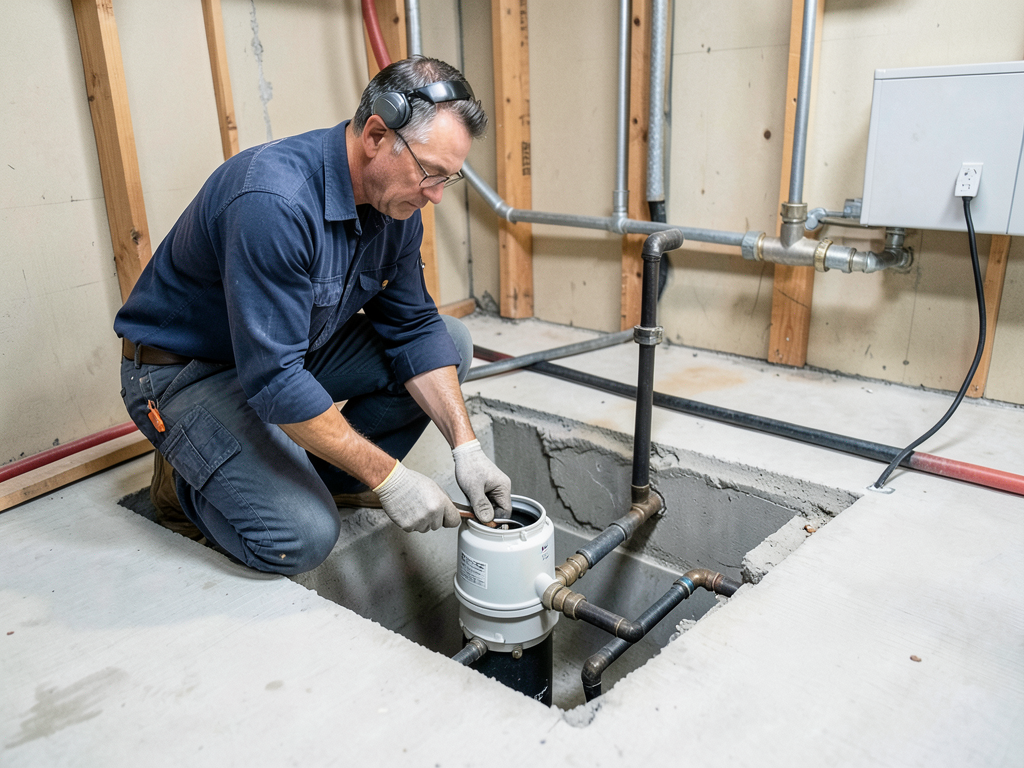
Diagram showing basement bathroom layout with gravity drain sloped pipe running under concrete slab to main sewer line
The Sewage Ejector Pump: When Gravity Isn’t an Option
Ejector pumps solve elevation problems when gravity drains become impractical. The sealed basin collects wastewater from toilets, sinks, and showers. A float switch activates the pump when water reaches a set level. The pump pushes waste through a discharge pipe to the sewer line above.. Read more about Comparing High Efficiency Toilets that Actually Flush Well for Your Point Breeze Home.
Modern ejector pumps handle solids up to 2 inches in diameter. The sealed basin prevents sewer gas from entering your basement. A check valve stops backflow when the pump shuts off. The system includes a vent pipe that connects to your home’s plumbing vent system. Pittsburgh Backflow Testing and Certification for Local Business Owners.
Installation involves cutting a hole in the basement floor for the basin. The basin typically sits 18 to 24 inches deep. Plumbing connections run from fixtures to the basin. The discharge pipe routes waste to the sewer line through walls or floors.
Key Comparison Factors: Installation, Maintenance, and Cost
Installation costs differ significantly between systems. Gravity drains require concrete cutting, soil excavation, and pipe installation. This work often takes several days and disrupts basement use. Ejector pump installation takes less time since it avoids major excavation. The basin and pump assembly install in hours rather than days.. Read more about Choosing Between a Walk-In Shower and a Traditional Bathtub for Your Shadyside Master Suite.
Maintenance requirements vary by system type. Gravity drains need occasional cleaning to prevent clogs. No mechanical parts require service. Ejector pumps need annual maintenance including basin cleaning, float switch testing, and pump inspection. The motor bearings can wear over time, requiring replacement every 7 to 10 years.
Operating costs favor gravity systems. No electricity powers the drain. Ejector pumps draw power continuously and activate multiple times daily. Power outages disable the pump, potentially causing backups if water continues entering the basin.
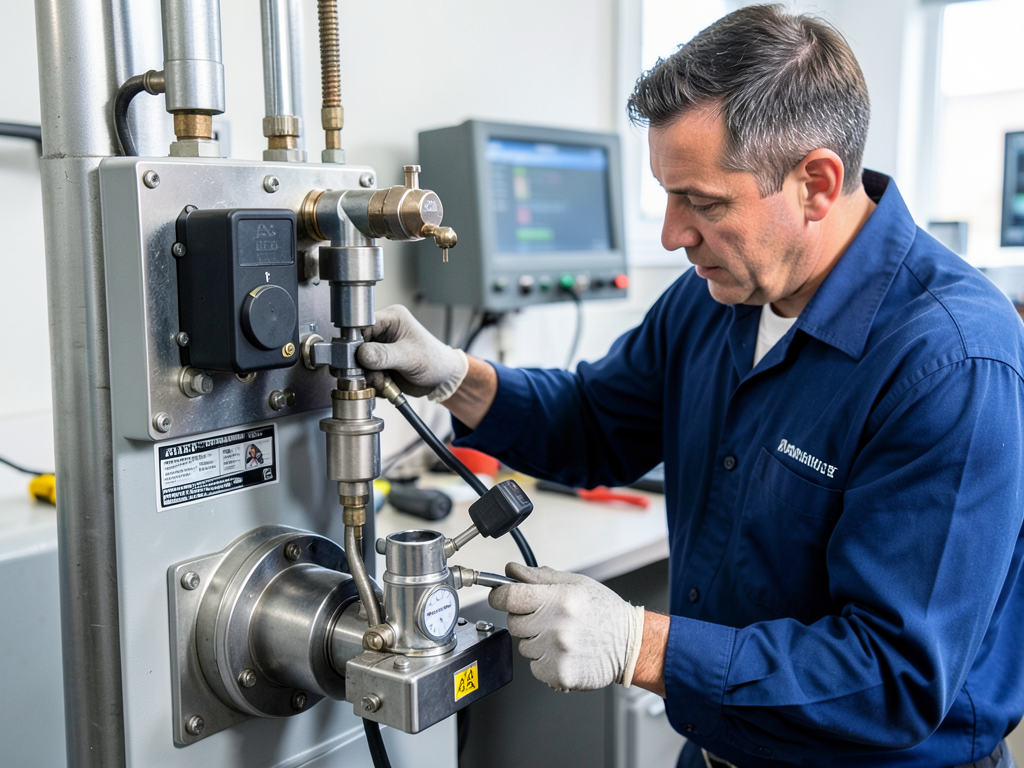
Photo showing modern sewage ejector pump basin with sealed cover, float switch, and discharge piping in basement installation
Pittsburgh Specific Considerations: Terrain and Local Building Codes
Mount Washington’s hillside location creates unique plumbing challenges. Many homes sit on slopes where sewer laterals run uphill from street mains. The Allegheny County Health Department plumbing code requires minimum 2 percent slope for drain pipes. Pipes must maintain proper grade throughout their run to prevent clogs. Allegheny County Health Department Plumbing Program.
Pennsylvania’s Uniform Construction Code mandates specific requirements for sewage lift stations. Ejector pumps must include alarm systems that alert homeowners to pump failures. The code requires check valves on discharge lines and proper venting to prevent sewer gas infiltration.
Mount Washington’s clay soil affects excavation. The dense soil can collapse during trenching, requiring shoring for safety. Rock content in hillside soil increases excavation time and equipment needs. These factors raise gravity drain installation costs in this neighborhood.
Power reliability concerns Mount Washington homeowners. Storm-related outages occur several times yearly in Pittsburgh. Ejector pump systems need battery backups or generators to prevent basement flooding during outages. Gravity drains continue working regardless of power status.
Summary: Which System Does Your Home Need?
Choose a gravity drain if your sewer line sits below your basement floor elevation. This option provides decades of trouble-free operation with minimal maintenance. The higher upfront cost pays off through reliability and zero operating expenses.
Select an ejector pump when your sewer line sits above your basement or when excavation costs become prohibitive. Modern pumps offer quiet operation and reliable waste removal. Factor in annual maintenance costs and consider battery backup for power outage protection.
Mount Washington homes often need ejector pumps due to hillside sewer elevations. The decision comes down to your specific basement floor height relative to the sewer connection. A professional assessment determines your best option based on elevation, soil conditions, and local codes.
Frequently Asked Questions
How do I know if my basement needs an ejector pump?
Measure the elevation difference between your basement floor and the nearest sewer connection point. If the sewer sits higher than your floor, you need a pump. A plumber can verify this with an elevation survey and sewer line inspection.
What happens during a power outage with an ejector pump?
The pump stops working without power. If water continues entering the basin from fixtures, it will eventually overflow. Battery backup systems provide 24 to 48 hours of operation during outages. Some homeowners install water alarms to alert them of pump failures.
How long do ejector pumps typically last?
Quality ejector pumps last 7 to 10 years with proper maintenance. The motor bearings wear from frequent starts and stops. Annual maintenance including cleaning and inspection extends pump life. Cast iron pumps outlast plastic models but cost more initially.
Can I install a bathroom without either system?
Upflush macerating toilets offer an alternative for occasional use. These systems grind waste and pump it through small pipes to existing plumbing. They work for half baths but cannot handle full bathroom loads. Local codes may restrict their use in primary residences. Mold in Bathroom Cabinets.
What maintenance does a gravity drain require?
Gravity drains need periodic cleaning to prevent grease and soap buildup. This typically means snaking the line every 2 to 3 years. No mechanical parts require service. The main concern is ensuring the pipe maintains proper slope over time as soil settles.
Photo showing plumber cutting concrete floor for basement bathroom installation with gravity drain trench preparation
Ready to Add a Basement Bathroom in Mount Washington?
Don’t guess about your plumbing needs. Call (412) 382-8366 today to schedule a professional assessment. Our team evaluates your basement elevation, sewer connection, and local code requirements to recommend the right system. We handle both gravity drain and ejector pump installations with proper permits and code compliance.
Mount Washington’s hillside terrain makes bathroom additions challenging but not impossible. The right system choice prevents future problems and protects your home investment. Pick up the phone and call (412) 382-8366 before your basement project begins. We’ll help you make the smart choice between gravity and pump systems.
Learn more about basement plumbing in Mt. Lebanon
See our tankless water heater services in Wexford
Read about old pipe issues in Shadyside For more information, visit EPA Septic Systems Overview.
You may also find this helpful. Pipe Bursting versus CIPP (Which Trenchless Sewer Repair is Right for Your North Hills Yard?).
{
“@context”: “https://schema.org”,
“@type”: “BlogPosting”,
“headline”: “Gravity Drains versus Ejector Pumps for Basement Bathrooms in Mount Washington”,
“description”: “Choosing between gravity drains and ejector pumps for your Mount Washington basement bathroom? Learn costs, codes, and hillside plumbing challenges from Pittsburgh pros.”,
“wordCount”: 1382,
“datePublished”: “2026-06-04T15:32:00.000Z”,
“dateModified”: “2026-06-04T15:32:00.000Z”,
“inLanguage”: “en-US”,
“mainEntityOfPage”: {
“@type”: “WebPage”,
“@id”: “https://aceplumbingpittsburgh.com”
},
“publisher”: {
“@type”: “LocalBusiness”,
“name”: “Ace Plumbing Pittsburgh”,
“url”: “https://aceplumbingpittsburgh.com”
},
“author”: {
“@type”: “Organization”,
“name”: “Ace Plumbing Pittsburgh”,
“url”: “https://aceplumbingpittsburgh.com”
},
“image”: {
“@type”: “ImageObject”,
“url”: “https://aceplumbingpittsburgh.com/wp-content/uploads/2026/03/gravity-drains-versus-ejector-pumps-for-basement-b-1.png”
}
}
{
“@context”: “https://schema.org”,
“@type”: “Plumber”,
“name”: “Ace Plumbing Pittsburgh”,
“url”: “https://aceplumbingpittsburgh.com”,
“address”: {
“@type”: “PostalAddress”,
“addressLocality”: “Pittsburgh”
},
“areaServed”: {
“@type”: “City”,
“name”: “Pittsburgh”
}
}
{
“@context”: “https://schema.org”,
“@type”: “FAQPage”,
“mainEntity”: [
{
“@type”: “Question”,
“name”: “Summary: Which System Does Your Home Need?”,
“acceptedAnswer”: {
“@type”: “Answer”,
“text”: “Choose a gravity drain if your sewer line sits below your basement floor elevation. This option provides decades of trouble-free operation with minimal maintenance. The higher upfront cost pays off through reliability and zero operating expenses.”
}
},
{
“@type”: “Question”,
“name”: “How do I know if my basement needs an ejector pump?”,
“acceptedAnswer”: {
“@type”: “Answer”,
“text”: “Measure the elevation difference between your basement floor and the nearest sewer connection point. If the sewer sits higher than your floor, you need a pump. A plumber can verify this with an elevation survey and sewer line inspection.”
}
},
{
“@type”: “Question”,
“name”: “What happens during a power outage with an ejector pump?”,
“acceptedAnswer”: {
“@type”: “Answer”,
“text”: “The pump stops working without power. If water continues entering the basin from fixtures, it will eventually overflow. Battery backup systems provide 24 to 48 hours of operation during outages. Some homeowners install water alarms to alert them of pump failures.”
}
},
{
“@type”: “Question”,
“name”: “How long do ejector pumps typically last?”,
“acceptedAnswer”: {
“@type”: “Answer”,
“text”: “Quality ejector pumps last 7 to 10 years with proper maintenance. The motor bearings wear from frequent starts and stops. Annual maintenance including cleaning and inspection extends pump life. Cast iron pumps outlast plastic models but cost more initially.”
}
},
{
“@type”: “Question”,
“name”: “Can I install a bathroom without either system?”,
“acceptedAnswer”: {
“@type”: “Answer”,
“text”: “Upflush macerating toilets offer an alternative for occasional use. These systems grind waste and pump it through small pipes to existing plumbing. They work for half baths but cannot handle full bathroom loads. Local codes may restrict their use in primary residences. Mold in Bathroom Cabinets.”
}
},
{
“@type”: “Question”,
“name”: “What maintenance does a gravity drain require?”,
“acceptedAnswer”: {
“@type”: “Answer”,
“text”: “Gravity drains need periodic cleaning to prevent grease and soap buildup. This typically means snaking the line every 2 to 3 years. No mechanical parts require service. The main concern is ensuring the pipe maintains proper slope over time as soil settles.”
}
},
{
“@type”: “Question”,
“name”: “Ready to Add a Basement Bathroom in Mount Washington?”,
“acceptedAnswer”: {
“@type”: “Answer”,
“text”: “Don’t guess about your plumbing needs. Call (412) 382-8366 today to schedule a professional assessment. Our team evaluates your basement elevation, sewer connection, and local code requirements to recommend the right system. We handle both gravity drain and ejector pump installations with proper permits and code compliance.”
}
}
]
}
{
“@context”: “https://schema.org”,
“@type”: “BreadcrumbList”,
“itemListElement”: [
{
“@type”: “ListItem”,
“position”: 1,
“name”: “Home”,
“item”: “https://aceplumbingpittsburgh.com”
},
{
“@type”: “ListItem”,
“position”: 2,
“name”: “Blog”,
“item”: “https://aceplumbingpittsburgh.com/blog”
},
{
“@type”: “ListItem”,
“position”: 3,
“name”: “Gravity Drains versus Ejector Pumps for Basement Bathrooms in Mount Washington”
}
]
}
{
“@context”: “https://schema.org”,
“@type”: “Service”,
“serviceType”: “Plumbing”,
“provider”: {
“@type”: “LocalBusiness”,
“name”: “Ace Plumbing Pittsburgh”,
“url”: “https://aceplumbingpittsburgh.com”
},
“areaServed”: {
“@type”: “City”,
“name”: “Pittsburgh”
},
“description”: “Choosing between gravity drains and ejector pumps for your Mount Washington basement bathroom? Learn costs, codes, and hillside plumbing challenges from Pittsburgh pros.”
}