How the massive trees in Oakland might be slowly crushing your sewer lines
The towering oaks and maples that give Oakland its character are also creating a costly plumbing nightmare. These mature trees have root systems that can extend 2-3 times their canopy height, and they’re naturally drawn to the moisture and nutrients inside your sewer pipes. In Oakland’s older homes, the problem gets worse because many still have clay pipes installed before 1970 that are especially vulnerable to root intrusion. Emergency 24 Hour Plumbing Services in the Bloomfield Area.
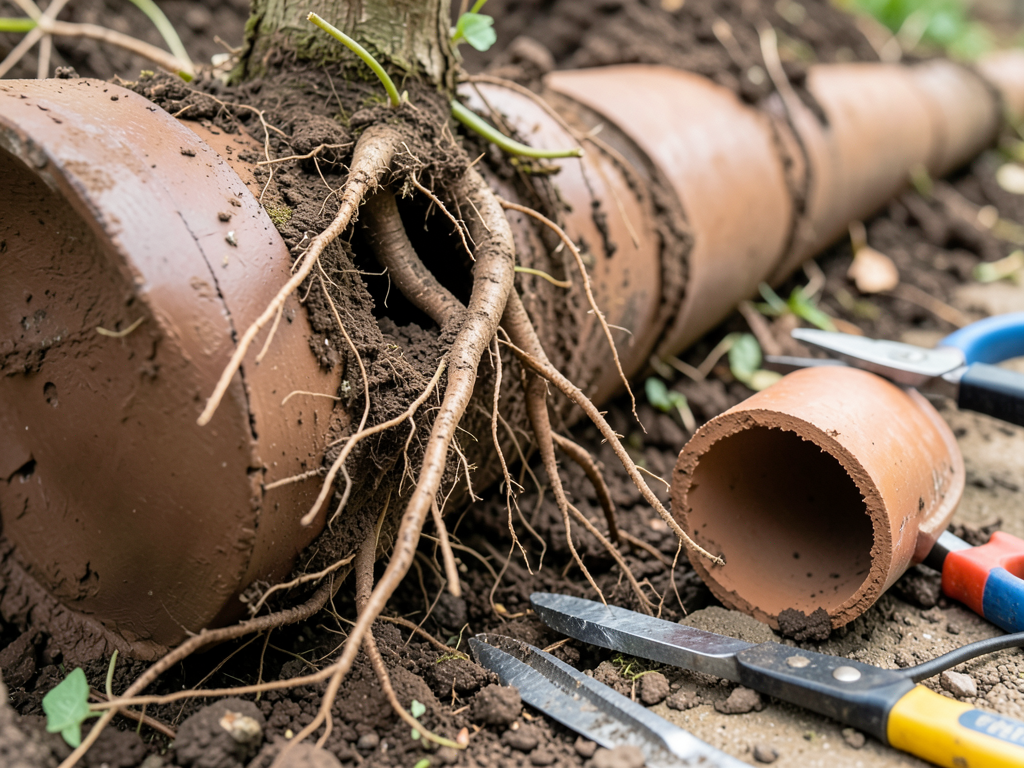
Tree roots don’t just grow into sewer lines by accident. They’re attracted to the warm, nutrient-rich environment inside your pipes. Even tiny cracks in clay pipes release moisture vapor that roots detect and follow. Once inside, roots grow and expand, creating blockages that trap debris and eventually cause complete sewer failure. The combination of Oakland’s mature tree canopy and aging infrastructure means thousands of homes are at risk right now.. Read more about Getting Your Sewer Dye Test Done Quickly for a Penn Hills Home Sale.
The damage happens slowly over years. You might notice gurgling drains, slow toilets, or wet spots in your yard before a complete backup occurs. By then, the repair costs have multiplied. The good news is that modern inspection and repair technology can fix these problems with minimal disruption to your property. The key is catching the problem early through professional inspection. EPA.
Oakland’s unique geography makes the problem even more complex. The neighborhood’s hilly terrain means many homes have sewer lines running uphill or under retaining walls. This creates pressure points where pipes are more likely to crack and roots can establish themselves more easily. Understanding these local factors is crucial for proper diagnosis and repair. The Best Local Plumbers in Mt. Lebanon for Fast Water Heater Repair.
5 warning signs you have tree roots in your Oakland sewer line
Tree root intrusion doesn’t announce itself with a dramatic failure. Instead, it shows up through subtle warning signs that many homeowners miss until it’s too late. Recognizing these early indicators can save you thousands in emergency repairs.
The first sign is often gurgling sounds from your drains or toilets when you flush. This happens because roots are creating partial blockages that trap air. You might also notice that your drains are slower than usual, especially during heavy water use like doing laundry or running the dishwasher. These symptoms come and go at first, making them easy to ignore.
Another red flag is recurring clogs that keep coming back even after you clear them. If you’re constantly plunging toilets or dealing with backed-up sinks, tree roots could be the culprit. The roots trap toilet paper and other debris, creating stubborn blockages that basic drain cleaners can’t fix. Dealing With Old Pipe Problems in Historic Shadyside Homes.
Wet spots in your yard or unusually lush patches of grass can indicate a sewer leak caused by root damage. The sewage acts as fertilizer, causing that specific area to grow faster than the surrounding lawn. You might also notice foul odors coming from drains or in your yard, especially after rain when the ground is saturated.
The most dramatic sign is sewage backing up into your basement or lowest floor drains. This usually happens during heavy water use and indicates a severe blockage. By this point, you’re facing emergency repair costs and potential water damage to your home’s structure and belongings.
The Pittsburgh factor: Why our hills and aging infrastructure lead to root damage
Oakland’s plumbing problems are unique to Pittsburgh’s geography and history. The neighborhood was developed during Pittsburgh’s industrial boom, with many homes built between 1900 and 1950. These homes typically have vitrified clay pipes (VCP) that were standard before plastic pipes became common in the 1970s. Pittsburgh Backflow Testing and Certification for Local Business Owners.
Clay pipes are particularly vulnerable to root intrusion because they’re installed in sections that are joined together. These joints create natural entry points for tiny roots. Over time, Pittsburgh’s freeze-thaw cycles cause the clay to expand and contract, creating hairline cracks that roots exploit. The city’s combined sewer system, managed by ALCOSAN, also means older pipes face additional stress from fluctuating water volumes.
The neighborhood’s hilly terrain creates another layer of complexity. Many Oakland homes have sewer laterals that run uphill from the house to the main sewer line. This means pipes are often buried under retaining walls or landscaped areas. When roots damage these pipes, repairs become more complicated and expensive because of the difficult access.
Pittsburgh’s climate also contributes to the problem. Our wet springs and humid summers create ideal conditions for tree growth. The heavy clay soil common in Oakland retains moisture, encouraging roots to grow deeper and spread wider in search of water. This aggressive root growth increases the chances of finding and penetrating sewer lines.
According to the Pittsburgh Water and Sewer Authority, the average age of sewer laterals in Oakland exceeds 70 years. This means most homes still have the original pipes installed when the house was built. The combination of old materials, aggressive tree growth, and challenging terrain creates a perfect storm for root-related plumbing failures.
Modern root removal solutions: Camera inspections, hydro-jetting, and trenchless repair
Today’s plumbing technology offers several effective solutions for tree root problems that don’t require tearing up your entire yard. The first step is always a professional camera inspection, which allows plumbers to see exactly what’s happening inside your pipes without any digging.
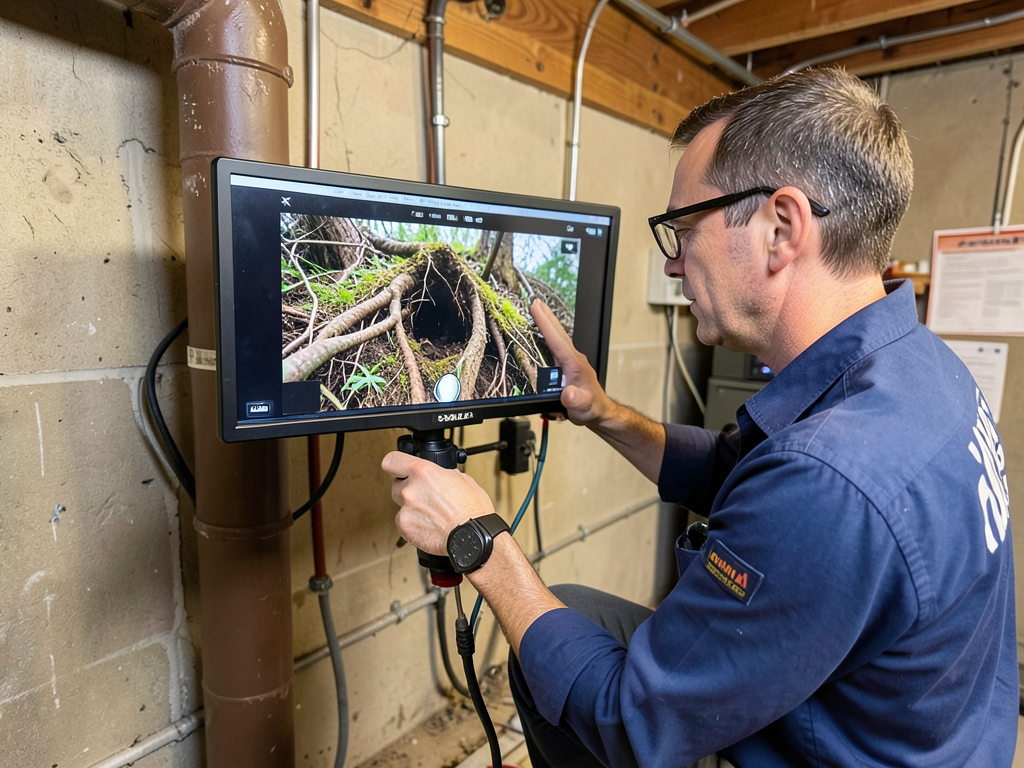
During a camera inspection, a waterproof camera is fed through your sewer line while you watch the live video feed. The camera reveals root locations, pipe damage, and blockage severity. This diagnostic step is crucial because it determines which repair method will be most effective and helps avoid unnecessary excavation.
For minor root intrusion, hydro-jetting is often the best solution. This process uses high-pressure water (up to 4,000 PSI) to cut through roots and flush them out of your pipes. The water jets spin 360 degrees, thoroughly cleaning the pipe walls and removing all root material. Hydro-jetting is environmentally friendly and doesn’t use harsh chemicals that could harm your trees or soil. Grease Trap Cleaning & Pumping.
When roots have caused significant damage, trenchless pipe lining might be the answer. This process involves inserting a flexible liner coated with epoxy resin into your damaged pipe. The liner is then inflated and cured in place, creating a new pipe within your old one. This method preserves your landscaping and typically costs 30-50% less than traditional excavation.
For severe cases where pipes are collapsed or severely damaged, pipe bursting might be necessary. This technique pulls a new pipe through the old one while simultaneously breaking apart the damaged pipe. Like lining, this method minimizes surface disruption and can be completed in a single day for most residential jobs.
The cost of these services varies based on your specific situation, but camera inspections typically range from $250-$400, hydro-jetting from $400-$800, and trenchless repairs from $2,000-$5,000 depending on pipe length and damage extent. These investments are far less expensive than emergency excavation and yard restoration.
Preventing future intrusion: Root-safe trees for Pennsylvania landscapes
Once you’ve dealt with existing root problems, preventing future issues becomes important. The key is understanding which trees are most likely to cause sewer line damage and choosing alternatives when planting near your home.
Certain tree species are notorious for aggressive root systems that seek out water sources. Silver maples, willows, poplars, and American elms are particularly problematic because their roots grow quickly and spread widely. These trees can send roots 100 feet or more from their trunk in search of moisture.
Better choices for Pennsylvania landscapes include trees with less invasive root systems. Japanese tree lilacs, serviceberries, and dogwoods have compact root systems that rarely cause plumbing problems. These trees still provide beauty and shade without threatening your sewer lines. When planting any tree, maintain a minimum distance of 10 feet from your sewer line for small trees and 20 feet for larger varieties.
Even with careful tree selection, proper planting techniques matter. When installing new trees, dig the hole at least twice the width of the root ball but only as deep as the root ball itself. This encourages roots to grow outward rather than down. Adding a root barrier between the tree and your sewer line can also help direct root growth away from pipes.
Regular maintenance is crucial for preventing root problems. Have your sewer lines inspected every 2-3 years, especially if you have mature trees on your property. Early detection of root intrusion allows for simpler, less expensive repairs. You can also use copper sulfate treatments periodically to discourage root growth near pipes, though this should be done carefully to avoid harming your trees.
For Oakland residents, working with a local arborist who understands our specific soil conditions and tree species can be invaluable. They can recommend trees that thrive in Pittsburgh’s climate while minimizing plumbing risks. Some native Pennsylvania species like redbuds and serviceberries offer excellent alternatives to more aggressive varieties.
Estimated cost of sewer root removal in Allegheny County
The cost of addressing tree root problems in your sewer line depends on several factors specific to Allegheny County’s housing stock and terrain. Understanding these cost variables can help you budget appropriately and avoid surprise expenses.
Camera inspections, which are essential for proper diagnosis, typically cost $250-$400 in the Pittsburgh area. This price includes the technician running the camera through your entire sewer lateral and providing a detailed report with video footage. Some companies offer this service free with repair work, but it’s worth paying for an independent inspection to get an unbiased assessment.
Basic root removal through snaking or augering ranges from $200-$500 for minor blockages. This method uses a rotating cable with a cutting head to chop through roots. While effective for immediate relief, roots often grow back within 1-2 years with this approach. For more thorough cleaning, hydro-jetting costs $400-$800 and provides longer-lasting results.
Trenchless pipe lining, which creates a new pipe inside your damaged one, typically costs $2,000-$5,000 for residential jobs in Allegheny County. The price depends on pipe length, with most homes needing 50-100 feet of lining. This method is often more cost-effective than traditional excavation, which can run $5,000-$10,000 when you factor in landscaping restoration.
Full sewer line replacement through traditional excavation ranges from $50-$100 per foot in Pittsburgh, with most residential jobs costing $3,000-$7,000. However, this doesn’t include the cost of restoring your yard, driveway, or sidewalk that must be removed during the work. These restoration costs can easily double the total project price.
Several factors influence these costs in Oakland specifically. The neighborhood’s older homes often require more extensive repairs because of the age and condition of the original pipes. Hilly terrain can increase labor costs by 20-30% due to the difficulty of accessing pipes buried under retaining walls or steep slopes.
Insurance coverage for these repairs varies widely. Most standard homeowner policies don’t cover root damage because it’s considered a maintenance issue rather than sudden damage. However, some policies include sewer backup coverage that might help with related water damage. Always check with your insurance provider about your specific coverage before proceeding with major repairs.
Why waiting costs more: The hidden damage of untreated root intrusion
Ignoring early signs of tree root intrusion is one of the most expensive mistakes homeowners make. What starts as a minor blockage can quickly escalate into a major plumbing emergency that costs thousands more to fix.
When roots first enter your pipes, they create small leaks that allow sewage to escape into the surrounding soil. This wastewater acts as a fertilizer, causing excessive plant growth above the damaged area. You might notice this as unusually green patches in your lawn or areas where grass grows faster than surrounding areas.
As roots continue to grow, they trap debris like toilet paper, grease, and other materials. This creates partial blockages that cause your plumbing to work harder. Your toilets may require multiple flushes, drains may empty slowly, and you might hear gurgling sounds from your pipes. These symptoms indicate that roots are already well-established inside your plumbing.
The real damage happens when roots completely block your sewer line. At this point, sewage has nowhere to go except back into your home. This typically happens during heavy water use when your plumbing system is under maximum stress. The result is sewage backing up through your lowest drains, often in your basement or first-floor bathrooms.
Emergency plumbing services in Pittsburgh charge premium rates for after-hours calls, often 1.5 to 2 times their normal rates. A typical emergency root removal during nights or weekends can cost $800-$1,500 just for the service call, before any actual repairs begin. Add in the cost of water damage cleanup, which averages $2,000-$5,000 for a typical basement backup, and your total bill can easily exceed $5,000.
Beyond the immediate repair costs, untreated root intrusion can cause foundation damage. As roots grow and expand, they can crack your home’s foundation or cause soil erosion that undermines your home’s structural support. These repairs can cost tens of thousands of dollars and may not be covered by insurance if they result from neglected maintenance.
The psychological cost is also significant. Living with the constant worry that your plumbing will fail creates unnecessary stress. Many homeowners report anxiety about leaving home for extended periods or hosting guests because they’re unsure if their plumbing will handle the additional use.
Choosing the right plumber for Oakland’s unique challenges
Not all plumbers have experience with Oakland’s specific plumbing challenges. The neighborhood’s combination of old infrastructure, hilly terrain, and mature tree canopy requires specialized knowledge and equipment that many general plumbers lack.
Look for plumbers who specifically mention experience with older Pittsburgh homes and clay pipe systems. These professionals understand the unique challenges of working with materials installed before modern building codes. They should be familiar with ALCOSAN regulations and the specific requirements for sewer line repairs in combined sewer areas.
Proper diagnostic equipment is essential. Any reputable plumber should offer video camera inspection as part of their diagnostic process. This technology allows them to see exactly what’s happening inside your pipes and provide accurate recommendations. Be wary of companies that quote prices without first inspecting your specific situation.
Experience with trenchless technology is another important factor. Many Oakland homes have beautiful landscaping, mature trees, or hardscaping that would be expensive to replace if traditional excavation were necessary. Plumbers experienced in trenchless methods can often preserve your property while still providing effective repairs.
Check for proper licensing and insurance. In Pennsylvania, plumbers must be licensed by the state, and reputable companies carry both liability insurance and workers’ compensation coverage. Don’t hesitate to ask for proof of these credentials before allowing any work to begin.
Local references matter. Ask for examples of similar work they’ve done in Oakland or nearby neighborhoods like Squirrel Hill or Shadyside. These areas have similar housing stock and plumbing challenges. A company that’s successfully completed projects in these neighborhoods will likely understand your specific needs.
Finally, look for transparency in pricing and process. A reputable plumber should be willing to explain their diagnostic findings, show you the camera footage, and provide a detailed written estimate before any work begins. They should also offer warranties on their work, typically ranging from one to five years depending on the repair method used.
Frequently Asked Questions
How do I know if my Oakland home has clay pipes?
Homes built before 1970 in Oakland likely have clay pipes. You can verify by checking your home’s building permit records or having a plumber perform a camera inspection. Clay pipes are typically orange-brown in color and have visible joints where sections connect.
Can I use chemical root killers to solve my sewer line problems?
Copper sulfate treatments can help prevent root growth but won’t solve existing blockages. These chemicals work slowly and may harm your trees if overused. They’re best used as a preventative measure after professional root removal, not as a primary solution for active problems.
How often should I have my sewer line inspected in Oakland?
Every 2-3 years is recommended for homes with mature trees. If you’ve had previous root problems, annual inspections are wise. Regular inspections catch issues early when they’re less expensive to fix and before they cause sewage backups or property damage.
Will my homeowner’s insurance cover root damage to my sewer line?
Most standard policies don’t cover root damage because it’s considered a maintenance issue. However, some policies include sewer backup coverage that might help with water damage from backups. Always check with your insurance provider about your specific coverage before proceeding with repairs.
How long does trenchless pipe lining last compared to traditional replacement?
Quality trenchless lining typically lasts 50+ years, similar to new pipe installation. The epoxy resin used in lining is resistant to root intrusion and corrosion. Many manufacturers offer 10-25 year warranties on their lining materials when properly installed by certified technicians.
Tree roots in your Oakland sewer line aren’t just a plumbing problem—they’re a ticking time bomb that can flood your basement and cost you thousands in emergency repairs. The combination of Oakland’s mature trees, aging clay pipes, and challenging terrain creates a perfect storm for root-related plumbing failures. Don’t wait until you’re standing in sewage to take action.
Professional camera inspection is the first step to understanding your specific situation. Modern solutions like hydro-jetting and trenchless pipe lining can fix these problems with minimal disruption to your property. The cost of preventative maintenance is always less than emergency repairs and water damage cleanup.
Call (412) 382-8366 today to schedule your sewer line inspection before the next heavy rain hits. Our experienced technicians understand Oakland’s unique plumbing challenges and can recommend the most cost-effective solution for your home. Don’t let those beautiful trees turn into a plumbing nightmare—take action now and protect your home and peace of mind.
Pick up the phone and call (412) 382-8366 before the next storm hits. Tree root problems only get worse with time, and waiting means higher costs and greater risk of sewage backing up into your home. Our team is ready to help you solve this problem before it becomes an emergency. For more information, visit IICRC.
{
“@context”: “https://schema.org”,
“@type”: “BlogPosting”,
“headline”: “How the massive trees in Oakland might be slowly crushing your sewer lines”,
“description”: “Mature trees in Oakland are a hidden threat to your sewer lines. Learn how Pittsburgh’s aging clay pipes and tree roots create costly damage and what to do.”,
“wordCount”: 3042,
“datePublished”: “2026-03-25T09:52:00.000Z”,
“dateModified”: “2026-03-25T09:52:00.000Z”,
“inLanguage”: “en-US”,
“mainEntityOfPage”: {
“@type”: “WebPage”,
“@id”: “https://aceplumbingpittsburgh.com”
},
“publisher”: {
“@type”: “LocalBusiness”,
“name”: “Ace Plumbing Pittsburgh”,
“url”: “https://aceplumbingpittsburgh.com”
},
“author”: {
“@type”: “Organization”,
“name”: “Ace Plumbing Pittsburgh”,
“url”: “https://aceplumbingpittsburgh.com”
},
“image”: {
“@type”: “ImageObject”,
“url”: “https://aceplumbingpittsburgh.com/wp-content/uploads/2026/03/how-the-massive-trees-in-oakland-might-be-slowly-c-1.png”
}
}
{
“@context”: “https://schema.org”,
“@type”: “Plumber”,
“name”: “Ace Plumbing Pittsburgh”,
“url”: “https://aceplumbingpittsburgh.com”,
“address”: {
“@type”: “PostalAddress”,
“addressLocality”: “Pittsburgh”
},
“areaServed”: {
“@type”: “City”,
“name”: “Pittsburgh”
}
}
{
“@context”: “https://schema.org”,
“@type”: “FAQPage”,
“mainEntity”: [
{
“@type”: “Question”,
“name”: “How do I know if my Oakland home has clay pipes?”,
“acceptedAnswer”: {
“@type”: “Answer”,
“text”: “Homes built before 1970 in Oakland likely have clay pipes. You can verify by checking your home’s building permit records or having a plumber perform a camera inspection. Clay pipes are typically orange-brown in color and have visible joints where sections connect.”
}
},
{
“@type”: “Question”,
“name”: “Can I use chemical root killers to solve my sewer line problems?”,
“acceptedAnswer”: {
“@type”: “Answer”,
“text”: “Copper sulfate treatments can help prevent root growth but won’t solve existing blockages. These chemicals work slowly and may harm your trees if overused. They’re best used as a preventative measure after professional root removal, not as a primary solution for active problems.”
}
},
{
“@type”: “Question”,
“name”: “How often should I have my sewer line inspected in Oakland?”,
“acceptedAnswer”: {
“@type”: “Answer”,
“text”: “Every 2-3 years is recommended for homes with mature trees. If you’ve had previous root problems, annual inspections are wise. Regular inspections catch issues early when they’re less expensive to fix and before they cause sewage backups or property damage.”
}
},
{
“@type”: “Question”,
“name”: “Will my homeowner’s insurance cover root damage to my sewer line?”,
“acceptedAnswer”: {
“@type”: “Answer”,
“text”: “Most standard policies don’t cover root damage because it’s considered a maintenance issue. However, some policies include sewer backup coverage that might help with water damage from backups. Always check with your insurance provider about your specific coverage before proceeding with repairs.”
}
},
{
“@type”: “Question”,
“name”: “How long does trenchless pipe lining last compared to traditional replacement?”,
“acceptedAnswer”: {
“@type”: “Answer”,
“text”: “Quality trenchless lining typically lasts 50+ years, similar to new pipe installation. The epoxy resin used in lining is resistant to root intrusion and corrosion. Many manufacturers offer 10-25 year warranties on their lining materials when properly installed by certified technicians.”
}
}
]
}
{
“@context”: “https://schema.org”,
“@type”: “BreadcrumbList”,
“itemListElement”: [
{
“@type”: “ListItem”,
“position”: 1,
“name”: “Home”,
“item”: “https://aceplumbingpittsburgh.com”
},
{
“@type”: “ListItem”,
“position”: 2,
“name”: “Blog”,
“item”: “https://aceplumbingpittsburgh.com/blog”
},
{
“@type”: “ListItem”,
“position”: 3,
“name”: “How the massive trees in Oakland might be slowly crushing your sewer lines”
}
]
}
{
“@context”: “https://schema.org”,
“@type”: “Service”,
“serviceType”: “Plumbing”,
“provider”: {
“@type”: “LocalBusiness”,
“name”: “Ace Plumbing Pittsburgh”,
“url”: “https://aceplumbingpittsburgh.com”
},
“areaServed”: {
“@type”: “City”,
“name”: “Pittsburgh”
},
“description”: “Mature trees in Oakland are a hidden threat to your sewer lines. Learn how Pittsburgh’s aging clay pipes and tree roots create costly damage and what to do.”
}