Why Your Basement Floor Drain Might Be Backing Up After a Heavy Pittsburgh Storm
When Pittsburgh gets hit with a heavy downpour, your basement floor drain can quickly turn from a minor nuisance into a major flood risk. If you’re seeing water gurgling up from that drain after a storm, you’re experiencing a problem that affects thousands of homes across Allegheny County each year. Pittsburgh Backflow Testing and Certification for Local Business Owners.
The issue isn’t just about the amount of rain falling from the sky. Pittsburgh’s unique combination of aging infrastructure, combined sewer systems, and hilly topography creates perfect conditions for basement backups during heavy precipitation events.. Read more about What to do with the old Pittsburgh Potty in your Troy Hill basement.
How Pittsburgh’s Combined Sewer System Affects Your Basement
Pittsburgh operates on a combined sewer system where stormwater and wastewater flow through the same pipes. During heavy rainfall, these pipes can reach capacity within minutes, causing water to back up through the path of least resistance – often your basement floor drain.
The problem is particularly acute in older neighborhoods where clay sewer pipes installed before 1970 have deteriorated over decades. Tree roots from mature maples and oaks common in areas like Squirrel Hill and Shadyside infiltrate these pipes, creating blockages that worsen during storms.
According to ALCOSAN (Allegheny County Sanitary Authority), the regional wastewater treatment agency, the system handles over 250 million gallons of wastewater daily. During peak storm events, this volume can double or triple, overwhelming the network.
Common Causes of Floor Drain Backups
Understanding what’s causing your backup helps determine the right solution. Here are the primary culprits:. Read more about Why a battery backup is the only way to save your Millvale basement during a power outage.
- Main Sewer Line Clogs
Accumulated grease, debris, and sediment create blockages that trap water. During storms, pressure forces water back up through floor drains. Grease Trap Cleaning & Pumping.
- Tree Root Intrusion
Roots from nearby trees penetrate clay pipes through joints, creating a net that catches debris and reduces flow capacity.. Read more about How the massive trees in Oakland might be slowly crushing your sewer lines.
- Collapsed or Bellied Pipes
Soil settling in Pittsburgh’s clay-rich ground causes pipes to sag, creating low spots where debris accumulates.
- High Water Table
Pittsburgh’s hilly terrain means some homes sit in natural drainage paths where groundwater rises during storms.
- Improper Drain Trap
A dry or damaged P-trap allows sewer gases to enter while failing to prevent backflow during pressure changes.
Warning Signs Before a Major Backup
Floor drain backups rarely happen without warning. Watch for these early indicators:
- Gurgling sounds from drains when toilets flush or washing machines drain
- Slow drainage in multiple fixtures throughout the house
- Foul odors emanating from floor drains
- Water backing up into basement floor drains when upper floor fixtures are used
- Visible standing water around floor drains after light rain
These symptoms indicate your drainage system is already compromised and vulnerable to storm-related backups.
Immediate Steps When Your Floor Drain Backs Up
If water is actively backing up from your floor drain during a storm, take these emergency steps: Emergency 24 Hour Plumbing Services in the Bloomfield Area.
- Stop Using Water
Immediately cease using any plumbing fixtures to prevent additional water from entering the system.
- Protect Valuables
Move items off the basement floor and elevate them on blocks or shelves.
- Document the Damage
Take photos and videos for insurance purposes before cleaning up.
- Avoid Contact
Backed-up water may contain sewage. Wear protective gear if you must be near it.
- Call for Professional Help
Time is critical. The longer water sits, the more damage it causes.
According to the EPA’s emergency response guidelines, contaminated water exposure can cause serious health risks including bacterial infections and respiratory issues. EPA emergency response guidelines.
Professional Solutions for Pittsburgh Homes
Professional plumbers use several diagnostic and repair methods to address floor drain backups: The Best Local Plumbers in Mt. Lebanon for Fast Water Heater Repair.
| Service | Process | Best For |
|---|---|---|
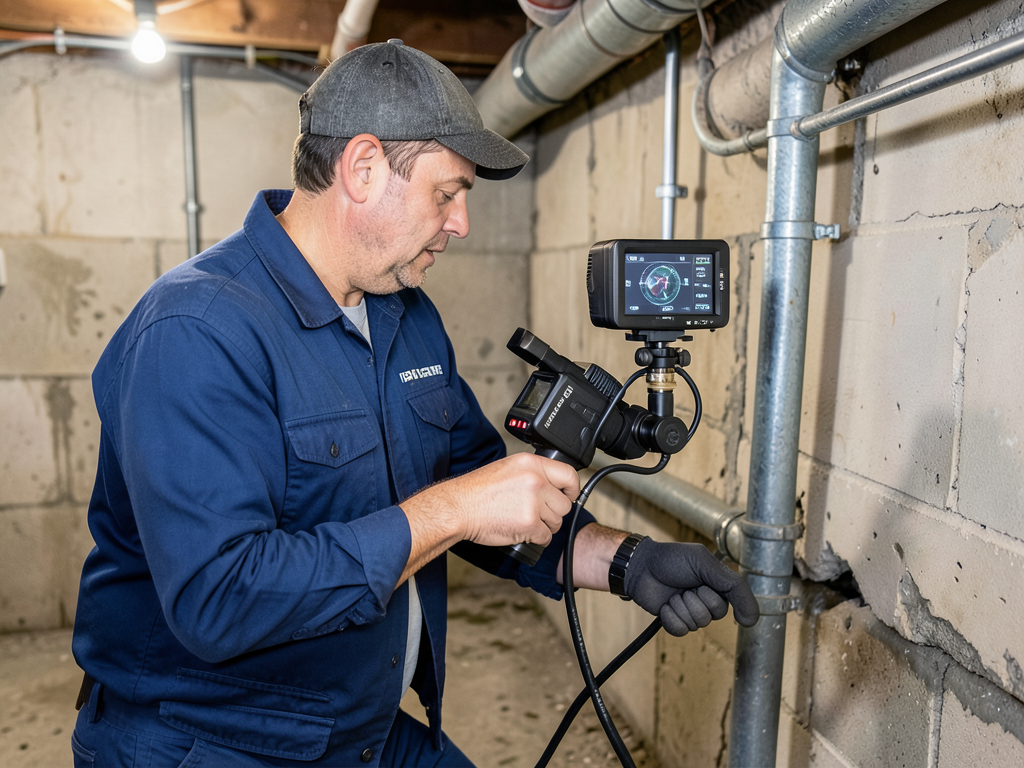
| Video Pipe Inspection | Insert waterproof camera to locate blockages, cracks, and root intrusions | Identifying exact problem locations |
| Hydro-Jetting | High-pressure water (up to 4,000 PSI) clears pipes of roots, grease, and scale | Severe blockages and maintenance |
| Snaking/Augering | Mechanical cable breaks through clogs and retrieves debris | Minor to moderate blockages |
| Backwater Valve Installation | Check valve prevents reverse flow during sewer surcharges | Long-term protection |
| Pipe Lining | Epoxy lining creates new pipe within old pipe without excavation | Damaged but intact pipes |
Video inspections are particularly valuable in Pittsburgh’s older neighborhoods where the exact location of sewer laterals can be difficult to determine due to multiple renovations over decades.
Preventing Future Backups
Prevention is more cost-effective than emergency repairs. Consider these protective measures:
- Install a Backwater Prevention Valve
According to the International Plumbing Code Section 312, backwater valves are required in flood-prone areas and provide the most reliable protection against sewer backflow.
- Regular Drain Cleaning
Annual hydro-jetting removes buildup before it becomes problematic, especially important in homes with cast iron pipes common in Pittsburgh’s pre-1970 construction.
- Tree Root Management
Root barriers or selective removal of problematic trees can prevent future intrusions in clay pipe systems.
- Proper Grading
Ensure downspouts direct water at least 6 feet from foundation walls to reduce hydrostatic pressure.
- Install a Sump Pump
For homes in low-lying areas, a sump pump with battery backup provides additional protection during power outages common during storms.
The City of Pittsburgh’s PWSA (Pittsburgh Water and Sewer Authority) offers a lateral line insurance program that covers repairs to the portion of sewer line between your home and the street, though coverage details vary by neighborhood and pipe material.
Insurance Considerations
Standard homeowners insurance typically doesn’t cover sewer backups. You’ll need a separate rider or endorsement. Document everything if you experience a backup:
- Take timestamped photos and videos immediately
- Keep receipts for emergency services
- Document the cause if known (storm, blockage, etc.)
- Save all communication with your insurance company
According to FEMA guidelines, water damage from sewer backups is classified differently than surface flooding, affecting how claims are processed and covered. FEMA guidelines.
Why Pittsburgh Homes Are Particularly Vulnerable
Pittsburgh’s unique geography creates specific challenges:
Topography: The city’s hilly terrain means homes in valleys experience higher groundwater levels and increased hydrostatic pressure on basement drains.
Soil Composition: Western Pennsylvania’s clay-heavy soil expands when wet, putting pressure on underground pipes and causing them to shift or collapse.
Infrastructure Age: Many Pittsburgh neighborhoods have sewer systems over 80 years old, with cast iron pipes that corrode from the inside out, creating scale buildup that reduces capacity by up to 70%.
Climate Patterns: Pittsburgh receives an average of 38 inches of rain annually, with spring and fall being particularly heavy. The freeze-thaw cycles common in Western PA cause soil movement that damages underground pipes.
Cost Factors for Repair and Prevention
Repair costs vary significantly based on the specific problem and solution:
| Service | Typical Cost Range | Factors Affecting Price |
|---|---|---|
| Video Inspection | $250 – $500 | Access difficulty, pipe length |
| Hydro-Jetting | $400 – $800 | Blockage severity, pipe condition |
| Backwater Valve | $1,500 – $3,000 | Installation complexity, permit requirements |
| Sewer Line Replacement | $3,000 – $15,000 | Length, depth, material, excavation needs |
| Emergency Service Call | $150 – $300 | Time of day, urgency |
Emergency services during storms typically cost 25-50% more due to urgency and limited availability of plumbers.
Frequently Asked Questions
Is a floor drain backup an emergency?
Yes, especially if sewage is involved. Raw sewage contains harmful bacteria and pathogens that pose serious health risks. Additionally, water damage can quickly escalate, causing structural issues and mold growth within 24-48 hours.
Does homeowners insurance cover sewer backups?
Standard policies typically exclude sewer backups. You need a specific endorsement or rider, which usually costs $50-$100 annually but can save thousands in repair costs. Document everything and contact your insurer immediately if you experience a backup.
How often should I have my drains cleaned?
For Pittsburgh homes, annual cleaning is recommended, especially if you have older pipes or large trees near your sewer line. Homes with cast iron pipes may need cleaning every 6-12 months due to scale buildup.
Can I prevent floor drain backups myself?
While you can’t control municipal sewer systems, you can reduce risk by installing a backwater valve, maintaining your drains, and ensuring proper yard drainage. However, professional installation of prevention devices is strongly recommended for code compliance and warranty purposes.
Take Action Before the Next Storm
Floor drain backups during Pittsburgh storms aren’t just inconvenient – they’re warning signs of potentially serious plumbing issues that can cause thousands of dollars in damage. The combination of our aging infrastructure, heavy rainfall patterns, and unique topography makes prevention essential.
Don’t wait until water is actively backing up into your basement. A simple video inspection can identify problems before they cause damage, potentially saving you from emergency service calls that cost significantly more during storm events. Dealing With Old Pipe Problems in Historic Shadyside Homes.
Call (412) 382-8366 today to schedule your drain inspection or backwater valve installation. Our experienced technicians understand Pittsburgh’s unique plumbing challenges and can recommend the right solution for your home’s specific needs. Available 24/7 for emergency service throughout Allegheny County.. Read more about How to tell if your septic tank in Mars PA needs an urgent pump out.
Pick up the phone and call (412) 382-8366 before the next storm hits. Your basement – and your peace of mind – will thank you.
You may also find this helpful. Things you should never put down your garbage disposal in a Wexford kitchen.
You may also find this helpful. When a plunger isn’t enough for a clogged toilet in your Strip District loft.
{
“@context”: “https://schema.org”,
“@type”: “BlogPosting”,
“headline”: “Why your basement floor drain might be backing up after a heavy Pittsburgh storm”,
“description”: “Learn why Pittsburgh’s heavy storms cause basement floor drain backups. Discover the causes, warning signs, and solutions to prevent flooding in your home.”,
“wordCount”: 1507,
“datePublished”: “2026-03-14T09:12:00.000Z”,
“dateModified”: “2026-03-14T09:12:00.000Z”,
“inLanguage”: “en-US”,
“mainEntityOfPage”: {
“@type”: “WebPage”,
“@id”: “https://aceplumbingpittsburgh.com”
},
“publisher”: {
“@type”: “LocalBusiness”,
“name”: “Ace Plumbing Pittsburgh”,
“url”: “https://aceplumbingpittsburgh.com”
},
“author”: {
“@type”: “Organization”,
“name”: “Ace Plumbing Pittsburgh”,
“url”: “https://aceplumbingpittsburgh.com”
},
“image”: {
“@type”: “ImageObject”,
“url”: “https://aceplumbingpittsburgh.com/wp-content/uploads/2026/03/why-your-basement-floor-drain-might-be-backing-up-1.png”
}
}
{
“@context”: “https://schema.org”,
“@type”: “Plumber”,
“name”: “Ace Plumbing Pittsburgh”,
“url”: “https://aceplumbingpittsburgh.com”,
“address”: {
“@type”: “PostalAddress”,
“addressLocality”: “Pittsburgh”
},
“areaServed”: {
“@type”: “City”,
“name”: “Pittsburgh”
}
}
{
“@context”: “https://schema.org”,
“@type”: “FAQPage”,
“mainEntity”: [
{
“@type”: “Question”,
“name”: “Is a floor drain backup an emergency?”,
“acceptedAnswer”: {
“@type”: “Answer”,
“text”: “Yes, especially if sewage is involved. Raw sewage contains harmful bacteria and pathogens that pose serious health risks. Additionally, water damage can quickly escalate, causing structural issues and mold growth within 24-48 hours.”
}
},
{
“@type”: “Question”,
“name”: “Does homeowners insurance cover sewer backups?”,
“acceptedAnswer”: {
“@type”: “Answer”,
“text”: “Standard policies typically exclude sewer backups. You need a specific endorsement or rider, which usually costs $50-$100 annually but can save thousands in repair costs. Document everything and contact your insurer immediately if you experience a backup.”
}
},
{
“@type”: “Question”,
“name”: “Can I prevent floor drain backups myself?”,
“acceptedAnswer”: {
“@type”: “Answer”,
“text”: “While you can’t control municipal sewer systems, you can reduce risk by installing a backwater valve, maintaining your drains, and ensuring proper yard drainage. However, professional installation of prevention devices is strongly recommended for code compliance and warranty purposes.”
}
}
]
}
{
“@context”: “https://schema.org”,
“@type”: “HowTo”,
“name”: “Diagnosing Floor Drain Backups”,
“step”: [
{
“@type”: “HowToStep”,
“position”: 1,
“name”: “Main Sewer Line Clogs”,
“text”: “Accumulated grease, debris, and sediment create blockages that trap water. During storms, pressure forces water back up through floor drains. Grease Trap Cleaning & Pumping.”
},
{
“@type”: “HowToStep”,
“position”: 2,
“name”: “Tree Root Intrusion”,
“text”: “Roots from nearby trees penetrate clay pipes through joints, creating a net that catches debris and reduces flow capacity.”
},
{
“@type”: “HowToStep”,
“position”: 3,
“name”: “Collapsed or Bellied Pipes”,
“text”: “Soil settling in Pittsburgh’s clay-rich ground causes pipes to sag, creating low spots where debris accumulates.”
},
{
“@type”: “HowToStep”,
“position”: 4,
“name”: “High Water Table”,
“text”: “Pittsburgh’s hilly terrain means some homes sit in natural drainage paths where groundwater rises during storms.”
},
{
“@type”: “HowToStep”,
“position”: 5,
“name”: “Improper Drain Trap”,
“text”: “A dry or damaged P-trap allows sewer gases to enter while failing to prevent backflow during pressure changes.”
}
],
“image”: “https://aceplumbingpittsburgh.com/wp-content/uploads/2026/03/why-your-basement-floor-drain-might-be-backing-up-1.png”
}
{
“@context”: “https://schema.org”,
“@type”: “BreadcrumbList”,
“itemListElement”: [
{
“@type”: “ListItem”,
“position”: 1,
“name”: “Home”,
“item”: “https://aceplumbingpittsburgh.com”
},
{
“@type”: “ListItem”,
“position”: 2,
“name”: “Blog”,
“item”: “https://aceplumbingpittsburgh.com/blog”
},
{
“@type”: “ListItem”,
“position”: 3,
“name”: “Why your basement floor drain might be backing up after a heavy Pittsburgh storm”
}
]
}
{
“@context”: “https://schema.org”,
“@type”: “Service”,
“serviceType”: “Plumbing”,
“provider”: {
“@type”: “LocalBusiness”,
“name”: “Ace Plumbing Pittsburgh”,
“url”: “https://aceplumbingpittsburgh.com”
},
“areaServed”: {
“@type”: “City”,
“name”: “Pittsburgh”
},
“description”: “Learn why Pittsburgh’s heavy storms cause basement floor drain backups. Discover the causes, warning signs, and solutions to prevent flooding in your home.”
}