
Why You Need a Pro to Install Your Sump Pump Battery Backup in Plum
Living in Plum means dealing with heavy rainfall and hilly terrain that can quickly overwhelm your basement’s drainage system. A sump pump battery backup isn’t just a luxury—it’s your home’s last defense against flooding when the power goes out. DIY installation might seem tempting, but the steep slopes and clay-heavy soil in Plum create unique challenges that only a professional can handle correctly. Dealing With Old Pipe Problems in Historic Shadyside Homes.
Without proper installation, your backup system could fail exactly when you need it most. The float switch calibration, battery sizing, and venting requirements in Plum’s climate demand expertise that goes beyond basic plumbing skills. Let’s break down why professional installation makes all the difference for Plum homeowners. Emergency 24 Hour Plumbing Services in the Bloomfield Area.
Why Plum Homeowners Need a Battery Backup
Plum sits in a valley where water naturally collects during heavy storms. The area’s clay soil absorbs water slowly, creating pressure against basement walls that can lead to cracks and leaks. When power outages hit during storms—common in Allegheny County—your primary sump pump stops working, leaving your basement vulnerable. No Hot Water Diagnosis.
Local weather patterns show that Plum receives above-average rainfall compared to other Pittsburgh suburbs. The hilly terrain means water rushes downhill quickly, overwhelming drainage systems. A properly sized battery backup provides 24-48 hours of protection, giving you time to address power issues or wait out the storm. The Best Local Plumbers in Mt. Lebanon for Fast Water Heater Repair.
According to the International Plumbing Code Section 312.9, sump pump systems must include proper discharge piping and backflow prevention. In Plum’s freeze-thaw cycles, this becomes even more critical as frozen discharge lines can cause system failure. International Association of Plumbing and Mechanical Officials.

Our Sump Pump Backup Systems
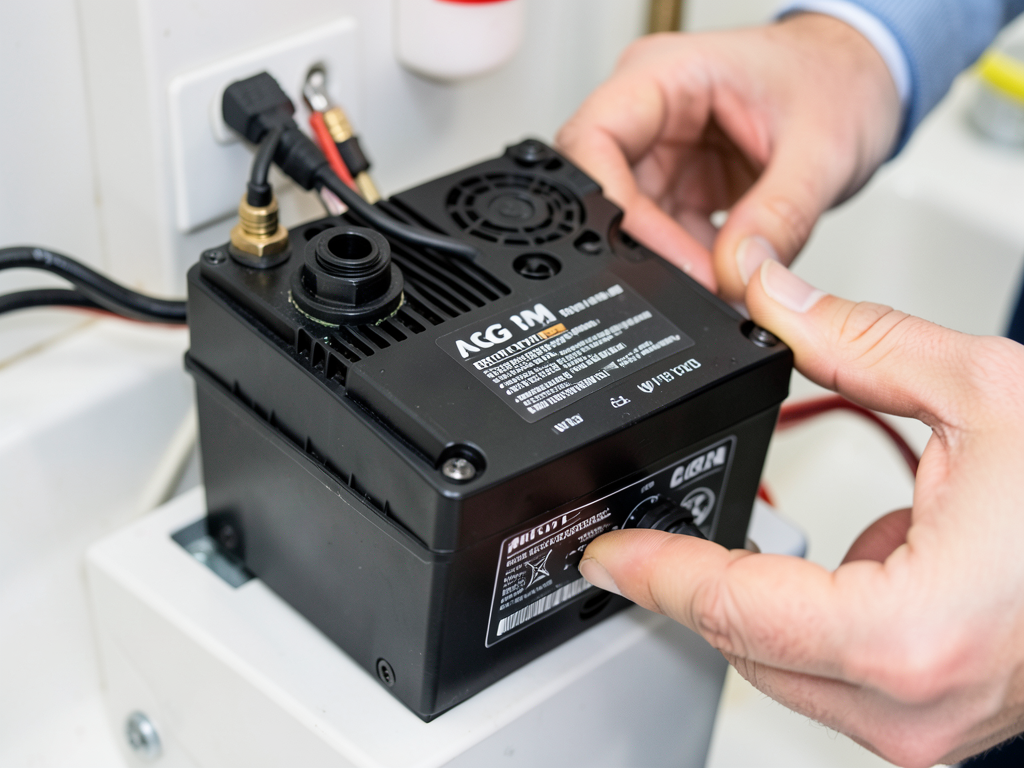
We install both DC and AC/DC backup systems depending on your home’s needs. DC systems run directly from the battery and are simpler but may have limited pumping capacity. AC/DC systems switch between utility power and battery, providing more robust protection.
Battery life varies by model and usage. Deep cycle AGM batteries typically provide 24-48 hours of continuous operation. Pumping capacity ranges from 1,500 to 2,400 gallons per hour (GPH), which matters when dealing with Plum’s rapid water accumulation.
The backup pump must match your primary pump’s capacity. If your main pump moves 2,000 GPH, your backup needs similar capacity to handle the same water volume. Undersized backups create a false sense of security.
| System Type | Battery Life | Pumping Capacity | Best For |
|---|---|---|---|
| DC Only | 24-36 hours | 1,500-2,000 GPH | Smaller basements |
| AC/DC | 36-48 hours | 2,000-2,400 GPH | Larger homes |
| Smart Systems | 2,000-3,000 GPH | High-risk areas |
Benefits of Professional Installation vs. DIY
Professional installation ensures your system works when you need it most. The float switch must be calibrated to activate at the right water level—too high and you risk flooding, too low and the pump cycles unnecessarily. This calibration varies by basement depth and local water table levels.
Proper venting prevents hydrogen gas buildup from batteries, which can be explosive in enclosed spaces. We install vents according to manufacturer specifications and local codes. DIY installers often overlook this critical safety feature.
The charger must be compatible with your primary pump’s voltage and amperage draw. Mismatched components can cause premature battery failure or inadequate charging. We test the entire system under load to verify performance.
Professional installation includes a full system test with water flow to verify activation and pumping capacity. We also provide homeowner training on system monitoring and maintenance.
Local Reviews and Case Studies
Homeowners in Holiday Park and Regency Park have experienced the difference professional installation makes. One Regency Park resident had a DIY backup fail during a three-day power outage, resulting in $8,000 in water damage. After our professional installation, they’ve weathered multiple storms without issues.
In the Boyce Park area, we installed systems that have protected homes through Allegheny County’s worst storms. The key difference? Proper battery sizing for local conditions and correct float switch placement based on each home’s specific basement configuration.
Local building codes in Plum require permits for electrical modifications to sump systems. We handle all permitting and inspections, ensuring your installation meets Allegheny County Health Department standards. EPA Plumbing Codes and Standards.
The Installation Process
Our installation follows a proven process that ensures reliability. First, we inspect your existing sump pump setup, checking for proper basin size, discharge line condition, and primary pump performance. This inspection identifies potential issues before installation begins.
Next, we size the battery based on your basement’s square footage, local rainfall patterns, and typical outage duration in your area. Plum’s hilly terrain means water accumulates faster than in flatter areas, requiring larger capacity systems.
Installation involves mounting the backup pump, connecting the battery with proper fusing, installing the charger, and calibrating the float switch. We then test the system by filling the basin with water to verify activation and pumping capacity.
Finally, we provide a homeowner walkthrough covering system monitoring, battery maintenance, and what to do if the alarm sounds. We also install water sensors in key areas to provide early warning of potential issues.
- Initial Inspection
Evaluate existing sump pump, basin, and discharge system for proper sizing and condition.
- System Design
Calculate required capacity based on basement size, local rainfall, and outage patterns.
- Installation
Mount backup pump, connect battery with proper fusing, install charger and float switch.
- Testing
Fill basin with water to verify activation, pumping capacity, and alarm function.
- Training
Walk homeowner through monitoring, maintenance, and emergency procedures.
Common DIY Installation Mistakes We See
Many homeowners attempt DIY installation to save money, but this often leads to costly failures. The most common mistake is improper float switch placement, which can cause the backup to activate too late or not at all.
Another frequent error is using the wrong battery type. Car batteries won’t work for sump pump backups—they’re designed for short bursts of power, not continuous operation. Deep cycle batteries are essential but often overlooked by DIYers.
Improper wiring is dangerous and can void your home insurance. We’ve seen DIY installations where the charger wasn’t properly grounded, creating shock hazards. Some installations lack proper fusing, creating fire risks.
DIY installers often skip the system test, discovering problems only during the first storm. By then, water damage has already occurred. Professional installation includes thorough testing under realistic conditions.
Maintenance and Longevity
A professionally installed system requires minimal maintenance but does need periodic checks. We recommend testing the system every three months by pouring water into the basin to verify activation. Check battery voltage annually and replace batteries every 3-5 years depending on usage.
The float switch can accumulate debris over time, causing sticking. We clean and test all moving parts during annual maintenance visits. The discharge line should be checked for blockages, especially after winter when ice can cause damage.
Modern systems include alarms that alert you to problems like high water levels or battery issues. We program these alarms to send notifications to your phone, giving you peace of mind when you’re away from home.
Professional maintenance extends system life and ensures reliability. A well-maintained backup can last 10-15 years, while neglected systems often fail within 5 years.
Cost Factors and Value
Professional installation costs more upfront but saves money long-term. DIY installations often require costly repairs or replacements when they fail. The average water damage claim in Pennsylvania exceeds $10,000, making professional installation a smart investment.
Factors affecting cost include basement size, required capacity, battery type, and whether electrical upgrades are needed. Homes in Plum’s hillier areas often need larger systems due to faster water accumulation.
We offer financing options to make professional installation affordable. The cost of installation is typically recovered within 2-3 years through prevented damage and system reliability.
Consider the value of your belongings stored in the basement. Professional installation protects not just your home’s structure but also irreplaceable items like family photos, documents, and electronics.
Why Choose Local Expertise
Local plumbers understand Plum’s specific challenges. We know which areas flood first during storms, how water flows through the terrain, and what backup capacity is needed for different neighborhoods.
We’re familiar with local building codes and permit requirements. Our installations meet or exceed Allegheny County standards, and we handle all permitting and inspections.
Local service means faster response times when you need help. We’re just minutes away if problems arise, and we understand the urgency of basement flooding in our community.
Our reputation depends on your satisfaction. We stand behind our work with comprehensive warranties and ongoing support. DIY installations offer no such protection.
Call (412) 382-8366 today to schedule your inspection. Don’t wait until the next storm hits to discover your backup system isn’t working.
Frequently Asked Questions
How long do sump pump battery backups last?
With proper maintenance, a professionally installed system lasts 10-15 years. Batteries need replacement every 3-5 years depending on usage and quality.
Can I install a battery backup myself?
While possible, DIY installation often leads to failures when you need protection most. Professional installation ensures proper sizing, wiring, and testing for reliable operation.
What size battery backup do I need?
Size depends on your basement’s square footage, local rainfall patterns, and typical outage duration. Professional assessment ensures you get adequate protection without overspending.
How much does professional installation cost?
Costs vary based on system requirements, but typically range from $800-$2,500. This includes assessment, installation, testing, and warranty coverage.
Do I need a permit for installation?
Yes, Allegheny County requires permits for electrical modifications to sump systems. Professional installers handle all permitting and inspections as part of the service.
Pick up the phone and call (412) 382-8366 before the next storm hits. Your basement’s protection can’t wait until water is already rising.
{
“@context”: “https://schema.org”,
“@type”: “BlogPosting”,
“headline”: “Why You Need a Pro to Install Your Sump Pump Battery Backup in Plum”,
“description”: “Protect your Plum home from flooding with expert sump pump battery backup installation. Learn why DIY fails and how local conditions demand professional service.”,
“wordCount”: 1640,
“datePublished”: “2026-04-21T12:08:00.000Z”,
“dateModified”: “2026-04-21T12:08:00.000Z”,
“inLanguage”: “en-US”,
“mainEntityOfPage”: {
“@type”: “WebPage”,
“@id”: “https://aceplumbingpittsburgh.com”
},
“publisher”: {
“@type”: “LocalBusiness”,
“name”: “Ace Plumbing Pittsburgh”,
“url”: “https://aceplumbingpittsburgh.com”
},
“author”: {
“@type”: “Organization”,
“name”: “Ace Plumbing Pittsburgh”,
“url”: “https://aceplumbingpittsburgh.com”
},
“image”: {
“@type”: “ImageObject”,
“url”: “https://aceplumbingpittsburgh.com/wp-content/uploads/2026/03/why-you-need-a-pro-to-install-your-sump-pump-batte-1.png”
}
}
{
“@context”: “https://schema.org”,
“@type”: “Plumber”,
“name”: “Ace Plumbing Pittsburgh”,
“url”: “https://aceplumbingpittsburgh.com”,
“address”: {
“@type”: “PostalAddress”,
“addressLocality”: “Pittsburgh”
},
“areaServed”: {
“@type”: “City”,
“name”: “Pittsburgh”
}
}
{
“@context”: “https://schema.org”,
“@type”: “FAQPage”,
“mainEntity”: [
{
“@type”: “Question”,
“name”: “How long do sump pump battery backups last?”,
“acceptedAnswer”: {
“@type”: “Answer”,
“text”: “With proper maintenance, a professionally installed system lasts 10-15 years. Batteries need replacement every 3-5 years depending on usage and quality.”
}
},
{
“@type”: “Question”,
“name”: “Can I install a battery backup myself?”,
“acceptedAnswer”: {
“@type”: “Answer”,
“text”: “While possible, DIY installation often leads to failures when you need protection most. Professional installation ensures proper sizing, wiring, and testing for reliable operation.”
}
},
{
“@type”: “Question”,
“name”: “What size battery backup do I need?”,
“acceptedAnswer”: {
“@type”: “Answer”,
“text”: “Size depends on your basement’s square footage, local rainfall patterns, and typical outage duration. Professional assessment ensures you get adequate protection without overspending.”
}
},
{
“@type”: “Question”,
“name”: “How much does professional installation cost?”,
“acceptedAnswer”: {
“@type”: “Answer”,
“text”: “Costs vary based on system requirements, but typically range from $800-$2,500. This includes assessment, installation, testing, and warranty coverage.”
}
},
{
“@type”: “Question”,
“name”: “Do I need a permit for installation?”,
“acceptedAnswer”: {
“@type”: “Answer”,
“text”: “Yes, Allegheny County requires permits for electrical modifications to sump systems. Professional installers handle all permitting and inspections as part of the service.”
}
}
]
}
{
“@context”: “https://schema.org”,
“@type”: “HowTo”,
“name”: “Professional Sump Pump Battery Backup Installation Process”,
“step”: [
{
“@type”: “HowToStep”,
“position”: 1,
“name”: “Initial Inspection”,
“text”: “Evaluate existing sump pump, basin, and discharge system for proper sizing and condition.”
},
{
“@type”: “HowToStep”,
“position”: 2,
“name”: “System Design”,
“text”: “Calculate required capacity based on basement size, local rainfall, and outage patterns.”
},
{
“@type”: “HowToStep”,
“position”: 3,
“name”: “Installation”,
“text”: “Mount backup pump, connect battery with proper fusing, install charger and float switch.”
},
{
“@type”: “HowToStep”,
“position”: 4,
“name”: “Testing”,
“text”: “Fill basin with water to verify activation, pumping capacity, and alarm function.”
},
{
“@type”: “HowToStep”,
“position”: 5,
“name”: “Training”,
“text”: “Walk homeowner through monitoring, maintenance, and emergency procedures.”
}
],
“image”: “https://aceplumbingpittsburgh.com/wp-content/uploads/2026/03/why-you-need-a-pro-to-install-your-sump-pump-batte-1.png”
}
{
“@context”: “https://schema.org”,
“@type”: “BreadcrumbList”,
“itemListElement”: [
{
“@type”: “ListItem”,
“position”: 1,
“name”: “Home”,
“item”: “https://aceplumbingpittsburgh.com”
},
{
“@type”: “ListItem”,
“position”: 2,
“name”: “Blog”,
“item”: “https://aceplumbingpittsburgh.com/blog”
},
{
“@type”: “ListItem”,
“position”: 3,
“name”: “Why You Need a Pro to Install Your Sump Pump Battery Backup in Plum”
}
]
}
{
“@context”: “https://schema.org”,
“@type”: “Service”,
“serviceType”: “Plumbing”,
“provider”: {
“@type”: “LocalBusiness”,
“name”: “Ace Plumbing Pittsburgh”,
“url”: “https://aceplumbingpittsburgh.com”
},
“areaServed”: {
“@type”: “City”,
“name”: “Pittsburgh”
},
“description”: “Protect your Plum home from flooding with expert sump pump battery backup installation. Learn why DIY fails and how local conditions demand professional service.”
}