Adding a Utility Sink to Your Bridgeville Garage or Laundry Room
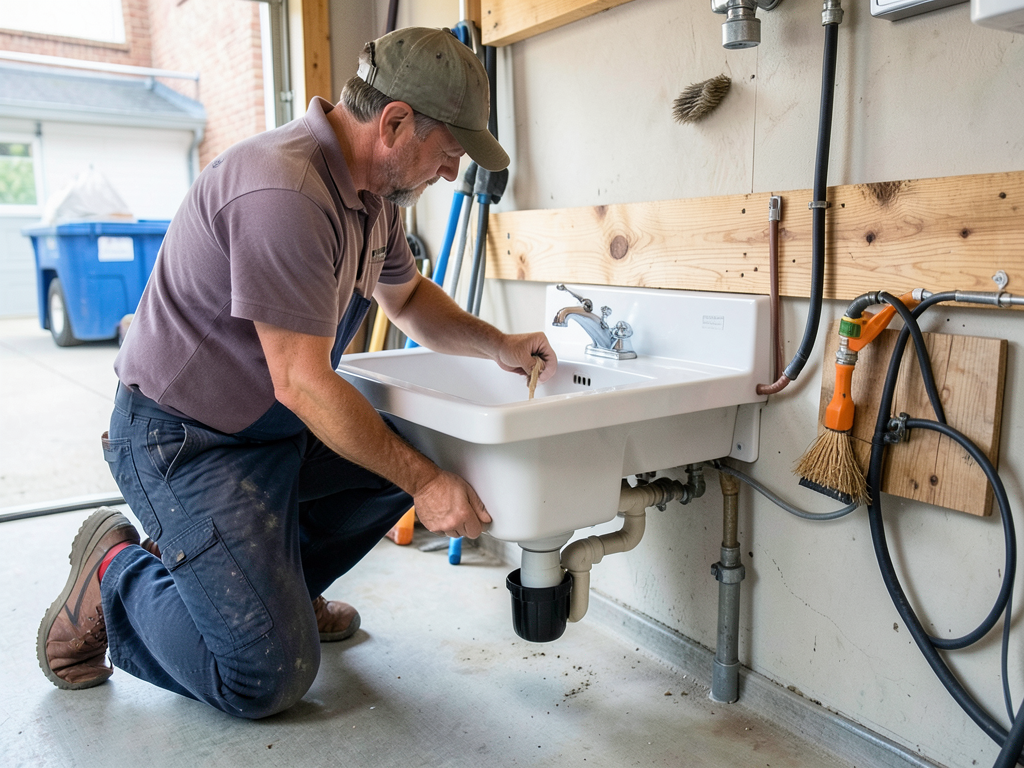
Adding a utility sink to your Bridgeville garage or laundry room creates a practical workspace for cleaning tools, washing pets, or handling messy projects. The process requires proper water supply connections, drainage installation, and compliance with Allegheny County plumbing codes. Most installations involve tapping into existing plumbing lines and ensuring proper venting to prevent sewer gas buildup. Allegheny County Health Department Plumbing Division.
Homeowners in the 15017 zip code often choose utility sinks for their durability and versatility. These heavy-duty basins handle everything from rinsing paintbrushes to soaking muddy boots. Professional installation ensures your new sink functions correctly and meets all local requirements. The Best Local Plumbers in Mt. Lebanon for Fast Water Heater Repair.
Types of Utility Sinks for Bridgeville Homes
Utility sinks come in several configurations to match your space and needs. The right choice depends on your garage layout, existing plumbing access, and how you plan to use the sink. Emergency 24 Hour Plumbing Services in the Bloomfield Area.
Floor-Mount Utility Tubs
Floor-mount utility tubs stand on legs and offer the most stability for heavy-duty use. These sinks work well in garages where you need maximum durability and don’t mind the footprint. The legs elevate the basin for easier access and cleaning underneath. Grease Trap Cleaning & Pumping.
Wall-Mount Utility Sinks
Wall-mount utility sinks attach directly to wall studs, saving floor space in smaller laundry rooms or compact garages. These sinks require proper wall reinforcement to support the weight when full of water. Installation involves mounting brackets and ensuring the wall can handle the load. No Hot Water Diagnosis.
Drop-In Utility Basins
Drop-in utility basins fit into existing countertops or workbenches, creating a seamless look in finished basements or laundry rooms. These sinks need a sturdy surface for support and proper sealing to prevent water damage to the surrounding area.
Plumbing Requirements for Utility Sink Installation
Proper plumbing installation ensures your utility sink works reliably for years. The process involves water supply lines, drainage systems, and ventilation to meet code requirements.
Water Supply Connections
Utility sinks need both hot and cold water supply lines. Most installations tap into existing plumbing using shut-off valves for easy maintenance. The supply lines typically use 1/2-inch copper or PEX tubing, depending on your home’s existing plumbing system.
Water pressure in Bridgeville homes averages 45-65 PSI, which works well for utility sink applications. However, homes with older galvanized pipes may experience pressure drops that require evaluation before installation.
Drainage System Installation
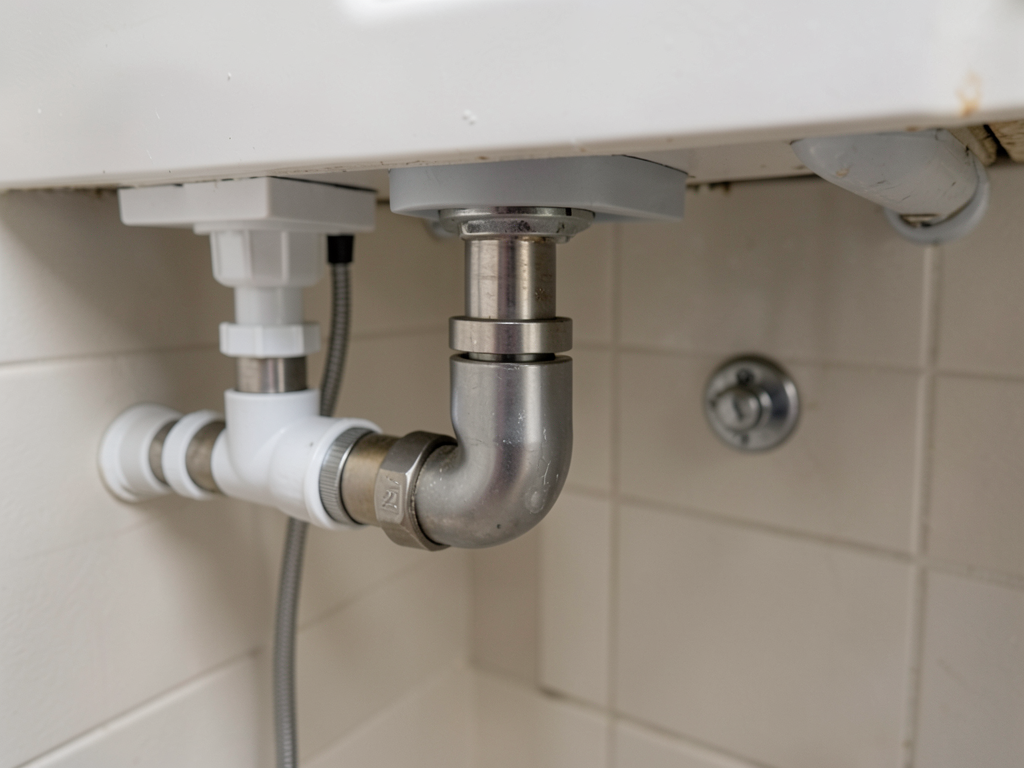
The drainage system includes a P-trap to prevent sewer gases from entering your home. The P-trap connects to the main drainage stack through a properly sized pipe. Most utility sinks use 1.5-inch PVC drain pipes, though some installations require 2-inch pipes for increased flow capacity.
Proper slope ensures water flows freely to the main drain. The International Plumbing Code requires a minimum 1/4-inch drop per foot of horizontal pipe run. International Plumbing Code venting requirements.
Venting Requirements
Every plumbing fixture needs proper venting to allow air into the system and prevent trap siphoning. Utility sinks typically connect to existing vent stacks or require new vent pipes that extend through the roof. Without proper venting, water can create vacuum pressure that pulls P-traps dry.
Step-by-Step Installation Process
Professional installation follows specific steps to ensure code compliance and long-term reliability. Here’s what the process typically involves:
- Site Preparation
The installation area gets cleared and measured. Existing plumbing gets evaluated for accessibility and capacity. Wall studs and floor joists get located for proper mounting.
- Water Supply Setup
Shut-off valves get installed near the sink location. Hot and cold supply lines get run through walls or along floor joists to the sink location.
- Drain Assembly
The P-trap and drain tailpiece get assembled. The drain pipe gets connected to the main stack with proper slope and support.
- Venting Connection
The vent pipe gets connected to the drainage system. This may involve tapping into existing vents or creating new vent runs through walls or ceilings.
- Sink Mounting
The utility sink gets mounted according to manufacturer specifications. Floor models get leveled and secured. Wall mounts get anchored to studs.
- Final Connections
Supply lines connect to the faucet. The drain connects to the P-trap. All connections get tested for leaks under pressure.
Common Challenges in Bridgeville Installations
Bridgeville homes present specific challenges due to their age and construction. Understanding these issues helps homeowners prepare for installation.
Older Plumbing Systems
Many Bridgeville homes built before 1980 have galvanized steel pipes that corrode internally. These pipes restrict water flow and may not provide adequate pressure for new fixtures. Replacement with copper or PEX often becomes necessary during installation.
Limited Access to Existing Plumbing
Garages and laundry rooms in older homes may lack easy access to main plumbing lines. This requires creative routing through walls or ceilings, potentially increasing installation complexity and cost.
Foundation and Drainage Issues
Bridgeville’s clay soil can cause foundation settling over time. This may affect floor drain locations and require additional leveling or support for floor-mount utility sinks.
Cost Factors for Utility Sink Installation
Several factors influence the total cost of adding a utility sink to your Bridgeville home. Understanding these helps you budget appropriately.
| Factor | Impact on Cost | Typical Range |
|---|---|---|
| Existing Plumbing Access | Easy access lowers cost; difficult routing increases it | $100 – $500 |
| Pipe Material Requirements | Replacing old pipes adds significant cost | $300 – $1,200 |
| Sink Type and Size | Larger, heavier-duty sinks cost more | $150 – $600 |
| Venting Requirements | New vent runs through walls/roof increase complexity | $200 – $800 |
| Mounting Surface Preparation | Reinforcing walls or floors adds labor | $100 – $400 |
Local Building Codes and Permits
Utility sink installation in Bridgeville requires compliance with Allegheny County plumbing codes. The Allegheny County Health Department Plumbing Division oversees these requirements.
Pennsylvania Uniform Construction Code (UCC) Section 403.4 mandates proper venting for all plumbing fixtures. This prevents trap siphoning and ensures sewer gases cannot enter living spaces.
Local permits typically cost $75-150 and require inspection of completed work. The inspector verifies proper trap installation, venting, and water supply connections meet code requirements.
Maintenance and Care Tips
Proper maintenance extends the life of your utility sink and prevents common problems. Regular care keeps your sink functioning reliably for years. Dealing With Old Pipe Problems in Historic Shadyside Homes.
- Check supply line connections quarterly for leaks or corrosion
- Clean P-traps annually to prevent clogs and odors
- Inspect faucet aerators for mineral buildup from hard water
- Test shut-off valves annually to ensure they operate smoothly
Bridgeville’s water contains moderate mineral content that can affect faucet performance over time. Installing a simple water filter on the cold supply line helps prevent mineral buildup in aerators and supply tubes.
Why Choose Professional Installation
DIY utility sink installation often leads to problems that professional plumbers avoid. Here’s what sets professional work apart:
| Professional Installation | DIY Installation |
|---|---|
| Proper code compliance with permits | May violate local codes unknowingly |
| Correct venting to prevent sewer gas | Missing vents cause drainage problems |
| Proper pipe sizing for flow capacity | Undersized pipes cause slow drainage |
| Leak-tested connections | Hidden leaks cause water damage |
| Warranty on workmanship | No recourse for installation errors |
Professional plumbers bring specialized tools like pipe cameras and pressure gauges to diagnose existing plumbing issues before installation begins. This prevents surprises and ensures your new sink integrates seamlessly with your home’s plumbing system.
Frequently Asked Questions
How long does utility sink installation take?
Most utility sink installations in Bridgeville take 4-8 hours for a straightforward job. Complex installations requiring new venting or pipe replacement may take 1-2 days.
Can I install a utility sink in my garage without existing plumbing?
Yes, but it requires running new water supply and drain lines from the nearest plumbing source. This typically adds $300-600 to the installation cost depending on distance and routing complexity.
What size utility sink should I choose for my garage?
For general garage use, a 20-24 inch wide sink works well. Larger 30+ inch models suit workshops or frequent large item cleaning. Consider your available space and typical use when selecting size.
Will a utility sink increase my home’s value?
A properly installed utility sink adds functionality that many buyers appreciate, especially in homes with laundry rooms or workshops. While it may not dramatically increase appraisal value, it enhances livability and appeal.
Do I need a permit for utility sink installation?
Yes, Allegheny County requires permits for new plumbing fixture installations. The permit ensures code compliance and includes inspection of the completed work.
Ready to add a utility sink to your Bridgeville garage or laundry room? Call (412) 382-8366 today to schedule your professional installation and get expert advice on the best options for your space.
You may also find this helpful. Reliable Ejector Pump Repair and Install for Robinson Township Basement Bathrooms.
{
“@context”: “https://schema.org”,
“@type”: “BlogPosting”,
“headline”: “Adding a Utility Sink to Your Bridgeville Garage or Laundry Room”,
“description”: “Professional utility sink installation in Bridgeville, PA. Expert plumbing for garages and laundry rooms with local code compliance and 15+ years South Hills experience.”,
“wordCount”: 1453,
“datePublished”: “2026-04-20T08:09:00.000Z”,
“dateModified”: “2026-04-20T08:09:00.000Z”,
“inLanguage”: “en-US”,
“mainEntityOfPage”: {
“@type”: “WebPage”,
“@id”: “https://aceplumbingpittsburgh.com”
},
“publisher”: {
“@type”: “LocalBusiness”,
“name”: “Ace Plumbing Pittsburgh”,
“url”: “https://aceplumbingpittsburgh.com”
},
“author”: {
“@type”: “Organization”,
“name”: “Ace Plumbing Pittsburgh”,
“url”: “https://aceplumbingpittsburgh.com”
},
“image”: {
“@type”: “ImageObject”,
“url”: “https://aceplumbingpittsburgh.com/wp-content/uploads/2026/03/adding-a-utility-sink-to-your-bridgeville-garage-o-1.png”
}
}
{
“@context”: “https://schema.org”,
“@type”: “Plumber”,
“name”: “Ace Plumbing Pittsburgh”,
“url”: “https://aceplumbingpittsburgh.com”,
“address”: {
“@type”: “PostalAddress”,
“addressLocality”: “Pittsburgh”
},
“areaServed”: {
“@type”: “City”,
“name”: “Pittsburgh”
}
}
{
“@context”: “https://schema.org”,
“@type”: “FAQPage”,
“mainEntity”: [
{
“@type”: “Question”,
“name”: “How long does utility sink installation take?”,
“acceptedAnswer”: {
“@type”: “Answer”,
“text”: “Most utility sink installations in Bridgeville take 4-8 hours for a straightforward job. Complex installations requiring new venting or pipe replacement may take 1-2 days.”
}
},
{
“@type”: “Question”,
“name”: “Can I install a utility sink in my garage without existing plumbing?”,
“acceptedAnswer”: {
“@type”: “Answer”,
“text”: “Yes, but it requires running new water supply and drain lines from the nearest plumbing source. This typically adds $300-600 to the installation cost depending on distance and routing complexity.”
}
},
{
“@type”: “Question”,
“name”: “What size utility sink should I choose for my garage?”,
“acceptedAnswer”: {
“@type”: “Answer”,
“text”: “For general garage use, a 20-24 inch wide sink works well. Larger 30+ inch models suit workshops or frequent large item cleaning. Consider your available space and typical use when selecting size.”
}
},
{
“@type”: “Question”,
“name”: “Will a utility sink increase my home’s value?”,
“acceptedAnswer”: {
“@type”: “Answer”,
“text”: “A properly installed utility sink adds functionality that many buyers appreciate, especially in homes with laundry rooms or workshops. While it may not dramatically increase appraisal value, it enhances livability and appeal.”
}
},
{
“@type”: “Question”,
“name”: “Do I need a permit for utility sink installation?”,
“acceptedAnswer”: {
“@type”: “Answer”,
“text”: “Yes, Allegheny County requires permits for new plumbing fixture installations. The permit ensures code compliance and includes inspection of the completed work.”
}
}
]
}
{
“@context”: “https://schema.org”,
“@type”: “HowTo”,
“name”: “How to Install a Utility Sink”,
“step”: [
{
“@type”: “HowToStep”,
“position”: 1,
“name”: “Site Preparation”,
“text”: “The installation area gets cleared and measured. Existing plumbing gets evaluated for accessibility and capacity. Wall studs and floor joists get located for proper mounting.”
},
{
“@type”: “HowToStep”,
“position”: 2,
“name”: “Water Supply Setup”,
“text”: “Shut-off valves get installed near the sink location. Hot and cold supply lines get run through walls or along floor joists to the sink location.”
},
{
“@type”: “HowToStep”,
“position”: 3,
“name”: “Drain Assembly”,
“text”: “The P-trap and drain tailpiece get assembled. The drain pipe gets connected to the main stack with proper slope and support.”
},
{
“@type”: “HowToStep”,
“position”: 4,
“name”: “Venting Connection”,
“text”: “The vent pipe gets connected to the drainage system. This may involve tapping into existing vents or creating new vent runs through walls or ceilings.”
},
{
“@type”: “HowToStep”,
“position”: 5,
“name”: “Sink Mounting”,
“text”: “The utility sink gets mounted according to manufacturer specifications. Floor models get leveled and secured. Wall mounts get anchored to studs.”
},
{
“@type”: “HowToStep”,
“position”: 6,
“name”: “Final Connections”,
“text”: “Supply lines connect to the faucet. The drain connects to the P-trap. All connections get tested for leaks under pressure.”
}
],
“image”: “https://aceplumbingpittsburgh.com/wp-content/uploads/2026/03/adding-a-utility-sink-to-your-bridgeville-garage-o-1.png”
}
{
“@context”: “https://schema.org”,
“@type”: “BreadcrumbList”,
“itemListElement”: [
{
“@type”: “ListItem”,
“position”: 1,
“name”: “Home”,
“item”: “https://aceplumbingpittsburgh.com”
},
{
“@type”: “ListItem”,
“position”: 2,
“name”: “Blog”,
“item”: “https://aceplumbingpittsburgh.com/blog”
},
{
“@type”: “ListItem”,
“position”: 3,
“name”: “Adding a Utility Sink to Your Bridgeville Garage or Laundry Room”
}
]
}
{
“@context”: “https://schema.org”,
“@type”: “Service”,
“serviceType”: “Plumbing”,
“provider”: {
“@type”: “LocalBusiness”,
“name”: “Ace Plumbing Pittsburgh”,
“url”: “https://aceplumbingpittsburgh.com”
},
“areaServed”: {
“@type”: “City”,
“name”: “Pittsburgh”
},
“description”: “Professional utility sink installation in Bridgeville, PA. Expert plumbing for garages and laundry rooms with local code compliance and 15+ years South Hills experience.”
}