
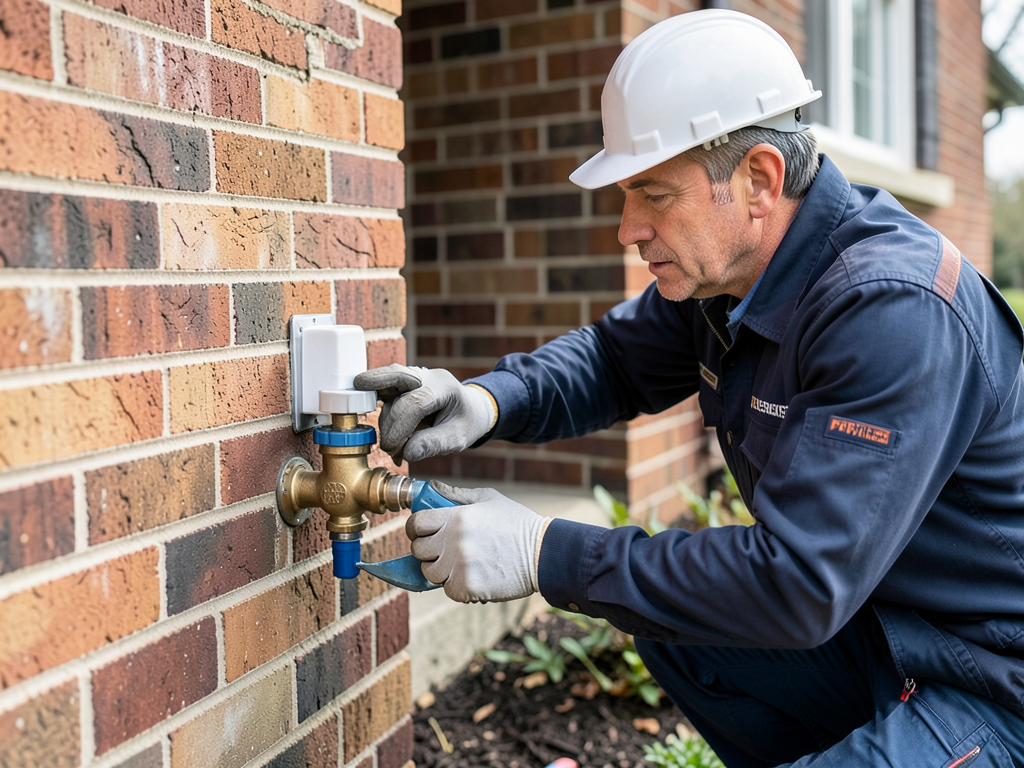
Fixing a leaky outdoor faucet before the Pittsburgh winter hits
Freezing temperatures are coming to Pittsburgh and a dripping outdoor faucet isn’t just an annoyance—it’s a ticking time bomb. Water left in a leaking spigot expands when it freezes, cracking pipes behind your walls and causing thousands in damage. The good news is you can fix most leaks yourself before the first hard freeze hits. This guide shows you how to spot the problem, make quick repairs, and know when it’s time to call in the pros at Ace Plumbing. EPA information on lead in drinking water.
Common causes of leaking outdoor spigots in Western PA
Pittsburgh’s freeze-thaw cycles put unique stress on outdoor plumbing. The most common culprit is a worn-out washer inside the faucet stem. Over time, mineral deposits from our hard water eat away at rubber components, creating tiny gaps that let water seep through even when the handle is off. Another frequent issue is a failed vacuum breaker—the anti-siphon device required by Allegheny County code that prevents contaminated water from flowing back into your home. When these fail, you’ll see water dripping from the top cap or around the handle. Allegheny County plumbing code requirements.
Older Pittsburgh homes often have galvanized steel supply lines that corrode from the inside out. This creates rough surfaces that tear up new washers within weeks of replacement. If you’ve replaced the washer twice and it’s still leaking, you might have pipe corrosion that requires a full spigot replacement. Frost-proof sillcocks can also fail when the long stem rod inside breaks or when the mounting screws loosen, allowing the entire unit to wobble and leak at the wall penetration. Pittsburgh Backflow Testing and Certification for Local Business Owners.
DIY repair steps for a leaking outdoor faucet
- Turn off the water supply
Locate your main shut-off valve—typically in the basement near where the water line enters the house. For Pittsburgh row homes, this is often on the front foundation wall. Turn the valve clockwise until it stops. Open the outdoor faucet to drain remaining water. No Hot Water Diagnosis.
- Remove the handle and packing nut
Use a Phillips screwdriver to remove the handle screw, then pull off the handle. The packing nut sits directly beneath—use an adjustable wrench to turn it counterclockwise. If it’s stuck, apply penetrating oil and wait 15 minutes. Pittsburgh’s hard water often causes these fittings to seize.
- Replace the stem washer
Pull out the valve stem and inspect the rubber washer at the end. Take it to a hardware store like Home Depot in Robinson Township or Lowe’s in North Fayette to find an exact match. Pittsburgh-area stores stock washers sized for common frost-proof models like Woodford and Prier. Install the new washer and reassemble in reverse order.
- Test for leaks
Turn the water back on slowly and check for drips. If water still seeps out when the faucet is off, the valve seat inside the faucet body may be damaged. This requires resurfacing with a seat wrench or replacing the entire spigot assembly.
When to call a professional plumber
Some leaks signal bigger problems that DIY fixes can’t solve. If you see water bubbling up through your lawn near the spigot, you likely have a cracked supply line underground—common in Pittsburgh’s clay soil where shifting foundations stress buried pipes. A spigot that sprays water when turned on but drips when off usually means the vacuum breaker has failed completely. Allegheny County plumbing code requires these anti-siphon devices on all outdoor faucets, and they must be replaced by a licensed plumber to maintain code compliance. Dealing With Old Pipe Problems in Historic Shadyside Homes.
Don’t ignore leaks that appear only during specific conditions. If your faucet drips during heavy rain but not on dry days, water might be entering through cracks in your home’s exterior and following the pipe back inside. This indicates failing mortar joints or damaged flashing—issues that require both plumbing and masonry work. Also call a pro if you discover galvanized pipes; these outdated materials corrode internally and often require complete replacement with modern PEX or copper lines. Emergency 24 Hour Plumbing Services in the Bloomfield Area.
Preparing your outdoor faucet for Pittsburgh winters
Winterizing your outdoor plumbing prevents the most common cause of spring flooding in Western Pennsylvania. Start by locating the indoor shut-off valve for your outdoor faucet—it’s usually in the basement on the wall directly behind where the spigot exits the house. Turn this valve off in late October, then open the outdoor faucet to drain any remaining water. Leave it open until spring to prevent pressure buildup if the internal washer fails.. Read more about Hidden plumbing leaks that are driving up your Pittsburgh water bill.
For extra protection, install a foam faucet cover from any Pittsburgh-area hardware store. These insulated bags slip over the spigot and protect against brief cold snaps. If you have a garden hose attached, disconnect it immediately—water trapped in the hose can freeze and back up into the spigot, causing internal damage. For vacation homes or properties that sit empty during winter, consider having a plumber install a quarter-turn ball valve shut-off. These provide a positive shut-off that won’t leak like traditional globe valves.
Older Pittsburgh homes in neighborhoods like Lawrenceville or Bloomfield often lack proper shut-off valves for outdoor faucets. In these cases, the only way to fully drain the line is to open the spigot and let it run until no more water flows out. This wastes water and leaves the pipe vulnerable if a deep freeze hits before you can shut it off again. A plumber can retrofit these homes with proper shut-off valves, bringing them up to current Allegheny County code requirements.
Outdoor spigot repair cost factors in Pittsburgh
| Repair Type | Typical Cost Range | Time Required | Best For |
|---|---|---|---|
| Washer replacement | $75-125 | 30-45 minutes | Dripping when off |
| Vacuum breaker replacement | $150-250 | 45-60 minutes | Water from top cap |
| Complete spigot replacement | $300-500 | 1-2 hours | Severe corrosion or damage |
| Supply line repair | $400-800 | 2-4 hours | Leaks in lawn or wall |
Pricing varies based on your home’s construction and the faucet’s accessibility. Homes in Mount Lebanon with finished basements might require cutting into drywall to access shut-off valves, adding $150-200 to the job. Pittsburgh’s older neighborhoods like Shadyside often have plaster walls that require more careful work, increasing labor time. Emergency calls during the first freeze of the season typically cost 50% more due to high demand.
Many homeowners in the South Hills area qualify for seasonal discounts if they schedule repairs before November 1st. Ace Plumbing offers package deals that include winterizing multiple outdoor faucets and checking indoor shut-off valves for the same trip, saving you 20% compared to individual service calls. These preventative services help avoid the emergency calls that spike after the first hard freeze when plumbers are booked solid for days. The Best Local Plumbers in Mt. Lebanon for Fast Water Heater Repair.
Choosing the right replacement spigot for your Pittsburgh home
Not all outdoor faucets are created equal, especially in Western Pennsylvania’s climate. Frost-proof sillcocks are the standard here because they place the water shut-off point inside your heated home, typically 10-12 inches behind the exterior wall. This design prevents water from freezing in the exposed portion of the pipe. When replacing a spigot, measure the thickness of your exterior wall to ensure you buy the correct length—Pittsburgh homes range from 8-inch brick veneer to 16-inch stone construction in neighborhoods like Squirrel Hill.
Look for sillcocks with a 1/4-turn ball valve rather than a traditional globe valve. Ball valves provide a positive shut-off and resist the mineral buildup that plagues Pittsburgh’s hard water supply. Models with a built-in vacuum breaker meet Allegheny County code requirements and prevent backflow contamination. Popular brands in our area include Woodford (known for durability in freezing climates), Prier (offers models specifically designed for retrofit installations), and Mansfield (budget-friendly option with good freeze protection).
If your home has lead water service lines, which are common in Pittsburgh’s oldest neighborhoods, consider having a plumber test your water before installing a new spigot. Lead particles can accumulate in faucet aerators and valves, creating health hazards. The Pittsburgh Water and Sewer Authority offers free lead testing kits, and replacement of lead service lines is partially subsidized through state programs. A professional plumber can coordinate these services during your spigot replacement, ensuring your outdoor plumbing is both functional and safe.
Frequently Asked Questions
How long does outdoor spigot repair take?
Simple washer replacements take 30-45 minutes. Complete replacements or supply line repairs typically require 1-3 hours depending on accessibility and whether walls need to be opened.
Can I use my outdoor faucet in winter if I need to?
Yes, but only briefly. If you must use it during freezing weather, run water at a pencil-width stream to prevent freezing. Turn off the indoor shut-off valve and drain the line immediately after use.
What’s the difference between frost-proof and regular spigots?
Frost-proof sillcocks have a long valve stem that shuts off water inside your heated home, while regular spigots shut off right at the exterior wall. Frost-proof models are required by code in Pittsburgh and are essential for preventing freeze damage.
Why does my new washer keep failing after replacement?
Galvanized pipes common in Pittsburgh’s pre-1960 homes create rough internal surfaces that destroy washers quickly. You might also have high water pressure or mineral buildup that requires a pressure-reducing valve or water softener installation.
Do I need a permit to replace an outdoor faucet?
Simple washer replacements don’t require permits. However, replacing the entire spigot assembly or modifying supply lines requires a plumbing permit from Allegheny County. Professional plumbers include permit costs in their quotes and ensure all work meets local code.
Act now before freezing temperatures hit
Every day you wait increases your risk of costly water damage. Pittsburgh’s first hard freeze typically arrives in early November, and once temperatures drop below 28°F, any water trapped in a leaking spigot will expand and crack pipes. A small leak that costs $150 to fix today could become a $3,000 repair if it causes interior flooding during a January cold snap.
Ace Plumbing serves all of Pittsburgh’s neighborhoods with 24/7 emergency service for burst pipes and other winter plumbing disasters. Our technicians carry common spigot repair parts on their trucks, allowing most repairs to be completed the same day you call. We understand the unique challenges of Pittsburgh’s housing stock and can recommend solutions that prevent future problems while meeting all local code requirements.
Don’t let a dripping outdoor faucet become a flooded basement. Call (412) 382-8366 today to schedule your inspection and repair. Our team will check your entire outdoor plumbing system, replace worn components, and ensure your home is ready for whatever winter throws at us. Pick up the phone and call (412) 382-8366 before the next storm hits—your home will thank you come spring.
You may also find this helpful. Are smart leak detectors actually worth the money for Pittsburgh homeowners?.
{
“@context”: “https://schema.org”,
“@type”: “BlogPosting”,
“headline”: “Fixing a leaky outdoor faucet before the Pittsburgh winter hits”,
“description”: “Don’t let a leaky outdoor faucet freeze and burst this Pittsburgh winter. Learn DIY fixes and when to call Ace Plumbing at (412) 382-8366 for expert repair.”,
“wordCount”: 1807,
“datePublished”: “2026-03-12T12:37:00.000Z”,
“dateModified”: “2026-03-12T12:37:00.000Z”,
“inLanguage”: “en-US”,
“mainEntityOfPage”: {
“@type”: “WebPage”,
“@id”: “https://aceplumbingpittsburgh.com”
},
“publisher”: {
“@type”: “LocalBusiness”,
“name”: “Ace Plumbing Pittsburgh”,
“url”: “https://aceplumbingpittsburgh.com”
},
“author”: {
“@type”: “Organization”,
“name”: “Ace Plumbing Pittsburgh”,
“url”: “https://aceplumbingpittsburgh.com”
},
“image”: {
“@type”: “ImageObject”,
“url”: “https://aceplumbingpittsburgh.com/wp-content/uploads/2026/03/fixing-a-leaky-outdoor-faucet-before-the-pittsburg-1.png”
}
}
{
“@context”: “https://schema.org”,
“@type”: “Plumber”,
“name”: “Ace Plumbing Pittsburgh”,
“url”: “https://aceplumbingpittsburgh.com”,
“address”: {
“@type”: “PostalAddress”,
“addressLocality”: “Pittsburgh”
},
“areaServed”: {
“@type”: “City”,
“name”: “Pittsburgh”
}
}
{
“@context”: “https://schema.org”,
“@type”: “FAQPage”,
“mainEntity”: [
{
“@type”: “Question”,
“name”: “How long does outdoor spigot repair take?”,
“acceptedAnswer”: {
“@type”: “Answer”,
“text”: “Simple washer replacements take 30-45 minutes. Complete replacements or supply line repairs typically require 1-3 hours depending on accessibility and whether walls need to be opened.”
}
},
{
“@type”: “Question”,
“name”: “Can I use my outdoor faucet in winter if I need to?”,
“acceptedAnswer”: {
“@type”: “Answer”,
“text”: “Yes, but only briefly. If you must use it during freezing weather, run water at a pencil-width stream to prevent freezing. Turn off the indoor shut-off valve and drain the line immediately after use.”
}
},
{
“@type”: “Question”,
“name”: “What’s the difference between frost-proof and regular spigots?”,
“acceptedAnswer”: {
“@type”: “Answer”,
“text”: “Frost-proof sillcocks have a long valve stem that shuts off water inside your heated home, while regular spigots shut off right at the exterior wall. Frost-proof models are required by code in Pittsburgh and are essential for preventing freeze damage.”
}
},
{
“@type”: “Question”,
“name”: “Why does my new washer keep failing after replacement?”,
“acceptedAnswer”: {
“@type”: “Answer”,
“text”: “Galvanized pipes common in Pittsburgh’s pre-1960 homes create rough internal surfaces that destroy washers quickly. You might also have high water pressure or mineral buildup that requires a pressure-reducing valve or water softener installation.”
}
},
{
“@type”: “Question”,
“name”: “Do I need a permit to replace an outdoor faucet?”,
“acceptedAnswer”: {
“@type”: “Answer”,
“text”: “Simple washer replacements don’t require permits. However, replacing the entire spigot assembly or modifying supply lines requires a plumbing permit from Allegheny County. Professional plumbers include permit costs in their quotes and ensure all work meets local code.”
}
}
]
}
{
“@context”: “https://schema.org”,
“@type”: “HowTo”,
“name”: “How to fix a leaking outdoor faucet”,
“step”: [
{
“@type”: “HowToStep”,
“position”: 1,
“name”: “Turn off the water supply”,
“text”: “Locate your main shut-off valve—typically in the basement near where the water line enters the house. For Pittsburgh row homes, this is often on the front foundation wall. Turn the valve clockwise until it stops. Open the outdoor faucet to drain remaining water. No Hot Water Diagnosis.”
},
{
“@type”: “HowToStep”,
“position”: 2,
“name”: “Remove the handle and packing nut”,
“text”: “Use a Phillips screwdriver to remove the handle screw, then pull off the handle. The packing nut sits directly beneath—use an adjustable wrench to turn it counterclockwise. If it’s stuck, apply penetrating oil and wait 15 minutes. Pittsburgh’s hard water often causes these fittings to seize.”
},
{
“@type”: “HowToStep”,
“position”: 3,
“name”: “Replace the stem washer”,
“text”: “Pull out the valve stem and inspect the rubber washer at the end. Take it to a hardware store like Home Depot in Robinson Township or Lowe’s in North Fayette to find an exact match. Pittsburgh-area stores stock washers sized for common frost-proof models like Woodford and Prier. Install the new washer and reassemble in reverse order.”
},
{
“@type”: “HowToStep”,
“position”: 4,
“name”: “Test for leaks”,
“text”: “Turn the water back on slowly and check for drips. If water still seeps out when the faucet is off, the valve seat inside the faucet body may be damaged. This requires resurfacing with a seat wrench or replacing the entire spigot assembly.”
}
],
“image”: “https://aceplumbingpittsburgh.com/wp-content/uploads/2026/03/fixing-a-leaky-outdoor-faucet-before-the-pittsburg-1.png”
}
{
“@context”: “https://schema.org”,
“@type”: “BreadcrumbList”,
“itemListElement”: [
{
“@type”: “ListItem”,
“position”: 1,
“name”: “Home”,
“item”: “https://aceplumbingpittsburgh.com”
},
{
“@type”: “ListItem”,
“position”: 2,
“name”: “Blog”,
“item”: “https://aceplumbingpittsburgh.com/blog”
},
{
“@type”: “ListItem”,
“position”: 3,
“name”: “Fixing a leaky outdoor faucet before the Pittsburgh winter hits”
}
]
}
{
“@context”: “https://schema.org”,
“@type”: “Service”,
“serviceType”: “Plumbing”,
“provider”: {
“@type”: “LocalBusiness”,
“name”: “Ace Plumbing Pittsburgh”,
“url”: “https://aceplumbingpittsburgh.com”
},
“areaServed”: {
“@type”: “City”,
“name”: “Pittsburgh”
},
“description”: “Don’t let a leaky outdoor faucet freeze and burst this Pittsburgh winter. Learn DIY fixes and when to call Ace Plumbing at (412) 382-8366 for expert repair.”
}