
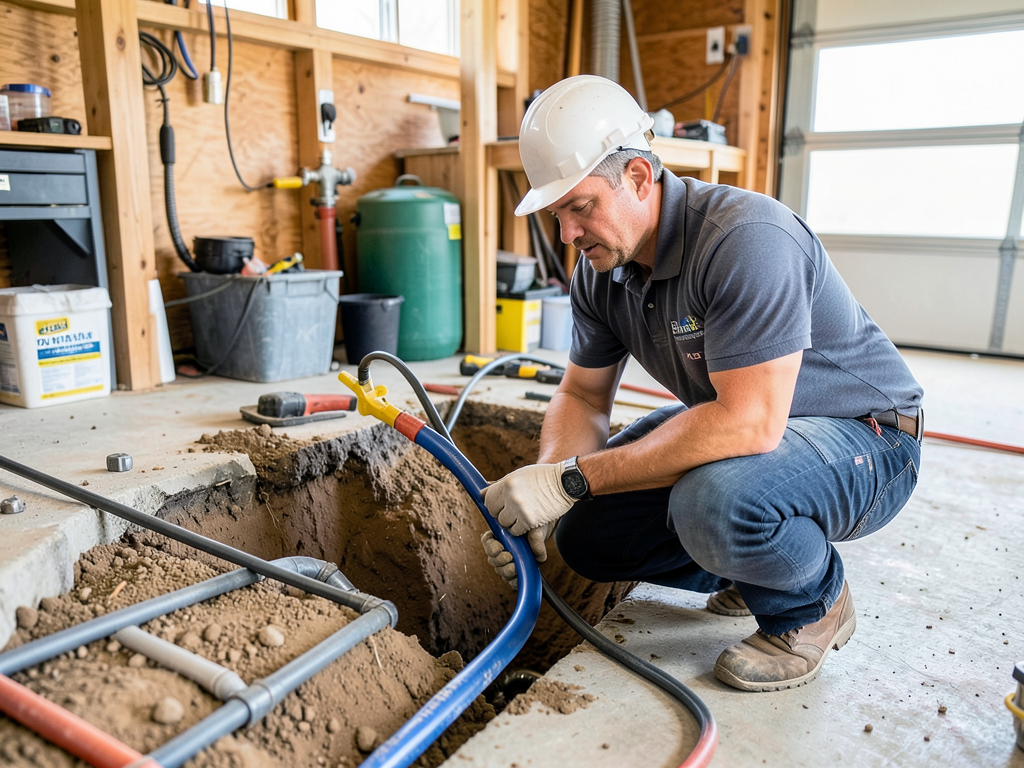
How to plan the plumbing for a detached garage workshop in Shaler
Adding plumbing to a detached garage workshop in Shaler requires understanding Western Pennsylvania’s unique climate challenges and local building codes. The 42-inch frost line depth, Allegheny County Health Department permit requirements, and proper winterization strategies make this project more complex than a simple indoor bathroom addition. This guide walks you through the essential steps to ensure your garage plumbing installation meets code, survives Pittsburgh winters, and provides reliable service for years to come. The Best Local Plumbers in Mt. Lebanon for Fast Water Heater Repair.
Understanding Shaler’s climate and soil conditions
Shaler Township sits in the Allegheny Plateau region where heavy clay soil and freeze-thaw cycles create specific challenges for underground plumbing. The area experiences an average frost depth of 36 to 42 inches, meaning water lines must be buried below this level to prevent freezing and bursting. The clay soil also shifts with moisture changes, requiring proper bedding materials and trench preparation to protect pipes from movement damage. Emergency 24 Hour Plumbing Services in the Bloomfield Area.
Western Pennsylvania’s climate delivers approximately 40 inches of annual precipitation, with winter temperatures regularly dropping below 20°F. These conditions demand specific insulation strategies and pipe protection methods that differ from warmer regions. The combination of cold temperatures and wet soil creates a high-risk environment for exterior plumbing failures if not properly installed.
Permitting requirements in Shaler Township
Before breaking ground, you must obtain permits through the Shaler Township Building Department. The township requires plumbing permits for any new water or sewer connections, including detached structures. Applications must include detailed plans showing pipe routes, fixture locations, and connection points to the main house system.. Read more about Fixing Chronic Low Water Pressure in Older Aspinwall Homes.
The permit process typically takes 5-7 business days for review. Shaler Township inspectors will examine the trench depth, pipe materials, and final connections before approving the installation. Working without permits can result in fines up to $500 per day and may complicate future property sales.. Read more about Preparing your Marshall Township pool house plumbing for a long Pittsburgh winter.
Determining your water supply strategy
Two main approaches exist for supplying water to a detached garage: extending the main house line or installing a separate well system. Most Shaler properties connect to municipal water, making line extension the standard choice. This involves running a dedicated 3/4-inch or 1-inch water line from the house to the garage.
For the water line, PEX-A tubing offers flexibility and freeze resistance, while copper provides durability but requires more careful installation. PEX costs approximately $0.50 to $0.75 per linear foot, while copper ranges from $2.50 to $3.50 per foot. The choice depends on your budget and whether the line runs through areas where freezing might occur.
Planning waste water removal systems
Waste water removal presents the biggest challenge for detached garage plumbing. Three options exist: gravity drainage to the main sewer, a sewage ejector pump system, or a holding tank with periodic pumping. Gravity drainage works only if the garage sits lower than the house sewer connection and maintains proper slope throughout the run.
Sewage ejector pumps automatically lift waste water when gravity flow isn’t possible. These systems include a basin, pump, and check valves, costing $800 to $1,500 for the equipment plus installation. The pump activates when waste water reaches a certain level, pushing it through a pressurized line to the main sewer connection.
Holding tanks suit occasional use scenarios but require manual pumping every few months. They work well for workshops with minimal water usage but aren’t practical for regular bathroom or utility sink use.
Trenching and pipe installation specifications
Trench depth must reach at least 42 inches below grade to meet Allegheny County frost line requirements. The trench should be 12 to 18 inches wide for water lines and 18 to 24 inches wide for sewer lines. Use clean sand or pea gravel as bedding material to protect pipes from clay soil pressure and provide drainage.
Water lines require 18 inches of cover over the pipe crown, while sewer lines need 24 inches. Install warning tape 12 inches above buried pipes to alert future excavators. All joints must be watertight and tested under pressure before backfilling. The Pennsylvania One Call system (811) must be contacted at least three business days before digging to locate existing utilities.
Fixture selection for garage workshops
Common garage workshop fixtures include utility sinks, floor drains, and occasionally toilets or showers. Utility sinks need 1.5-inch drain lines and should include P-traps to prevent sewer gas entry. Floor drains require proper grading toward the drain and a trap primer to maintain the water seal.
For occasional use spaces, point-of-use water heaters provide hot water without running long pipe runs. Electric tankless units cost $150 to $300 and mount under sinks. For more frequent use, a 30-gallon electric water heater runs $300 to $500 but requires proper venting and electrical connections.
Winterization strategies for Western Pennsylvania
Even with proper burial depth, garage plumbing needs additional freeze protection. Insulate all exposed pipes with foam pipe insulation rated for outdoor use. For areas where pipes enter the garage, install heat tape with a built-in thermostat that activates when temperatures drop below 40°F.
Drain all water from supply lines if the garage won’t be used during winter months. Install drain valves at the lowest points in the system. For sewer lines, ensure proper slope to prevent standing water that could freeze. Consider heat cables for critical areas like pipe entrances and valve locations.
Cost breakdown for Shaler garage plumbing
| Component | Cost Range | Notes |
|---|---|---|
| Water line materials (PEX) | $300 – $600 | 100-200 linear feet typical |
| Sewer line materials | $400 – $800 | Schedule 40 PVC |
| Trenching and excavation | $1,200 – $2,500 | 42-inch depth requirement |
| Permits and inspections | $150 – $300 | Shaler Township fees |
| Pumps and fixtures | $800 – $2,000 | Depends on fixture count |
| Insulation and protection | $200 – $400 | Heat tape, insulation |
| Total estimated cost | $3,050 – $6,600 | DIY vs professional installation |
Common mistakes to avoid
Shallow trenching represents the most frequent error, with homeowners stopping at 24-30 inches instead of the required 42 inches. This mistake leads to frozen pipes and costly repairs within the first winter. Another common issue involves inadequate slope for sewer lines, causing slow drainage and potential backups.
Skipping permits might seem like a time-saver but creates major problems. Unpermitted work can void home insurance claims if damage occurs. Additionally, future home sales often require documentation of all plumbing work, and missing permits can derail transactions. Dealing With Old Pipe Problems in Historic Shadyside Homes.
Using incorrect pipe materials for underground installation causes premature failures. Standard indoor PVC deteriorates when buried, while thin-wall tubing can’t withstand soil pressure. Always use schedule 40 or schedule 80 PVC for sewer lines and PEX or copper rated for direct burial.
Maintenance considerations for garage plumbing
Garage plumbing requires different maintenance than house plumbing due to seasonal use patterns. Before winter, inspect all insulation and heat tape operation. Test pump systems by running water through fixtures to verify proper operation. Check for leaks at connection points, which can worsen when pipes freeze and thaw.
During spring, examine the area around pipe entrances for soil erosion that might expose pipes. Test backflow preventers if installed. Clean floor drain traps to prevent clogs from workshop debris. Consider installing water alarms near critical components to provide early leak detection. Pittsburgh Backflow Testing and Certification for Local Business Owners.
Annual professional inspection helps identify developing issues before they cause failures. A master plumber can pressure test lines, verify pump operation, and check for code compliance issues that might affect insurance coverage.
DIY vs professional installation considerations
DIY installation saves labor costs but requires significant plumbing knowledge and physical capability for trenching. Homeowners comfortable with basic plumbing can handle PEX water line installation and simple fixture connections. However, sewer line work, pump installation, and permit acquisition often benefit from professional expertise.
Professional installation costs $2,000 to $4,000 more than DIY but includes warranty coverage, permit handling, and code compliance assurance. Licensed plumbers understand local requirements and can identify potential issues during planning. They also carry insurance that covers damage during installation.
Consider your experience level, available time, and the project’s complexity when deciding. Simple water line extensions might suit DIY, while complete bathroom installations with sewer connections warrant professional help.
Environmental and code compliance factors
Allegheny County requires adherence to Pennsylvania Uniform Construction Code standards for all plumbing installations. This includes proper venting for all fixtures, backflow prevention where needed, and compliance with fixture unit calculations for drain sizing. The code also mandates specific trap sizes and vent heights based on fixture type.
Environmental considerations include proper disposal of excavation materials and preventing soil erosion during construction. Use silt fencing if the project disturbs significant soil area. Consider water conservation fixtures to reduce waste and lower utility costs. Low-flow faucets and dual-flush toilets can reduce water usage by 30-50% compared to standard fixtures.
Storm water management becomes important if the project increases impervious surface area. Shaler Township may require drainage plans showing how runoff will be handled to prevent flooding of neighboring properties.
Future expansion planning
Design your garage plumbing system with future needs in mind. Oversizing water lines allows for easy addition of fixtures later. Installing extra conduit during initial trenching provides pathways for future electrical or communication lines without additional excavation.
Consider the potential for converting the garage to living space. Running larger drain lines and installing proper venting from the start makes future bathroom additions much simpler. Planning for a future water softener or whole-house filtration system might influence your initial pipe sizing decisions.
Document all installation details, including pipe locations, depths, and connection points. This information proves invaluable for future maintenance, repairs, or property improvements. Keep copies of permits, inspection reports, and material specifications with your home records.
Frequently Asked Questions
How deep should water lines be buried in Shaler?
Water lines must be buried at least 42 inches below grade to meet Allegheny County’s frost line requirements. This depth prevents freezing during Pittsburgh’s cold winters. Some areas with extreme cold may require up to 48 inches of cover.
Do I need a permit for garage plumbing in Shaler Township?
Yes, Shaler Township requires plumbing permits for any new water or sewer connections, including detached structures. The permit process includes plan review and inspections to ensure code compliance. Working without permits can result in fines and complications with future property sales.
Can I use PEX for underground garage plumbing?
PEX tubing rated for direct burial works well for underground water lines. It resists freezing damage better than copper and handles soil movement more effectively. Use PEX-A or PEX-C rated for outdoor use, and protect it with sand bedding in the trench.
What happens if my garage is higher than the house sewer connection?
When the garage sits higher than the house sewer, you’ll need a sewage ejector pump system. The pump lifts waste water to the level where gravity flow can reach the main sewer connection. This adds $800 to $1,500 to the project cost but makes the installation possible.
How much does garage plumbing typically cost in the Pittsburgh area?
Garage plumbing installation in Pittsburgh ranges from $3,000 to $7,000 depending on project complexity. Basic water line installation starts around $1,500, while complete systems with sewer connections and fixtures can exceed $6,000. Professional installation adds $2,000 to $4,000 to DIY material costs.
Ready to start your garage plumbing project?
Planning garage plumbing requires careful consideration of local codes, climate challenges, and your specific needs. The right preparation prevents costly mistakes and ensures reliable operation for years to come. Whether you’re building a workshop, home gym, or guest space, proper plumbing makes your detached garage much more functional.
Don’t let plumbing challenges derail your garage project. Our team understands Shaler’s specific requirements and can handle everything from permit acquisition to final inspection. We’ll help you choose the right fixtures, plan efficient layouts, and ensure your system meets all local codes. Energy Efficient Tankless Water Heater Installation in Wexford.
Call (412) 382-8366 today to schedule your garage plumbing consultation. We’ll assess your property, explain your options, and provide a detailed quote with no hidden fees. Our experienced technicians have completed hundreds of garage plumbing installations throughout Shaler and surrounding communities.
Pick up the phone and call (412) 382-8366 before the next cold snap hits. Proper installation now prevents emergency repairs later. Let us help you create the perfect garage workshop with reliable plumbing that works when you need it most.
Additional Resources
For more information about plumbing codes and regulations, visit the Allegheny County Health Department Plumbing Division website. The Pennsylvania Department of Labor and Industry provides Uniform Construction Code information that applies to all plumbing installations in the state.
The Pennsylvania Code contains the specific regulations governing plumbing installations, including material requirements and installation methods. Understanding these requirements helps ensure your garage plumbing project meets all legal standards.
{
“@context”: “https://schema.org”,
“@type”: “BlogPosting”,
“headline”: “How to plan the plumbing for a detached garage workshop in Shaler”,
“description”: “Learn Shaler-specific plumbing requirements for detached garages including frost line depth, permits, and winterization. Call (412) 382-8366 for expert help.”,
“wordCount”: 2146,
“datePublished”: “2026-05-08T07:13:00.000Z”,
“dateModified”: “2026-05-08T07:13:00.000Z”,
“inLanguage”: “en-US”,
“mainEntityOfPage”: {
“@type”: “WebPage”,
“@id”: “https://aceplumbingpittsburgh.com”
},
“publisher”: {
“@type”: “LocalBusiness”,
“name”: “Ace Plumbing Pittsburgh”,
“url”: “https://aceplumbingpittsburgh.com”
},
“author”: {
“@type”: “Organization”,
“name”: “Ace Plumbing Pittsburgh”,
“url”: “https://aceplumbingpittsburgh.com”
},
“image”: {
“@type”: “ImageObject”,
“url”: “https://aceplumbingpittsburgh.com/wp-content/uploads/2026/03/how-to-plan-the-plumbing-for-a-detached-garage-wor-1.png”
}
}
{
“@context”: “https://schema.org”,
“@type”: “Plumber”,
“name”: “Ace Plumbing Pittsburgh”,
“url”: “https://aceplumbingpittsburgh.com”,
“address”: {
“@type”: “PostalAddress”,
“addressLocality”: “Pittsburgh”
},
“areaServed”: {
“@type”: “City”,
“name”: “Pittsburgh”
}
}
{
“@context”: “https://schema.org”,
“@type”: “FAQPage”,
“mainEntity”: [
{
“@type”: “Question”,
“name”: “How deep should water lines be buried in Shaler?”,
“acceptedAnswer”: {
“@type”: “Answer”,
“text”: “Water lines must be buried at least 42 inches below grade to meet Allegheny County’s frost line requirements. This depth prevents freezing during Pittsburgh’s cold winters. Some areas with extreme cold may require up to 48 inches of cover.”
}
},
{
“@type”: “Question”,
“name”: “Do I need a permit for garage plumbing in Shaler Township?”,
“acceptedAnswer”: {
“@type”: “Answer”,
“text”: “Yes, Shaler Township requires plumbing permits for any new water or sewer connections, including detached structures. The permit process includes plan review and inspections to ensure code compliance. Working without permits can result in fines and complications with future property sales.”
}
},
{
“@type”: “Question”,
“name”: “Can I use PEX for underground garage plumbing?”,
“acceptedAnswer”: {
“@type”: “Answer”,
“text”: “PEX tubing rated for direct burial works well for underground water lines. It resists freezing damage better than copper and handles soil movement more effectively. Use PEX-A or PEX-C rated for outdoor use, and protect it with sand bedding in the trench.”
}
},
{
“@type”: “Question”,
“name”: “What happens if my garage is higher than the house sewer connection?”,
“acceptedAnswer”: {
“@type”: “Answer”,
“text”: “When the garage sits higher than the house sewer, you’ll need a sewage ejector pump system. The pump lifts waste water to the level where gravity flow can reach the main sewer connection. This adds $800 to $1,500 to the project cost but makes the installation possible.”
}
},
{
“@type”: “Question”,
“name”: “How much does garage plumbing typically cost in the Pittsburgh area?”,
“acceptedAnswer”: {
“@type”: “Answer”,
“text”: “Garage plumbing installation in Pittsburgh ranges from $3,000 to $7,000 depending on project complexity. Basic water line installation starts around $1,500, while complete systems with sewer connections and fixtures can exceed $6,000. Professional installation adds $2,000 to $4,000 to DIY material costs.”
}
},
{
“@type”: “Question”,
“name”: “Ready to start your garage plumbing project?”,
“acceptedAnswer”: {
“@type”: “Answer”,
“text”: “Planning garage plumbing requires careful consideration of local codes, climate challenges, and your specific needs. The right preparation prevents costly mistakes and ensures reliable operation for years to come. Whether you’re building a workshop, home gym, or guest space, proper plumbing makes your detached garage much more functional.”
}
}
]
}
{
“@context”: “https://schema.org”,
“@type”: “BreadcrumbList”,
“itemListElement”: [
{
“@type”: “ListItem”,
“position”: 1,
“name”: “Home”,
“item”: “https://aceplumbingpittsburgh.com”
},
{
“@type”: “ListItem”,
“position”: 2,
“name”: “Blog”,
“item”: “https://aceplumbingpittsburgh.com/blog”
},
{
“@type”: “ListItem”,
“position”: 3,
“name”: “How to plan the plumbing for a detached garage workshop in Shaler”
}
]
}
{
“@context”: “https://schema.org”,
“@type”: “Service”,
“serviceType”: “Plumbing”,
“provider”: {
“@type”: “LocalBusiness”,
“name”: “Ace Plumbing Pittsburgh”,
“url”: “https://aceplumbingpittsburgh.com”
},
“areaServed”: {
“@type”: “City”,
“name”: “Pittsburgh”
},
“description”: “Learn Shaler-specific plumbing requirements for detached garages including frost line depth, permits, and winterization. Call (412) 382-8366 for expert help.”
}