Choosing the Right Sump Pump for Your Mt. Washington Basement
Mt. Washington’s steep hillside location creates unique drainage challenges that require specialized sump pump solutions. With annual rainfall exceeding 38 inches and runoff from the Grandview Avenue escarpment, homes in the 15211 zip code face hydrostatic pressure that generic pumps simply cannot handle. This guide explains the technical differences between pump types, Pittsburgh’s discharge code requirements, and the diagnostic process we use to prevent basement flooding during the next storm. Pittsburgh Plumbing Code.
Why Mt. Washington Homes Need Specialized Sump Pump Systems
The hillside topography of Mt. Washington creates a natural funnel effect. Water from the hilltop area of Duquesne Heights flows downhill through the neighborhood’s clay-heavy soil, which has a permeability rate of less than 0.1 inches per hour. This means water moves laterally through the ground until it hits your foundation wall, where hydrostatic pressure can reach 10-15 pounds per square foot during heavy rains. No Hot Water Diagnosis.
Older fieldstone foundations common in Mt. Washington homes are particularly vulnerable. The mortar between stones deteriorates over decades, creating pathways for water infiltration. A standard 1/3 HP pump cannot keep up with the volume of water that accumulates in these conditions.
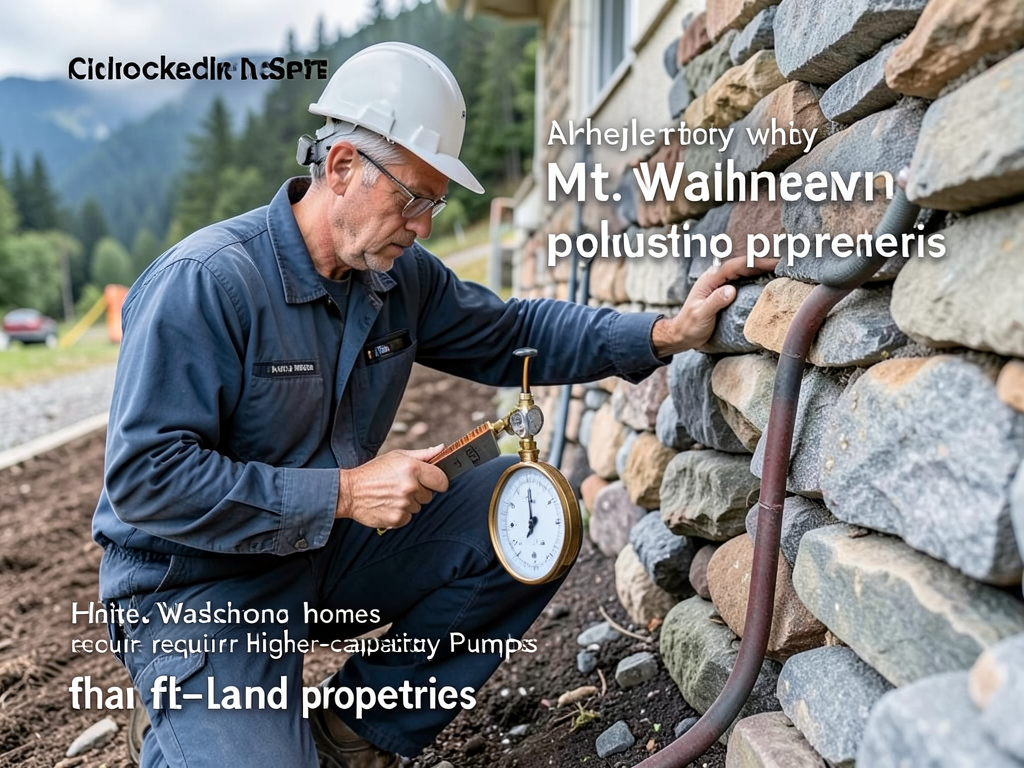
A technician measures hydrostatic pressure against a fieldstone foundation using a manometer, demonstrating why Mt. Washington homes require higher-capacity pumps than flat-land properties.
Submersible vs. Pedestal Pumps: Technical Comparison for Pittsburgh Basements
Submersible pumps sit entirely underwater in your sump basin, while pedestal pumps keep the motor above water level. For Mt. Washington’s conditions, submersible pumps typically outperform pedestal models for several technical reasons.
Submersible pumps handle debris better because their intake is at the bottom of the basin. The impeller design in quality submersible units can pass solids up to 1/2 inch in diameter without clogging. Pedestal pumps often fail when leaves, twigs, or soil particles enter the basin during heavy runoff.
Noise levels differ significantly. Submersible pumps operate at 45-50 decibels when submerged, while pedestal pumps create 60-65 decibel noise as the motor vibrates against the basin. In finished basements where the pump basin is near living space, this difference matters.. Read more about Why your basement floor drain might be backing up after a heavy Pittsburgh storm.
| Pump Type | Power Range | Best For | Mt. Washington Suitability |
|---|---|---|---|
| Submersible | 1/3 to 1 HP | Heavy debris, continuous use | Excellent |
| Pedestal | 1/4 to 1/3 HP | Clear water, occasional use | Poor |
| Water-powered backup | 0 HP (municipal pressure) | Backup only, no electricity | Limited |
Battery Backup Systems: Critical for Pittsburgh Winter Storms
Power outages during winter storms are common in Mt. Washington due to ice loading on power lines along the hilltop. When temperatures drop below freezing and snow melts during daytime warming, the combination of melting snow and frozen ground creates extreme runoff conditions.
Battery backup systems provide 8-12 hours of continuous pumping during outages. A 12V DC pump with a 100Ah battery can move 2,400-3,600 gallons before requiring recharge. This capacity handles most Pittsburgh winter storm scenarios where power typically returns within 6-8 hours. Pittsburgh Backflow Testing and Certification for Local Business Owners.
Water-powered backup systems offer an alternative but have limitations in Mt. Washington. These systems require municipal water pressure of at least 40 PSI to operate. During major storms, water main breaks or pressure drops can render these systems ineffective when you need them most.
Installation Process: Meeting Pittsburgh Plumbing Code Requirements
Pittsburgh plumbing code requires specific discharge configurations for sump pumps. Section 312.8 of the Pittsburgh Plumbing Code mandates that sump pump discharge cannot connect to sanitary sewer systems in most residential zones. Instead, discharge must exit through an air gap and flow to grade or a storm sewer. Emergency 24 Hour Plumbing Services in the Bloomfield Area.
For Mt. Washington’s steep properties, we route discharge lines downhill using 1.5-inch PVC pipe. The pipe must maintain a minimum slope of 1/4 inch per foot to prevent freezing in winter. We install cleanouts every 50 feet and at direction changes to allow for maintenance.
Check valves prevent backflow into the basin when the pump shuts off. Without a check valve, water in the discharge line flows back into the basin, causing the pump to cycle unnecessarily. This cycling reduces pump life by up to 50% and increases electricity consumption.
- Site Assessment
Measure basement dimensions, identify water entry points, test soil permeability around foundation.
- Basin Preparation
Excavate sump basin to 24-inch depth minimum, install gravel bed for drainage.
- Pump Selection
Choose pump based on calculated GPM requirements and head pressure.
- Discharge Routing
Plan discharge line path avoiding utilities, maintaining required slope.
- Electrical Connection
Install dedicated GFCI-protected circuit with battery backup alarm wiring.
- Testing and Calibration
Run pump through complete cycle, verify float switch operation at multiple levels.
French Drain Integration for Older Pittsburgh Foundations
Many Mt. Washington homes built before 1950 have perimeter French drains that connect to the sump basin. These systems collect water from footing drains and channel it to the pump. However, decades of sediment accumulation often clog these drains, reducing their effectiveness.
We use a video inspection camera to assess French drain condition before installation. If the drain is intact but clogged, we can often clear it using high-pressure water jetting. If the drain is collapsed or disconnected, we may need to install a new interior drainage system.
The connection between French drains and the sump basin must include a cleanout port for future maintenance. Without this access, sediment will eventually block the connection, causing water to back up against foundation walls.
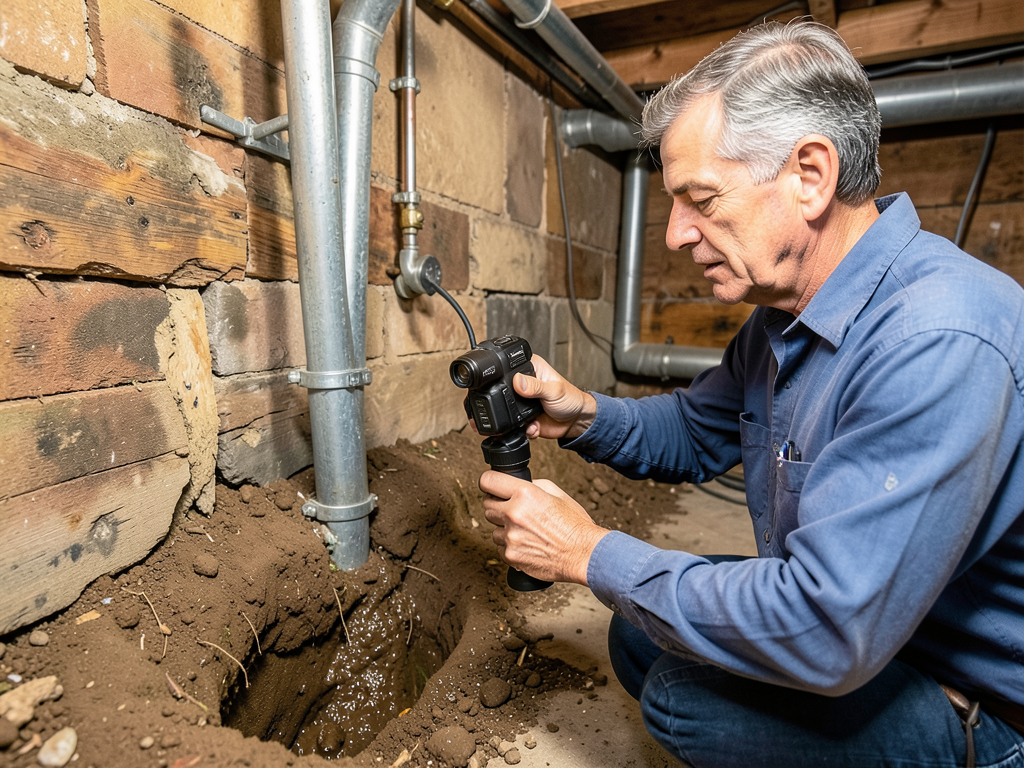
A technician inspects a clogged French drain connection using a waterproof camera, showing sediment buildup that reduces drainage capacity by 70% in this 1920s Mt. Washington basement.
Maintenance Schedule for Mt. Washington Homeowners
Regular maintenance prevents 90% of sump pump failures. Pittsburgh’s freeze-thaw cycles create unique challenges that require specific maintenance intervals.
Quarterly maintenance includes cleaning the pump inlet screen, testing the float switch operation, and verifying battery backup charge levels. We check for unusual noises that might indicate bearing wear or impeller damage. A failing bearing sounds like a low rumble or grinding noise when the pump runs. Grease Trap Cleaning & Pumping.
Annually, we recommend a complete system test including discharge line inspection for ice blockages or animal nests. We verify that the check valve seals properly and that the alarm system functions correctly.
- Clean pump inlet screen quarterly
- Test float switch operation monthly
- Check battery backup charge levels quarterly
- Inspect discharge line for blockages annually
- Listen for unusual pump noises during operation
Cost Factors for Sump Pump Installation in Allegheny County
Installation costs vary based on basement configuration and system complexity. A basic submersible pump installation in a standard basement starts around $1,200-1,500. Complex installations requiring French drain work or battery backup systems range from $2,500-4,000.
Permit requirements affect timeline and cost. Allegheny County requires plumbing permits for sump pump installations, with fees ranging from $75-150 depending on project scope. The permit process adds 3-5 business days to project scheduling.
Emergency installations during active flooding situations incur premium pricing due to after-hours labor rates and expedited material delivery. We maintain emergency service availability 24/7 for urgent situations.
Frequently Asked Questions
Will a sump pump help with hillside runoff in my Mt. Washington basement?
Yes. A properly sized sump pump system can handle the hydrostatic pressure from hillside runoff. Most Mt. Washington homes need 1/2 to 3/4 HP pumps to manage the water volume from the steep terrain.
How long does sump pump installation take in Pittsburgh?
Standard installations require 4-6 hours. Complex projects involving French drain work or battery backup systems may take 1-2 days. Permit approval adds 3-5 business days to the overall timeline.
What happens if my sump pump fails during a storm?
Without a working pump, water accumulates in the sump basin and eventually overflows onto your basement floor. Most basements flood within 30-60 minutes of pump failure during heavy rainfall. Battery backup systems provide critical protection during power outages.
Are sump pumps required by Pittsburgh building code?
Not universally, but many Mt. Washington homes with basement water issues require them for code compliance during renovations. The Pittsburgh Plumbing Code requires proper drainage solutions for below-grade spaces showing signs of water infiltration.
Local Compliance and Pittsburgh Plumbing Codes
ALCOSAN regulations affect sump pump discharge in Allegheny County. The Allegheny County Sanitary Authority prohibits direct connections between sump pumps and sanitary sewers in most service areas. Violations can result in fines and mandatory corrective work. ALCOSAN regulations.
Discharge must exit through an air gap and flow to grade or connect to storm drainage systems where available. For Mt. Washington properties on steep slopes, we typically route discharge lines to the street or a downhill drainage area at least 10 feet from the foundation.
Local building inspectors verify that installations meet both plumbing code and ALCOSAN requirements. We handle all permit applications and coordinate inspections to ensure your installation passes code compliance review. The Best Local Plumbers in Mt. Lebanon for Fast Water Heater Repair.
Emergency Response for Sump Pump Failures
When your sump pump fails during a storm, every minute counts. Our emergency response team maintains fully stocked service vehicles with common replacement parts including pumps, check valves, and float switches. We arrive within 60-90 minutes for emergency calls in the Mt. Washington area.
Emergency service includes water removal using portable pumps and wet vacuums. We establish temporary pumping solutions while diagnosing the permanent repair needed. Most emergency calls are resolved within 2-4 hours, preventing extensive water damage to finished basements.. Read more about Reliable Sump Pump Repair Services for South Hills Homeowners.
Insurance documentation is available for water damage claims. We provide detailed reports of the failure cause, repair work performed, and recommendations for preventing future incidents.
Choosing the Right Contractor for Your Mt. Washington Home
Not all plumbing contractors understand Mt. Washington’s unique drainage challenges. Look for contractors with specific experience in hillside properties and knowledge of local soil conditions. Ask about their familiarity with Pittsburgh plumbing codes and ALCOSAN regulations.
Verify contractor licensing through the Pennsylvania Attorney General’s office. Licensed plumbers must carry liability insurance and workers’ compensation coverage. Request proof of insurance before work begins.
Quality contractors provide written estimates detailing pump specifications, installation methods, and warranty coverage. Avoid contractors who cannot explain their technical approach or who recommend undersized equipment for your specific conditions.
Call (412) 382-8366 today to schedule your sump pump inspection. Our technicians understand Mt. Washington’s unique drainage challenges and can recommend the right system for your home before the next storm hits.
A completed sump pump installation showing proper discharge routing down a Mt. Washington hillside, with cleanouts installed for future maintenance access.
{
“@context”: “https://schema.org”,
“@type”: “BlogPosting”,
“headline”: “Choosing the Right Sump Pump for Your Mt. Washington Basement”,
“description”: “Mt. Washington’s steep slopes and heavy rainfall demand specialized sump pump solutions. Learn about submersible vs. pedestal pumps, battery backup systems, and Pittsburgh code compliance.”,
“wordCount”: 1752,
“datePublished”: “2026-03-01T11:35:00.000Z”,
“dateModified”: “2026-03-01T11:35:00.000Z”,
“inLanguage”: “en-US”,
“mainEntityOfPage”: {
“@type”: “WebPage”,
“@id”: “https://aceplumbingpittsburgh.com”
},
“publisher”: {
“@type”: “LocalBusiness”,
“name”: “Ace Plumbing Pittsburgh”,
“url”: “https://aceplumbingpittsburgh.com”
},
“author”: {
“@type”: “Organization”,
“name”: “Ace Plumbing Pittsburgh”,
“url”: “https://aceplumbingpittsburgh.com”
},
“image”: {
“@type”: “ImageObject”,
“url”: “https://aceplumbingpittsburgh.com/wp-content/uploads/2026/03/choosing-the-right-sump-pump-for-your-mt-washingto-1.png”
}
}
{
“@context”: “https://schema.org”,
“@type”: “Plumber”,
“name”: “Ace Plumbing Pittsburgh”,
“url”: “https://aceplumbingpittsburgh.com”,
“address”: {
“@type”: “PostalAddress”,
“addressLocality”: “Pittsburgh”
},
“areaServed”: {
“@type”: “City”,
“name”: “Pittsburgh”
}
}
{
“@context”: “https://schema.org”,
“@type”: “FAQPage”,
“mainEntity”: [
{
“@type”: “Question”,
“name”: “Will a sump pump help with hillside runoff in my Mt. Washington basement?”,
“acceptedAnswer”: {
“@type”: “Answer”,
“text”: “Yes. A properly sized sump pump system can handle the hydrostatic pressure from hillside runoff. Most Mt. Washington homes need 1/2 to 3/4 HP pumps to manage the water volume from the steep terrain.”
}
},
{
“@type”: “Question”,
“name”: “How long does sump pump installation take in Pittsburgh?”,
“acceptedAnswer”: {
“@type”: “Answer”,
“text”: “Standard installations require 4-6 hours. Complex projects involving French drain work or battery backup systems may take 1-2 days. Permit approval adds 3-5 business days to the overall timeline.”
}
},
{
“@type”: “Question”,
“name”: “Are sump pumps required by Pittsburgh building code?”,
“acceptedAnswer”: {
“@type”: “Answer”,
“text”: “Not universally, but many Mt. Washington homes with basement water issues require them for code compliance during renovations. The Pittsburgh Plumbing Code requires proper drainage solutions for below-grade spaces showing signs of water infiltration.”
}
}
]
}
{
“@context”: “https://schema.org”,
“@type”: “HowTo”,
“name”: “Sump Pump Installation Process”,
“step”: [
{
“@type”: “HowToStep”,
“position”: 1,
“name”: “Site Assessment”,
“text”: “Measure basement dimensions, identify water entry points, test soil permeability around foundation.”
},
{
“@type”: “HowToStep”,
“position”: 2,
“name”: “Basin Preparation”,
“text”: “Excavate sump basin to 24-inch depth minimum, install gravel bed for drainage.”
},
{
“@type”: “HowToStep”,
“position”: 3,
“name”: “Pump Selection”,
“text”: “Choose pump based on calculated GPM requirements and head pressure.”
},
{
“@type”: “HowToStep”,
“position”: 4,
“name”: “Discharge Routing”,
“text”: “Plan discharge line path avoiding utilities, maintaining required slope.”
},
{
“@type”: “HowToStep”,
“position”: 5,
“name”: “Electrical Connection”,
“text”: “Install dedicated GFCI-protected circuit with battery backup alarm wiring.”
},
{
“@type”: “HowToStep”,
“position”: 6,
“name”: “Testing and Calibration”,
“text”: “Run pump through complete cycle, verify float switch operation at multiple levels.”
}
],
“image”: “https://aceplumbingpittsburgh.com/wp-content/uploads/2026/03/choosing-the-right-sump-pump-for-your-mt-washingto-1.png”
}
{
“@context”: “https://schema.org”,
“@type”: “BreadcrumbList”,
“itemListElement”: [
{
“@type”: “ListItem”,
“position”: 1,
“name”: “Home”,
“item”: “https://aceplumbingpittsburgh.com”
},
{
“@type”: “ListItem”,
“position”: 2,
“name”: “Blog”,
“item”: “https://aceplumbingpittsburgh.com/blog”
},
{
“@type”: “ListItem”,
“position”: 3,
“name”: “Choosing the Right Sump Pump for Your Mt. Washington Basement”
}
]
}
{
“@context”: “https://schema.org”,
“@type”: “Service”,
“serviceType”: “Plumbing”,
“provider”: {
“@type”: “LocalBusiness”,
“name”: “Ace Plumbing Pittsburgh”,
“url”: “https://aceplumbingpittsburgh.com”
},
“areaServed”: {
“@type”: “City”,
“name”: “Pittsburgh”
},
“description”: “Mt. Washington’s steep slopes and heavy rainfall demand specialized sump pump solutions. Learn about submersible vs. pedestal pumps, battery backup systems, and Pittsburgh code compliance.”
}