How to tell if your old toilet just needs a part or a full replacement
When your toilet starts acting up it can be hard to know if you should call for a quick repair or start budgeting for a new one. The decision often comes down to a few key factors like age performance and the severity of the problem. In Pittsburgh where many homes have older plumbing systems these choices can be even more important. EPA WaterSense.
Older toilets can waste water drive up your utility bills and even cause hidden damage to your bathroom floor. On the other hand a simple part replacement like a new flapper or fill valve can often bring your toilet back to life for a fraction of the cost. The trick is knowing which situation you are dealing with before you spend money. Dealing With Old Pipe Problems in Historic Shadyside Homes.
In this guide we will walk through the warning signs that point to a full replacement and the symptoms that usually just need a repair. We will also look at how Pittsburgh’s hard water and aging home infrastructure can affect your toilet’s lifespan. By the end you will know exactly when to call for a quick fix and when it is time to upgrade to a more efficient model. Energy Efficient Tankless Water Heater Installation in Wexford.
5 Critical Signs It’s Time to Replace Your Toilet
Knowing when to replace your toilet can save you from repeated repairs and higher water bills. Here are the top signs that indicate a full replacement is the smarter choice.
1. Visible Cracks in the Porcelain
Hairline cracks in the tank or bowl can slowly leak water onto your bathroom floor. Even small cracks can grow over time and lead to major water damage. If you see any cracks it is best to replace the toilet before it fails completely.. Read more about Adding radiant floor heating to your bathroom remodel in Sewickley.
2. Frequent Clogs and Poor Flushing
If your toilet clogs more than once a week it could mean the trapway or drain line is too narrow or partially blocked. Older low-flow models often struggle with this. Repeated plunging is a sign the internal design is no longer working well.
3. Constant Running or Phantom Flushes
When your toilet runs for long periods or flushes on its own it usually means the flapper or fill valve is worn out. While these parts are easy to replace if the problem keeps coming back the toilet itself may be worn beyond repair.. Read more about Why your shower temperature keeps changing when someone flushes the toilet.
4. Water Damage Around the Base
Soft or discolored flooring near the toilet base can signal a slow leak from a failing wax ring or cracked flange. This type of damage can spread to the subfloor and even the ceiling below in multi-story homes.
5. High Water Bills Due to Inefficiency
Toilets made before 1994 can use up to 3.5 gallons per flush compared to modern 1.28 GPF models. If your water bill keeps rising and your toilet is over 20 years old replacing it can pay for itself in a few years through water savings.
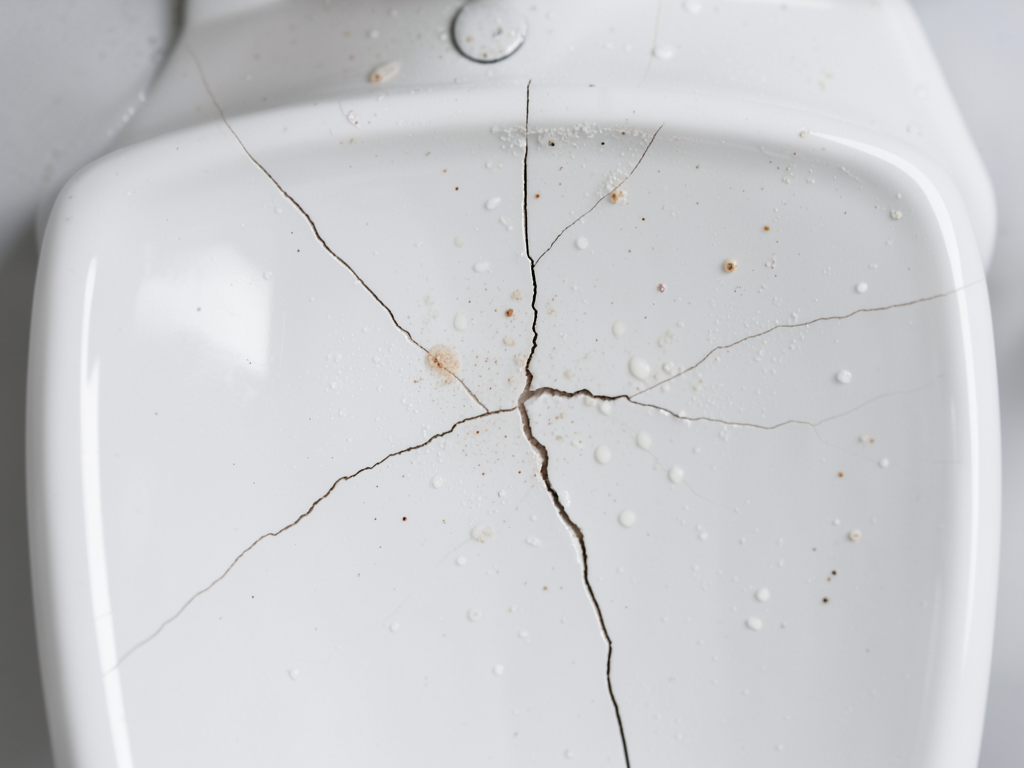
Image description: Close-up of a cracked porcelain toilet tank showing hairline fractures and mineral deposits from hard water.
The Pittsburgh Factor: Why Local Homes Age Differently
Pittsburgh’s unique water chemistry and older housing stock create specific challenges for toilet maintenance. Understanding these local factors can help you make the right repair or replacement decision. The Best Local Plumbers in Mt. Lebanon for Fast Water Heater Repair.
Hard Water and Mineral Buildup
Allegheny County’s water supply contains high levels of calcium and magnesium. Over time these minerals form scale inside the toilet tank and bowl. This buildup can clog rim holes reduce flushing power and damage internal components like the fill valve. Allegheny County Health Department Plumbing Division.
Aging Home Infrastructure
Many Pittsburgh homes built before 1980 have original plumbing that was not designed for modern low-flow toilets. The drain lines may be too narrow or have improper slopes. This can cause frequent backups even with a new toilet if the underlying plumbing is not addressed. Emergency 24 Hour Plumbing Services in the Bloomfield Area.
Freeze-Thaw Cycles and Shifting Foundations
Pittsburgh’s freeze-thaw weather patterns can cause small shifts in a home’s foundation. These movements can break toilet seals or crack the porcelain. If you notice your toilet rocking or see water around the base after a cold snap it is time to inspect for damage. Pittsburgh Backflow Testing and Certification for Local Business Owners.
Repair vs. Replace: The Cost-Benefit Analysis
Deciding between a repair and a replacement often comes down to cost and long-term value. Here is a side-by-side comparison to help you weigh your options.
| Repair Option | Typical Cost Range | Lifespan After Repair | Water Savings Potential |
|---|---|---|---|
| Flapper Replacement | $10 – $25 (DIY) or $75 – $150 (Pro) | 1-3 years | Minimal |
| Fill Valve Replacement | $15 – $40 (DIY) or $100 – $200 (Pro) | 3-5 years | Minimal |
| Wax Ring Replacement | $5 – $15 (DIY) or $125 – $250 (Pro) | 5-10 years | None |
| Full Toilet Replacement | $250 – $800 (mid-range model) + $150 – $350 (installation) | 10-20 years | Up to 60% reduction |
Modern toilets certified by the EPA WaterSense program use 1.28 gallons per flush or less. This is a 20% reduction from the standard 1.6 GPF models and up to 60% less than pre-1994 toilets. Over a year a family of four can save more than 13000 gallons of water by switching to a high-efficiency model.
Choosing the Right Replacement for Your Home
If you decide to replace your toilet there are several features to consider. The right choice depends on your household needs bathroom layout and local plumbing codes.. Read more about Hidden plumbing leaks that are driving up your Pittsburgh water bill.
Standard vs. Chair Height (Comfort Height)
Standard toilets are about 15 inches from floor to seat. Chair height models are 17 to 19 inches tall making them easier to use for seniors and people with mobility issues. The Americans with Disabilities Act (ADA) recommends 17 to 19 inches for accessible design.
Single-Flush vs. Dual-Flush Technology
Single-flush toilets use the same amount of water for every flush. Dual-flush models offer a low-volume flush for liquids and a higher-volume flush for solids. This can save even more water but may require a short learning curve for guests.
Pressure-Assisted vs. Gravity-Fed
Gravity-fed toilets rely on the weight of water in the tank to create flushing power. Pressure-assisted models use compressed air to force water into the bowl. Pressure-assisted units are louder but less likely to clog making them a good choice for busy households.
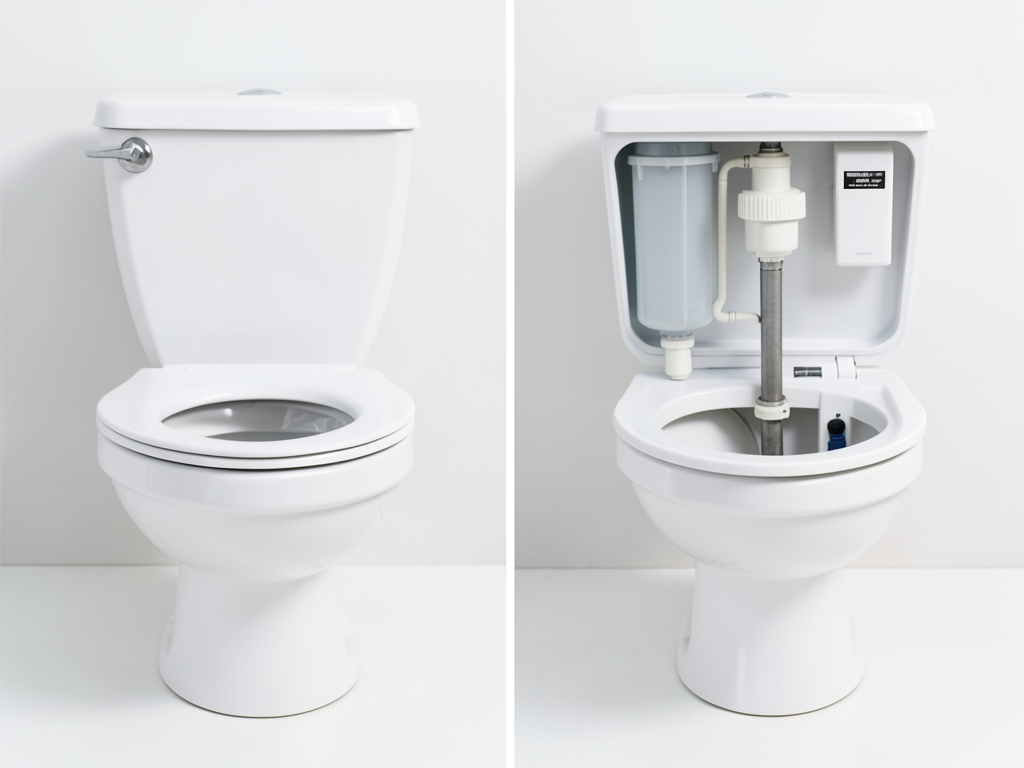
Image description: Side-by-side comparison of a standard gravity-fed toilet and a pressure-assisted toilet showing internal tank components.
Professional Installation Benefits and Warranty Protection
While swapping a toilet might seem simple improper installation can lead to leaks floor damage and voided warranties. Professional installation ensures your new toilet meets local plumbing codes and manufacturer requirements.
In Pittsburgh the Allegheny County Health Department Plumbing Division requires all new fixtures to be installed according to the Pennsylvania Uniform Construction Code. This includes proper sealing of the wax ring correct closet flange height and secure mounting to prevent rocking. A licensed plumber will also check for hidden issues like corroded supply lines or outdated shut-off valves.. Read more about What to do with the old Pittsburgh Potty in your Troy Hill basement.
Most toilet manufacturers void the warranty if the unit is not installed by a licensed professional. This is because many failures are caused by improper setup not product defects. Professional installation also includes proper disposal of your old toilet which cannot go in regular trash due to porcelain and metal components.
The Screwdriver Test: Diagnosing Your Toilet’s Condition
Before you decide on repair or replacement try this simple diagnostic test. It can help you spot problems that are not obvious during normal use.
- Turn off the water supply to the toilet at the shut-off valve.
- Flush the toilet to empty the tank and bowl.
- Remove the tank lid and inspect the interior for mineral buildup cracks or rust.
- Gently press on the sides of the tank with a screwdriver handle. If you hear a hollow sound or see movement the tank may be separating from the bowl.
- Check the base of the toilet for any signs of movement or water stains on the floor.
If the tank feels solid and there are no visible cracks or leaks you likely just need a part replacement. If you notice any movement or damage it is time to consider a full replacement.
Frequently Asked Questions
How long should a toilet last in a Pittsburgh home?
Most toilets last 15 to 30 years depending on water quality and usage. In Pittsburgh hard water can shorten this lifespan by causing mineral buildup and corroding internal parts. Toilets over 20 years old are usually less efficient and more prone to problems.
Can I replace just the tank or bowl instead of the whole unit?
While it is possible to replace just one part matching a new tank or bowl to your existing piece can be difficult. Manufacturers often change designs and colors over time. Replacing the entire unit ensures better compatibility and a longer warranty.
What is the best toilet for a home with hard water?
Look for toilets with larger trapways and glazed trapways to reduce clogging. Some models also feature antimicrobial surfaces that resist mineral buildup. Regular cleaning with a vinegar solution can also help prevent scale formation.
How much water can I save by switching to a high-efficiency toilet?
A family of four can save up to 13000 gallons per year by switching from a 3.5 GPF toilet to a 1.28 GPF model. This can reduce your water bill by $100 or more annually depending on local rates.
Is it worth repairing a toilet that keeps running?
A running toilet wastes up to 200 gallons per day. If the problem is just a worn flapper or fill valve a repair is usually worth it. If the issue returns after multiple repairs the toilet itself may be worn out and need replacement.
Image description: Technician performing the screwdriver test on a toilet tank showing how to check for internal cracks and mineral deposits.
Call (412) 382-8366 for a Professional Toilet Assessment
If you are still unsure whether your toilet needs a quick repair or a full replacement do not guess. A professional plumber can diagnose the problem and give you an honest recommendation based on your home’s needs and local water conditions.
At Ace Plumbing Pittsburgh we have been helping homeowners in Bethel Park Baldwin Borough and throughout the South Hills make smart plumbing decisions for over 15 years. We offer clear pricing upfront and stand behind our work with a satisfaction guarantee.
Call (412) 382-8366 today to schedule your toilet inspection. We will check for hidden leaks test your water efficiency and help you choose the best solution for your home and budget. Do not wait until a small problem becomes a big headache.
You may also find this helpful. When a plunger isn’t enough for a clogged toilet in your Strip District loft.
{
“@context”: “https://schema.org”,
“@type”: “BlogPosting”,
“headline”: “How to tell if your old toilet just needs a part or a full replacement”,
“description”: “Is your old toilet wasting water or causing problems? Learn the key signs that indicate whether a simple repair or a full replacement is the smarter choice for Pittsburgh homes.”,
“wordCount”: 1810,
“datePublished”: “2026-03-10T13:14:00.000Z”,
“dateModified”: “2026-03-10T13:14:00.000Z”,
“inLanguage”: “en-US”,
“mainEntityOfPage”: {
“@type”: “WebPage”,
“@id”: “https://aceplumbingpittsburgh.com”
},
“publisher”: {
“@type”: “LocalBusiness”,
“name”: “Ace Plumbing Pittsburgh”,
“url”: “https://aceplumbingpittsburgh.com”
},
“author”: {
“@type”: “Organization”,
“name”: “Ace Plumbing Pittsburgh”,
“url”: “https://aceplumbingpittsburgh.com”
},
“image”: {
“@type”: “ImageObject”,
“url”: “https://aceplumbingpittsburgh.com/wp-content/uploads/2026/03/how-to-tell-if-your-old-toilet-just-needs-a-part-o-1.png”
}
}
{
“@context”: “https://schema.org”,
“@type”: “Plumber”,
“name”: “Ace Plumbing Pittsburgh”,
“url”: “https://aceplumbingpittsburgh.com”,
“address”: {
“@type”: “PostalAddress”,
“addressLocality”: “Pittsburgh”
},
“areaServed”: {
“@type”: “City”,
“name”: “Pittsburgh”
}
}
{
“@context”: “https://schema.org”,
“@type”: “FAQPage”,
“mainEntity”: [
{
“@type”: “Question”,
“name”: “How long should a toilet last in a Pittsburgh home?”,
“acceptedAnswer”: {
“@type”: “Answer”,
“text”: “Most toilets last 15 to 30 years depending on water quality and usage. In Pittsburgh hard water can shorten this lifespan by causing mineral buildup and corroding internal parts. Toilets over 20 years old are usually less efficient and more prone to problems.”
}
},
{
“@type”: “Question”,
“name”: “Can I replace just the tank or bowl instead of the whole unit?”,
“acceptedAnswer”: {
“@type”: “Answer”,
“text”: “While it is possible to replace just one part matching a new tank or bowl to your existing piece can be difficult. Manufacturers often change designs and colors over time. Replacing the entire unit ensures better compatibility and a longer warranty.”
}
},
{
“@type”: “Question”,
“name”: “What is the best toilet for a home with hard water?”,
“acceptedAnswer”: {
“@type”: “Answer”,
“text”: “Look for toilets with larger trapways and glazed trapways to reduce clogging. Some models also feature antimicrobial surfaces that resist mineral buildup. Regular cleaning with a vinegar solution can also help prevent scale formation.”
}
},
{
“@type”: “Question”,
“name”: “How much water can I save by switching to a high-efficiency toilet?”,
“acceptedAnswer”: {
“@type”: “Answer”,
“text”: “A family of four can save up to 13000 gallons per year by switching from a 3.5 GPF toilet to a 1.28 GPF model. This can reduce your water bill by $100 or more annually depending on local rates.”
}
},
{
“@type”: “Question”,
“name”: “Is it worth repairing a toilet that keeps running?”,
“acceptedAnswer”: {
“@type”: “Answer”,
“text”: “A running toilet wastes up to 200 gallons per day. If the problem is just a worn flapper or fill valve a repair is usually worth it. If the issue returns after multiple repairs the toilet itself may be worn out and need replacement.”
}
}
]
}
{
“@context”: “https://schema.org”,
“@type”: “BreadcrumbList”,
“itemListElement”: [
{
“@type”: “ListItem”,
“position”: 1,
“name”: “Home”,
“item”: “https://aceplumbingpittsburgh.com”
},
{
“@type”: “ListItem”,
“position”: 2,
“name”: “Blog”,
“item”: “https://aceplumbingpittsburgh.com/blog”
},
{
“@type”: “ListItem”,
“position”: 3,
“name”: “How to tell if your old toilet just needs a part or a full replacement”
}
]
}
{
“@context”: “https://schema.org”,
“@type”: “Service”,
“serviceType”: “Plumbing”,
“provider”: {
“@type”: “LocalBusiness”,
“name”: “Ace Plumbing Pittsburgh”,
“url”: “https://aceplumbingpittsburgh.com”
},
“areaServed”: {
“@type”: “City”,
“name”: “Pittsburgh”
},
“description”: “Is your old toilet wasting water or causing problems? Learn the key signs that indicate whether a simple repair or a full replacement is the smarter choice for Pittsburgh homes.”
}