Is Pittsburgh water making your hair dry and skin itchy? You’re not alone. Many homeowners in the Steel City deal with hard water that leaves behind mineral buildup, dry skin, and damaged hair. The good news is that you can identify the problem and find a solution that works for your home. Pittsburgh Water and Sewer Authority.
Western Pennsylvania’s water supply contains high levels of calcium and magnesium. These minerals create what plumbers call “hard water” – water that measures above 7 grains per gallon on the hardness scale. The Pittsburgh Water and Sewer Authority reports that local water hardness typically ranges from 7 to 10+ grains per gallon, which falls into the “very hard” category according to the U.S. Geological Survey. U.S. Geological Survey.
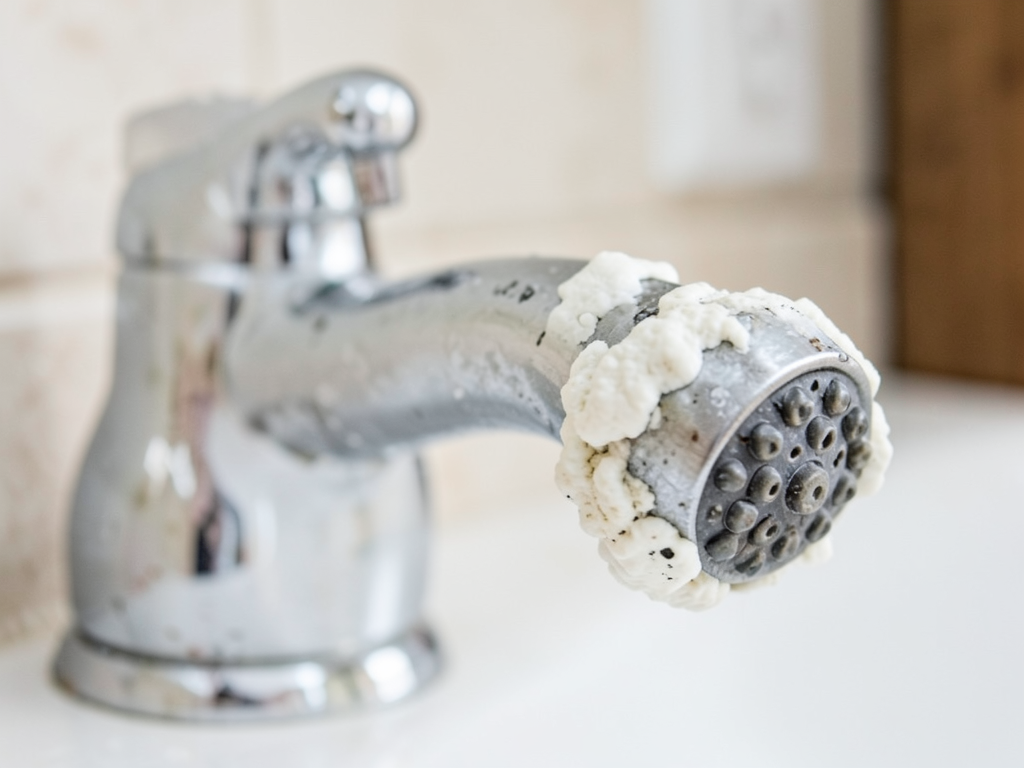
When hard water flows through your home, it leaves behind mineral deposits that you can see, feel, and even hear. These deposits build up on faucets, inside pipes, and on your skin and hair. The minerals prevent soap from lathering properly, leaving a film that makes your skin feel dry and your hair look dull.. Read more about Comparing water softeners and filtration systems for homes in Moon Township.
Hard water affects more than just your comfort. It reduces the lifespan of water heaters by up to 50% as mineral sediment builds up inside the tank. It clogs showerheads and faucet aerators, reducing water pressure. It makes laundry feel stiff and look gray. It even causes appliances to work harder, increasing your utility bills.
The first step to solving hard water problems is confirming that you have them. You can perform a simple soap test at home by filling a clear bottle with tap water, adding a few drops of pure liquid soap, and shaking it. If you see cloudy water with few bubbles, you likely have hard water. For a more accurate reading, Ace Plumbing Pittsburgh offers professional water testing that measures exact hardness levels and identifies other water quality issues. Dealing With Old Pipe Problems in Historic Shadyside Homes.
Several solutions exist for Pittsburgh homeowners dealing with hard water. Traditional ion exchange water softeners remove calcium and magnesium through a process that replaces these minerals with sodium or potassium. These systems require regular maintenance but provide the most comprehensive protection for your plumbing and appliances. Emergency 24 Hour Plumbing Services in the Bloomfield Area.
Reverse osmosis systems filter water at specific points of use, like kitchen sinks, providing purified water for drinking and cooking. These systems don’t protect your entire home but offer excellent water quality where you need it most. Salt-free water conditioners prevent scale buildup without removing minerals, making them a good option for people concerned about sodium intake.
The cost of ignoring hard water problems adds up quickly. A family of four can spend hundreds of dollars annually on extra soap, detergent, and lotion to combat hard water effects. Water heaters with heavy scale buildup use 25-30% more energy. Pipes with mineral buildup restrict flow and can lead to expensive repairs. The investment in a water treatment system often pays for itself within 2-3 years through energy savings and reduced cleaning product costs. Energy Efficient Tankless Water Heater Installation in Wexford.
Installation of a whole-house water softener typically takes 4-6 hours for a professional plumber. The system connects to your main water line and includes a brine tank for salt or potassium. Modern systems feature digital controls that monitor water usage and regenerate only when needed, reducing salt consumption by up to 40% compared to older models.
Maintenance requirements vary by system type. Traditional softeners need monthly salt additions and annual cleaning. Reverse osmosis systems require filter changes every 6-12 months. Salt-free conditioners need less frequent maintenance but may require replacement every 5-7 years. Ace Plumbing Pittsburgh provides maintenance plans that include regular system checks and filter replacements. Pittsburgh Backflow Testing and Certification for Local Business Owners.
Hard water affects different neighborhoods in Pittsburgh in varying degrees. Areas served by the Pittsburgh Water and Sewer Authority often have higher mineral content than those using Pennsylvania American Water. Homes in older neighborhoods like Shadyside or Squirrel Hill may experience more severe effects due to aging galvanized pipes that accumulate scale more quickly than modern copper or PEX piping.
The Allegheny River, which supplies much of Pittsburgh’s water, flows through limestone-rich areas upstream. As water moves through limestone, it dissolves calcium carbonate and magnesium compounds, carrying these minerals into the municipal supply. This natural process creates the hard water conditions that affect millions of Western Pennsylvania residents.
Beyond the visible symptoms, hard water can cause hidden damage to your plumbing system. Scale buildup inside pipes reduces water flow and increases pressure on joints and connections. This added stress can lead to leaks, especially in older homes with existing pipe weaknesses. The Pennsylvania Uniform Construction Code requires proper water pressure regulation, but hard water can still cause issues even with correct pressure settings.
Water-using appliances suffer the most from hard water exposure. Dishwashers develop scale on heating elements, reducing efficiency and causing premature failure. Washing machines struggle to dissolve detergent properly, leaving residue on clothes. Coffee makers and ice machines develop scale that affects taste and performance. Even tankless water heaters, which offer energy efficiency benefits, can lose their efficiency advantage when scale builds up on heat exchangers.
The soap and detergent industry recognizes hard water as a major factor in cleaning performance. The American Cleaning Institute reports that soft water allows you to use up to 50% less soap and detergent while achieving better cleaning results. This reduction in chemical usage also means fewer pollutants entering the wastewater system, which benefits the entire Allegheny County ecosystem.
For Pittsburgh residents concerned about environmental impact, modern water softeners offer eco-friendly options. High-efficiency models use less water during regeneration cycles. Some systems include bypass valves that allow unsoftened water to flow to outdoor spigots, conserving salt and reducing wastewater. The latest generation of softeners can communicate with smart home systems, optimizing operation based on your household’s actual water usage patterns.
Health considerations also play a role in water treatment decisions. While hard water minerals aren’t harmful to drink, some people experience skin irritation from the soap residue that hard water leaves behind. Those with eczema or psoriasis often find their symptoms improve with soft water. The World Health Organization notes that while hard water can contribute to daily mineral intake, it should not be considered a significant source of dietary minerals.. Read more about Things you should never put down your garbage disposal in a Wexford kitchen.
The decision to treat hard water ultimately depends on your specific situation. If you notice white crusty deposits on faucets, struggle with dry skin and dull hair, see spots on dishes, or deal with stiff laundry, you’re likely experiencing the effects of hard water. A professional water test can confirm your suspicions and help you choose the right treatment system for your home’s needs and your family’s preferences.. Read more about How to tell if your old toilet just needs a part or a full replacement.
Ace Plumbing Pittsburgh has helped hundreds of local families solve their hard water problems. Our technicians understand the unique water quality challenges facing Western Pennsylvania homes and can recommend solutions that fit your budget and lifestyle. Whether you need a simple point-of-use filter or a comprehensive whole-house system, we provide honest advice and professional installation backed by our satisfaction guarantee. The Best Local Plumbers in Mt. Lebanon for Fast Water Heater Repair.
Don’t let Pittsburgh’s hard water continue damaging your home and affecting your quality of life. Call (412) 382-8366 today to schedule your free water quality consultation. Our experts will test your water, explain your options, and help you choose the right solution for your home. Take the first step toward softer skin, cleaner dishes, and longer-lasting appliances. Your home deserves better water.
Frequently Asked Questions
How can I test my water hardness at home?
You can perform a simple soap test by adding drops of pure liquid soap to a bottle of tap water and shaking it. If you see few bubbles and cloudy water, you likely have hard water. For accurate results, Ace Plumbing Pittsburgh offers professional testing that measures exact hardness levels in grains per gallon.
Will a water softener make my water taste salty?
No, a properly functioning water softener should not make your water taste salty. The ion exchange process replaces calcium and magnesium with sodium or potassium, but the amount added is minimal – typically less than 12.5 milligrams per 8-ounce glass, which is considered safe by the EPA.
How long does water softener installation take?
Professional installation of a whole-house water softener typically takes 4-6 hours. The plumber will connect the system to your main water line, install the brine tank, and set up the control valve. Most installations can be completed in a single day with minimal disruption to your household.
You may also find this helpful. Deciding between a traditional tank and a tankless water heater for your Gibsonia home.
{
“@context”: “https://schema.org”,
“@type”: “BlogPosting”,
“headline”: “Is Pittsburgh water making your hair dry and skin itchy?”,
“description”: “Pittsburgh’s hard water could be causing dry skin, itchy scalp, and appliance damage. Learn the symptoms, causes, and solutions from local plumbing experts.”,
“wordCount”: 1447,
“datePublished”: “2026-03-03T16:15:00.000Z”,
“dateModified”: “2026-03-03T16:15:00.000Z”,
“inLanguage”: “en-US”,
“mainEntityOfPage”: {
“@type”: “WebPage”,
“@id”: “https://aceplumbingpittsburgh.com”
},
“publisher”: {
“@type”: “LocalBusiness”,
“name”: “Ace Plumbing Pittsburgh”,
“url”: “https://aceplumbingpittsburgh.com”
},
“author”: {
“@type”: “Organization”,
“name”: “Ace Plumbing Pittsburgh”,
“url”: “https://aceplumbingpittsburgh.com”
},
“image”: {
“@type”: “ImageObject”,
“url”: “https://aceplumbingpittsburgh.com/wp-content/uploads/2026/03/is-pittsburgh-water-making-your-hair-dry-and-skin-1.png”
}
}
{
“@context”: “https://schema.org”,
“@type”: “Plumber”,
“name”: “Ace Plumbing Pittsburgh”,
“url”: “https://aceplumbingpittsburgh.com”,
“address”: {
“@type”: “PostalAddress”,
“addressLocality”: “Pittsburgh”
},
“areaServed”: {
“@type”: “City”,
“name”: “Pittsburgh”
}
}
{
“@context”: “https://schema.org”,
“@type”: “FAQPage”,
“mainEntity”: [
{
“@type”: “Question”,
“name”: “How can I test my water hardness at home?”,
“acceptedAnswer”: {
“@type”: “Answer”,
“text”: “You can perform a simple soap test by adding drops of pure liquid soap to a bottle of tap water and shaking it. If you see few bubbles and cloudy water, you likely have hard water. For accurate results, Ace Plumbing Pittsburgh offers professional testing that measures exact hardness levels in grains per gallon.”
}
},
{
“@type”: “Question”,
“name”: “Will a water softener make my water taste salty?”,
“acceptedAnswer”: {
“@type”: “Answer”,
“text”: “No, a properly functioning water softener should not make your water taste salty. The ion exchange process replaces calcium and magnesium with sodium or potassium, but the amount added is minimal – typically less than 12.5 milligrams per 8-ounce glass, which is considered safe by the EPA.”
}
},
{
“@type”: “Question”,
“name”: “How long does water softener installation take?”,
“acceptedAnswer”: {
“@type”: “Answer”,
“text”: “Professional installation of a whole-house water softener typically takes 4-6 hours. The plumber will connect the system to your main water line, install the brine tank, and set up the control valve. Most installations can be completed in a single day with minimal disruption to your household.”
}
}
]
}
{
“@context”: “https://schema.org”,
“@type”: “BreadcrumbList”,
“itemListElement”: [
{
“@type”: “ListItem”,
“position”: 1,
“name”: “Home”,
“item”: “https://aceplumbingpittsburgh.com”
},
{
“@type”: “ListItem”,
“position”: 2,
“name”: “Blog”,
“item”: “https://aceplumbingpittsburgh.com/blog”
},
{
“@type”: “ListItem”,
“position”: 3,
“name”: “Is Pittsburgh water making your hair dry and skin itchy?”
}
]
}
{
“@context”: “https://schema.org”,
“@type”: “Service”,
“serviceType”: “Plumbing”,
“provider”: {
“@type”: “LocalBusiness”,
“name”: “Ace Plumbing Pittsburgh”,
“url”: “https://aceplumbingpittsburgh.com”
},
“areaServed”: {
“@type”: “City”,
“name”: “Pittsburgh”
},
“description”: “Pittsburgh’s hard water could be causing dry skin, itchy scalp, and appliance damage. Learn the symptoms, causes, and solutions from local plumbing experts.”
}