What Every Squirrel Hill Homeowner Should Know About Lead Pipe Replacement
Squirrel Hill homes built before 1950 often contain lead service lines that threaten your family’s drinking water safety. The Pittsburgh Water and Sewer Authority currently estimates that over 5,000 properties in Squirrel Hill alone have lead service lines running from the water main to their homes. These pipes leach lead into your water supply every time you turn on the tap, especially when water sits in the pipes for several hours. Pittsburgh Water and Sewer Authority lead replacement program.
The good news is that Squirrel Hill homeowners have several options for addressing this critical health hazard. From city-sponsored replacement programs to private contractor services, you can protect your family from lead exposure while maintaining compliance with Pittsburgh building codes. This guide walks you through everything you need to know about identifying lead pipes, understanding replacement costs, and taking action before the next water quality test shows dangerous levels in your home. Pittsburgh Backflow Testing and Certification for Local Business Owners.
How to Identify Lead Service Lines in Your Squirrel Hill Home
Before scheduling any replacement work, you need to confirm whether your home actually has lead pipes. Many Squirrel Hill properties have a mix of materials, with lead pipes only on the service line between your water meter and the street main.. Read more about How to keep your pipes from freezing during a Pittsburgh polar vortex.
Start with the scratch test. Locate where your water line enters your basement near the front of your home. Use a coin or screwdriver to gently scratch the pipe’s surface. Lead pipes scratch easily and reveal a shiny, silver-colored metal underneath. Copper pipes show a reddish color, while galvanized steel appears gray and does not scratch easily.. Read more about Why is the water pressure so low in your Point Breeze shower?.
The magnet test provides another quick check. Lead is not magnetic, so a refrigerator magnet will not stick to lead pipes. Copper also fails the magnet test, but galvanized steel pipes will attract the magnet strongly.
Look for the curb box location outside your home. The curb box sits near the property line and contains the valve that controls water flow to your home. If you can see the pipe entering or exiting the curb box, examine its color and texture. Lead pipes appear dull gray when oxidized but turn shiny when scratched.. Read more about Is Pittsburgh water making your hair dry and skin itchy?.
Squirrel Hill’s older neighborhoods like Schenley Park and Summerset at Frick Park often have lead service lines due to their construction dates. Homes built between 1900 and 1950 are most likely to contain lead piping, especially those with original plumbing systems. Emergency 24 Hour Plumbing Services in the Bloomfield Area.
Call (412) 382-8366 today to schedule a professional inspection if you suspect lead pipes in your home.
The Pittsburgh Water and Sewer Authority Lead Replacement Program
The Pittsburgh Water and Sewer Authority offers a comprehensive lead line replacement program for qualifying homeowners. This program covers the public portion of your service line from the water main to your property line at no cost to you.. Read more about Comparing water softeners and filtration systems for homes in Moon Township.
For the private portion from your property line to your home, PWSA provides financial assistance based on household income. Low-income homeowners can receive up to 100% coverage for private line replacement, while moderate-income households may qualify for partial reimbursement.. Read more about How to tell if your old toilet just needs a part or a full replacement.
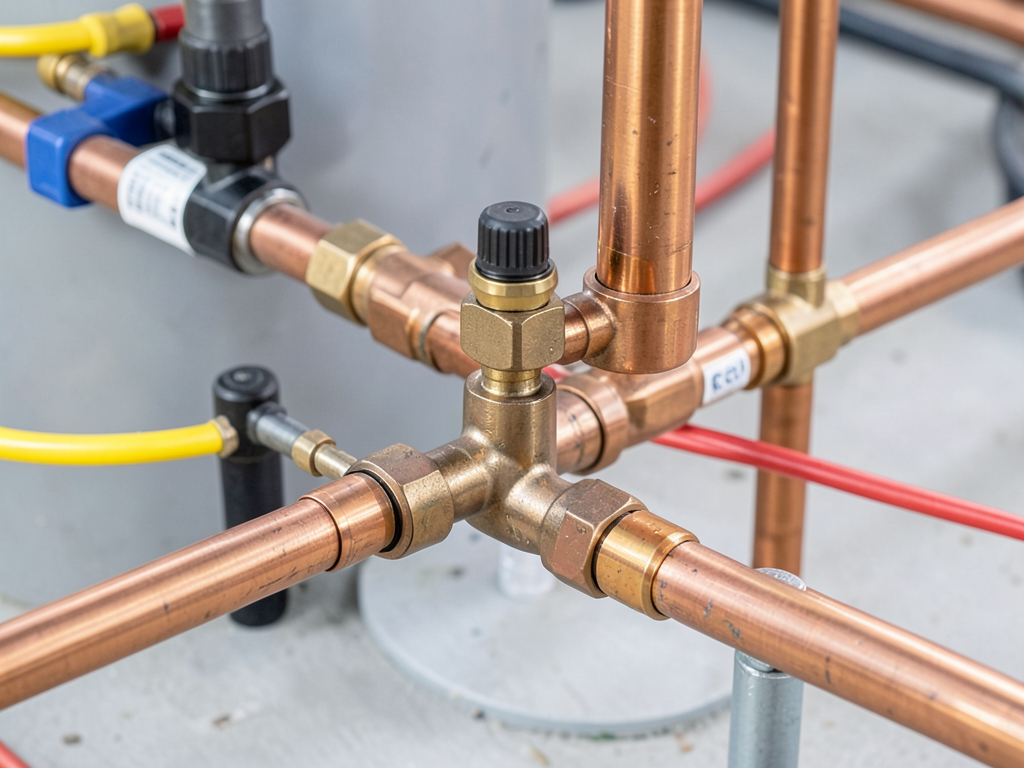
The program requires you to hire a licensed plumber who meets PWSA’s contractor requirements. These contractors must follow specific installation standards, including using Type K soft copper tubing with proper dielectric unions to prevent galvanic corrosion between dissimilar metals.. Read more about Safe Gas Line Repair and Installation in Squirrel Hill.
Squirrel Hill homeowners benefit from the program’s prioritization system. Properties with young children under six years old or pregnant women receive priority scheduling. The program also targets areas with historically high lead levels, which includes several Squirrel Hill zip codes.
Permitting through the Pittsburgh Bureau of Building Inspection adds approximately two weeks to the replacement timeline. Your contractor must pull permits for both the plumbing work and any required excavation, ensuring compliance with Allegheny County Health Department regulations. EPA information on lead in drinking water.
Current PWSA statistics show that Squirrel Hill has one of the highest concentrations of lead service lines in Pittsburgh, with replacement completion rates averaging 18 months from initial application to finished installation.
Private Lead Pipe Replacement: When You Need Immediate Action
Not every Squirrel Hill homeowner can wait for PWSA’s multi-year replacement timeline. If your water tests show elevated lead levels or you have young children in the home, private replacement offers a faster solution.
Private contractors can complete lead line replacement in as little as one to two days, compared to the six to twelve months often required through city programs. This speed matters when you discover lead contamination during a home sale or when planning a major renovation.
The replacement process starts with a detailed inspection of your existing plumbing system. Your contractor will map the entire service line route, checking for obstacles like tree roots, underground utilities, or structural elements that could complicate the replacement.
Cost factors for private replacement include the linear footage of pipe needed, excavation requirements, and any necessary repairs to landscaping or hardscaping. Most Squirrel Hill homes require between 50 and 100 linear feet of new copper pipe, with total costs ranging from $3,500 to $8,000 depending on site conditions.
Permitting through the City of Pittsburgh Building Inspection Division ensures your replacement meets all local code requirements. Your contractor handles permit applications and schedules required inspections at key project milestones. The Best Local Plumbers in Mt. Lebanon for Fast Water Heater Repair.
Private replacement also allows you to upgrade other plumbing components simultaneously. Many Squirrel Hill homeowners choose to replace galvanized steel supply lines or upgrade to modern water-efficient fixtures during the lead line replacement project. Energy Efficient Tankless Water Heater Installation in Wexford.
Don’t wait months for city programs. Call (412) 382-8366 for immediate lead pipe replacement options.
Trenchless vs. Traditional Excavation Methods
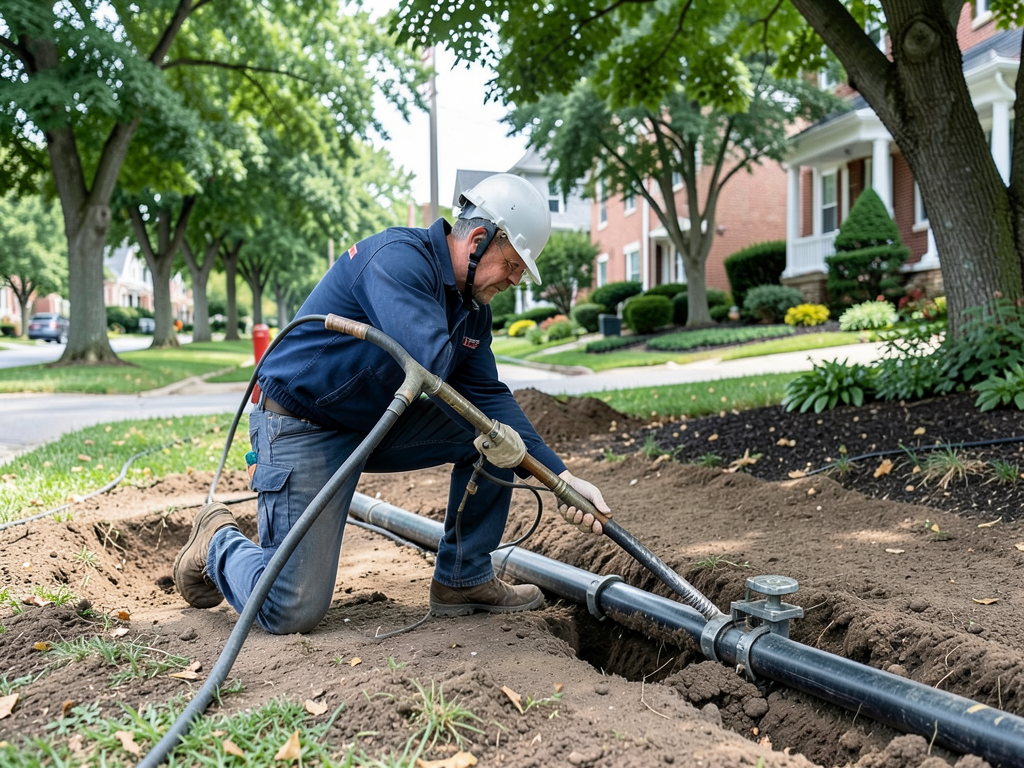
Squirrel Hill’s mature tree canopy and established landscaping create unique challenges for lead pipe replacement. Traditional excavation requires digging a trench from your home to the street, which can damage mature trees, destroy established gardens, and disrupt driveways or walkways.
Trenchless pipe replacement methods offer alternatives that minimize surface disruption. Pipe bursting involves pulling a new pipe through the existing lead line while simultaneously fracturing the old pipe outward. This method works well when the existing pipe path is clear of major obstacles.
Directional boring creates a new underground path for the replacement pipe without disturbing the surface above. This method proves especially valuable in Squirrel Hill’s hilly terrain, where traditional trenching would require extensive grading and retaining walls.
Cost comparisons show trenchless methods typically cost 30% more than traditional excavation but save money on surface restoration. For homes with expensive landscaping or historic properties, the additional upfront cost often proves worthwhile.
Site conditions determine the best method for your property. Properties with shallow utilities, bedrock close to the surface, or extensive tree root systems may not qualify for trenchless methods. Your contractor will evaluate soil conditions, underground obstacles, and property layout before recommending the optimal approach.
Both methods require the same quality materials and code-compliant installation. Whether using trenchless or traditional methods, your new copper service line must meet Pittsburgh plumbing code requirements for material thickness, joint types, and pressure ratings.
<img decoding="async" src="
” alt=”Technician using pipe bursting equipment to replace lead service line while minimizing landscape disruption”>
Cost Breakdown and Financing Options
Understanding lead pipe replacement costs helps you budget effectively for this essential home improvement. Several factors influence the final price, and multiple financing options exist to make the project affordable.
The base cost includes materials, labor, permits, and basic excavation. Copper pipe represents the primary material cost, with Type K soft copper tubing priced per linear foot. Additional costs include fittings, valves, dielectric unions, and pressure testing equipment.
Excavation costs vary dramatically based on your property’s specific conditions. Properties with easy access and minimal obstacles might incur $15 to $25 per linear foot for trenching. Homes with mature trees, retaining walls, or difficult soil conditions can see excavation costs rise to $40 to $60 per linear foot.
Permit fees through the Pittsburgh Building Inspection Division typically range from $250 to $500, depending on the project scope. Additional inspection fees may apply if your contractor discovers code violations during the replacement process.
Financing options include home equity loans, personal loans, and specialized home improvement financing. Some local credit unions offer low-interest loans specifically for lead pipe replacement projects. Additionally, the Pennsylvania Housing Finance Agency provides grants for income-eligible homeowners undertaking lead remediation.
Property value considerations matter when evaluating replacement costs. Homes with lead service lines often sell for 5% to 10% less than comparable properties with modern plumbing. Replacement can increase your home’s market value while eliminating a major buyer objection.
Insurance implications also factor into your decision. Some insurance companies charge higher premiums for homes with lead pipes due to increased liability risks. Replacement may qualify you for premium discounts or more favorable coverage terms.
Table 1: Lead Pipe Replacement Cost Factors
| Cost Factor | Low Range | High Range | Notes |
|---|---|---|---|
| Copper Pipe Materials | $15/linear ft | $25/linear ft | Type K soft copper tubing |
| Excavation/Trenching | $15/linear ft | $60/linear ft | Based on site conditions |
| Permits and Fees | $250 | $500 | Pittsburgh Building Inspection |
| Restoration/Repair | $500 | $3,000 | Landscaping, concrete, etc. |
| Total Project Cost | $3,500 | $15,000 | Based on home size and conditions |
Health Impacts and Legal Requirements
Lead exposure poses serious health risks, particularly for children under six and pregnant women. Even low levels of lead can cause developmental delays, learning difficulties, and behavioral problems in young children. Adults exposed to lead may experience kidney problems, high blood pressure, and reproductive issues. Dealing With Old Pipe Problems in Historic Shadyside Homes.
The Environmental Protection Agency’s Lead and Copper Rule requires water utilities to monitor lead levels and notify customers when action levels are exceeded. Pittsburgh’s water quality reports consistently show lead levels above the EPA’s action level of 15 parts per billion in many Squirrel Hill neighborhoods.
Pennsylvania state law requires landlords to disclose known lead hazards to tenants. Failure to replace lead service lines in rental properties can result in code violations, fines, and potential liability for health impacts on tenants.
Real estate disclosure requirements also affect lead pipe replacement decisions. Pennsylvania law requires sellers to disclose known lead-based paint hazards and lead plumbing materials. Homes with lead service lines often face longer selling times and lower offers compared to lead-free properties.
Insurance companies increasingly scrutinize lead pipe risks when underwriting policies. Some insurers may require lead pipe replacement as a condition of coverage or charge higher premiums for homes with known lead hazards.
Federal regulations under the Safe Drinking Water Act give municipalities authority to mandate lead pipe replacement when public health is at risk. While Pittsburgh has not yet implemented mandatory replacement programs, the trend toward stricter regulations continues nationwide.
Testing your water quality provides concrete data about your lead exposure risk. Home test kits offer basic screening, but professional laboratory testing provides more accurate results. Many Squirrel Hill homeowners test their water annually, especially if they have young children or are planning to sell their homes.
Choosing the Right Contractor for Your Project
Selecting a qualified contractor ensures your lead pipe replacement meets all code requirements and protects your investment. Look for Pennsylvania Master Plumber licensing, proper insurance coverage, and specific experience with lead service line replacement in Pittsburgh.
Verify contractor credentials through the Pennsylvania Department of Labor and Industry. Master Plumber licenses require extensive training, apprenticeship experience, and passing rigorous examinations. Licensed contractors also carry liability insurance and workers’ compensation coverage.
Ask potential contractors about their experience with Squirrel Hill properties specifically. The neighborhood’s mix of historic homes, mature landscaping, and hilly terrain creates unique challenges that not all contractors can handle effectively.
Request references from recent lead pipe replacement projects in your area. Contact these references to ask about the contractor’s communication, timeliness, cleanup practices, and adherence to quoted prices.
Obtain detailed written estimates that break down all costs, including materials, labor, permits, and any potential additional charges. Compare estimates carefully, noting differences in proposed methods, materials, and project timelines.
Check online reviews and ratings through the Better Business Bureau and Google Business Profile. Look for patterns in customer feedback, particularly regarding communication, professionalism, and problem resolution.
Ask about warranties on both materials and workmanship. Quality contractors typically offer at least one-year warranties on installation and may provide extended warranties on specific components like copper piping.
Communication throughout the project matters significantly. Choose a contractor who explains the process clearly, provides regular updates, and responds promptly to your questions and concerns.
<img decoding="async" src="
” alt=”Copper water service line installation with proper dielectric unions and pressure testing equipment”>
Maintenance and Prevention Tips
After lead pipe replacement, maintaining your new plumbing system ensures long-term performance and water quality. Several simple practices help protect your investment and family health.
Flush your pipes regularly to prevent water stagnation. Run cold water for at least 30 seconds before using it for drinking or cooking, especially if the water has been sitting in the pipes for several hours. This practice flushes out any residual lead particles that might have accumulated.
Install NSF/ANSI Standard 53 certified water filters on drinking water taps. These filters specifically remove lead and other heavy metals. Replace filter cartridges according to manufacturer recommendations to maintain effectiveness.
Monitor your water pressure regularly. Sudden pressure drops or fluctuations can indicate problems with your new service line or other plumbing components. Address pressure issues promptly to prevent damage to your plumbing system.
Inspect visible plumbing components annually for signs of corrosion, leaks, or damage. Check pipe connections, valves, and fittings for moisture or discoloration that might indicate developing problems.
Test your water quality periodically, even after lead pipe replacement. While copper pipes do not leach lead, other sources of contamination can affect your water supply. Annual testing provides peace of mind and early warning of potential issues.
Keep records of all plumbing work, including lead pipe replacement, repairs, and maintenance. These records prove valuable for future home sales, insurance claims, or warranty service.
Educate family members about water safety practices. Teach children not to drink from bathroom taps or use hot water for cooking, as hot water can dissolve metals more readily than cold water.
Consider installing water-efficient fixtures that reduce overall water usage while maintaining performance. Modern low-flow faucets and showerheads help conserve water and reduce utility costs.
Plan for future plumbing upgrades as your home ages. While copper service lines last 50+ years, other components like water heaters, supply lines, and fixtures require periodic replacement.
Maintain good relationships with your plumbing contractor for ongoing support. Many contractors offer annual maintenance programs that include system inspections, water testing, and priority service for emergencies.
Frequently Asked Questions
How long does lead pipe replacement take?
Most lead pipe replacement projects in Squirrel Hill take one to three days for the actual replacement work. However, the complete process including permitting, scheduling, and restoration can take two to four weeks from start to finish.
Will I need to leave my home during replacement?
In most cases, you can remain in your home during lead pipe replacement. Your water service will be interrupted for several hours during the actual pipe connection work, but contractors typically schedule this during daytime hours when water usage is lowest.
Does homeowners insurance cover lead pipe replacement?
Standard homeowners insurance policies typically do not cover lead pipe replacement since it’s considered a maintenance issue rather than sudden damage. However, some policies offer optional coverage for plumbing upgrades, and replacement may help you qualify for premium discounts.
How can I tell if my water has lead in it?
Home test kits provide basic screening, but professional laboratory testing offers the most accurate results. You can also request water quality reports from the Pittsburgh Water and Sewer Authority, which shows lead levels in your neighborhood.
What happens to the old lead pipes?
Professional contractors properly dispose of lead pipes according to environmental regulations. Lead is a hazardous material that requires special handling and recycling to prevent environmental contamination.
Take Action Today for Your Family’s Health
Lead pipe replacement represents one of the most important home improvements you can make for your family’s health and safety. Every day you wait exposes your family to potential lead contamination that can cause serious health problems, especially in young children.
The Pittsburgh Water and Sewer Authority’s lead replacement program provides an excellent option for income-eligible homeowners, but the multi-year timeline means many families continue facing lead exposure risks while waiting for their turn. Private replacement offers immediate solutions with professional installation and warranty protection.
Squirrel Hill homeowners have unique advantages when addressing lead pipe issues. The neighborhood’s strong community organizations and active neighborhood associations can provide support and resources throughout the replacement process. Many homeowners have already completed lead pipe replacement, creating a network of experienced residents who can share their experiences.
Property values in Squirrel Hill continue to rise, making lead pipe replacement a smart investment that protects both your family’s health and your home’s market value. Homes with modern copper service lines attract more buyers and command higher prices than properties with known lead hazards.
Don’t let lead pipes continue threatening your family’s health and your home’s value. Professional lead pipe replacement provides immediate peace of mind and long-term protection for your most important investment.
Call (412) 382-8366 now to schedule your lead pipe inspection and replacement consultation. Our licensed Pittsburgh plumbers have helped hundreds of Squirrel Hill families eliminate lead hazards and protect their drinking water.
Take the first step toward safe, clean drinking water today. Your family deserves the best protection available, and professional lead pipe replacement delivers exactly that. Contact us now to learn more about your options and take control of your home’s water quality.
Remember, every day you wait is another day your family could be exposed to lead contamination. Make the call that protects your loved ones and your investment in Squirrel Hill living.
Ready to eliminate lead pipes from your home? Call (412) 382-8366 today and speak with our experienced Pittsburgh plumbing team about your lead pipe replacement options.
{
“@context”: “https://schema.org”,
“@type”: “BlogPosting”,
“headline”: “What Every Squirrel Hill Homeowner Should Know About Lead Pipe Replacement”,
“description”: “Squirrel Hill homeowners need to know about lead pipe risks, city programs, and replacement options. Learn the process, costs, and why immediate action matters for your family’s health.”,
“wordCount”: 3016,
“datePublished”: “2026-03-04T10:48:00.000Z”,
“dateModified”: “2026-03-04T10:48:00.000Z”,
“inLanguage”: “en-US”,
“mainEntityOfPage”: {
“@type”: “WebPage”,
“@id”: “https://aceplumbingpittsburgh.com”
},
“publisher”: {
“@type”: “LocalBusiness”,
“name”: “Ace Plumbing Pittsburgh”,
“url”: “https://aceplumbingpittsburgh.com”
},
“author”: {
“@type”: “Organization”,
“name”: “Ace Plumbing Pittsburgh”,
“url”: “https://aceplumbingpittsburgh.com”
},
“image”: {
“@type”: “ImageObject”,
“url”: “https://aceplumbingpittsburgh.com/wp-content/uploads/2026/03/what-every-squirrel-hill-homeowner-should-know-abo-1.png”
}
}
{
“@context”: “https://schema.org”,
“@type”: “Plumber”,
“name”: “Ace Plumbing Pittsburgh”,
“url”: “https://aceplumbingpittsburgh.com”,
“address”: {
“@type”: “PostalAddress”,
“addressLocality”: “Pittsburgh”
},
“areaServed”: {
“@type”: “City”,
“name”: “Pittsburgh”
}
}
{
“@context”: “https://schema.org”,
“@type”: “FAQPage”,
“mainEntity”: [
{
“@type”: “Question”,
“name”: “How long does lead pipe replacement take?”,
“acceptedAnswer”: {
“@type”: “Answer”,
“text”: “Most lead pipe replacement projects in Squirrel Hill take one to three days for the actual replacement work. However, the complete process including permitting, scheduling, and restoration can take two to four weeks from start to finish.”
}
},
{
“@type”: “Question”,
“name”: “Will I need to leave my home during replacement?”,
“acceptedAnswer”: {
“@type”: “Answer”,
“text”: “In most cases, you can remain in your home during lead pipe replacement. Your water service will be interrupted for several hours during the actual pipe connection work, but contractors typically schedule this during daytime hours when water usage is lowest.”
}
},
{
“@type”: “Question”,
“name”: “Does homeowners insurance cover lead pipe replacement?”,
“acceptedAnswer”: {
“@type”: “Answer”,
“text”: “Standard homeowners insurance policies typically do not cover lead pipe replacement since it’s considered a maintenance issue rather than sudden damage. However, some policies offer optional coverage for plumbing upgrades, and replacement may help you qualify for premium discounts.”
}
},
{
“@type”: “Question”,
“name”: “How can I tell if my water has lead in it?”,
“acceptedAnswer”: {
“@type”: “Answer”,
“text”: “Home test kits provide basic screening, but professional laboratory testing offers the most accurate results. You can also request water quality reports from the Pittsburgh Water and Sewer Authority, which shows lead levels in your neighborhood.”
}
}
]
}
{
“@context”: “https://schema.org”,
“@type”: “BreadcrumbList”,
“itemListElement”: [
{
“@type”: “ListItem”,
“position”: 1,
“name”: “Home”,
“item”: “https://aceplumbingpittsburgh.com”
},
{
“@type”: “ListItem”,
“position”: 2,
“name”: “Blog”,
“item”: “https://aceplumbingpittsburgh.com/blog”
},
{
“@type”: “ListItem”,
“position”: 3,
“name”: “What Every Squirrel Hill Homeowner Should Know About Lead Pipe Replacement”
}
]
}
{
“@context”: “https://schema.org”,
“@type”: “Service”,
“serviceType”: “Plumbing”,
“provider”: {
“@type”: “LocalBusiness”,
“name”: “Ace Plumbing Pittsburgh”,
“url”: “https://aceplumbingpittsburgh.com”
},
“areaServed”: {
“@type”: “City”,
“name”: “Pittsburgh”
},
“description”: “Squirrel Hill homeowners need to know about lead pipe risks, city programs, and replacement options. Learn the process, costs, and why immediate action matters for your family’s health.”
}